
NEWS
-

Comprehensive Guide to Selecting the Right 4 Inch Check Valve for Your System
Understanding 4 Inch Check Valves: A Comprehensive Guid […]Read more -
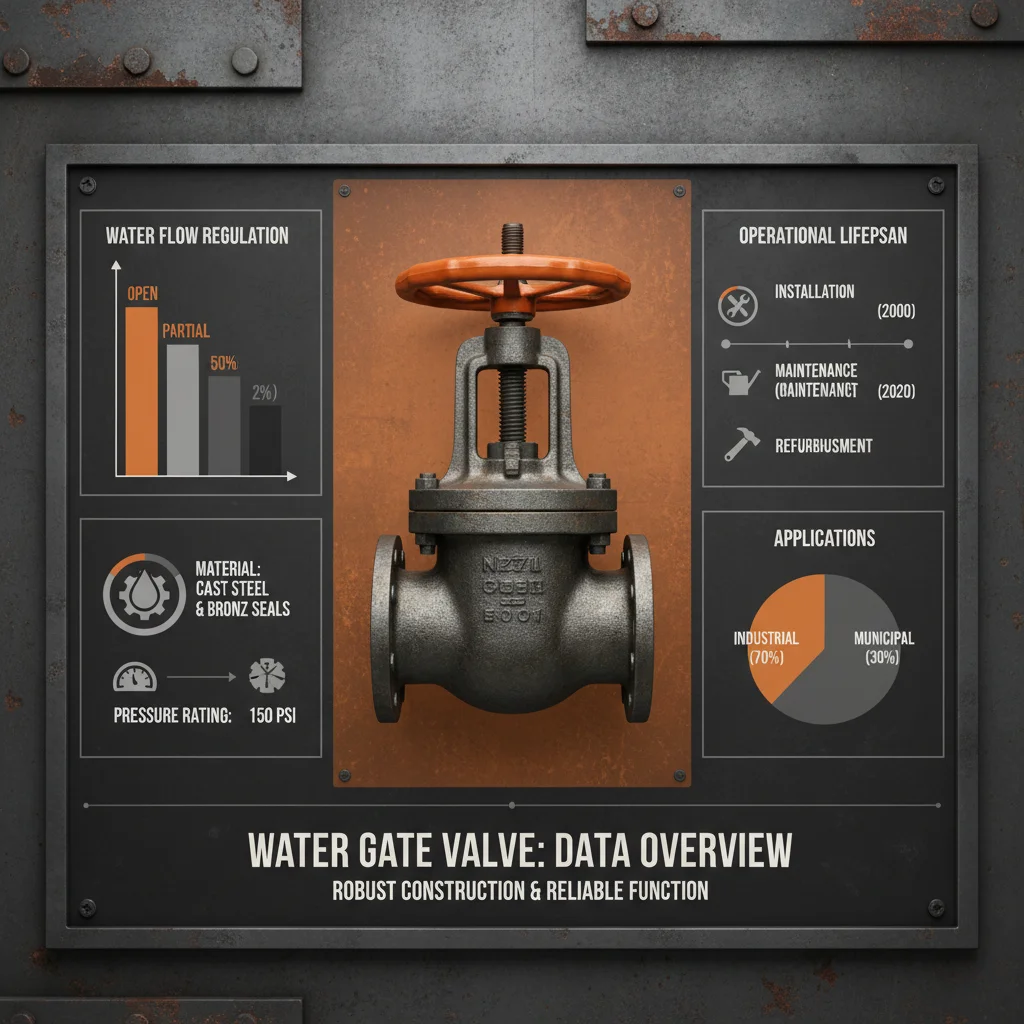
Essential Water Gate Valve Technology for Efficient Fluid Management Systems
Water gate valves are fundamental components in fluid management systems globally, playing a critical role in controlling the flow of water across a diverse range of applications. From municipal water distribution networks to industrial processing plants and even residential plumbing, these valves ensure efficient and safe water delivery and control. Their robust design and reliable operation are essential for preventing water waste, maintaining water quality, and protecting infrastructure. Understanding the nuances of water gate valve technology is crucial for engineers, technicians, and anyone involved in water resource management. The global demand for efficient water management is continuously increasing, driven by factors such as population growth, urbanization, and climate change. The World Bank estimates that water scarcity already affects over two billion people, and this number is projected to rise significantly in the coming decades. This necessitates the deployment of reliable and durable infrastructure, with water gate valve systems being a key element.Read more -

Essential Guide to Water Cut Off Valve Technology and Applications
The reliable control of water flow is paramount in numerous industries and applications, and this is where the humble yet crucial water cut off valve comes into play. From industrial processing and municipal water systems to residential plumbing and emergency response, these valves serve as a critical safeguard, preventing damage, ensuring safety, and maintaining operational efficiency. Understanding the nuances of water cut off valve technology, its various types, and its appropriate applications is essential for professionals and individuals alike. Globally, water scarcity and the need for efficient water management are increasingly pressing concerns. According to the UN, billions of people lack access to safe water, and demand is projected to exceed supply by 40% by 2030. A robust and reliable water cut off valve infrastructure is thus not merely a matter of convenience, but a necessity for sustainable development. Efficiently controlling water flow minimizes waste, prevents costly repairs from burst pipes, and allows for rapid isolation of leaks during emergencies.Read more -
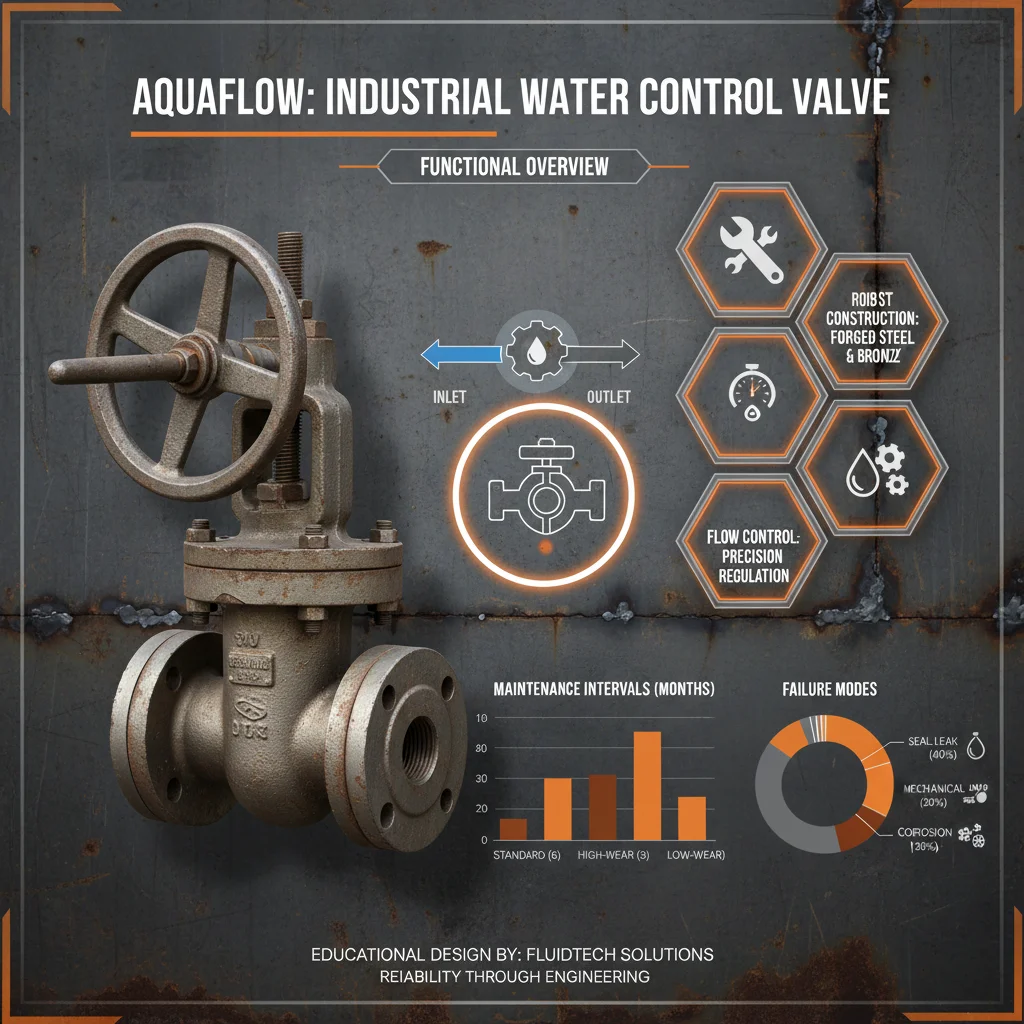
Essential Guide to Water Control Valves for Efficient Water Management
Water control valves are essential components in a vast range of industries and applications, playing a critical role in managing and regulating water flow. From municipal water distribution systems to industrial processing plants and agricultural irrigation, these valves ensure efficient and safe water usage. The increasing global demand for water, coupled with growing concerns about water scarcity and environmental sustainability, makes understanding and implementing effective water control solutions more important than ever. Investing in robust and reliable water control valve systems is no longer just a matter of operational efficiency but a vital step towards responsible water resource management. The global water valve market is experiencing significant growth, driven by factors such as rapid urbanization, infrastructure development in emerging economies, and increasing investments in water and wastewater treatment facilities. According to the UN, billions of people still lack access to safe water, highlighting the urgent need for improved water infrastructure. Furthermore, industrial sectors are facing growing pressure to reduce their water footprint and comply with stricter environmental regulations.Read more -
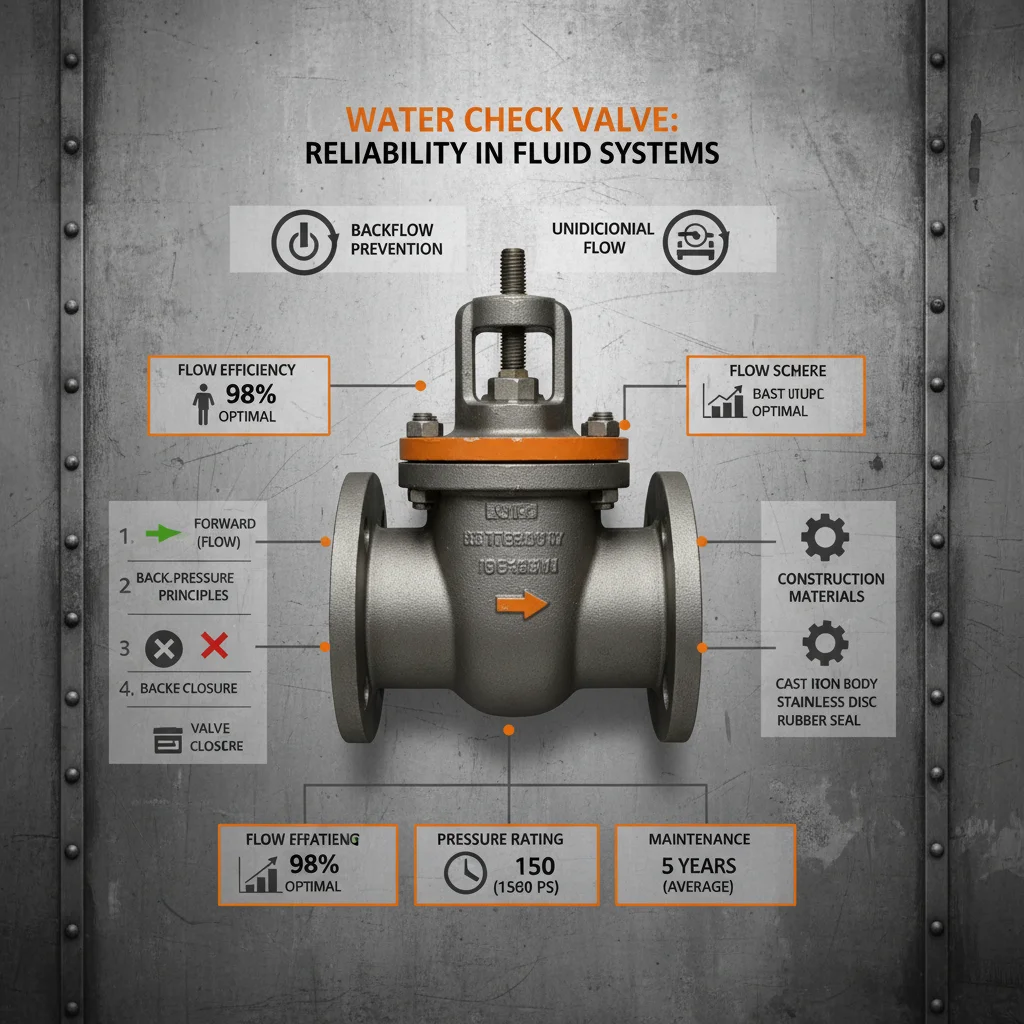
Understanding Water Check Valve Technology Applications and Future Trends
Water check valves are fundamental components in fluid systems, ensuring unidirectional flow and preventing backflow. Their significance spans numerous industries globally, from municipal water distribution and wastewater treatment to oil and gas pipelines and even residential plumbing. Effectively managing water resources and ensuring the integrity of fluid systems relies heavily on the reliable operation of these often-unsung heroes. Understanding the principles, applications, and advancements in water check valve technology is crucial for engineers, technicians, and anyone involved in fluid handling systems. The global market for check valves is substantial and steadily growing, driven by increasing demand for efficient water management, stricter environmental regulations, and expanding infrastructure projects worldwide. According to a recent report by Grand View Research, the global check valve market size was valued at USD 7.4 billion in 2022 and is projected to reach USD 10.8 billion by 2030, growing at a CAGR of 4.7% from 2023 to 2030. This growth underlines the critical role these valves play in maintaining safe and reliable fluid systems. A key challenge addressed by water check valves is the prevention of contamination and damage within fluid systems.Read more -
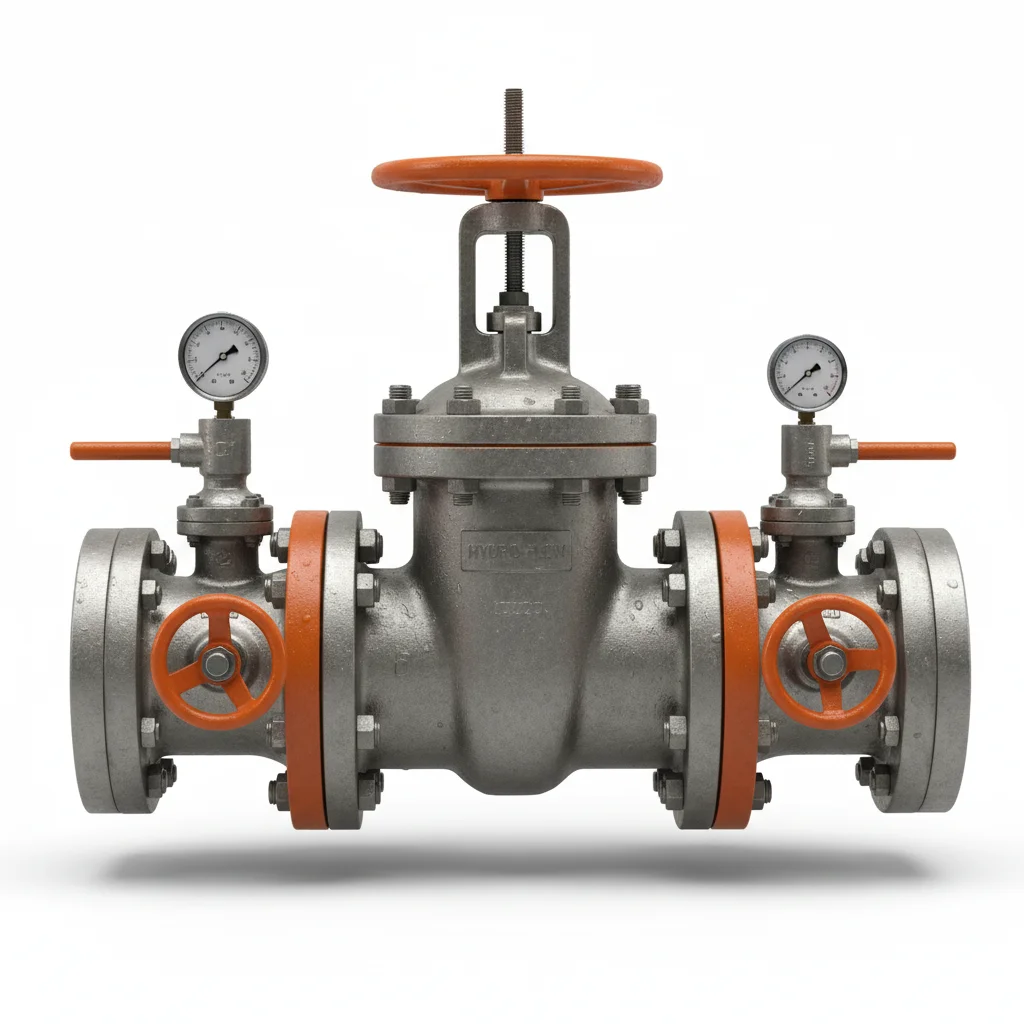
Advancements in Valve Water Systems for Sustainable Water Management
Valve water systems are critical components of modern infrastructure, ensuring the safe and efficient delivery of this essential resource globally. From municipal drinking water to industrial processes, the reliable operation of valves is paramount. Understanding the nuances of valve water—its materials, applications, and future innovations—is increasingly important as global water scarcity and demand rise. The need for robust and sustainable valve water solutions is driving advancements in design, manufacturing, and maintenance. The global valve market is a multi-billion dollar industry, projected to continue its growth trajectory as populations expand and infrastructure needs evolve. Organizations like the World Bank and ISO are actively involved in setting standards for water quality and infrastructure reliability, which directly impacts the valve water sector. Addressing challenges such as corrosion, leakage, and energy efficiency requires a comprehensive approach to valve selection, installation, and lifecycle management.Read more -
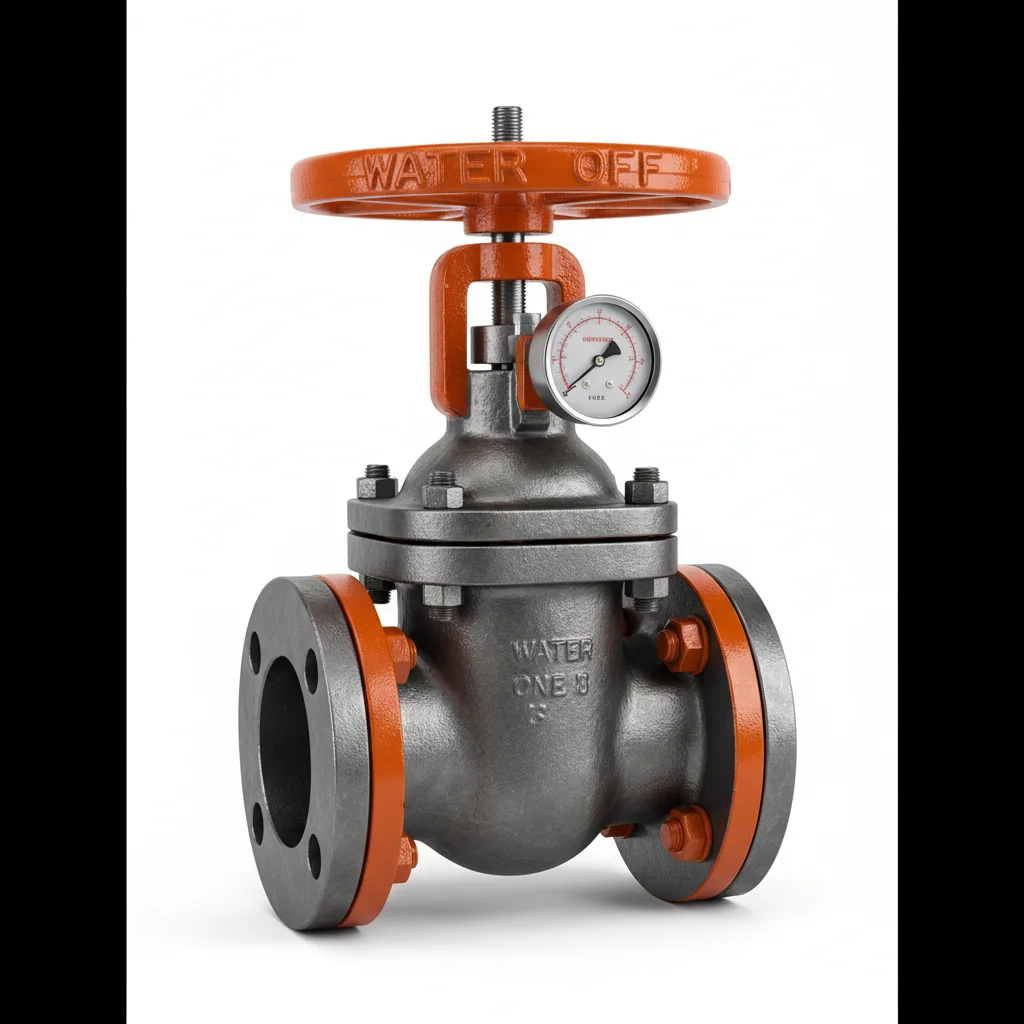
Understanding How to Effectively Turn Off Water Valve for Home and Industry
Understanding how to effectively turn off water valve is paramount in a world increasingly facing water scarcity, infrastructure challenges, and emergency preparedness needs. From routine home maintenance to large-scale industrial operations, the ability to quickly and reliably shut off the water supply can prevent costly damage, conserve vital resources, and even save lives. A comprehensive understanding of water valve mechanisms, maintenance procedures, and emergency protocols is therefore crucial for homeowners, facility managers, and emergency responders alike. The global relevance of a properly functioning and accessible turn off water valve is underscored by increasing climate change impacts, which exacerbate droughts and flooding events worldwide. According to the UN, billions of people already experience water stress for at least one month of the year, and this number is projected to rise significantly. Efficient water management, including the swift ability to isolate leaks or shut down supply during emergencies, is critical for sustainable development. Industries, too, rely heavily on reliable water control for operational efficiency and regulatory compliance.Read more -
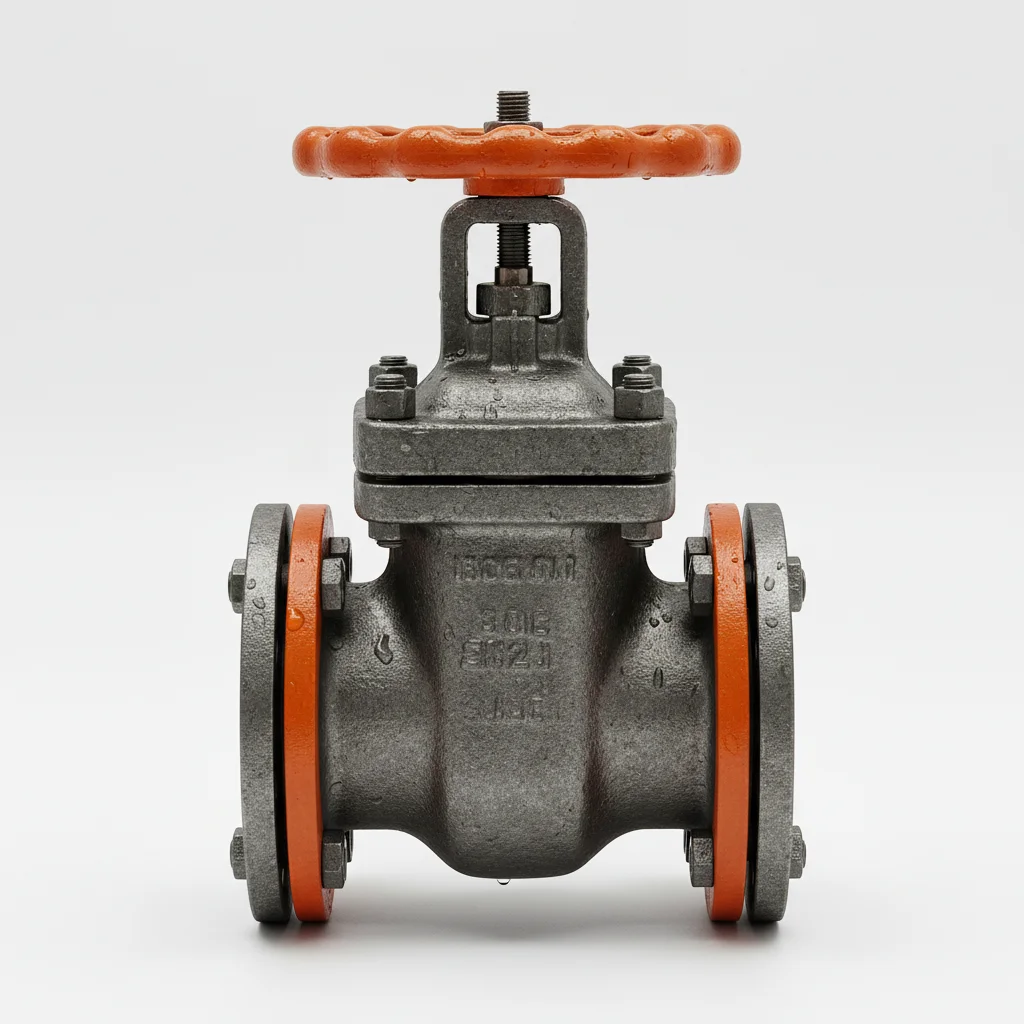
Essential Guide to Shut Off Water Valve Functionality and Applications
The reliable operation of any plumbing system hinges on its ability to control water flow, and at the heart of this control lies the shut off water valve. These valves aren't merely components; they’re critical safety features, enabling swift responses to leaks, facilitating maintenance, and protecting properties from water damage. Understanding their function, types, and proper application is vital for homeowners, plumbers, and engineers alike. A properly installed and maintained shut off water valve can prevent costly repairs and safeguard valuable assets. Globally, water conservation and responsible resource management are paramount concerns, underscored by organizations like the UN and the World Bank. Failures in water systems, from burst pipes to widespread leaks, contribute significantly to water waste and economic losses. The efficient control offered by a shut off water valve directly addresses these challenges by providing the means to quickly isolate and repair issues, minimizing water loss.Read more -
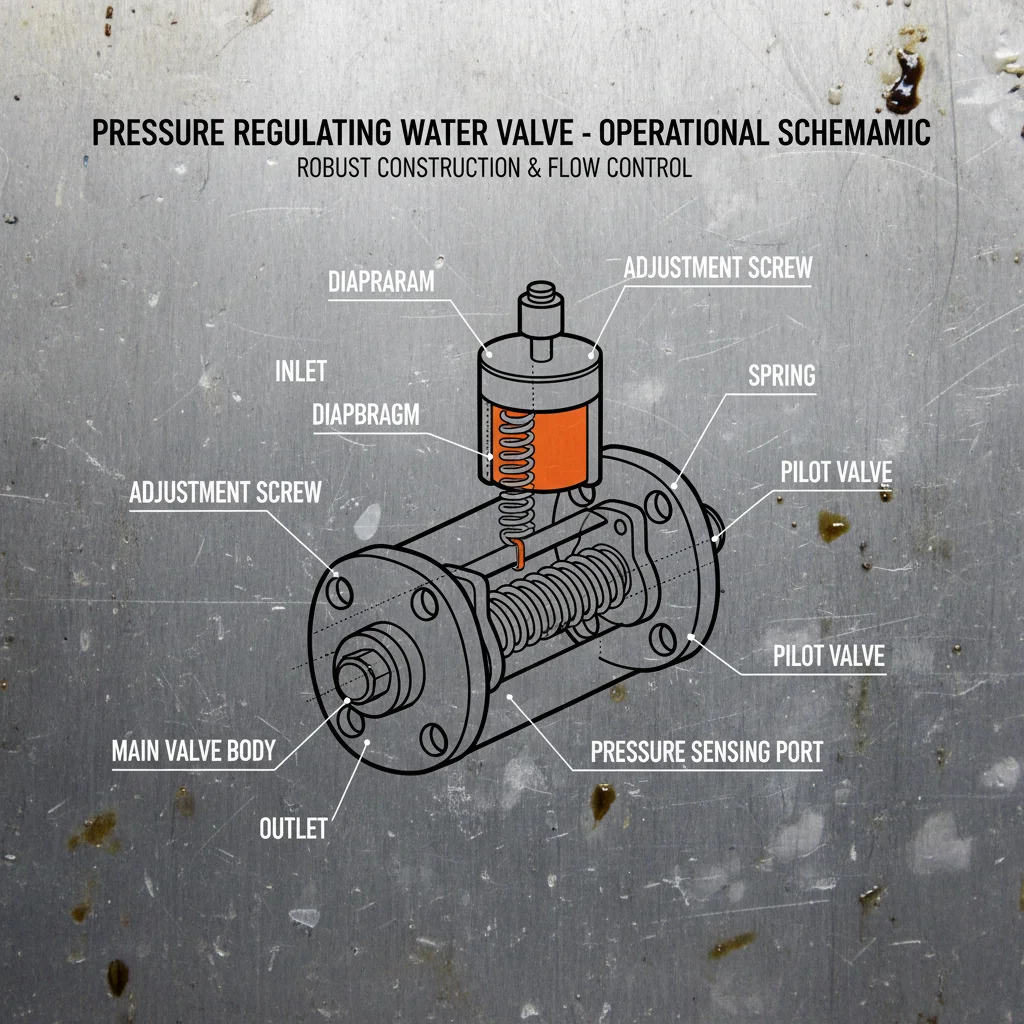
Optimizing Water Management with Advanced Pressure Water Valve Technology
Pressure water valves are critical components in numerous industries, from municipal water systems to industrial processing plants. They regulate and control water flow, ensuring efficient operation and preventing damage to infrastructure. Understanding their function, types, and applications is paramount for engineers, technicians, and anyone involved in water management. The global demand for reliable and efficient water control solutions continues to drive innovation in pressure water valve technology. The increasing scarcity of clean water resources globally underscores the importance of effective water management. Leaks, bursts, and inefficiencies in water distribution systems contribute to significant water loss. Sophisticated pressure water valve systems, coupled with smart monitoring technologies, are increasingly employed to minimize waste and optimize water usage. According to the UN, billions lack access to safe water, making these solutions vital for global sustainability. Beyond basic control, modern pressure water valves offer features like automated operation, remote monitoring, and advanced leak detection, boosting overall system performance and reducing maintenance costs.Read more -
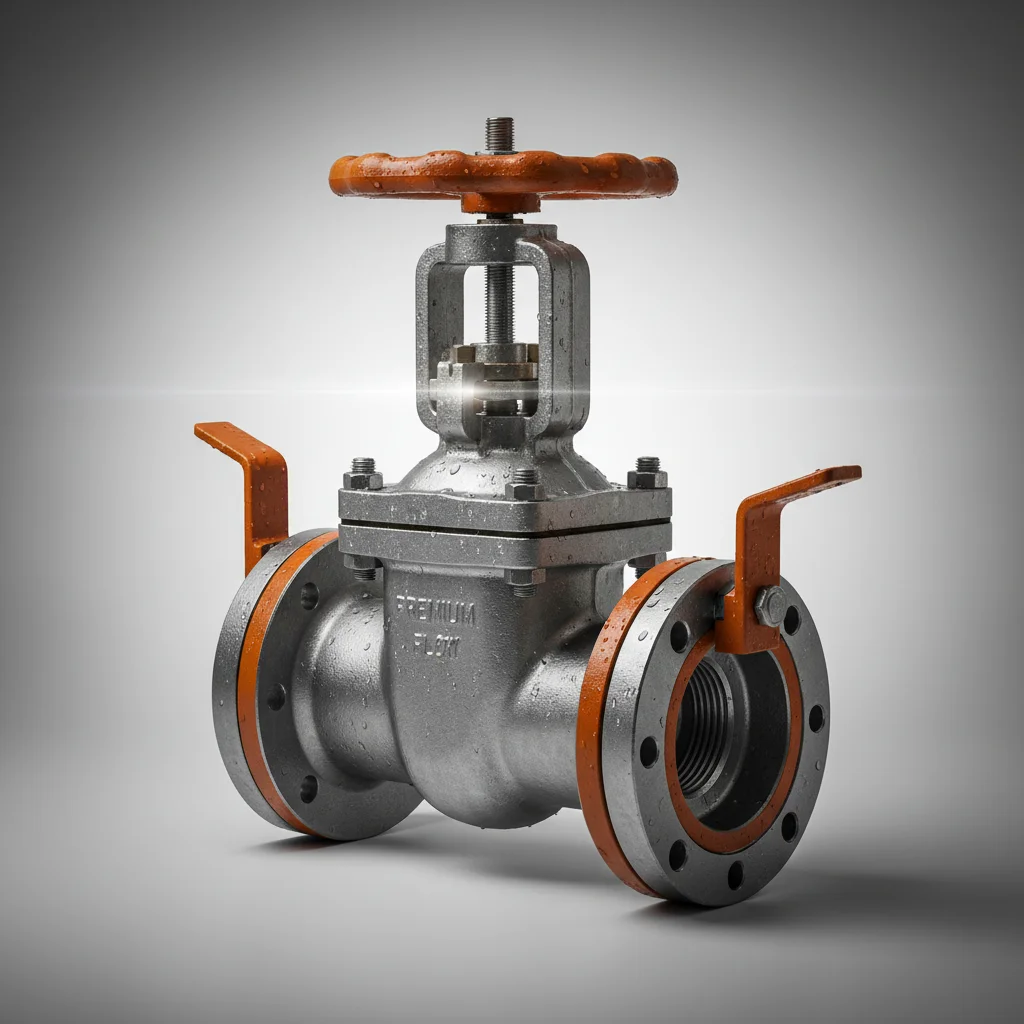
The Vital Role of Open Water Valves in Modern Fluid Management Systems
The efficient and reliable management of fluid systems is critical across a vast range of industries and applications worldwide. At the heart of many of these systems lies the unassuming yet vital component: the open water valve. These valves control the flow of water, ensuring processes run smoothly, safely, and effectively. Understanding their functionalities, applications, and advancements is increasingly crucial in a world facing water scarcity and growing industrial demands. Globally, water infrastructure is aging, and the demand for water is steadily increasing. The ability to precisely control and distribute this precious resource is paramount. Open water valve technology directly addresses these challenges, offering solutions from municipal water distribution to large-scale irrigation and industrial cooling. Investment in robust and efficient valve systems is no longer just a matter of operational efficiency, but a critical component of sustainable resource management. From supplying clean water to communities to facilitating critical industrial processes, the open water valve stands as a cornerstone of modern civilization.Read more -
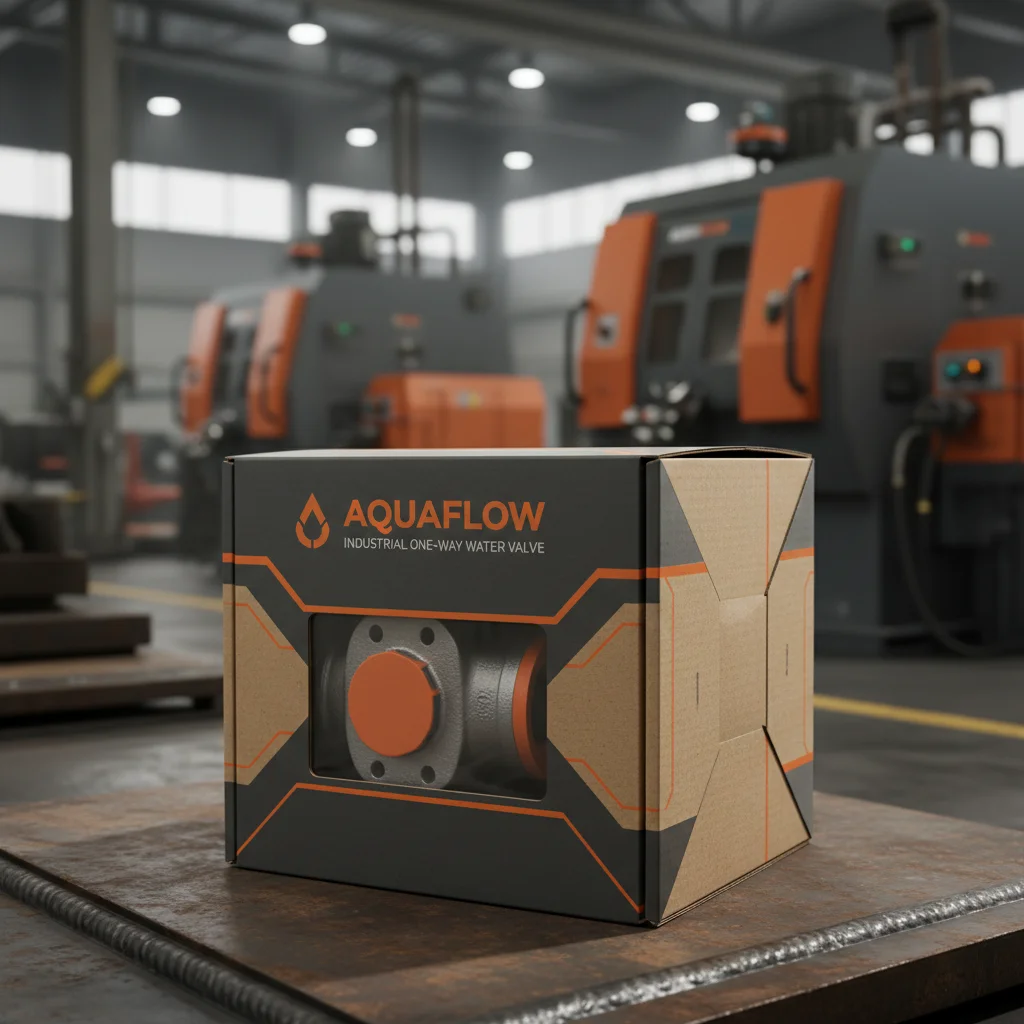
Understanding One Way Water Valve Applications and Future Innovations
The global need for efficient water management is paramount, and a crucial component of this is ensuring unidirectional flow. A one way water valve plays a vital role in countless applications, from preventing backflow contamination in potable water systems to optimizing fluid transfer in industrial processes. Understanding these valves isn't merely a technical exercise; it's essential for public health, environmental protection, and industrial productivity worldwide. The prevalence of waterborne diseases, especially in developing nations, underscores the importance of preventing back-siphonage and contamination. International organizations like the World Health Organization (WHO) and the United Nations (UN) prioritize safe water access, and effective backflow prevention is a core tenet of these initiatives. Similarly, industrial sectors globally rely on consistent and controlled fluid movement, making reliable one way water valve solutions essential for operational efficiency. The increasing demands on water resources, coupled with growing environmental concerns, are driving innovation in valve technology.Read more -
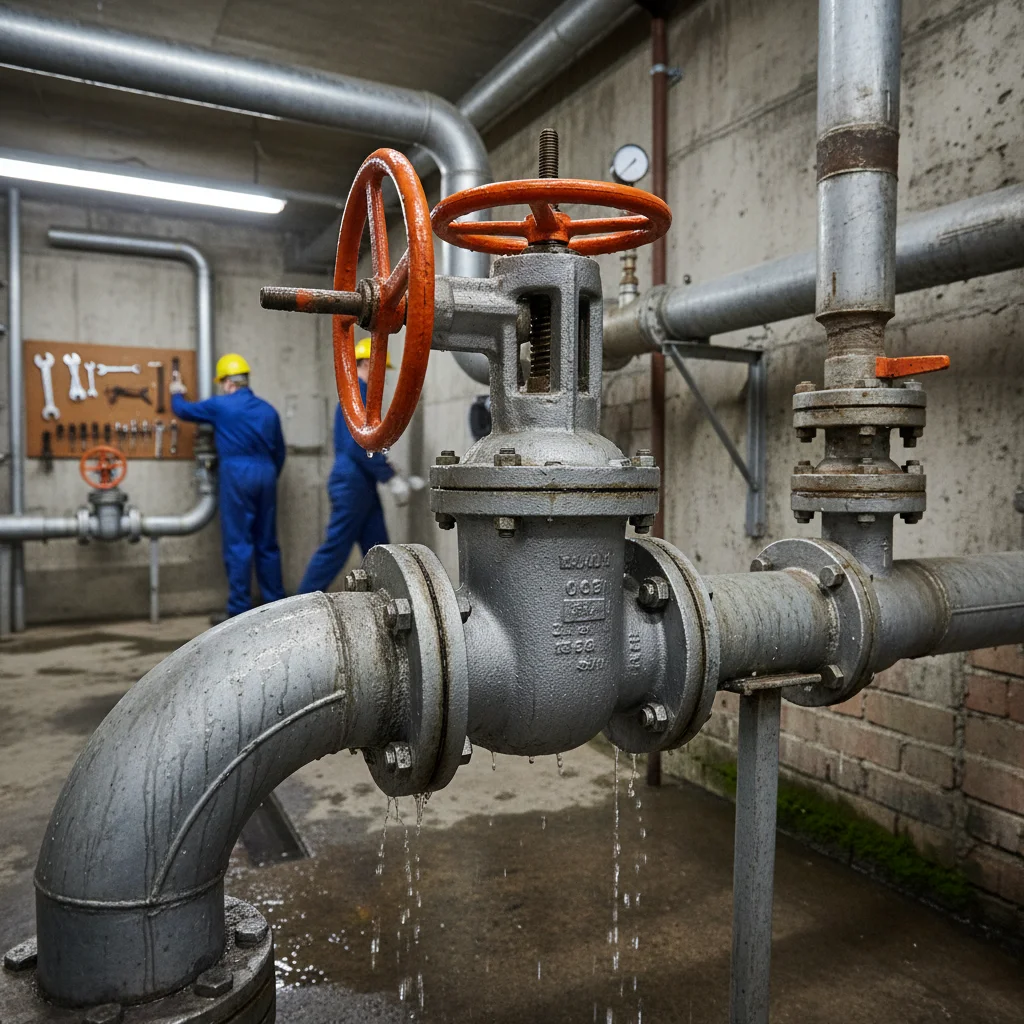
Essential Guide to on off water valve Applications and Future Trends
The humble on off water valve plays a critical, yet often unseen, role in modern life. From ensuring safe drinking water in our homes to facilitating complex industrial processes, these valves are fundamental to controlling the flow of this essential resource. Understanding their operation, applications, and future developments is crucial for professionals in fields like plumbing, engineering, and environmental science, as well as for anyone interested in sustainable water management. A reliable on off water valve safeguards infrastructure and supports public health globally. Globally, efficient water management is becoming increasingly vital. The United Nations estimates that billions of people lack access to safe water, and this issue is exacerbated by climate change and population growth. The effective control of water flow, enabled by quality on off water valves, is a key component of addressing this challenge. ISO standards dictate rigorous testing and performance criteria for these valves, ensuring their reliability and longevity. Investing in robust on off water valve systems translates to reduced water waste and improved resource allocation.Read more