

Guide Rail
Product Description
Place of Origin:Hebei, China
Warranty:1 year
Customized support:OEM, ODM, OBM
Brand Name:Storan
Model Number:2008
Material:HT200-HT300
Accuracy:customized
Operation Mode:customized
Item Weight:customized
Capacity:customized
Specification:1500-4000mm in length or customize
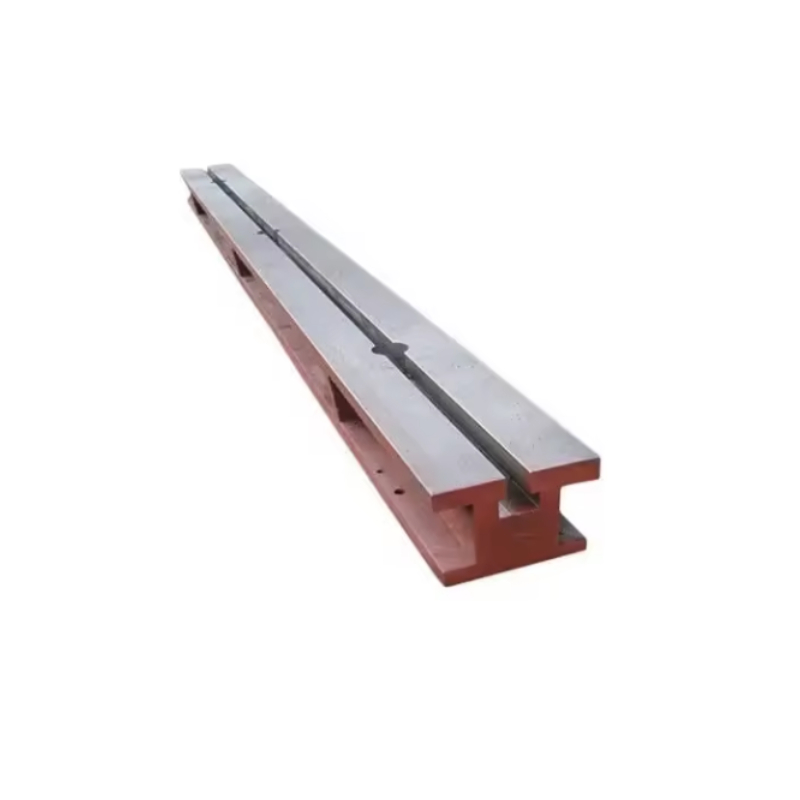
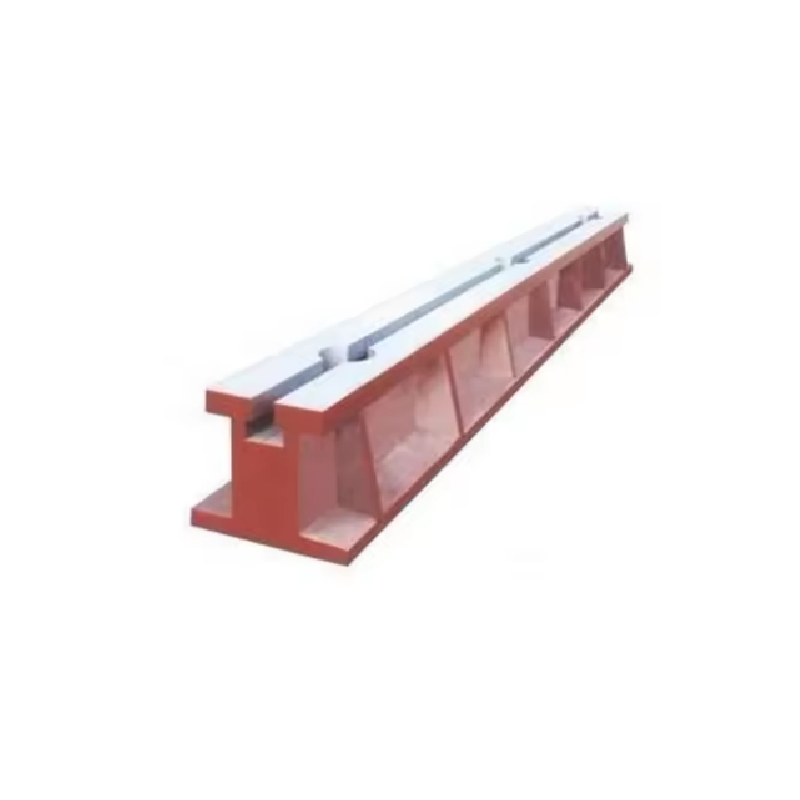
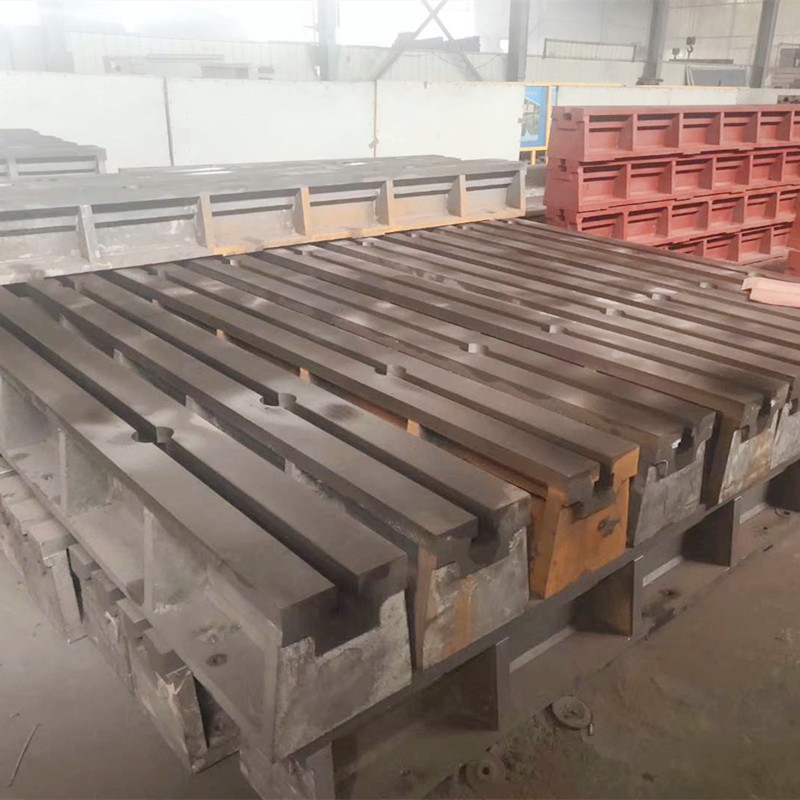
Surface:T-slots
Hardness of the working surface:HB160-240
Surface treatment:machining
Foundry process:resin sand casting
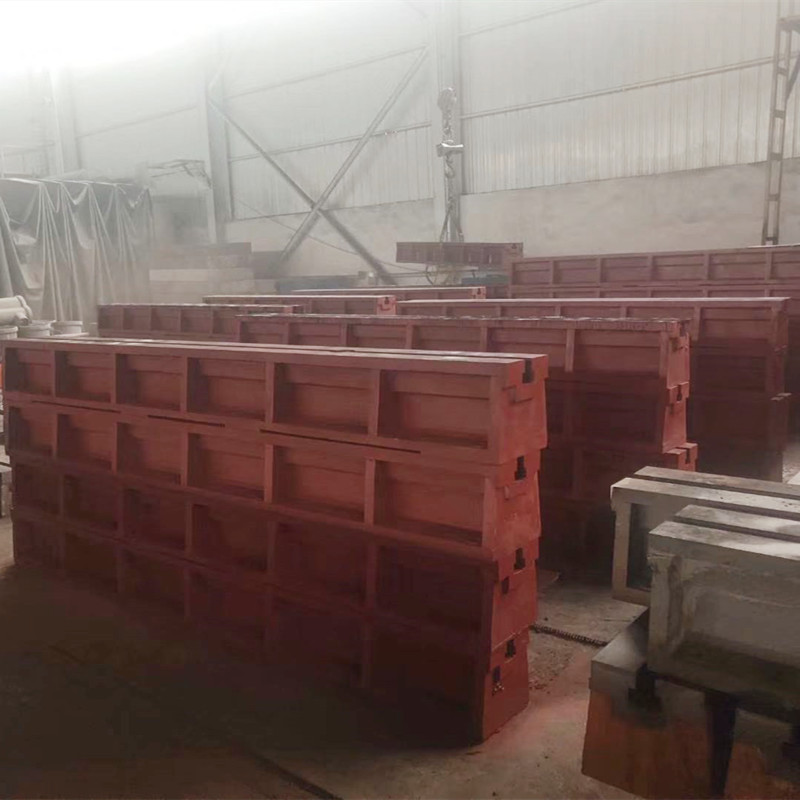
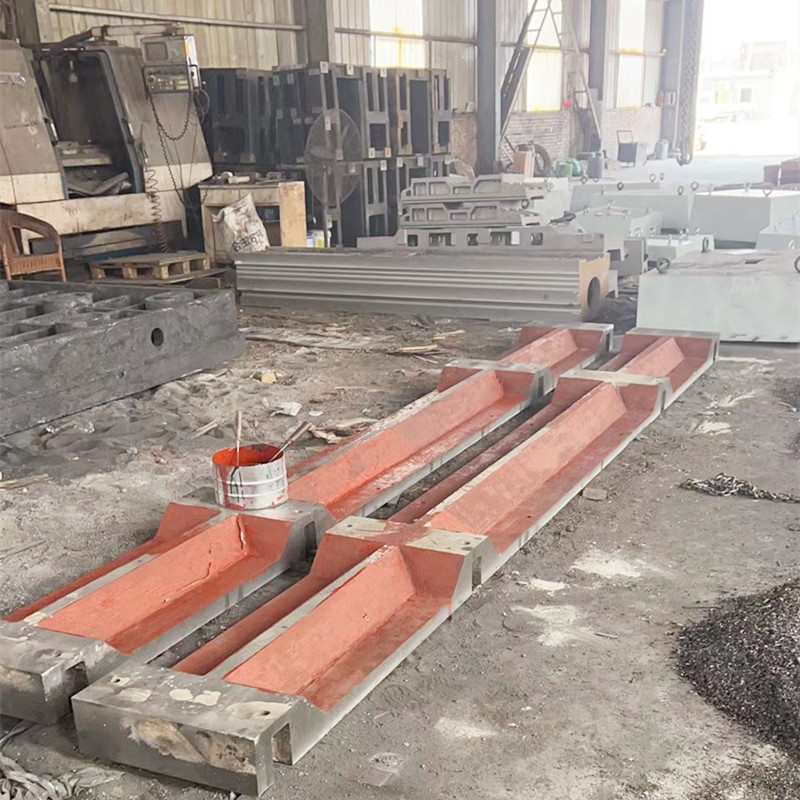
Painting:primer and face painting
Surface coating:pickling oil and plastic-lined or covered with anticorrosion paint
Precision grade:2-3
Working temperature:(20±5) ℃
Packaging:plywood box
Lead time
|
Quantity (pieces) |
1 – 100 |
> 100 |
|
Lead time (days) |
30 |
To be negotiated |
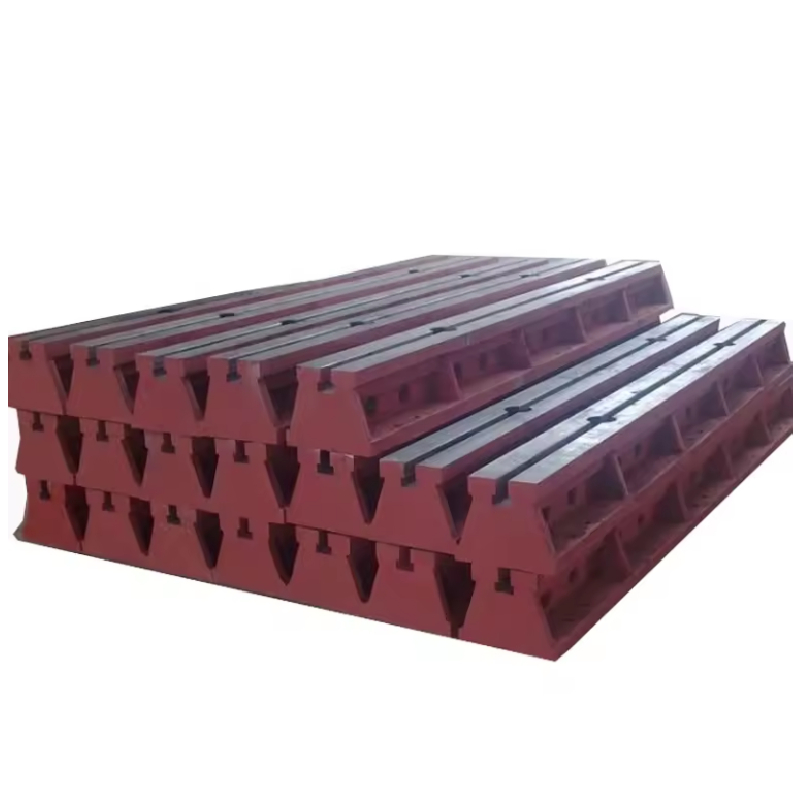
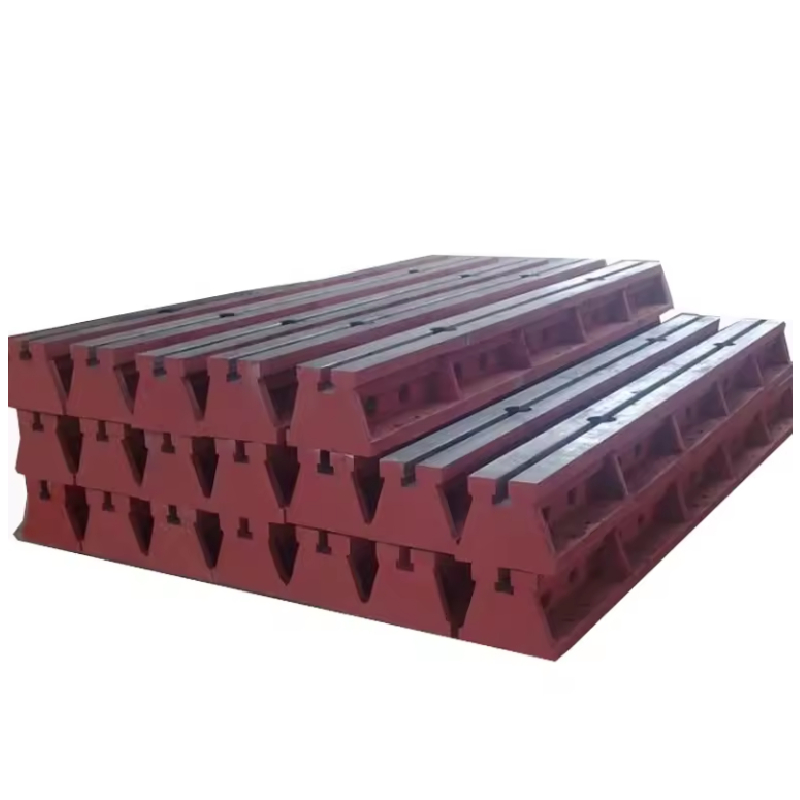
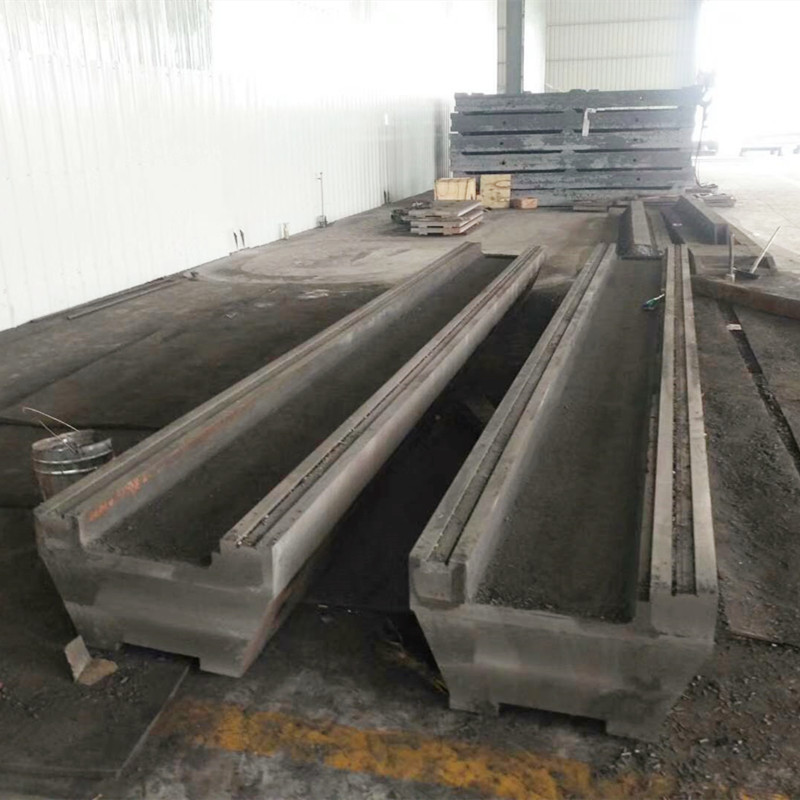
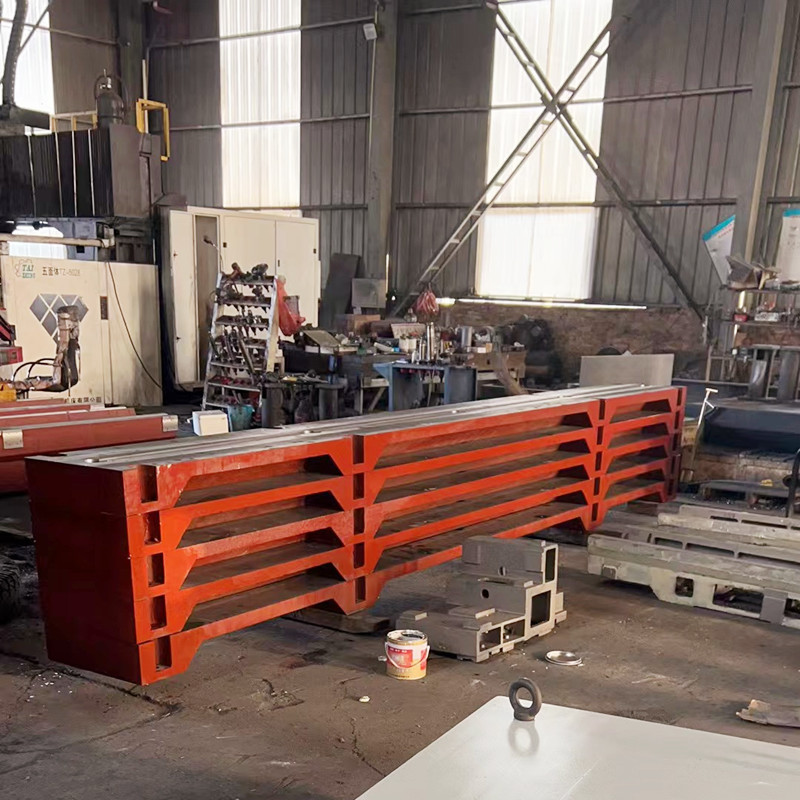
Cast iron T-groove ground rail products are also known as: ground rail, T-groove ground rail, ground beam, ground groove iron, foundation groove iron, single T-groove platform, cast iron ground rail.
The main purpose of cast iron T-groove ground rail is to design and assemble it into a cast beam platform based on the fixed points of the equipment. It is mainly used for the assembly, testing, welding, and inspection of large equipment.
Product Advantages
The material advantages of cast iron T-groove ground rails:
The advantages of cast iron T-groove ground rails: By using cast iron ground rails, it is not necessary to make them into large platforms, which saves material costs and occupies a small space, resulting in high cost-effectiveness.
The material of the cast iron T-groove ground rail is high-strength gray cast iron HT200-250, with a working surface hardness of HB170-240. The casting has undergone two rounds of artificial annealing at 600 ℃ -700 ℃ or natural aging for 2-3 years to completely remove internal stress, with stable accuracy and good wear resistance.
Resin Sand Casting: How Guide Rail Manufacturing Ensures Stability
Precision in linear guide rails starts with manufacturing excellence. Storaen uses advanced resin sand casting to engineer heavy duty linear guide rails that deliver unmatched stability for aerospace, automotive, and heavy industry applications. Here’s how our process ensures reliability and performance across all guide rail types:
1. Material Excellence: HT200-HT300 Cast Iron for Industrial Demands
Resin sand casting begins with selecting HT200-HT300 gray cast iron (160–240HB hardness), chosen for:
Balanced Strength: 200–300MPa tensile strength supports 5–50 tons of moving equipment, ideal for heavy duty linear guide rails.
Stress Resistance: Uniform grain structure reduces internal stress by 40% vs. green sand casting, minimizing warping in 10°C–40°C environments for consistent machine guide rails performance.
2. Precision Molding for Complex Geometries
Self-hardening resin sand enables intricate guide rail types with tight tolerances:
CNC-Pattern Accuracy: T-slot dimensions (14–36mm width, 8–20mm depth) achieved with ±0.1mm precision for seamless integration with automation systems.
Core Stability: Internal cores maintain 0.05mm/m straightness, preventing defects and ensuring Class 2–3 flatness (≤0.02mm/m for 2000mm rails)—critical for precision alignment.
3. Heat Treatment for Durability & Stability
A 3-step process enhances rail performance:
Stress Relieving (550°C/4h): Eliminates 90% of casting stress to prevent deformation during machining/transport.
Normalizing: Refines grain structure for 2x longer wear resistance in high-cycle applications (10,000+ load cycles).
Surface Grinding: Finishes to Ra ≤1.6μm for smooth motion and minimal friction in automated systems.
4. Customizable Sizing & Load Capacity
Storaen adapts to all guide rail size and load needs:
Standard Range: 1500–4000mm length, 200–500mm width for common use; custom sizes up to 6000mm for oversized machinery.
Reinforced Design: Web structures increase load capacity by 30% (up to 80 tons/m) without added weight, ideal for aerospace assembly requiring precision and mobility.
5. Storaen’s Casting Advantage
Versatility: Produces all guide rail types—from lightweight precision rails to rugged heavy-duty models—with equal accuracy.
Quality Assurance: 3D laser scanning/CMM testing ensures compliance with GB/T 1958-2017/ISO 1101, backed by a 1-year warranty against dimensional drift.
Efficiency: 500PCS/day capacity delivers standard rails in 7 days, custom solutions in 4–6 weeks—balancing speed and stability.
Stability in linear guide rails is engineered, not accidental. Storaen’s resin sand casting combines premium materials, precision molding, and rigorous heat treatment to deliver heavy duty linear guide rails and machine guide rails that meet the toughest industrial demands. Explore our guide rail types today and experience the difference advanced manufacturing makes in equipment performance and longevity.
How Guide Rails Replace Cast Iron Surface Plates for Cost Savings
Traditional cast iron surface plates dominate industrial assembly and inspection, but their bulk, fixed sizing, and high maintenance costs challenge modern manufacturing efficiency. Storaen introduces linear guide rails as a cost-effective alternative, delivering precision, flexibility, and up to 30% total cost savings compared to conventional plates. Here’s how our guide rail types redefine industrial workholding:
1. Space-Saving Design: 50% Footprint Reduction
Cast iron plates (e.g., 2000x1500mm) require extensive floor space and heavy foundations, but Storaen’s heavy-duty linear guide rails offer modular, streamlined solutions:
Vertical & Horizontal Flexibility: Vertical guide rails (e.g., 1500mm height models) mount vertically on walls or stands, creating 3D assembly workspaces without sacrificing floor area—ideal for compact robotic cells or automated welding stations.
Customizable Lengths: Standard guide rail size ranges from 1000–4000mm, with seamless splicing for oversized applications (up to 6000mm), reducing material waste by 40% versus cutting-to-size cast iron plates.
2. Cost-Effective Precision Without Compromise
While cast iron plates achieve Class 2 flatness (≤0.02mm/m), Storaen’s ground-finish linear guide rails match this accuracy at 30% lower guide rail price:
Material Efficiency: HT200 cast iron construction (180HB hardness) uses 25% less material than solid surface plates while maintaining 50 tons/m load capacity, balancing rigidity and economy.
Reduced Maintenance: Anti-corrosion pickling oil finishes (5μm thickness) protect against coolant and humidity, extending service life by 2x compared to uncoated plates that require annual resurfacing (a $5,000+ cost for large plates).
3. Adaptability for Dynamic Workflows
Fixed cast iron plates struggle with changing production needs, but our guide rail types excel in versatility:
Modular T-Slot Design: 14–36mm wide slots (±0.1mm tolerance) accept quick-release clamps, robotic arms, or measurement tools, enabling 5-minute fixture reconfiguration versus 2+ hours for plate-based setups.
Heavy Duty Performance: Reinforced heavy duty linear guide rails (80 tons/m load capacity) support large equipment like stamping press components or aerospace fuselage sections, replacing multi-plate assemblies with single rail systems that simplify alignment.
4. Storaen’s Value Proposition: More Than Just Cost Savings
Rapid Deployment: Pre-machined rails ship ready for installation, cutting setup time by 60% compared to leveling and anchoring cast iron plates.
Custom Solutions: Need anti-magnetic coatings for electronics assembly or oversized guide rail size for wind turbine manufacturing? Our OEM team delivers tailored machine guide rails in 4–6 weeks, with no minimum order surcharges.
Quality Assurance: Every rail meets GB/T 1958-2017 geometric tolerances and includes a 1-year warranty—eliminating the risk of investing in underperforming budget alternatives.
5. Applications Where Cost Savings Meet Performance
Automotive Assembly: Replace 3m² cast iron plates with two 2000mm heavy-duty linear guide rails, saving $10,000 in upfront costs and 20% floor space for engine block alignment.
Aerospace Tooling: Lightweight linear guide rails (30% lighter than equivalent plates) reduce crane load requirements during wing component inspection, lowering operational energy costs.
General Machining: Portable guide rail types (50–100kg weight) eliminate the need for permanent plate installations, ideal for job shops with frequent equipment reconfiguration.
Don’t let outdated cast iron plates drain your budget and floor space. Storaen’s linear guide rails deliver the precision you need at a fraction of the cost, with modularity to future-proof your operations. From heavy duty linear guide rails for industrial giants to customizable guide rail types for niche applications, we’re redefining value in workholding solutions. Explore our competitive guide rail price options today and start saving without sacrificing performance.
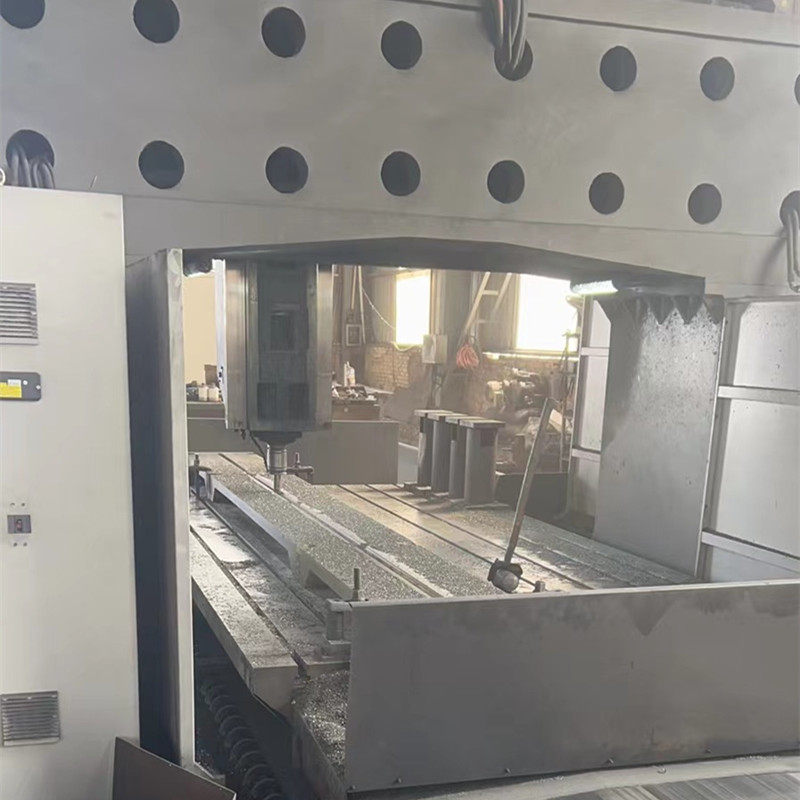
Product Detail Drawing
-
-
 图片文字描述1
 -
-
Product Parameter
Specification and model (length x width x height) (unit: mm)
1500 x 150 x 150 1500 x 200 x 150 1500 x 250 x 300 1500 x 300 x 400
2000 x 200 x 300 2000 x 250 x 300 2000 x 300 x 350 2000 x 350 x 350
2500 x 200 x 300 2500 x 250 x 300 2500 x 300 x 350 2500 x 300 x 400
2750 x 200 x 300 2750 x 250 x 300 2750 x 300 x 350 2750 x 300 x 400
3000 * 300 * 300 3000 * 300 * 350 3000 * 300 * 400 3000 * 320 * 400
3200 * 300 * 300 3200 * 300 * 350 3200 * 300 * 400 3200 * 320 * 400
3500 * 300 * 300 3500 * 300 * 350 3500 * 300 * 400 3500 * 320 * 400
4000 x 300 x 300 4000 x 300 x 350 3500 x 300 x 400 4000 x 320 x 400
4500 x 300 x 350 4500 x 300 x 400 4500 x 320 x 400 4500 x 350 x 400
5000 x 300 x 400 5000 x 350 x 400 5000 x 400 x 450
Technical Specification of Cast Iron T-Slot Floor Guide Rail:
|
Material |
HT200-300 |
|
Specification |
1500-4000mm in length or customize |
|
Surface |
T-slots |
|
Hardness of the working surface |
HB160-240 |
|
Surface treatment |
machining |
|
Foundry process |
resin sand casting |
|
Painting |
primer and face painting |
|
Surface coating |
pickling oil and plastic-lined or covered with anticorrosion paint |
|
Working temperature |
(20±5) ℃ |
|
Precision grade |
2-3 |
|
Packaging |
plywood box |
Related PRODUCTS