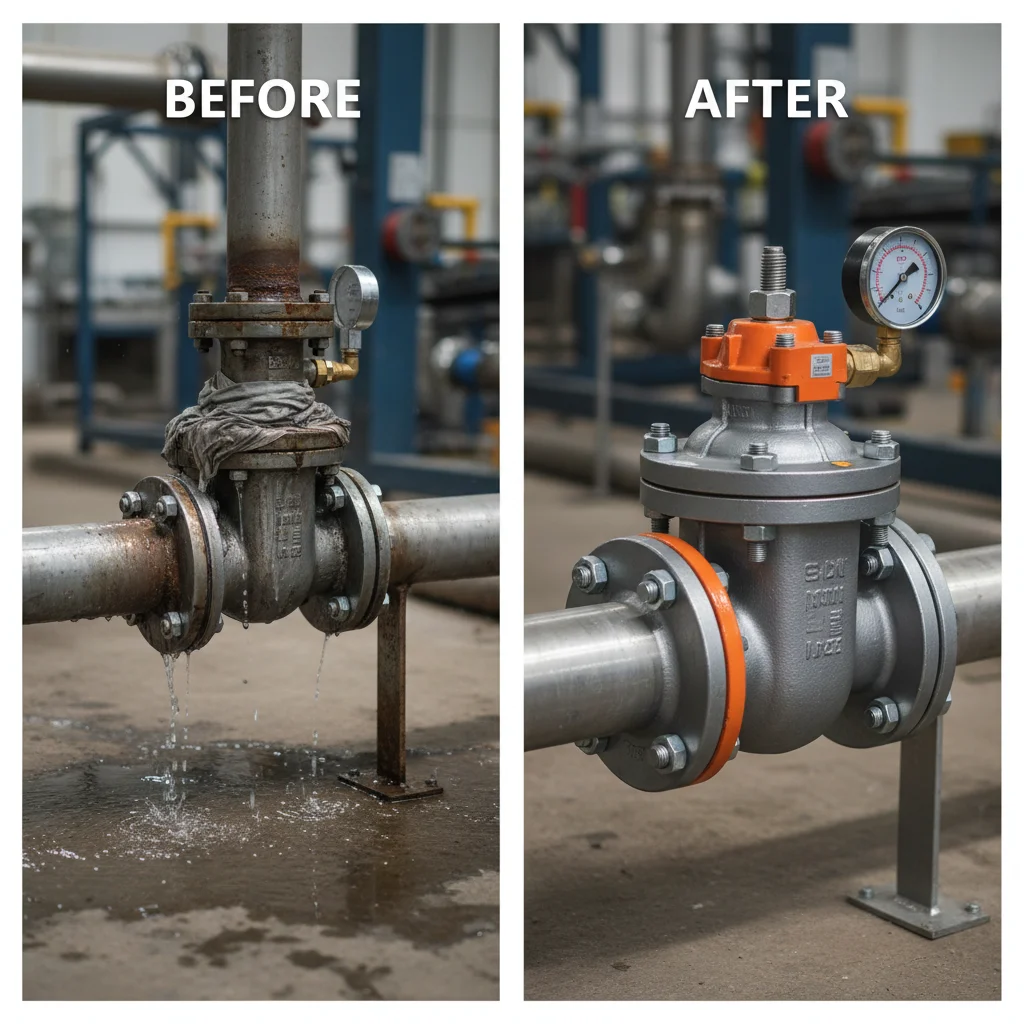
Water gate valves are fundamental components in fluid management systems globally, playing a critical role in controlling the flow of water across a diverse range of applications. From municipal water distribution networks to industrial processing plants and even residential plumbing, these valves ensure efficient and safe water delivery and control. Their robust design and reliable operation are essential for preventing water waste, maintaining water quality, and protecting infrastructure. Understanding the nuances of water gate valve technology is crucial for engineers, technicians, and anyone involved in water resource management.
The global demand for efficient water management is continuously increasing, driven by factors such as population growth, urbanization, and climate change. The World Bank estimates that water scarcity already affects over two billion people, and this number is projected to rise significantly in the coming decades. This necessitates the deployment of reliable and durable infrastructure, with water gate valve systems being a key element. Investing in high-quality water gate valve solutions is, therefore, not merely a matter of operational efficiency but a critical step towards ensuring sustainable water access for future generations.
Modern water gate valve designs have evolved significantly, incorporating advanced materials and manufacturing techniques to enhance performance, longevity, and ease of maintenance. Furthermore, advancements in automation and control systems are enabling more precise and efficient water flow regulation. This evolution of the water gate valve is directly linked to the broader industrial landscape and addresses a fundamental humanitarian need - providing access to clean and safe water resources.
Defining Water Gate Valve Technology
A water gate valve is a linear motion valve that controls water flow by raising or lowering a gate or wedge within the valve body. Unlike other valve types like globe or ball valves, gate valves are primarily designed for on/off service and are not well-suited for throttling flow. This is because partial opening can cause erosion of the gate and seat, leading to premature failure. Their simplicity and robust construction make them a preferred choice in applications where a reliable shut-off is paramount.
The fundamental principle behind a water gate valve’s operation is to create a full, unobstructed pathway when fully open, minimizing pressure drop and maximizing flow efficiency. This characteristic is particularly important in large-diameter pipelines where even small pressure losses can significantly impact system performance. They are inextricably linked to modern industry and the fundamental provision of potable water, wastewater treatment, and industrial process control.
Global Relevance and Industry Context
Water gate valves are integral to a wide array of critical infrastructure systems worldwide. According to the ISO standards for valve manufacturing, stringent quality control and testing procedures are essential to ensure the longevity and reliability of these components. Municipal water distribution networks rely heavily on water gate valve systems for controlling flow, isolating sections for maintenance, and preventing contamination. These valves are also commonly found in irrigation systems, hydroelectric power plants, and industrial facilities involved in water-intensive processes.
The global market for water and wastewater treatment technologies is estimated to be worth hundreds of billions of dollars, and water gate valves represent a significant portion of this market. Increasing urbanization and industrialization, coupled with growing concerns about water scarcity, are driving demand for more efficient and sustainable water management solutions. Furthermore, the need to rehabilitate aging infrastructure in developed countries contributes to the ongoing demand for water gate valve replacements and upgrades.
A critical challenge addressed by properly specified and maintained water gate valve systems is the reduction of non-revenue water (NRW) – the difference between the water produced and the water billed to customers. NRW is a major problem globally, costing water utilities billions of dollars annually. Effective leak detection and isolation, facilitated by reliable water gate valves, are essential for minimizing NRW and ensuring the financial sustainability of water utilities.
Understanding the Core Components of a Water Gate Valve
A typical water gate valve consists of several key components working in unison. The valve body, usually constructed from cast iron, ductile iron, or stainless steel, provides the structural framework and contains the internal flow path. The gate itself, often made of cast iron, bronze, or stainless steel, is the component that directly controls the flow of water. The stem, typically made of stainless steel, connects the gate to the handwheel or actuator, allowing for manual or automated operation.
The seat, which provides a sealing surface for the gate, is another critical component. Seats are commonly made of resilient materials like EPDM or nitrile rubber to ensure a tight seal. The packing gland, surrounding the stem, prevents leakage around the stem. Finally, the bonnet, bolted to the valve body, encloses the stem and packing gland. The careful selection and quality of each of these components are vital to the overall performance and reliability of the water gate valve.
Furthermore, the operating mechanism - whether a handwheel, gear operator, or actuator - influences the ease of operation and the ability to integrate the valve into automated control systems. Modern water gate valve designs often incorporate features like non-rising stems, which prevent accidental damage to the stem during operation, and double-disc gates, which provide a more reliable seal.
Key Performance Indicators for Water Gate Valves
Evaluating the performance of water gate valves requires considering several key indicators. Durability, assessed through materials selection and corrosion resistance testing, is paramount for long-term reliability. Scalability refers to the valve's ability to handle varying flow rates and pressures without compromising performance. Cost efficiency is a crucial factor, encompassing both the initial purchase price and the long-term maintenance costs.
Sealing capability, measured by leak rate testing, is essential for preventing water loss and maintaining water quality. Operational torque, the force required to open or close the valve, impacts ease of operation and the size of the actuator required. And finally, compliance with relevant industry standards (such as AWWA or ISO) ensures that the valve meets established performance and safety requirements.
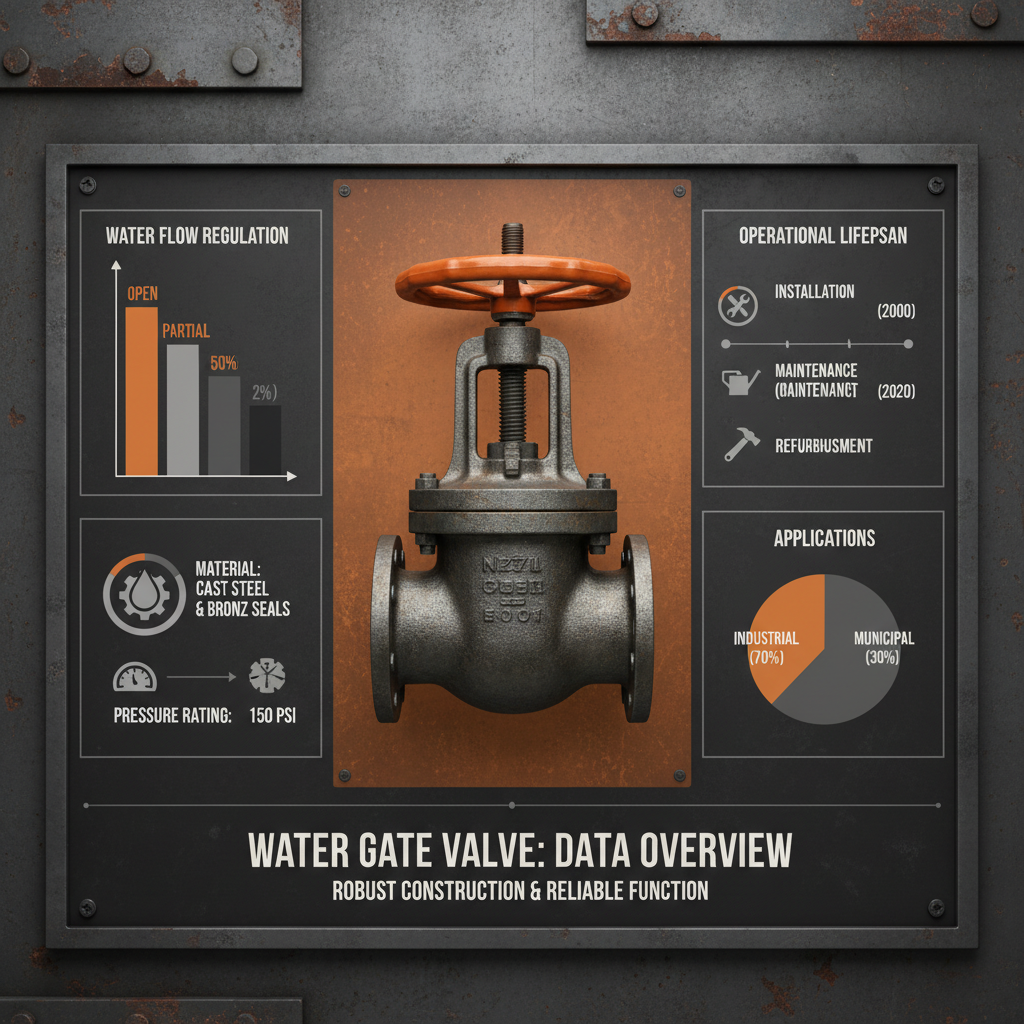
Water Gate Valve Performance Metrics
Real-World Applications of Water Gate Valves
Water gate valves are ubiquitous in municipal water distribution systems, where they are used to isolate sections of the network for maintenance, repair, or emergency shutdowns. In large-diameter pipelines, they control water flow to reservoirs, treatment plants, and distribution centers. They are also crucial components in fire protection systems, providing a reliable shut-off in the event of a fire.
Within industrial settings, water gate valves find application in cooling water systems, process water lines, and wastewater treatment facilities. They are utilized in power plants to control water flow to turbines and condensers, and in chemical processing plants to regulate the flow of various fluids. Furthermore, in remote industrial zones and areas with limited access, their durability and low maintenance requirements make them an ideal choice.
Long-Term Benefits and Value Proposition
Investing in high-quality water gate valve systems delivers tangible benefits, including reduced water loss, minimized maintenance costs, and improved system reliability. The robust construction and durable materials ensure a long service life, minimizing the need for frequent replacements. The ease of operation and maintenance reduces labor costs and downtime.
Beyond the economic advantages, water gate valves contribute to sustainability by conserving water resources and reducing energy consumption associated with water pumping and treatment. They also enhance public safety by preventing water contamination and ensuring the reliable delivery of potable water. These benefits translate to a long-term value proposition that extends far beyond the initial investment.
Future Trends and Innovations in Water Gate Valve Technology
The future of water gate valve technology is likely to be shaped by several key trends. The integration of smart sensors and IoT (Internet of Things) connectivity will enable remote monitoring of valve performance, predictive maintenance, and automated control. Advancements in materials science are leading to the development of more corrosion-resistant and lightweight valve bodies.
The adoption of digital twin technology, creating virtual replicas of physical valve systems, will facilitate optimized operation and proactive maintenance. Furthermore, the growing emphasis on sustainability is driving the development of eco-friendly valve designs and manufacturing processes. Automation technologies, like electric actuators, are also gaining traction for remote and precise control of water flow.
These innovations will not only enhance the performance and efficiency of water gate valve systems but also contribute to the broader goals of water conservation and sustainable resource management. The convergence of these technologies promises a future where water infrastructure is more resilient, efficient, and responsive to changing needs.
FAQS
Water gate valves are typically constructed from materials like cast iron, ductile iron, stainless steel, and bronze. The body of the valve is often made from cast or ductile iron for strength and cost-effectiveness. The gate itself can be made of bronze, stainless steel, or cast iron. Seals and packing materials are commonly EPDM or nitrile rubber, selected for their resistance to water and chemicals. The choice of materials depends on the specific application and the water quality.
Water gate valves should be inspected at least annually, and more frequently in harsh environments or critical applications. Inspections should include checking for leaks, corrosion, and smooth operation of the stem and gate. Regular maintenance, such as lubrication of the stem and replacement of packing, is essential to prevent failures. A preventative maintenance program can significantly extend the lifespan of the valve.
Resilient wedge gate valves utilize a wedge-shaped gate covered with a flexible elastomer, like EPDM. This provides a superior seal compared to solid wedge valves, minimizing leakage and improving water quality. They are also less susceptible to debris buildup and offer better corrosion resistance, making them ideal for potable water applications. The resilient wedge design reduces wear and tear, prolonging the valve's lifespan.
In a rising stem gate valve, the stem rises and falls visibly with the operation of the valve, indicating the valve’s position. Non-rising stem valves have a stem that remains in a fixed position, and the gate is moved via a threaded connection. Rising stem valves are generally easier to visually monitor, while non-rising stem valves are more compact and less prone to stem damage. Both types have their applications depending on specific operational needs.
Selecting the correct size water gate valve involves considering the pipe diameter, flow rate, and pressure drop requirements. The valve’s diameter must match the pipe size to avoid flow restrictions. Calculate the required flow rate and use hydraulic calculations to determine the appropriate valve size that minimizes pressure loss. Consulting with a qualified engineer is recommended for complex systems or critical applications.
Several signs indicate the need for water gate valve replacement. These include persistent leakage around the stem or seat, difficulty in opening or closing the valve, visible corrosion or damage to the valve body or gate, and increased operational torque. Ignoring these signs can lead to system failures and costly repairs. Regular inspections can help identify these issues early on.
Conclusion
Water gate valves stand as essential components of modern water infrastructure, providing reliable flow control and ensuring the efficient delivery of this vital resource. Understanding their design, operation, and application is critical for engineers, technicians, and water resource managers alike. As we’ve explored, advancements in materials, automation, and digital technologies are continuously enhancing the performance, sustainability, and longevity of these valves.
Looking ahead, the integration of smart technologies and a continued focus on sustainability will be paramount. Investing in high-quality water gate valve systems and implementing proactive maintenance programs are essential for safeguarding water resources and ensuring the resilience of water infrastructure in the face of growing global challenges. For further information and to explore our range of water gate valve solutions, visit our website: www.strmachinerys.com.