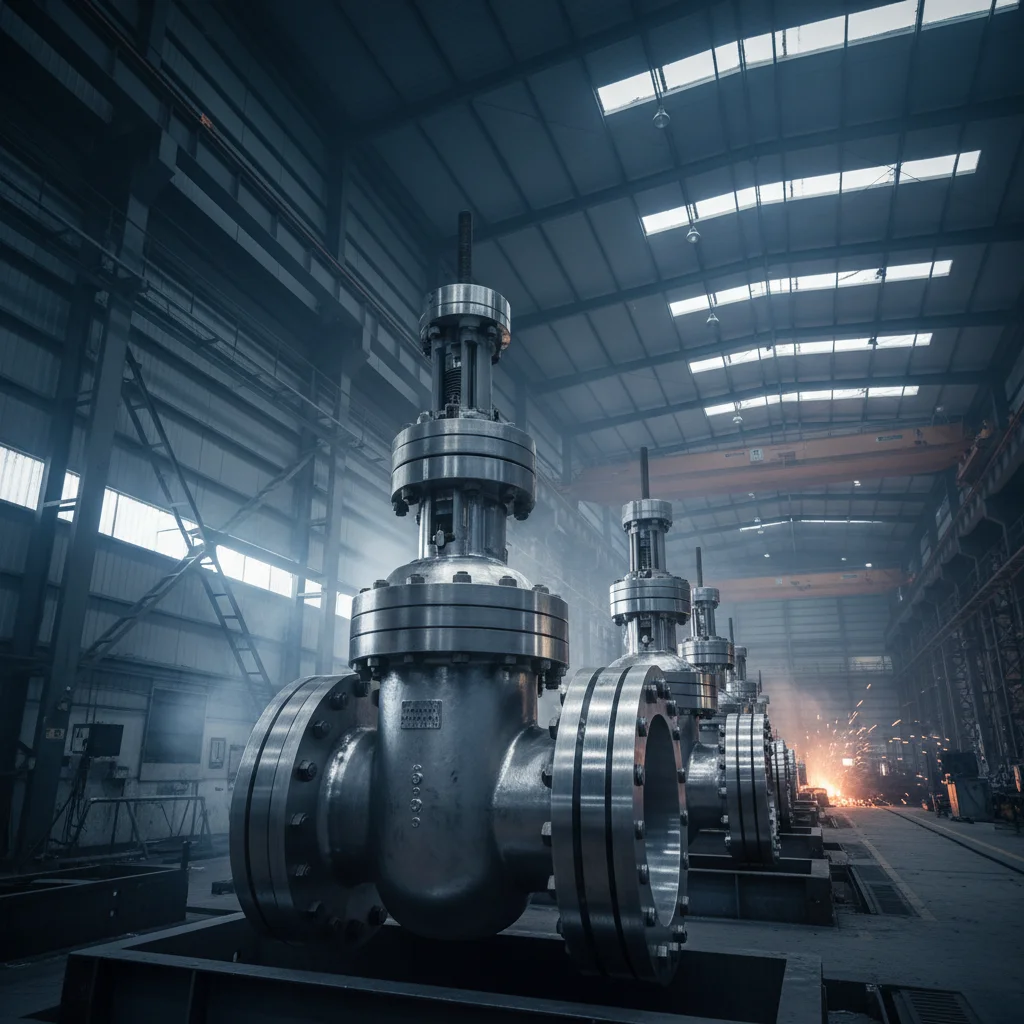
The reliable control of water flow is crucial across a diverse range of applications, from residential gardening to large-scale industrial processes and emergency response situations. A water hose shut off valve provides a simple yet effective solution for instantly stopping water flow, preventing damage, conserving resources, and ensuring safety. Understanding the features, applications, and benefits of these valves is vital for anyone involved in water management, emergency services, or industrial operations. This knowledge empowers informed decision-making and optimized system performance.
Globally, efficient water management is becoming increasingly critical due to factors like population growth, climate change, and industrial expansion. The demand for effective tools to control and conserve water is rising exponentially. Water hose shut off valve systems are integral to this effort, allowing for quick responses to leaks, breaks, or the need to isolate sections of a water network. From agricultural irrigation to firefighting, these valves play a pivotal role in preserving a vital resource.
The implementation of robust water control mechanisms is often a regulatory requirement, particularly in industries where water contamination poses a significant risk. Properly functioning valves contribute to compliance, environmental protection, and operational efficiency, making them an indispensable component of modern infrastructure and emergency preparedness protocols.
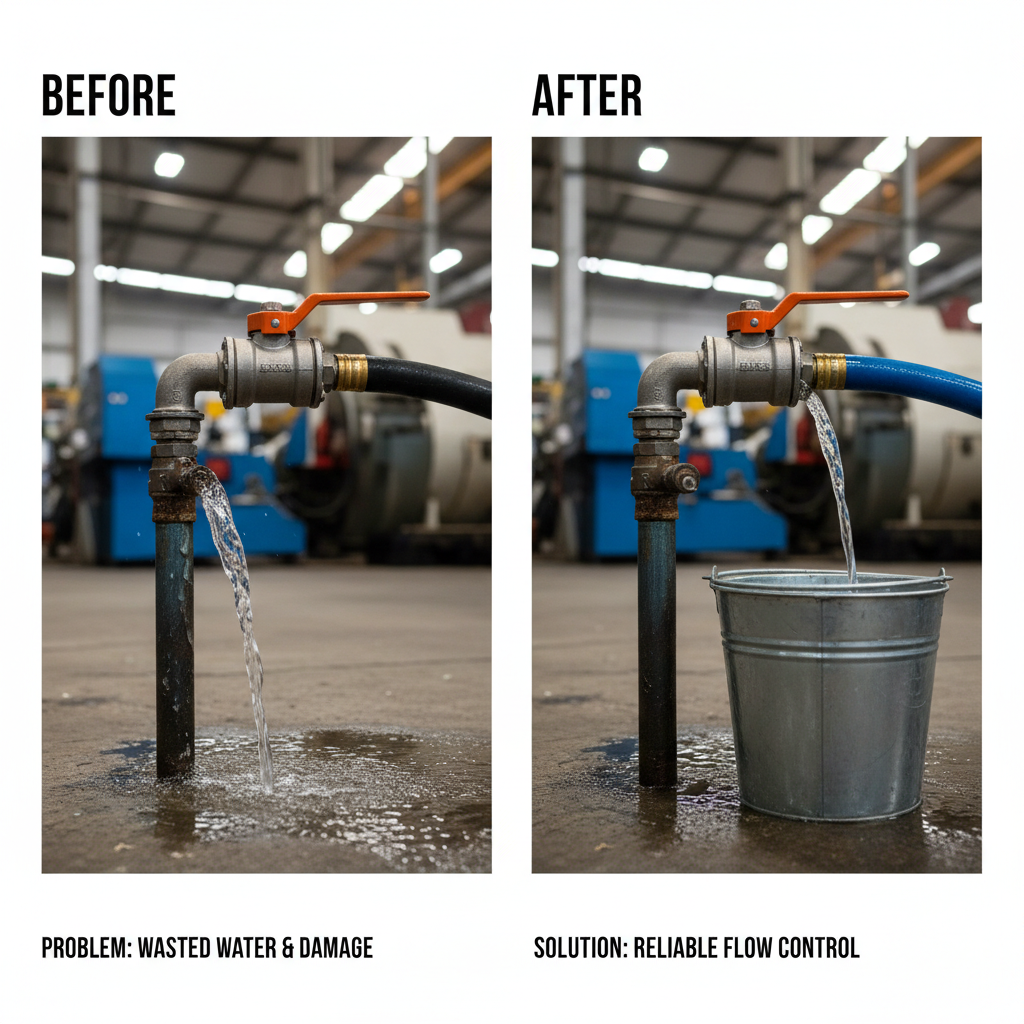
Defining Water Hose Shut Off Valves
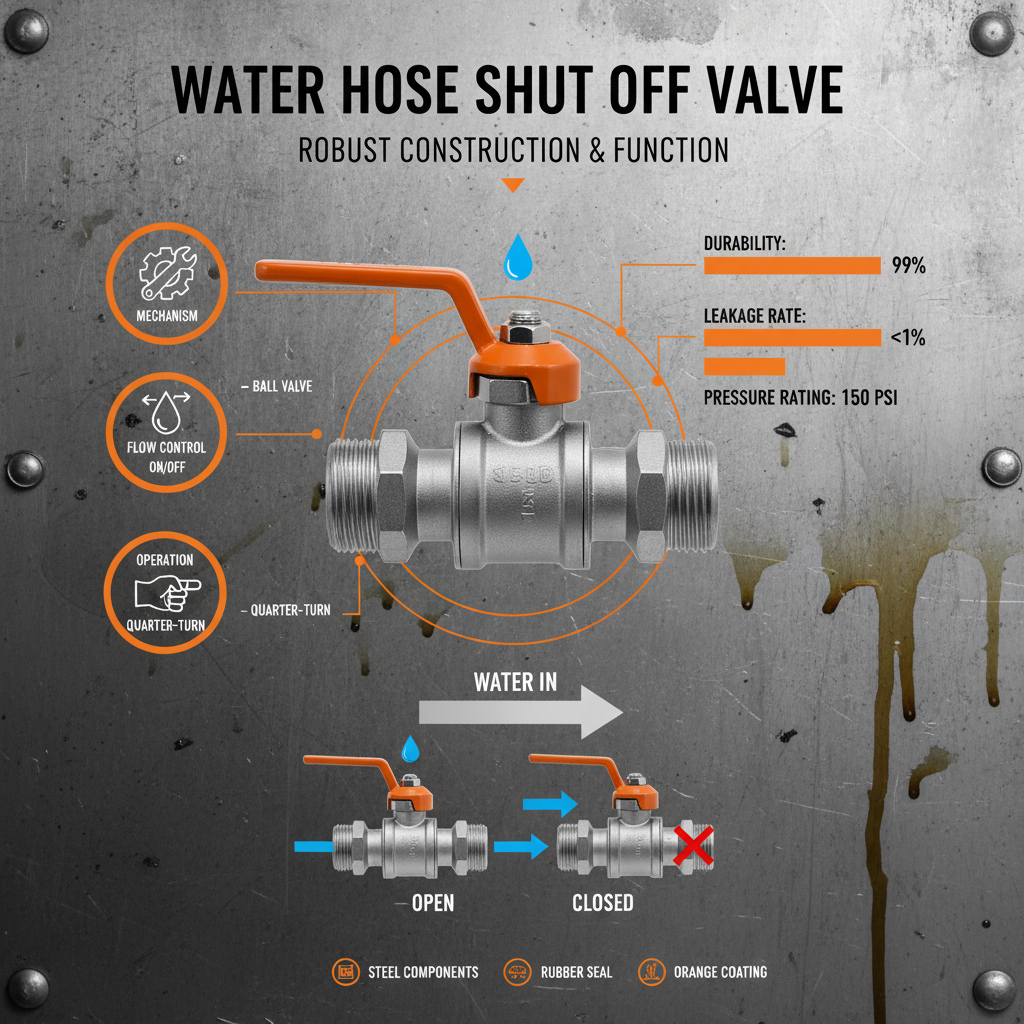
A water hose shut off valve is a mechanical device designed to quickly and reliably stop the flow of water through a hose. These valves typically operate using a simple lever, gate, or ball mechanism that obstructs the water passage when activated. They are essential for maintaining control and preventing water waste.
These valves connect directly to the water hose and can be activated manually, offering an immediate solution in situations where rapid water flow interruption is needed. Their importance extends beyond simple convenience; they are critical safety features in environments where uncontrolled water flow could lead to hazardous conditions or significant property damage.
Global Relevance and Challenges
Water scarcity is a growing global concern, affecting billions of people and impacting agriculture, industry, and public health. Efficient water management is therefore paramount. Water hose shut off valve systems, while seemingly small components, contribute significantly to this effort by minimizing water waste due to leaks, breaks, or accidental overfilling. The UN estimates that approximately one-third of the world’s population faces water stress, highlighting the urgency of improving water infrastructure and control.
However, challenges remain in implementing effective water control solutions. In many developing nations, aging infrastructure and limited resources hinder the adoption of modern valve technologies. Ensuring access to reliable and affordable valves, coupled with proper training on their use and maintenance, is crucial for achieving widespread impact. Furthermore, the increasing frequency of extreme weather events, such as floods and droughts, necessitates more robust and resilient valve systems.
The ISO standards for water quality and distribution place a strong emphasis on leak detection and prevention. Employing water hose shut off valve systems is a practical step towards meeting these standards, ensuring the safe and efficient delivery of potable water and minimizing environmental pollution.
Core Components and Functionality
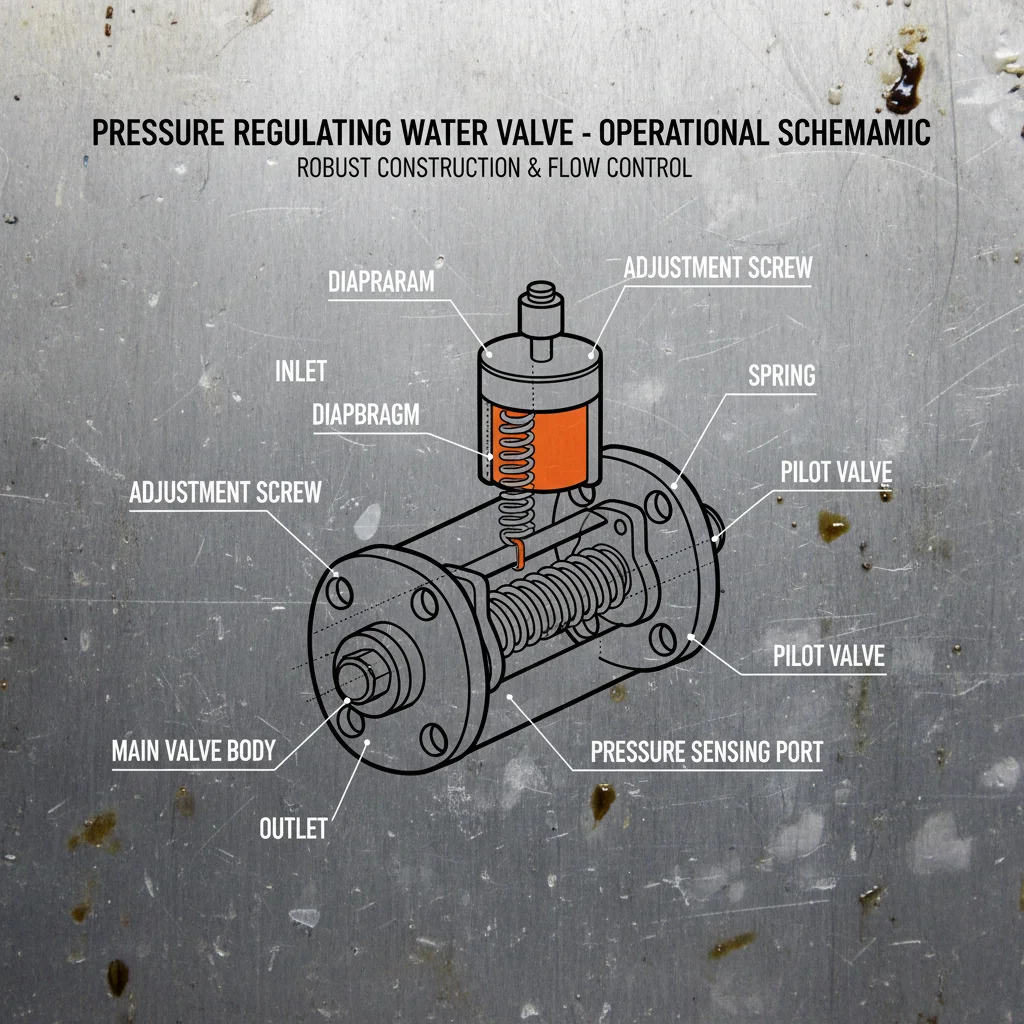
The fundamental components of a water hose shut off valve include the valve body, typically made from durable materials like brass, aluminum, or plastic; the internal mechanism (gate, ball, or lever); and the connection points for attaching to the water hose and water source. The quality of these components directly impacts the valve’s lifespan, reliability, and resistance to corrosion.
The functionality of these valves is straightforward. A simple activation mechanism—whether a lever, gate, or rotating ball— obstructs the flow of water within the valve body. This immediate interruption is vital in emergency situations, such as a burst hose or the need to quickly stop irrigation. The responsiveness and sealing capability of the internal mechanism are key performance indicators.
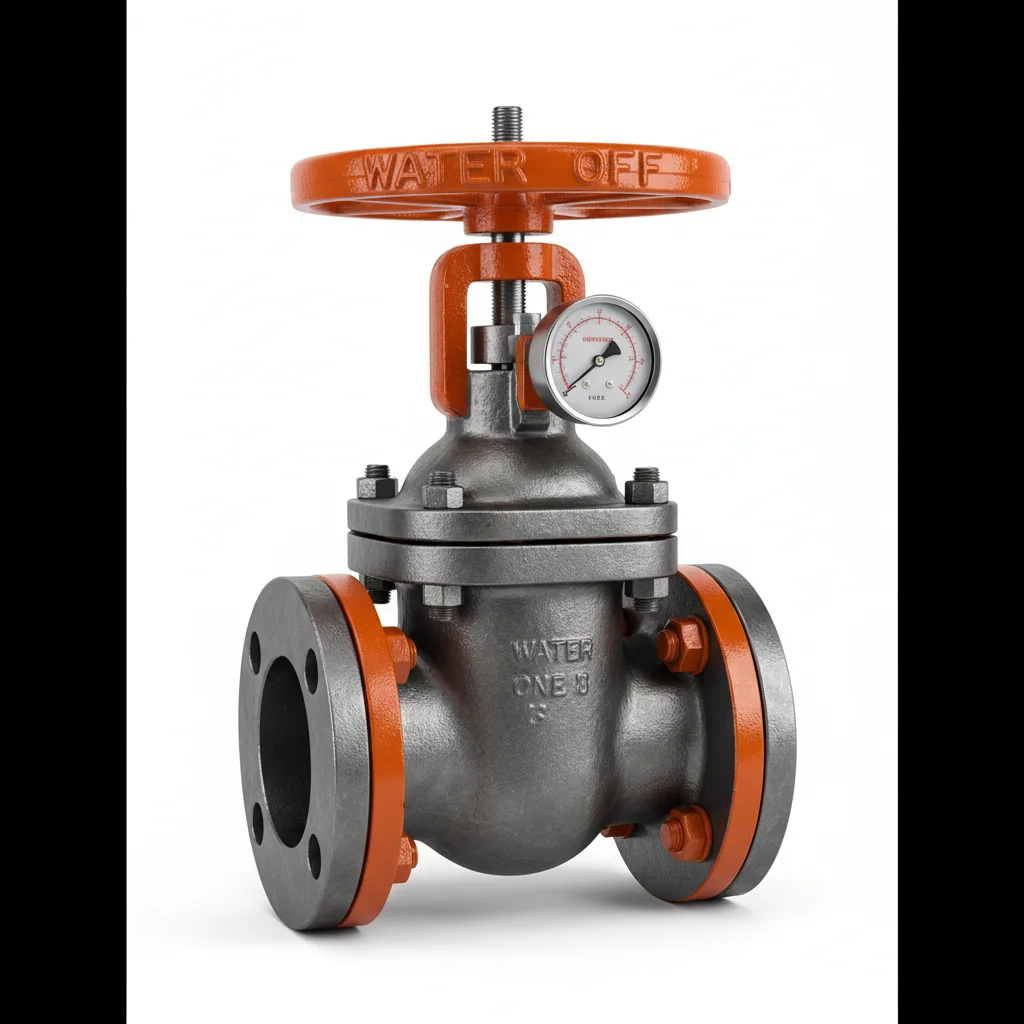
Different types of valves offer varying levels of control and sealing. Gate valves provide a simple on/off function, while ball valves offer quicker operation and a tighter seal. Lever valves are often preferred for their ease of use and rapid response time. Choosing the appropriate valve type depends on the specific application and required performance characteristics.
Key Performance Indicators
Evaluating the performance of a water hose shut off valve involves several key indicators. Durability, measured by the valve’s resistance to corrosion and wear, is crucial for long-term reliability. Flow rate capacity determines the maximum volume of water the valve can handle without significant pressure drop.
Sealing integrity, assessed by the valve's ability to completely stop water flow, is paramount for preventing leaks and conserving water. Response time, the speed at which the valve can be activated, is critical in emergency situations. Finally, ease of operation ensures that the valve can be quickly and reliably used by a wide range of individuals.
Water Hose Shut Off Valve Performance Metrics
Real-World Applications
Water hose shut off valve systems are deployed across a vast spectrum of industries and applications. In agriculture, they are critical for controlling irrigation systems, preventing water waste, and optimizing crop yields. Firefighting operations rely on these valves for quickly establishing and controlling water flow to extinguish fires.
Industrial facilities utilize them to manage water used in cooling systems, cleaning processes, and various manufacturing operations. In remote industrial zones, or areas with limited access to maintenance personnel, their reliability and ease of use are particularly valuable. In post-disaster relief operations, rapid deployment of these valves can help restore water access to affected communities.
Advantages and Long-Term Value
The advantages of implementing water hose shut off valve systems extend beyond immediate operational benefits. Cost savings through reduced water waste and minimized damage from leaks translate into long-term financial gains. Enhanced safety by preventing uncontrolled water flow safeguards personnel and property.
The increased reliability of water systems builds trust with customers and stakeholders. Environmentally, these valves contribute to sustainable water management practices, conserving a precious resource. The simplicity of installation and operation further enhances their value, making them accessible to a wide range of users.
Future Trends and Innovations
The future of water hose shut off valve technology is likely to be shaped by advancements in materials science, automation, and digital integration. Smart valves equipped with sensors and remote control capabilities will enable real-time monitoring and automated responses to leaks or system failures. The development of self-sealing valves that can automatically detect and stop leaks will further enhance efficiency and reliability.
Sustainable materials, such as biodegradable plastics and recycled metals, will become increasingly prevalent in valve manufacturing, aligning with growing environmental concerns. Integration with IoT (Internet of Things) platforms will allow for seamless data collection and analysis, optimizing water usage and predictive maintenance.
The pursuit of more energy-efficient valve designs and the exploration of alternative actuation methods, such as solar power, will contribute to a greener and more sustainable water management ecosystem.
Summary of Water Hose Shut Off Valve Selection Criteria
| Material Composition |
Activation Method |
Pressure Rating |
Sealing Performance |
| Brass Alloy |
Lever Operated |
150 PSI |
Excellent |
| Aluminum |
Gate Valve |
100 PSI |
Good |
| PVC Plastic |
Ball Valve |
80 PSI |
Very Good |
| Stainless Steel |
Lever Operated |
200 PSI |
Excellent |
| Nylon Composite |
Rotating Knob |
60 PSI |
Fair |
| Reinforced Polymer |
Push-Button |
90 PSI |
Good |
FAQS
Water hose shut off valves are typically made from materials like brass, aluminum, PVC plastic, stainless steel, and reinforced polymers. Each material offers different levels of durability, corrosion resistance, and pressure handling capabilities. Brass is renowned for its durability and resistance to corrosion, while PVC is a lightweight and cost-effective option suitable for lower-pressure applications. Stainless steel offers exceptional strength and corrosion resistance, making it ideal for harsh environments.
Regular inspection is crucial for maintaining the reliability of a water hose shut off valve. It's recommended to inspect the valve at least once a month, or more frequently in demanding applications. Look for signs of corrosion, leaks, or damage to the activation mechanism. Ensure the valve operates smoothly and completely shuts off water flow. Preventative maintenance can significantly extend the valve's lifespan and prevent costly repairs or failures.
The lifespan of a water hose shut off valve varies depending on the material, quality of construction, and operating conditions. High-quality brass or stainless steel valves can last for many years, even decades, with proper maintenance. PVC valves typically have a shorter lifespan, ranging from 5 to 10 years. Regular inspection and timely replacement of worn parts can maximize the valve’s service life.
Yes, there are several types of water hose shut off valves, including gate valves, ball valves, and lever valves. Gate valves provide a simple on/off function, while ball valves offer faster operation and a tighter seal. Lever valves are known for their ease of use and quick response time. The best type depends on the specific application and desired performance characteristics.
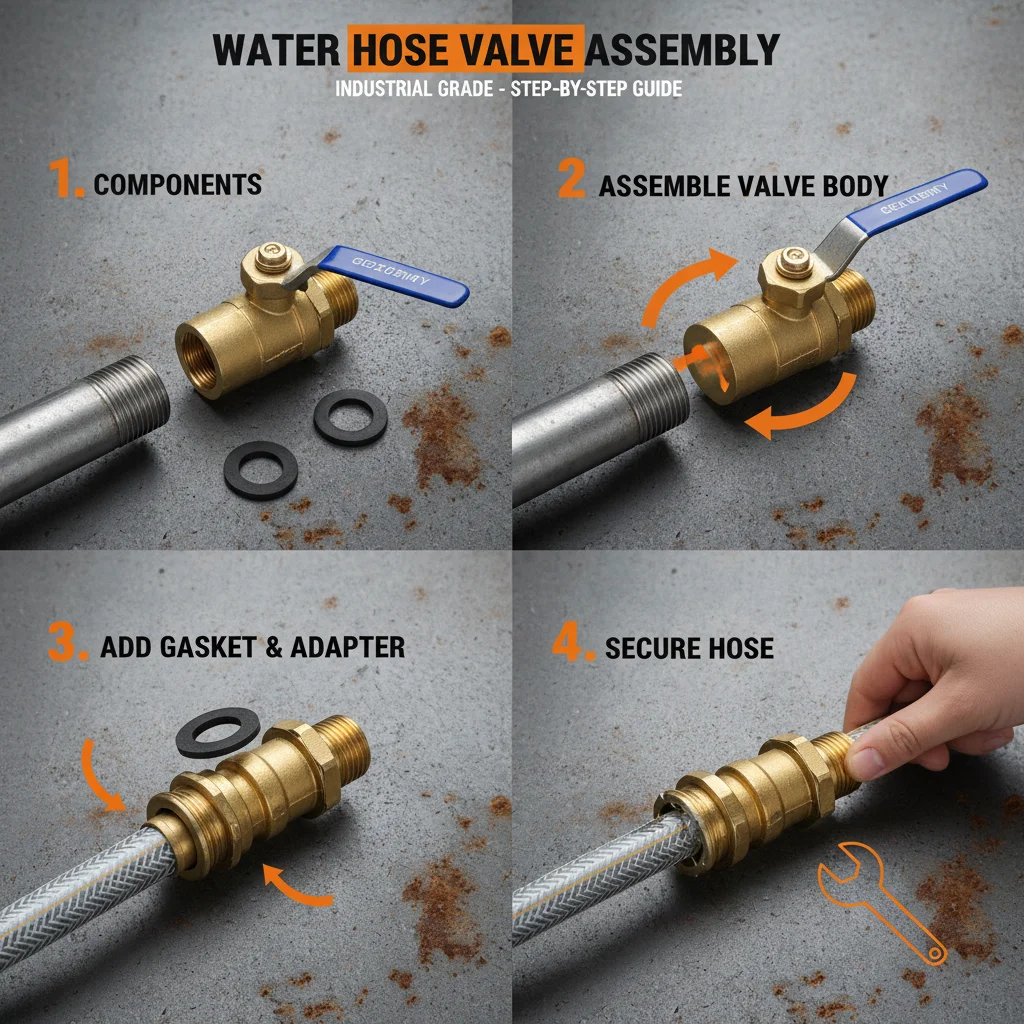
Proper installation is crucial for ensuring the valve functions correctly and prevents leaks. First, ensure the threads on the valve and hose are compatible. Apply Teflon tape to the threads to create a watertight seal. Tighten the connections securely, but avoid over-tightening, which can damage the threads. Test the valve by turning on the water and verifying that it shuts off completely and doesn’t leak.
Always ensure the water supply is turned off before attempting to install or repair a water hose shut off valve. Wear appropriate safety gear, such as gloves and eye protection. Avoid using excessive force when tightening connections. If you’re unsure about any aspect of the installation or repair process, consult a qualified plumber.
Conclusion
In conclusion, the water hose shut off valve is a deceptively simple yet critically important component in a wide array of applications. From ensuring water conservation and preventing damage to safeguarding lives and optimizing industrial processes, these valves offer a cost-effective and reliable solution for controlling water flow. Understanding their functionality, selecting the appropriate type for specific needs, and implementing regular maintenance are essential for maximizing their benefits.
Looking ahead, continued innovation in materials, automation, and digital integration will further enhance the performance and versatility of these valves. Embracing these advancements will be key to addressing the growing global challenges related to water management and sustainability. To learn more about our range of water hose shut off valves and find the perfect solution for your needs, visit our website today.