The efficient and reliable management of fluid systems is critical across a vast range of industries and applications worldwide. At the heart of many of these systems lies the unassuming yet vital component: the open water valve. These valves control the flow of water, ensuring processes run smoothly, safely, and effectively. Understanding their functionalities, applications, and advancements is increasingly crucial in a world facing water scarcity and growing industrial demands.
Globally, water infrastructure is aging, and the demand for water is steadily increasing. The ability to precisely control and distribute this precious resource is paramount. Open water valve technology directly addresses these challenges, offering solutions from municipal water distribution to large-scale irrigation and industrial cooling. Investment in robust and efficient valve systems is no longer just a matter of operational efficiency, but a critical component of sustainable resource management.
From supplying clean water to communities to facilitating critical industrial processes, the open water valve stands as a cornerstone of modern civilization. Its widespread application underscores its importance, making a thorough understanding of this technology essential for engineers, technicians, policymakers, and anyone involved in water resource management. The future of efficient water handling relies heavily on the continued innovation and improvement of these crucial devices.
Introduction: Global or Industry Context
The United Nations estimates that over two billion people globally lack access to safely managed drinking water services. This statistic underscores the critical importance of efficient water distribution systems, and open water valves play a fundamental role in achieving this goal. From urban centers to rural communities, reliable water control is essential for public health and economic development.
The industrial sector is another major consumer of water, utilizing it for cooling, processing, and cleaning. The International Energy Agency (IEA) reports that water stress can significantly impact energy production, particularly in thermoelectric power plants. Precisely controlled water flow, facilitated by robust open water valve solutions, is crucial for maintaining continuous industrial operations.
The ISO standards organization recognizes the importance of valve quality and performance, with numerous standards addressing materials, testing, and design. Adherence to these standards ensures safety, reliability, and longevity, minimizing water loss and maximizing system efficiency. The demand for high-performance open water valves is therefore driven by global sustainability goals and industry best practices.
Definition & Meaning
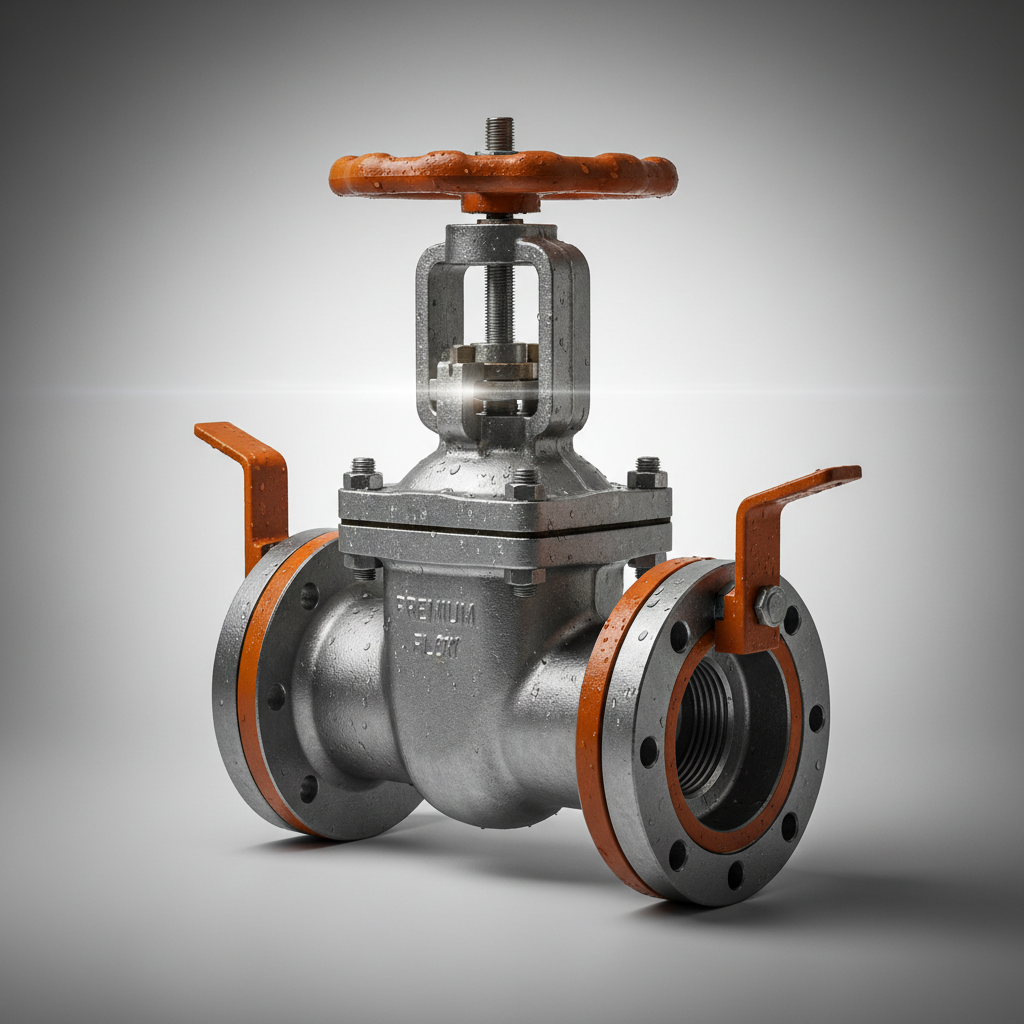
An open water valve is a mechanical device designed to control the flow of water through a pipe or passage. Unlike many valve types, an open water valve, in its simplest form, is designed to be in an open position by default, allowing continuous flow unless actively closed. This is a key differentiator from valves that require energy to remain open, making them suitable for gravity-fed systems and minimizing operational costs.
In the context of modern industry, open water valves serve as crucial control points within complex water management systems. They’re used in irrigation networks, water treatment plants, and industrial cooling circuits to regulate flow rates, maintain pressure, and isolate sections for maintenance. Their simplicity and reliability make them a preferred choice for many applications.
More broadly, the concept reflects the humanitarian need for readily accessible and controllable water resources. In emergency situations and disaster relief, the ability to quickly establish and regulate water flow is paramount. Simple, robust open water valve solutions can be rapidly deployed to provide safe drinking water to affected populations.
Key Factors or Core Components
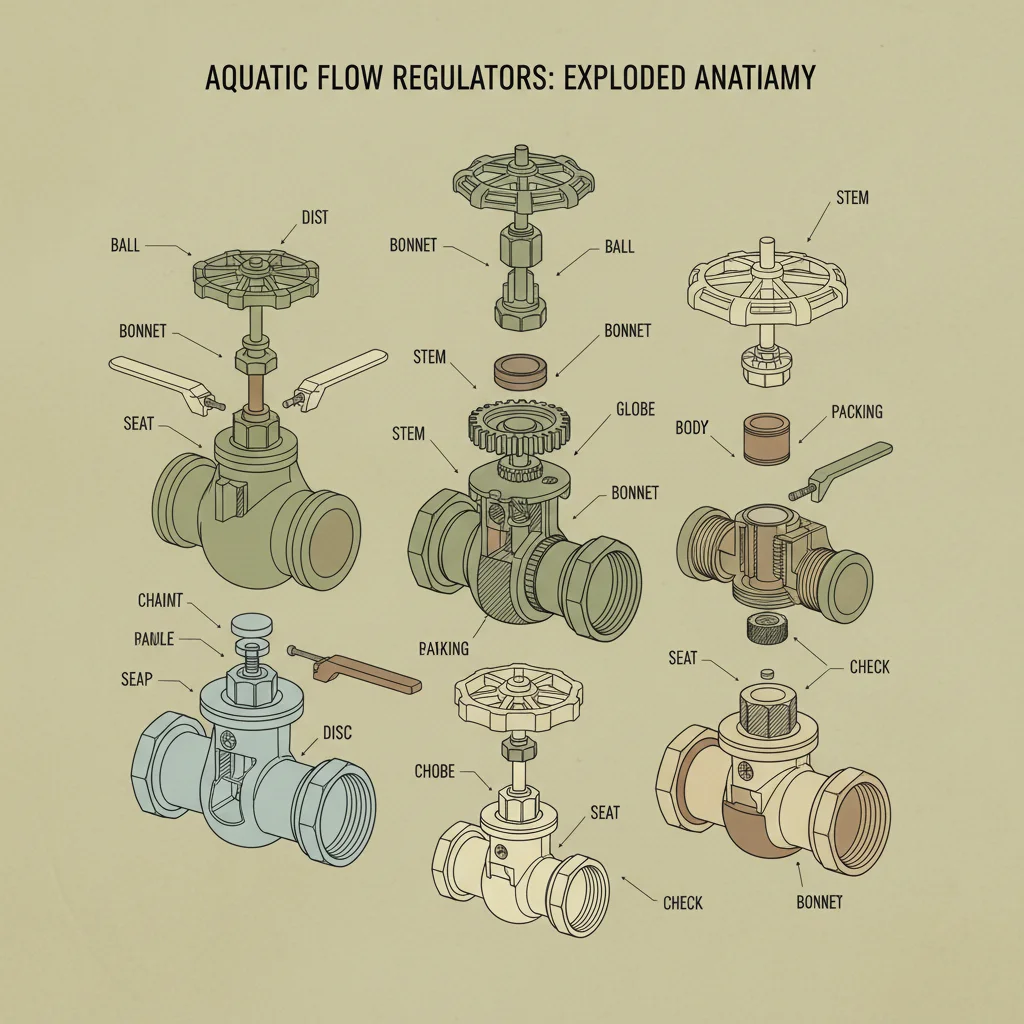
Durability: Open water valves are often exposed to harsh environmental conditions and corrosive fluids. The materials used in their construction – typically brass, stainless steel, or specialized polymers – must resist corrosion, erosion, and mechanical stress to ensure long-term reliability and minimal maintenance.
Flow Capacity: The diameter of the valve opening and the design of the internal flow path directly impact the volume of water that can pass through the valve. Selecting the appropriate valve size is critical to avoid pressure drops and ensure adequate flow rates for the intended application.
Sealing Performance: While designed for open flow, open water valves must also provide a tight seal when closed to prevent leaks and maintain system pressure. The quality of the sealing materials and the precision of the valve’s internal components are crucial for effective shut-off.
Pressure Rating: The valve must be able to withstand the maximum pressure expected in the system. Exceeding the pressure rating can lead to valve failure and potentially dangerous consequences.
Ease of Operation: Open water valves should be easy to open and close, even in remote or difficult-to-access locations. This can be achieved through ergonomic designs, lever handles, or automated control systems.
Material Compatibility: The valve's materials must be compatible with the specific water chemistry and any additives present in the system. Incompatible materials can lead to corrosion, contamination, and reduced valve lifespan.
Global Applications & Use Cases
In municipal water distribution systems, open water valves are used to control flow to different zones, isolate sections for repair, and maintain adequate water pressure throughout the network. They are essential for ensuring reliable water supply to homes and businesses. Many large cities in Europe and North America are undertaking infrastructure upgrades that include replacing aging valve systems.
Agricultural irrigation relies heavily on open water valves to distribute water efficiently to crops. Drip irrigation systems, in particular, use numerous small valves to precisely control water flow to individual plants, maximizing yields and minimizing water waste. This is increasingly important in arid and semi-arid regions like the Middle East and parts of Africa.
In post-disaster relief operations, rapid deployment of open water valves is crucial for establishing temporary water supply networks. Lightweight, durable valves can be quickly connected to existing infrastructure or used to create new water sources, providing access to clean water for affected communities. Organizations like the Red Cross and Doctors Without Borders utilize these solutions in emergency response efforts globally.
Comparative Analysis of open water valve Types
Advantages & Long-Term Value
The adoption of high-quality open water valves translates directly into cost savings through reduced water loss, minimized maintenance, and extended system lifespan. Preventing leaks and ensuring efficient water delivery significantly lowers operational expenses for municipalities and industrial facilities.
From a sustainability perspective, effective water management is paramount. Open water valves contribute to this goal by optimizing water usage, reducing waste, and conserving a vital natural resource. This aligns with growing global commitments to environmental stewardship and responsible resource management.
Beyond the tangible benefits, there's a social impact. Reliable access to clean water is a fundamental human right. Investing in robust water infrastructure, including quality valves, fosters public health, improves quality of life, and promotes community well-being. The sense of security and dignity that comes with consistent water access is invaluable.
Future Trends & Innovations
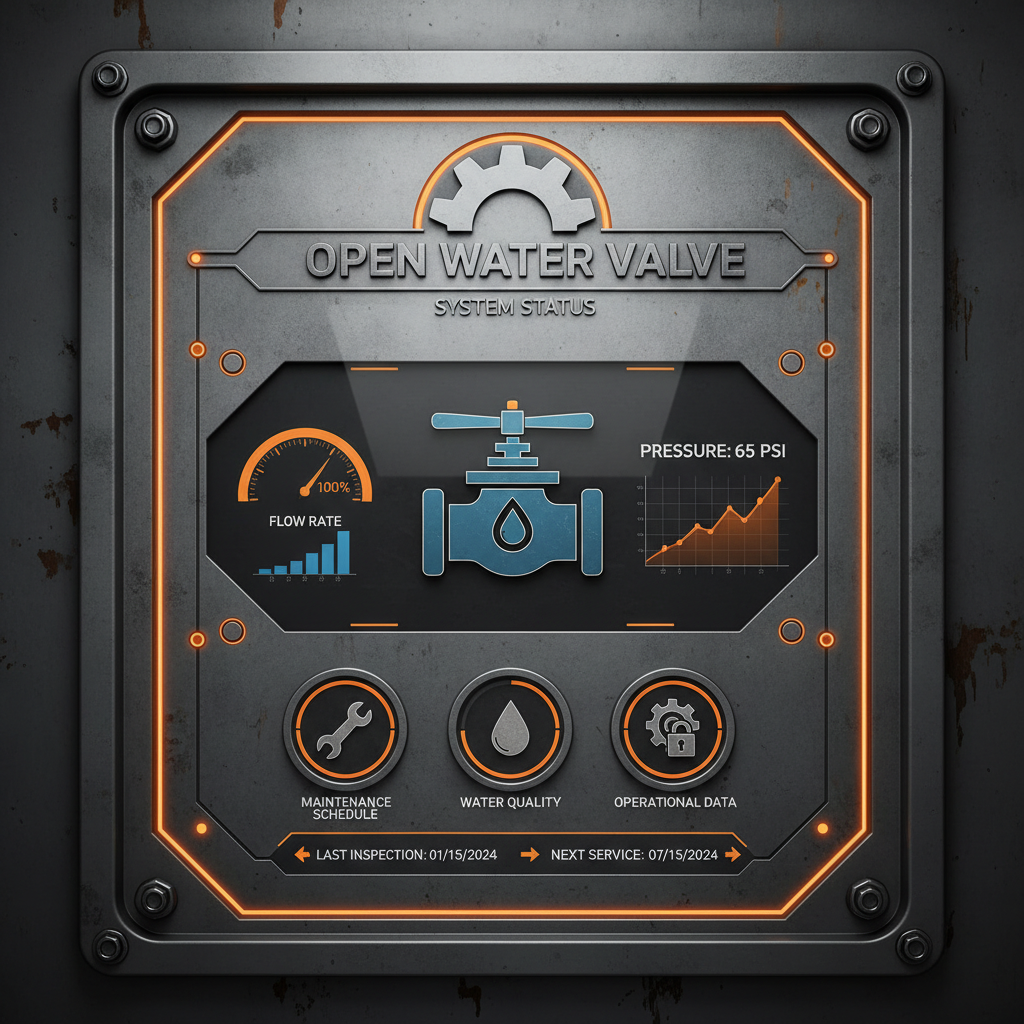
The integration of smart technology into open water valves is a growing trend. Sensors can monitor valve performance, detect leaks, and transmit data to centralized control systems, enabling proactive maintenance and optimized water management. This aligns with the broader trend of digital transformation in the water industry.
New materials are also being developed to enhance valve durability and corrosion resistance. Advanced polymers and composite materials offer improved performance in challenging environments, reducing the need for frequent replacements and lowering lifecycle costs.
Challenges & Solutions
One common challenge is the build-up of scale and sediment within open water valves, particularly in hard water areas. This can restrict flow and reduce valve efficiency. Regular cleaning and maintenance are essential to mitigate this issue.
Another challenge is the potential for water hammer – a pressure surge caused by sudden valve closure. Implementing slow-closing valves or using pressure relief devices can help to prevent water hammer and protect the integrity of the system.
A growing concern is cybersecurity, especially with the increasing adoption of smart valves. Protecting valve control systems from cyberattacks is critical to ensure the reliable operation of water infrastructure. Robust security protocols and regular vulnerability assessments are essential.
Overview of open water valve Performance Metrics
| Valve Type |
Flow Efficiency (1-10) |
Maintenance Frequency (Years) |
Cost of Ownership (USD) |
| Brass Ball Valve |
8 |
5 |
500 |
| Stainless Steel Gate Valve |
7 |
7 |
800 |
| PVC Butterfly Valve |
9 |
10 |
300 |
| Diaphragm Valve |
6 |
3 |
600 |
| Smart Valve (IoT Enabled) |
9.5 |
8 |
1200 |
| Ceramic Disc Valve |
8.5 |
6 |
700 |
FAQS
The lifespan of an open water valve varies significantly based on the material, application, and maintenance. Generally, brass valves can last 20-30 years, stainless steel 30-50 years, and PVC valves can exceed 50 years with proper care. Regular inspections and preventative maintenance are crucial for maximizing valve lifespan and avoiding costly repairs or replacements.
Selecting the correct valve size is essential for optimal performance. Consider the flow rate requirements of your system and the pipe diameter. An undersized valve will create excessive pressure drop and restrict flow, while an oversized valve may not provide adequate control. Consult with a qualified engineer or valve supplier to ensure proper sizing.
Common causes of failure include corrosion, erosion, sediment build-up, water hammer, and mechanical wear. Regular inspection and maintenance can help identify and address these issues before they lead to catastrophic failure. Using appropriate materials for the application and implementing pressure relief measures can also prevent failures.
Yes, materials like PVC and certain specialized polymers are considered more environmentally friendly than traditional brass or iron valves, offering lower embodied energy and reduced risk of leaching harmful substances into the water supply. Choosing valves with long lifespans also minimizes the need for frequent replacements, reducing waste.
Smart open water valves equipped with sensors and communication capabilities provide real-time data on flow rates, pressure, and valve status. This data enables proactive leak detection, remote control, and optimized water distribution, leading to significant cost savings and improved efficiency.
Regular maintenance includes visual inspections for leaks or corrosion, cleaning to remove sediment build-up, lubrication of moving parts, and testing of valve operation. Depending on the application, periodic replacement of seals and other wear components may also be necessary. Following the manufacturer’s recommendations is crucial.
Conclusion
In summary, the open water valve is a deceptively simple yet incredibly vital component of modern water management systems. Its reliability, durability, and adaptability make it essential for a wide range of applications, from municipal water distribution to industrial processes and emergency response. Understanding its core principles, advancements, and potential challenges is crucial for ensuring efficient and sustainable water resource management.
Looking ahead, the integration of smart technologies, the development of new materials, and a focus on proactive maintenance will further enhance the performance and longevity of these critical valves. Investing in high-quality open water valve solutions is not merely a matter of cost savings, but a commitment to public health, environmental sustainability, and the responsible management of our most precious resource. Visit our website: www.strmachinerys.com