The global need for efficient water management is paramount, and a crucial component of this is ensuring unidirectional flow. A one way water valve plays a vital role in countless applications, from preventing backflow contamination in potable water systems to optimizing fluid transfer in industrial processes. Understanding these valves isn't merely a technical exercise; it's essential for public health, environmental protection, and industrial productivity worldwide.
The prevalence of waterborne diseases, especially in developing nations, underscores the importance of preventing back-siphonage and contamination. International organizations like the World Health Organization (WHO) and the United Nations (UN) prioritize safe water access, and effective backflow prevention is a core tenet of these initiatives. Similarly, industrial sectors globally rely on consistent and controlled fluid movement, making reliable one way water valve solutions essential for operational efficiency.
The increasing demands on water resources, coupled with growing environmental concerns, are driving innovation in valve technology. Understanding the principles, applications, and future trends surrounding one way water valve is therefore critical for engineers, policymakers, and anyone involved in water management and industrial processes.
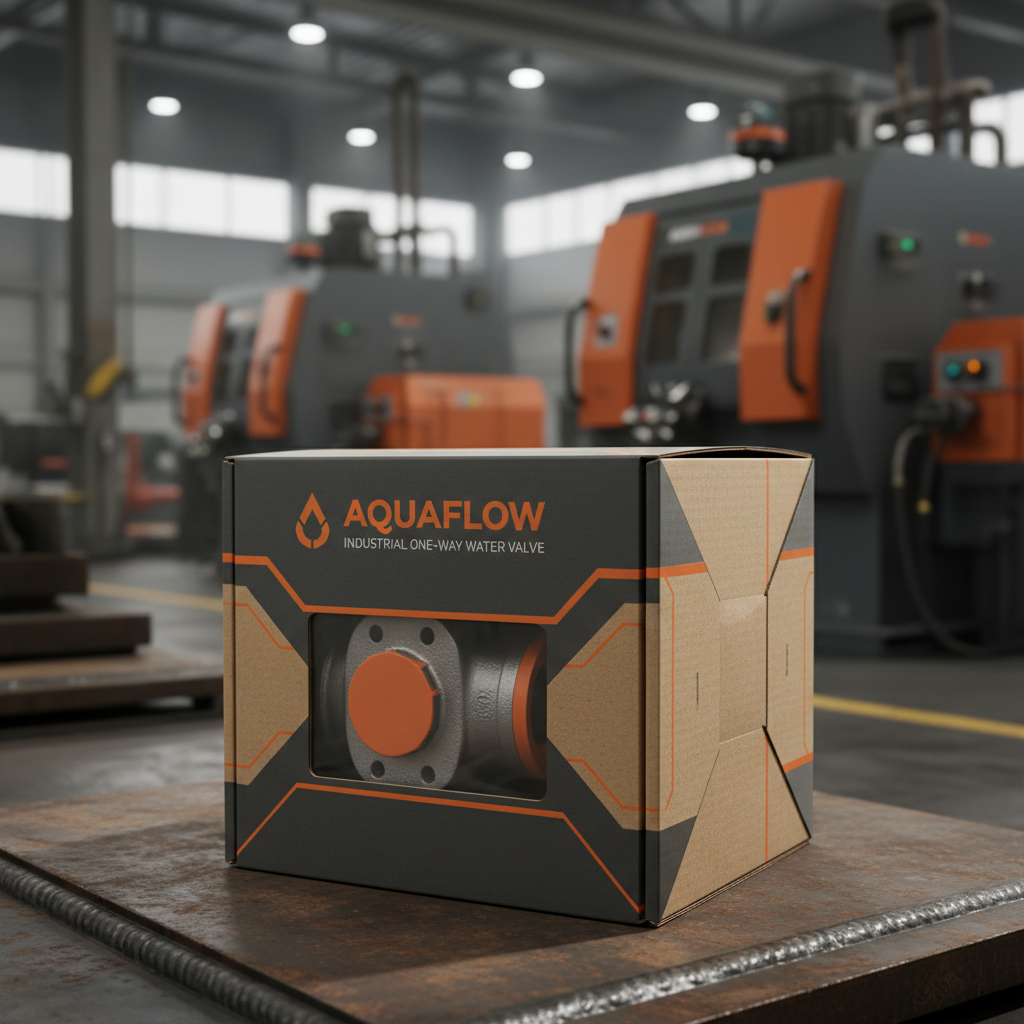
Defining One Way Water Valve and Its Relevance
A one way water valve, also known as a check valve, is a mechanical device designed to allow fluid to flow through it in only one direction. Its fundamental purpose is to prevent backflow, protecting systems from contamination and damage. This seemingly simple function is critical across a vast range of applications, impacting everything from public health to industrial efficiency.
The connection to modern industry and humanitarian needs is direct. In municipal water systems, these valves safeguard potable water supplies. In industrial settings, they protect pumps and other expensive equipment. In remote areas, they are integral to portable water purification systems, and in disaster relief, they ensure the safe distribution of clean water, providing a fundamental necessity for survival and recovery.
Global Context and Industry Applications
The need for reliable one way water valve solutions is global. Countries facing water scarcity, like those in the Middle East and Africa, require robust backflow prevention to maximize the use of available resources. Industrialized nations rely heavily on these valves in sectors such as power generation, chemical processing, and oil & gas, where maintaining system integrity is paramount.
Consider the agricultural sector – drip irrigation systems often incorporate check valves to maintain consistent water pressure and prevent back-siphonage of fertilizers and pesticides into the water source. Similarly, in the pharmaceutical industry, precise fluid control and prevention of contamination are crucial, making one way water valve an indispensable component of manufacturing processes.
The International Organization for Standardization (ISO) sets standards for valve performance and safety, reflecting the global recognition of their importance. Compliance with these standards is often a legal requirement, particularly in industries handling hazardous materials or providing public water supplies.
Core Components and Operational Principles
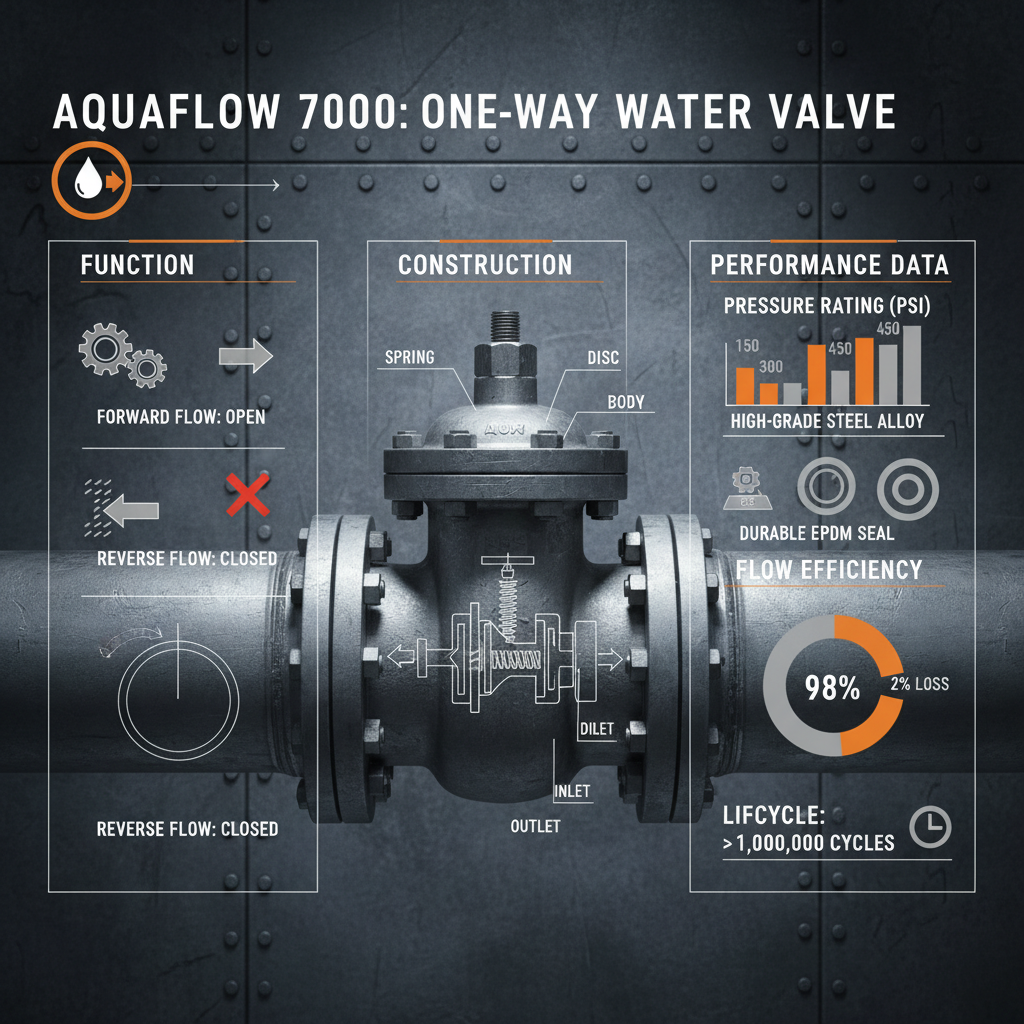
The basic functionality of a one way water valve relies on a closure mechanism – typically a disc, ball, or swing – that is forced open by the pressure of the fluid flowing in the desired direction. When the flow stops or reverses, the mechanism automatically closes, preventing backflow. Different types of valves employ varying mechanisms to achieve this functionality.
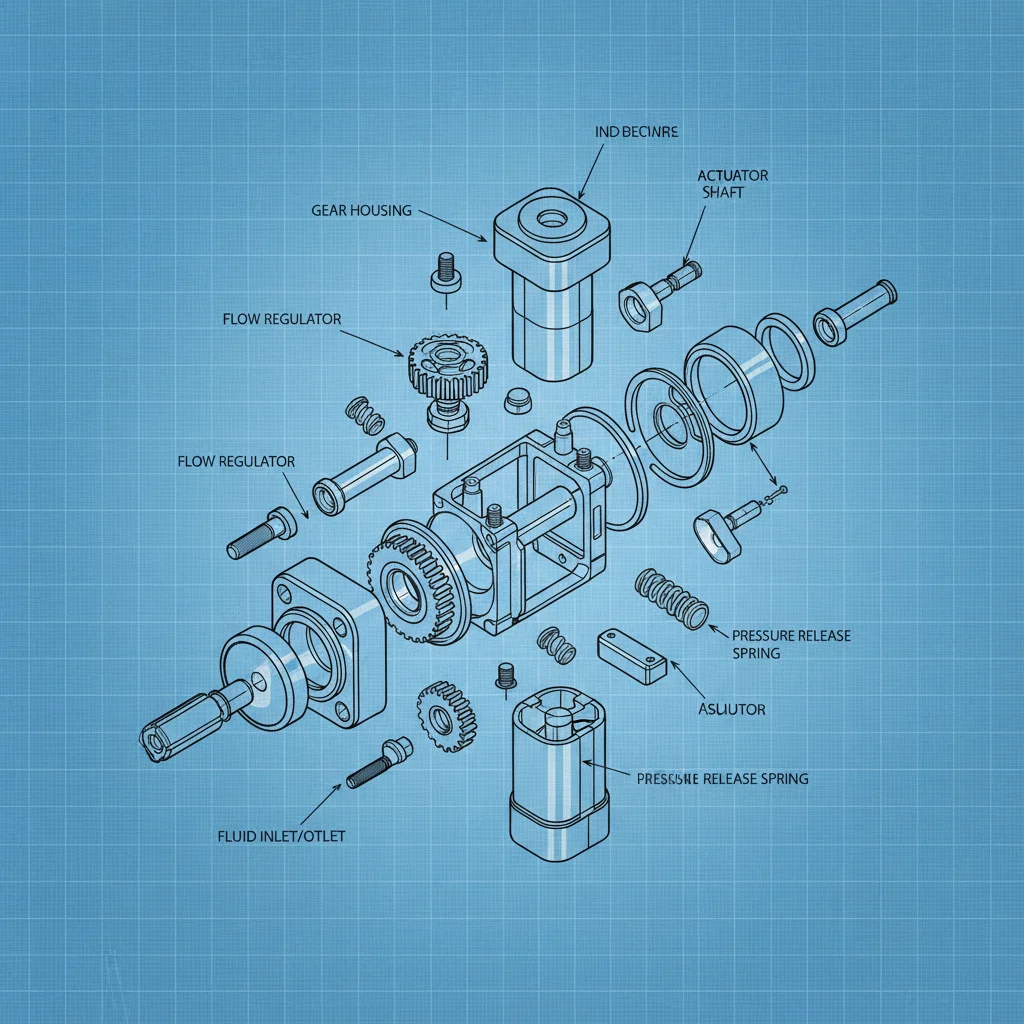
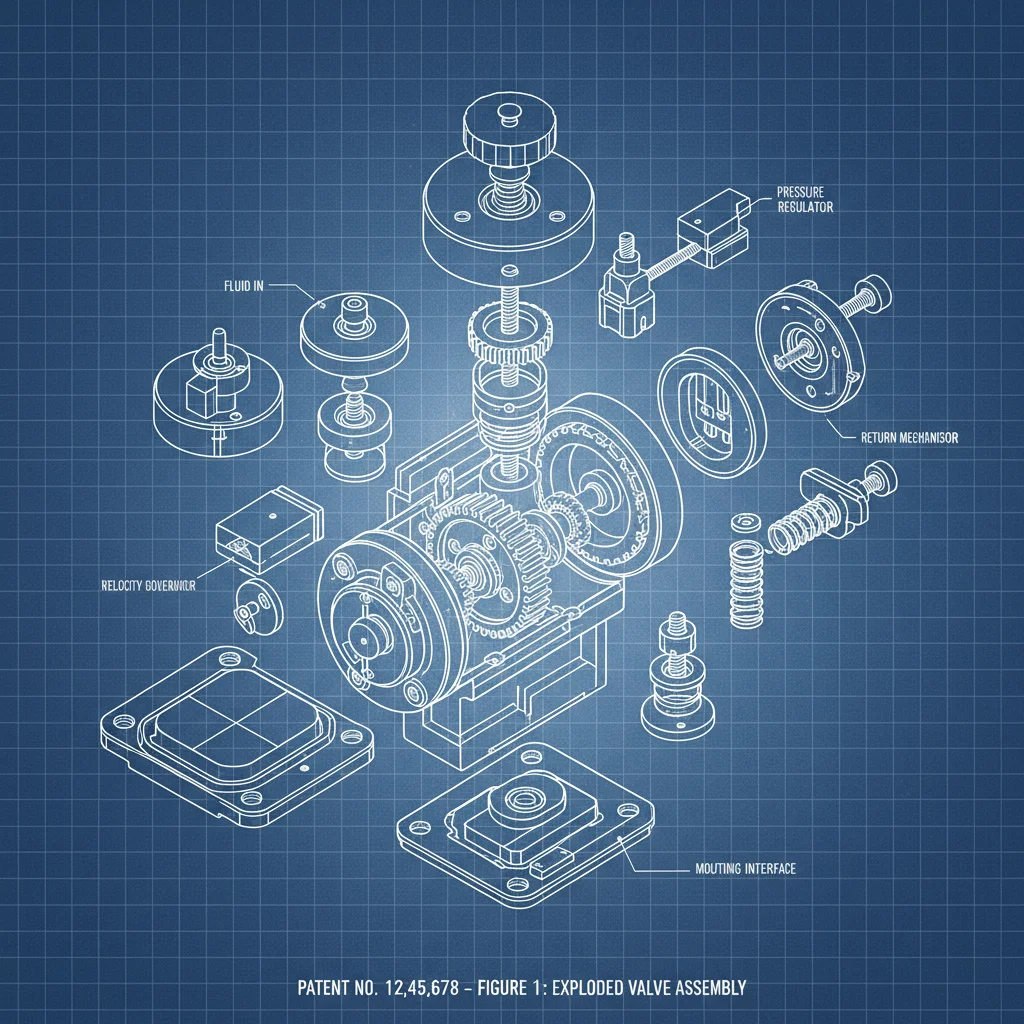
Key components include the valve body, which provides the structural framework; the disc or ball, which controls the flow; the seat, which provides a sealing surface; and the spring (in some designs), which assists in closing the valve. Material selection is crucial, with options ranging from brass and stainless steel to plastics, depending on the fluid being handled and the operating conditions.
Understanding these core components is vital for proper valve selection and maintenance. Factors such as fluid compatibility, pressure rating, temperature range, and flow rate must be carefully considered to ensure optimal performance and longevity. Regular inspection and maintenance, including cleaning and replacing worn parts, are essential for preventing failures.
Key Performance Indicators for One Way Water Valves
Evaluating the effectiveness of a one way water valve requires considering several key performance indicators (KPIs). These metrics provide insights into the valve’s reliability, efficiency, and suitability for specific applications.
One crucial KPI is the leak rate, which measures the amount of fluid that leaks past the closure mechanism when the valve is in the closed position. Another important factor is the pressure drop, which indicates the resistance to flow offered by the valve. Lower pressure drop translates to greater efficiency.
One Way Water Valve Performance Metrics
Real-World Applications of One Way Water Valves
In municipal water treatment plants, one way water valve prevent backflow from distribution systems into the treatment process, safeguarding water quality. Within the power generation industry, they are used in cooling water systems to protect pumps and turbines from damage caused by reverse flow.
The oil and gas sector utilizes these valves extensively in pipeline applications to maintain unidirectional flow and prevent contamination of reservoirs. Furthermore, in the medical field, they are critical components of intravenous (IV) delivery systems, ensuring that fluids flow only in the intended direction, preventing potentially life-threatening backflow into the patient.
Advantages and Long-Term Value Proposition
The advantages of using a one way water valve extend beyond simply preventing backflow. They enhance system reliability by protecting sensitive equipment from damage, reduce maintenance costs by minimizing the risk of failures, and improve overall operational efficiency by ensuring consistent fluid flow.
From a sustainability perspective, preventing water contamination reduces the need for costly and energy-intensive water treatment processes. The long-term value proposition lies in the reduced risk of system failures, the extended lifespan of equipment, and the assurance of safe and reliable fluid handling. These benefits contribute to both economic savings and environmental stewardship.
Investing in high-quality one way water valve represents a proactive approach to risk management, ensuring the long-term integrity and performance of critical infrastructure and processes.
Future Trends and Innovations in One Way Water Valve Technology
The future of one way water valve technology is focused on enhanced performance, increased efficiency, and improved sustainability. Emerging materials, such as advanced polymers and composites, are offering greater corrosion resistance and lighter weight, reducing maintenance requirements and extending valve lifespan.
Digitalization is also playing a role, with the development of smart valves equipped with sensors and remote monitoring capabilities. These “intelligent” valves can provide real-time data on flow rates, pressure drops, and valve status, enabling predictive maintenance and optimizing system performance.
Furthermore, advancements in 3D printing are allowing for the creation of custom-designed valves tailored to specific applications, offering greater flexibility and efficiency. These innovations promise to further enhance the reliability, sustainability, and cost-effectiveness of fluid handling systems.
Summary of Challenges and Potential Solutions Related to One Way Water Valves
| Challenge |
Impact on One Way Water Valve Performance |
Potential Solution |
Implementation Complexity (1-10) |
| Corrosion |
Reduced valve lifespan, increased maintenance. |
Utilize corrosion-resistant materials (e.g., stainless steel, specialized polymers). |
6 |
| Fouling/Build-up |
Restricted flow, increased pressure drop. |
Implement filtration systems, regular cleaning schedules. |
5 |
| Incorrect Valve Sizing |
Inefficient flow, potential damage to valve components. |
Accurate flow rate calculations, proper valve selection based on application. |
4 |
| Material Degradation |
Valve failure, loss of containment. |
Regular inspections, material upgrades. |
7 |
| Lack of Predictive Maintenance |
Unscheduled downtime, costly repairs. |
Implement sensor-based monitoring, data analytics. |
8 |
| Improper Installation |
Leaks, reduced performance. |
Strict adherence to installation guidelines, qualified personnel. |
3 |
FAQS
Common types include swing check valves, lift check valves, ball check valves, and diaphragm check valves. Swing check valves are suitable for low to moderate flow rates and are cost-effective. Lift check valves are good for high flow applications but require more space. Ball check valves offer quick response and are ideal for pulsating flows, while diaphragm check valves are best for handling corrosive fluids or sanitary applications. Selecting the right type depends on the fluid characteristics, flow rate, pressure, and application requirements.
Regular inspection and maintenance are crucial for ensuring reliable performance. A visual inspection should be conducted at least annually, looking for signs of corrosion, leaks, or damage. Depending on the application and operating conditions, more frequent inspections (e.g., quarterly) may be necessary. Maintenance typically involves cleaning the valve body, checking for worn seals, and lubricating moving parts. Replace any damaged components promptly to prevent failures.
One way water valve are commonly made from brass, stainless steel, PVC, and polypropylene. Brass is a cost-effective option for potable water applications but can corrode over time. Stainless steel offers excellent corrosion resistance and is suitable for harsh environments. PVC and polypropylene are lightweight and resistant to many chemicals, making them ideal for industrial applications. Material choice impacts the valve’s durability, compatibility with the fluid, and operating temperature range.
Determining the correct size involves calculating the required flow rate and considering the pressure drop. The valve’s inlet and outlet diameters must be sufficient to handle the anticipated flow without causing excessive pressure loss. Factors like pipe size, fluid viscosity, and system pressure should also be taken into account. Consult with a qualified engineer or valve supplier to ensure proper sizing for optimal performance.
A failing one way water valve can lead to several consequences, including backflow contamination, system damage, reduced efficiency, and potential safety hazards. Backflow can introduce pollutants into potable water supplies, posing a health risk. In industrial systems, it can damage pumps, turbines, and other expensive equipment. It’s crucial to regularly inspect and maintain valves to prevent failures and mitigate these risks.
In swing check valves, the spring assists in quickly closing the disc against the seat when the flow stops or reverses. This ensures a tight seal and prevents backflow. The spring tension is carefully calibrated to provide optimal responsiveness without hindering forward flow. A worn or damaged spring can lead to slow closing times or incomplete sealing, compromising the valve’s performance.
Conclusion
In summary, the one way water valve is a deceptively simple yet incredibly vital component in a multitude of systems, ranging from public health infrastructure to complex industrial processes. Its function of preventing backflow is crucial for maintaining water quality, protecting equipment, and ensuring operational efficiency. Understanding its core principles, key performance indicators, and future trends is essential for anyone involved in fluid handling.
Looking ahead, continued innovation in materials, digitalization, and custom design will further enhance the performance and sustainability of these valves. Investing in high-quality one way water valve and implementing proactive maintenance strategies are crucial steps towards building resilient and reliable infrastructure for the future. Visit our website at www.strmachinerys.com to explore our range of valve solutions.