
Water control valves are essential components in a vast range of industries and applications, playing a critical role in managing and regulating water flow. From municipal water distribution systems to industrial processing plants and agricultural irrigation, these valves ensure efficient and safe water usage. The increasing global demand for water, coupled with growing concerns about water scarcity and environmental sustainability, makes understanding and implementing effective water control solutions more important than ever. Investing in robust and reliable water control valve systems is no longer just a matter of operational efficiency but a vital step towards responsible water resource management.
The global water valve market is experiencing significant growth, driven by factors such as rapid urbanization, infrastructure development in emerging economies, and increasing investments in water and wastewater treatment facilities. According to the UN, billions of people still lack access to safe water, highlighting the urgent need for improved water infrastructure. Furthermore, industrial sectors are facing growing pressure to reduce their water footprint and comply with stricter environmental regulations. The intelligent and precise control offered by modern water control valves is crucial in meeting these challenges.
Understanding the principles of operation, various types, and optimal applications of water control valves is paramount for engineers, technicians, and anyone involved in water management. Implementing the right valve technology can significantly reduce water wastage, optimize energy consumption, and enhance overall system performance, contributing to a more sustainable future. The development of smart valves with remote monitoring and control capabilities further amplifies their value in today’s digitally connected world.
Water control valves are the unsung heroes of modern infrastructure. They aren’t glamorous, but their precision and reliability are critical for everything from providing clean drinking water to supporting complex industrial processes. The ability to accurately regulate water flow minimizes waste, optimizes efficiency, and protects valuable resources. water control valve technology is constantly evolving, with advancements in materials, automation, and data analytics driving improvements in performance and sustainability.
These valves aren't simply on/off switches; they offer a wide spectrum of control, allowing for nuanced adjustments to water pressure, flow rate, and distribution. Their robust design and ability to withstand harsh environmental conditions make them essential for long-term operation in demanding applications. Effectively managing water resources, particularly in regions facing scarcity, is heavily reliant on the proper selection and maintenance of high-quality water control valves.
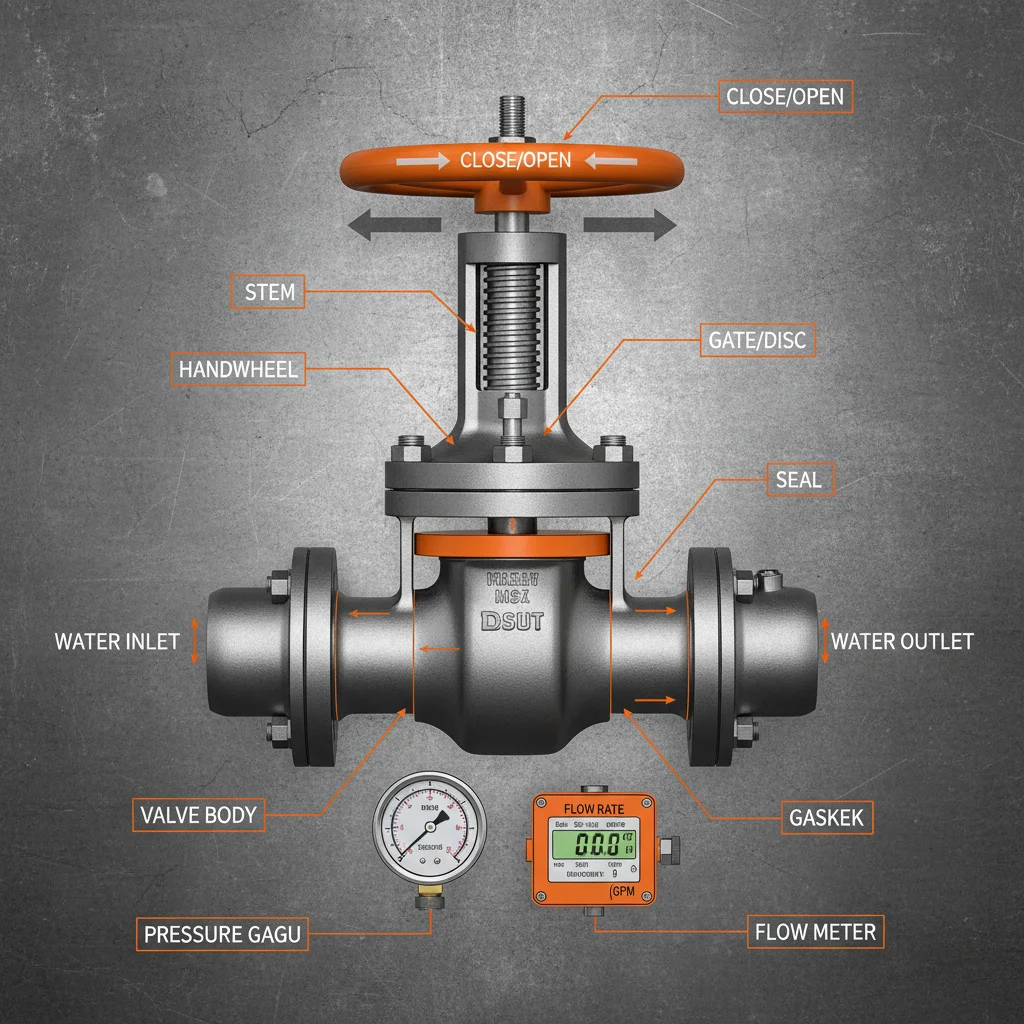
A water control valve is a mechanical device designed to regulate, direct, or stop the flow of water within a piping system. These valves come in a wide variety of designs, each suited to specific applications and flow characteristics. At its core, a water control valve manipulates the cross-sectional area of a waterway to control the amount of water passing through it. The level of control can range from simple on/off functionality to precise modulation of flow rates.
Their connection to modern industry is undeniable. Industrial processes, power generation, and chemical manufacturing all depend on precise water flow control. The need for maintaining consistent pressure, temperature, and flow rates in these environments necessitates the use of sophisticated valve systems. Beyond industrial applications, water control valves are essential for humanitarian needs, ensuring access to clean water for communities worldwide.
Fundamentally, they are integral to protecting public health and ensuring the efficient operation of critical infrastructure. Their reliability is paramount; a failing valve can lead to water contamination, system failures, and significant economic losses. Continuous innovation is focusing on valve designs that are more durable, more efficient, and require less maintenance.
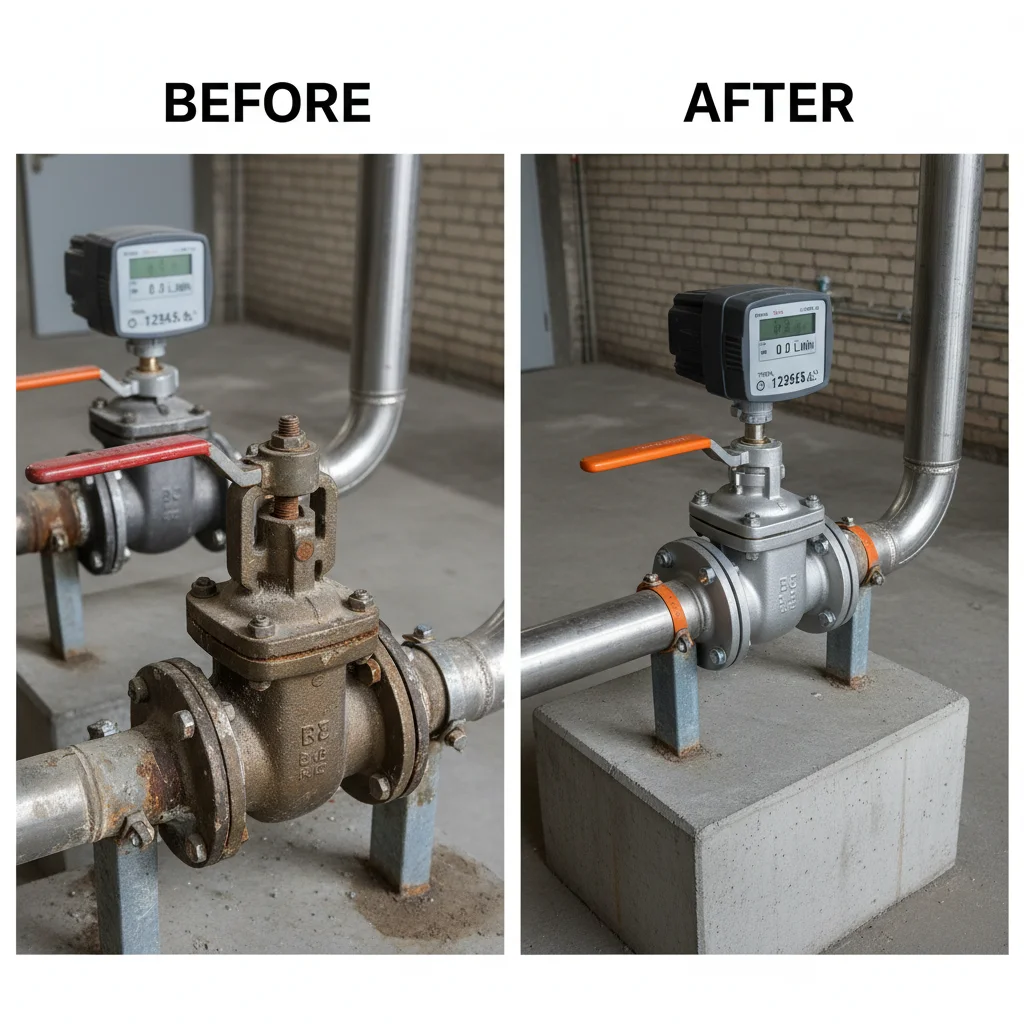
Durability is a critical factor in any water control valve application. Valves are often exposed to corrosive fluids, high pressures, and extreme temperatures. Materials such as stainless steel, ductile iron, and specialized polymers are chosen for their resistance to these conditions, ensuring a long service life and minimizing the need for frequent replacements. Selecting a water control valve with the appropriate material composition is vital for long-term performance.
Scalability refers to the valve’s ability to accommodate varying flow rates and system demands. Valves designed for large-diameter pipes and high flow volumes are drastically different from those used in smaller, residential applications. Choosing a valve with the correct capacity to meet current and future needs prevents bottlenecks and ensures efficient operation. The ability to easily upgrade or adapt a water control valve system is a crucial consideration.
Cost-efficiency encompasses not only the initial purchase price of the valve but also its long-term operating costs, including maintenance, energy consumption, and potential downtime. While cheaper valves may seem attractive initially, they often lack the durability and efficiency of higher-quality options, leading to increased costs over time. A well-designed and properly maintained valve system represents a significant return on investment.
Water control valves find widespread application in municipal water distribution systems, regulating water pressure and flow to homes and businesses. They're essential components in wastewater treatment plants, controlling the flow of sewage and effluent throughout the treatment process. In the agricultural sector, water control valves are used in irrigation systems to deliver water efficiently to crops, minimizing water waste.
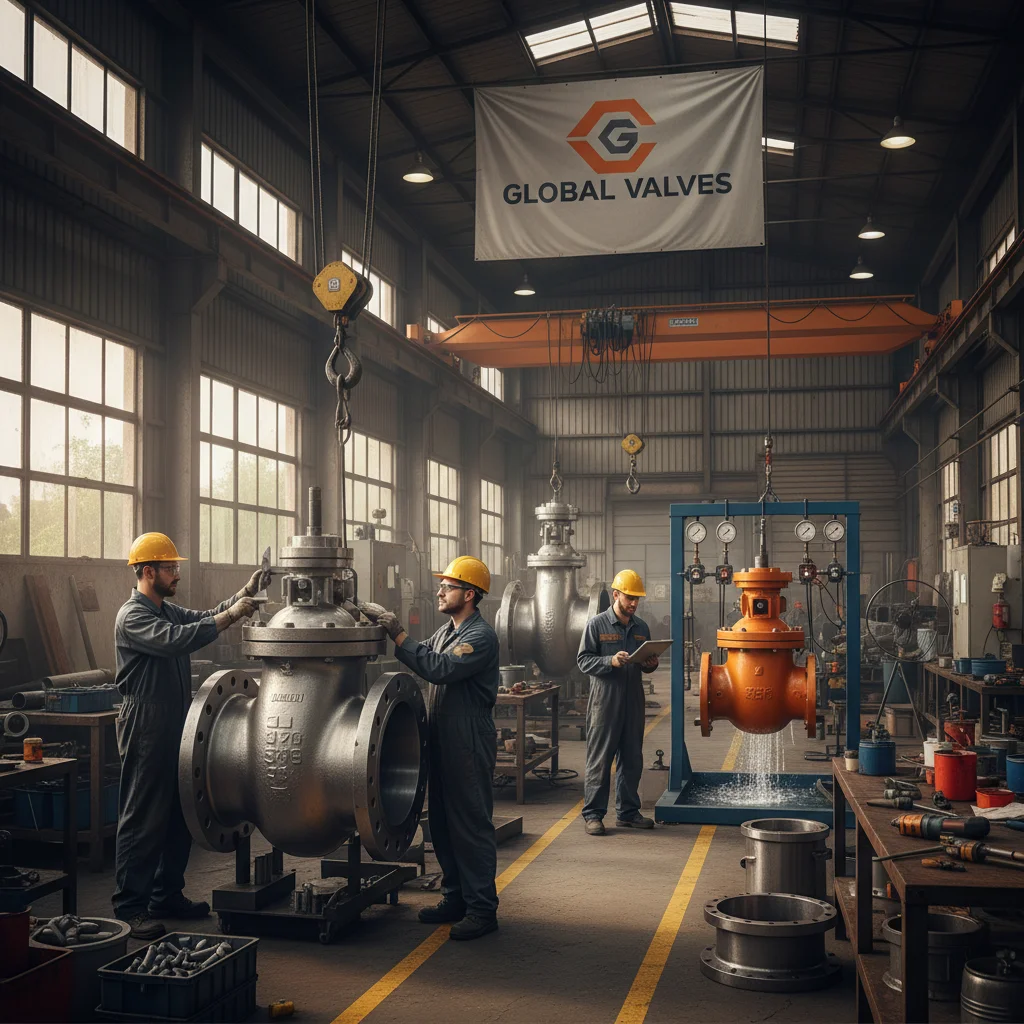
Industrial facilities, including power plants, chemical processing plants, and oil refineries, heavily rely on these valves for process control, cooling, and safety systems. In post-disaster relief operations, portable water treatment units utilize water control valves to provide safe drinking water to affected populations. In remote industrial zones, where maintenance access is limited, the reliability of these valves is critical.
Furthermore, the growing demand for desalination plants relies on advanced water control valves to manage the complex processes of water purification and brine discharge. The use of smart water control valves with remote monitoring capabilities is becoming increasingly prevalent in large-scale water management projects worldwide.
Implementing effective water control valves offers substantial cost savings by minimizing water leakage, reducing energy consumption associated with pumping, and preventing damage to infrastructure. These valves can be integrated into automated systems, enabling remote monitoring and control, which further reduces operational expenses and labor requirements. The long-term financial benefits often outweigh the initial investment.
From a sustainability perspective, precise water control reduces water waste, conserving this vital resource. By optimizing water usage in industrial processes and agricultural irrigation, water control valves contribute to a more environmentally responsible approach to resource management. This aligns with global efforts to achieve sustainable development goals.
The integration of smart technology, including IoT sensors and machine learning algorithms, is transforming water control valve systems. These “smart valves” can provide real-time data on flow rates, pressure, and system performance, enabling predictive maintenance and proactive adjustments to optimize efficiency. Data analytics can identify leaks and anomalies, preventing costly repairs and water loss.
The rise of digital twin technology allows for virtual modeling and simulation of water distribution networks, enabling engineers to test and optimize valve configurations before implementation. This reduces the risk of errors and improves overall system performance. Furthermore, advancements in materials science are leading to the development of valves that are more durable, corrosion-resistant, and environmentally friendly.
One of the major challenges is the aging infrastructure in many developed countries, leading to increased valve failures and water loss. Retrofitting existing systems with modern water control valves can be costly and disruptive. Solutions include phased replacement programs and the use of innovative repair techniques.
Another challenge is the lack of skilled personnel to maintain and operate complex valve systems. Investing in training programs and developing user-friendly interfaces for monitoring and control can address this issue. The security of smart valves is also a concern, as they are vulnerable to cyberattacks. Robust cybersecurity measures are essential to protect critical water infrastructure.
Finally, the initial cost of advanced valve technologies can be prohibitive for some organizations. Exploring financing options and demonstrating the long-term cost savings can help overcome this barrier. Collaboration between manufacturers, engineers, and water utilities is crucial to developing and implementing effective solutions to these challenges.
| Valve Type | Operational Reliability (1-10) | Maintenance Frequency (Months) | Cost of Replacement ($) |
|---|---|---|---|
| Gate Valve | 7 | 18 | 500 |
| Globe Valve | 8 | 12 | 750 |
| Butterfly Valve | 9 | 24 | 600 |
| Check Valve | 8.5 | 36 | 400 |
| Ball Valve | 9.5 | 60 | 800 |
| Control Valve | 9 | 12 | 1000 |
Municipal water systems commonly employ gate valves for isolation, butterfly valves for flow regulation, check valves to prevent backflow, and pressure reducing valves (PRVs) to maintain consistent pressure throughout the distribution network. The selection depends on specific application requirements, pipe size, and flow characteristics. Regular maintenance is crucial to ensure these water control valves operate efficiently and prevent leaks or disruptions in water supply.
Inspection and maintenance frequency varies depending on the valve type, operating conditions, and manufacturer recommendations. Generally, annual inspections are advisable, including visual checks for leaks, corrosion, and proper operation. More frequent maintenance (e.g., every 6-12 months) may be necessary for valves in harsh environments or those experiencing frequent cycling. Routine lubrication and replacement of worn seals are essential to prolong valve life.
Automated water control valves offer numerous benefits, including remote monitoring and control, reduced labor costs, and improved system efficiency. They can be integrated into SCADA systems for real-time data analysis and proactive adjustments. Automation also enables faster response times to system disturbances and minimizes water loss due to leaks or malfunctions. The ability to optimize flow rates and pressure based on demand further enhances overall performance.
Water control valves are commonly manufactured from materials such as cast iron, ductile iron, stainless steel, brass, and various polymers. The choice of material depends on the fluid being controlled, the operating pressure, and the environmental conditions. Stainless steel is preferred for its corrosion resistance, while ductile iron offers a good balance of strength and cost-effectiveness. Polymers are often used for valves handling aggressive chemicals or requiring lightweight construction.
Selecting the appropriate water control valve requires careful consideration of factors such as flow rate, pressure drop, fluid compatibility, operating temperature, and installation constraints. Consult with valve manufacturers or experienced engineers to determine the optimal valve type, size, and material for your specific application. Ensure the valve meets relevant industry standards and certifications.
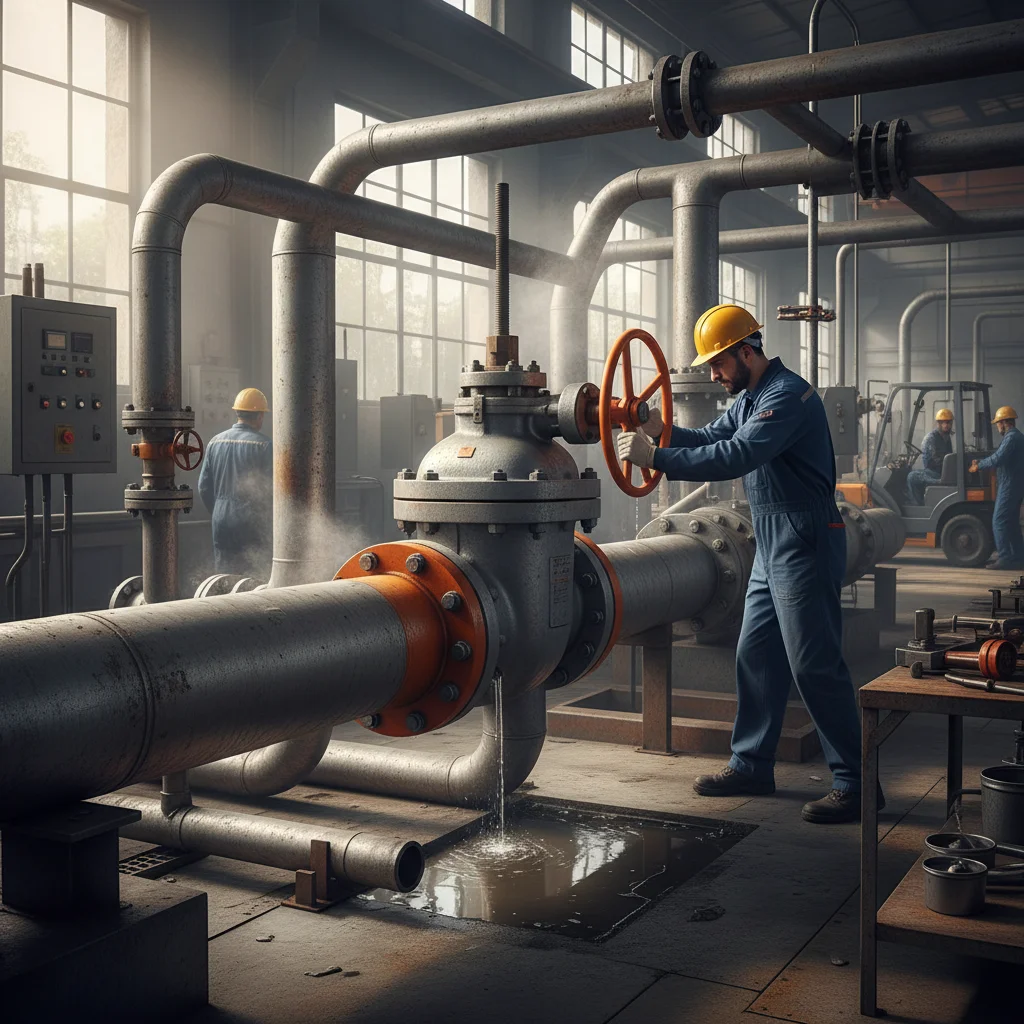
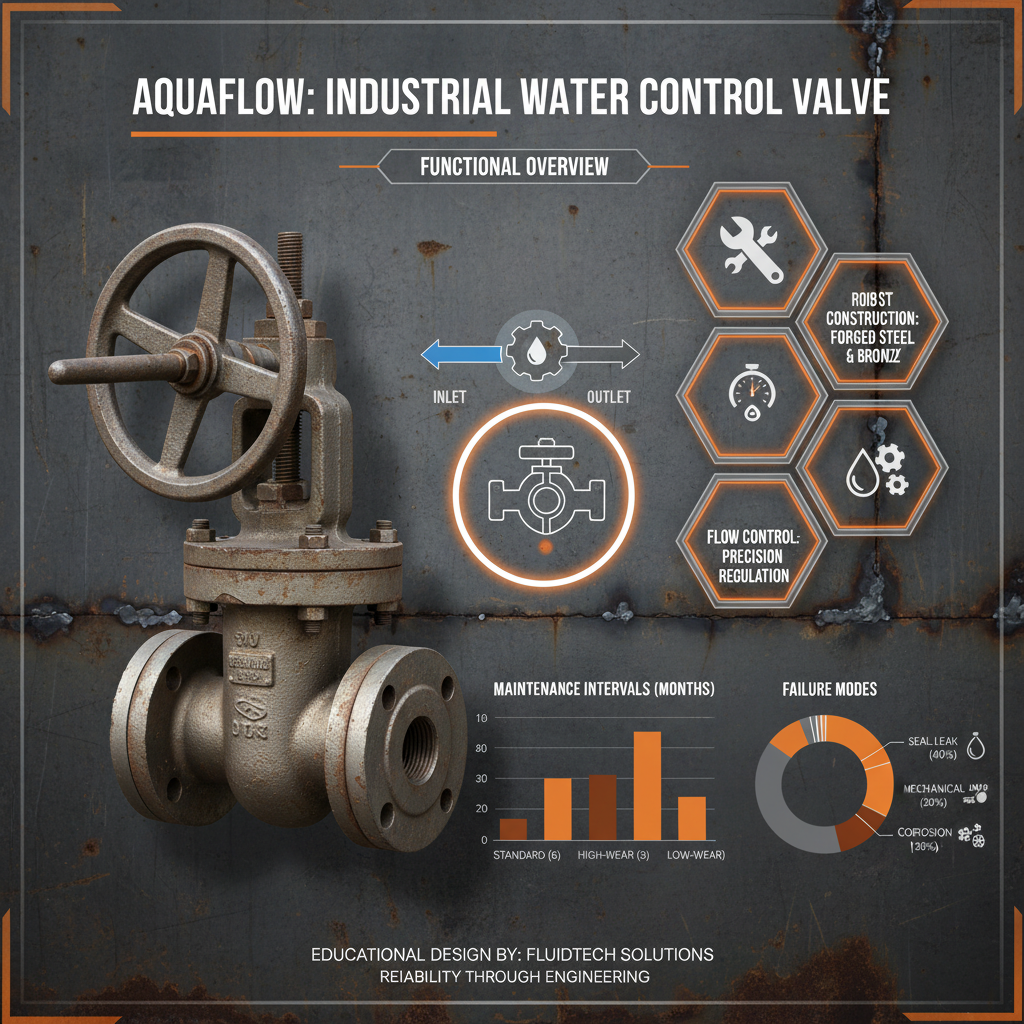
Common failure modes include leakage due to worn seals, corrosion of valve bodies, erosion of internal components, and actuator malfunctions. Sediment buildup can also obstruct valve operation. Regular inspection and maintenance can help identify and address these issues before they lead to costly repairs or system downtime. Proper valve sizing and material selection are crucial to minimizing the risk of failure.
In conclusion, water control valves are indispensable components of modern water management systems, playing a vital role in ensuring efficient and sustainable water usage across a wide range of industries and applications. From municipal water distribution to industrial processes and agricultural irrigation, these valves provide the precision and reliability needed to optimize water flow, minimize waste, and protect valuable resources. The ongoing evolution of water control valve technology, driven by smart sensors, data analytics, and advanced materials, is paving the way for even greater efficiency and sustainability.
Looking ahead, continued investment in research and development, coupled with proactive maintenance programs and skilled workforce training, will be crucial to maximizing the benefits of these essential devices. By embracing innovation and adopting best practices, we can ensure that water control valves continue to play a critical role in addressing global water challenges and building a more sustainable future. Visit our website at www.strmachinerys.com to explore our comprehensive range of water control valve solutions and learn how we can help you optimize your water management systems.
If you are interested in our products, you can choose to leave your information here, and we will be in touch with you shortly.