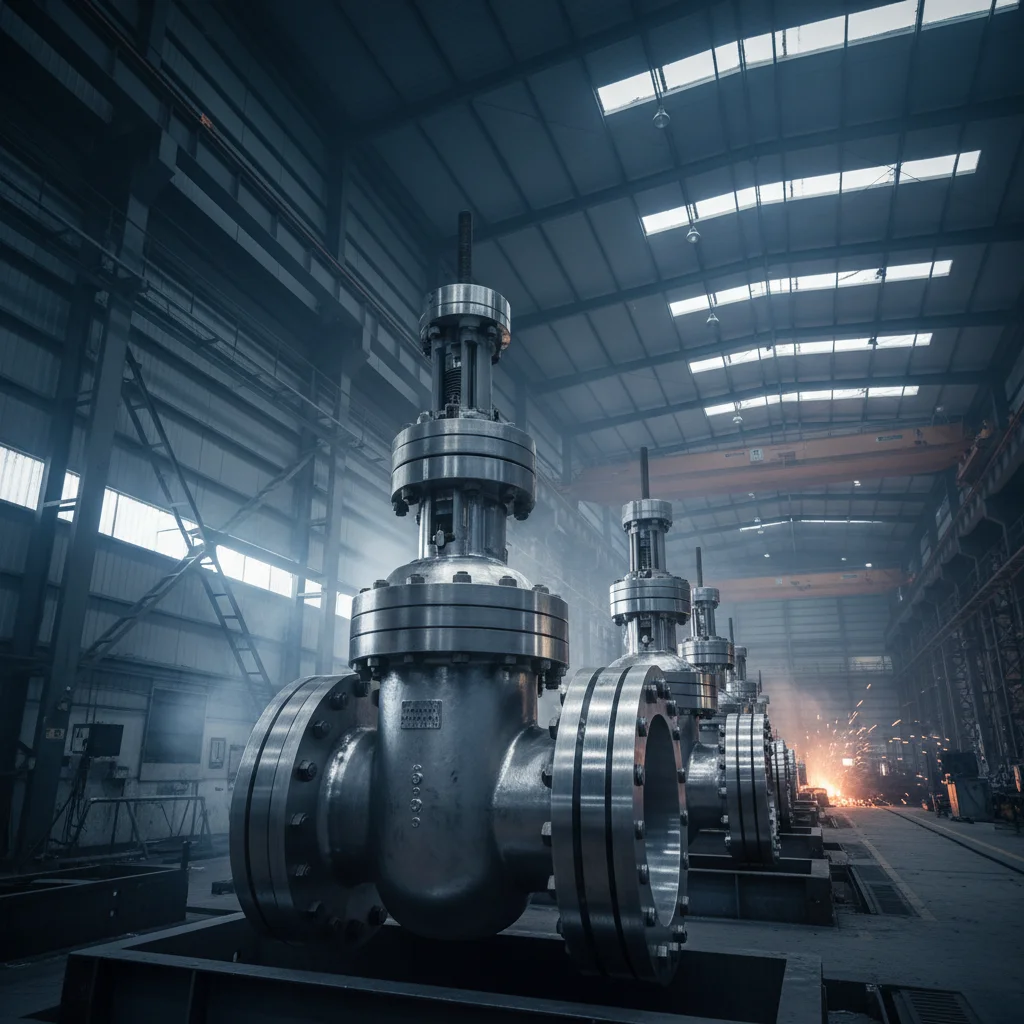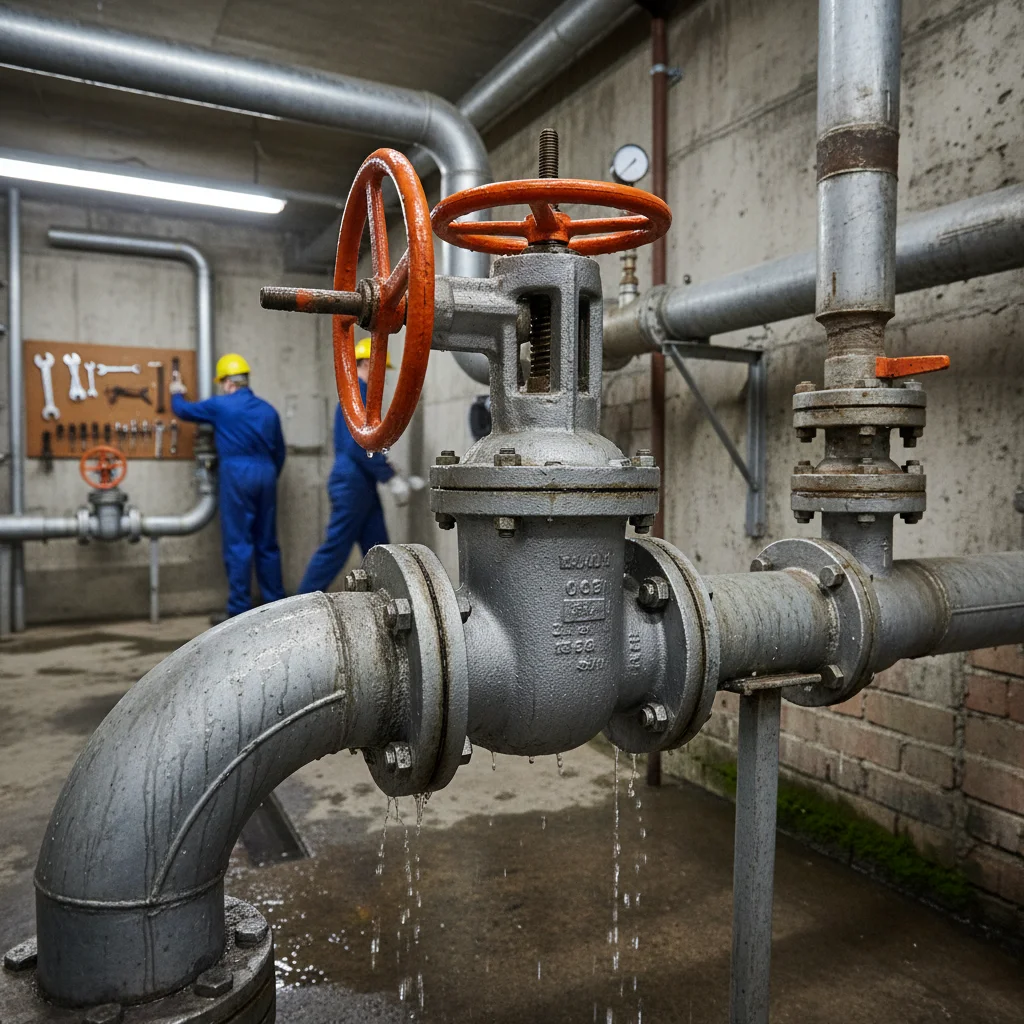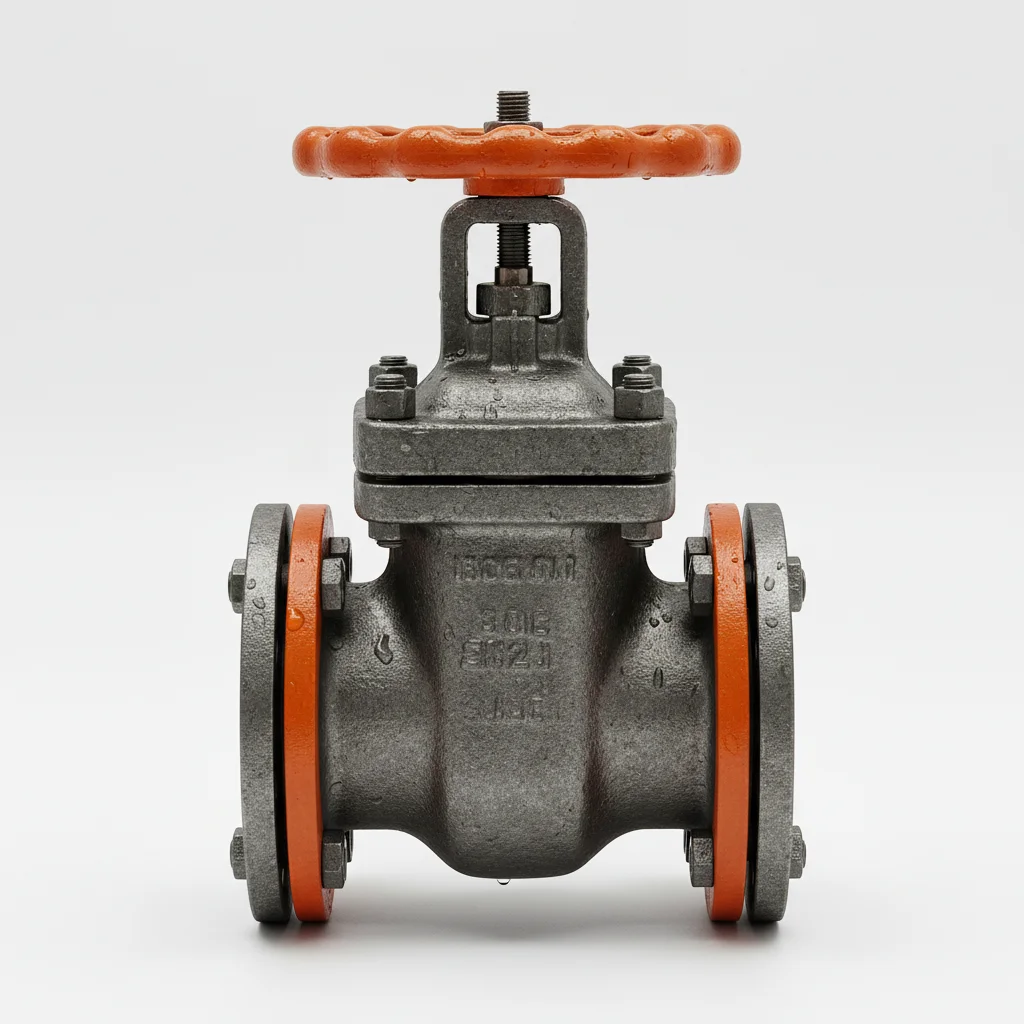

Water check valves are fundamental components in fluid systems, ensuring unidirectional flow and preventing backflow. Their significance spans numerous industries globally, from municipal water distribution and wastewater treatment to oil and gas pipelines and even residential plumbing. Effectively managing water resources and ensuring the integrity of fluid systems relies heavily on the reliable operation of these often-unsung heroes. Understanding the principles, applications, and advancements in water check valve technology is crucial for engineers, technicians, and anyone involved in fluid handling systems.
The global market for check valves is substantial and steadily growing, driven by increasing demand for efficient water management, stricter environmental regulations, and expanding infrastructure projects worldwide. According to a recent report by Grand View Research, the global check valve market size was valued at USD 7.4 billion in 2022 and is projected to reach USD 10.8 billion by 2030, growing at a CAGR of 4.7% from 2023 to 2030. This growth underlines the critical role these valves play in maintaining safe and reliable fluid systems.
A key challenge addressed by water check valves is the prevention of contamination and damage within fluid systems. Backflow, the undesirable reversal of fluid flow, can introduce pollutants, cause equipment failure, and compromise system performance. A properly selected and maintained water check valve mitigates these risks, safeguarding public health, protecting valuable assets, and ensuring the longevity of critical infrastructure.
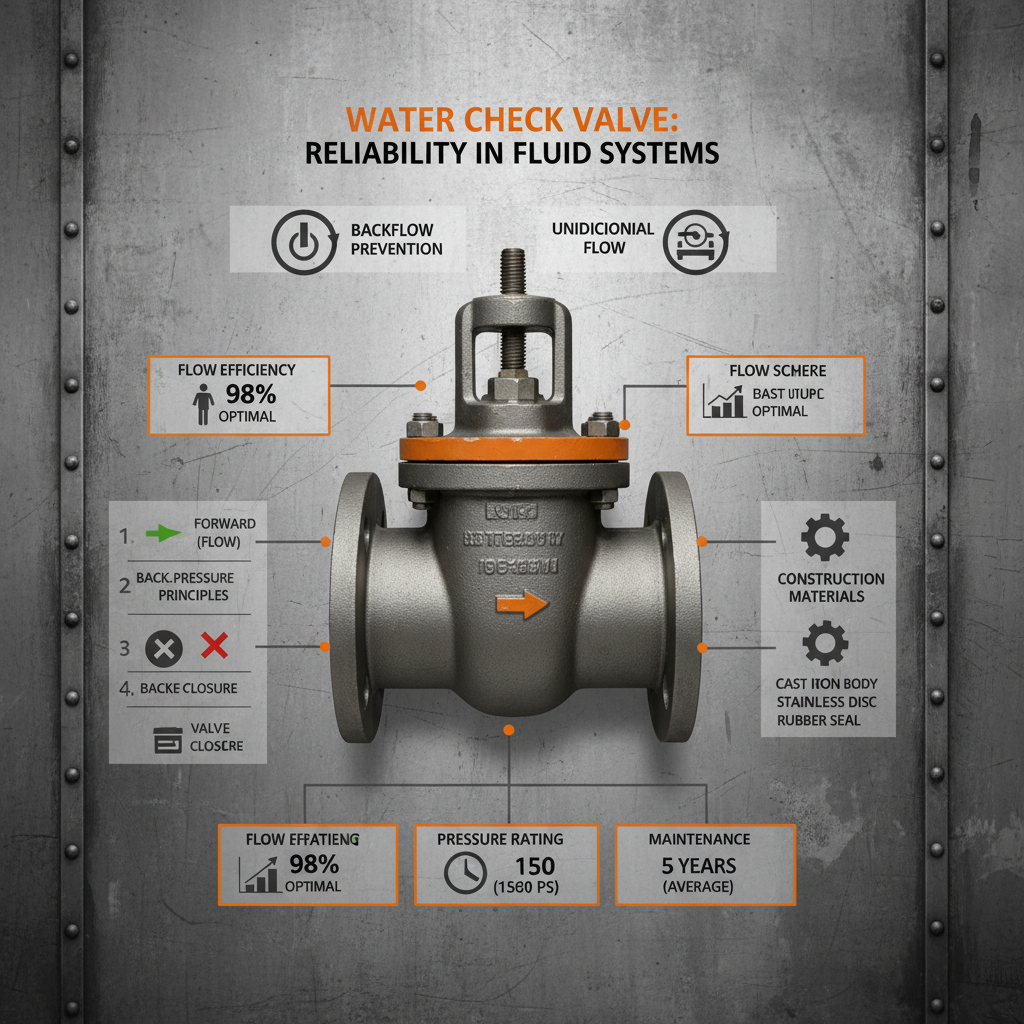
Introduction to Water Check Valve
Water check valves are crucial in maintaining the efficiency and safety of fluid systems. Their function is deceptively simple: allow flow in one direction while automatically preventing backflow. This simple function is vital across a wide range of applications, protecting equipment, preventing contamination, and ensuring operational reliability. A well-chosen water check valve contributes significantly to the overall integrity of the system it serves.
The design and material selection of a water check valve depend heavily on the specific application and the characteristics of the fluid being handled. Factors such as pressure, temperature, fluid corrosivity, and solids content all influence the selection process. Understanding these factors is paramount for ensuring optimal performance and longevity of the valve.
FAQS
The most common types include swing check valves (known for minimal pressure drop), lift check valves (suitable for higher pressure applications), ball check valves (cost-effective and reliable for simple applications), and diaphragm check valves (ideal for corrosive fluids). Duckbill valves are also popular for handling slurries and solids. Each type has its advantages and disadvantages, so selection depends on the specific application requirements.
Regular inspection is crucial for maintaining optimal performance. Inspect annually, or more frequently in harsh environments. Check for signs of wear, corrosion, or leakage. Clean the valve regularly to remove debris that may impede its operation. Lubricate moving parts as recommended by the manufacturer. Keep detailed records of inspections and maintenance activities.
Common materials include cast iron, stainless steel, brass, PVC, and polypropylene. Stainless steel is favored for its corrosion resistance, while brass offers a good balance of cost and durability. PVC and polypropylene are lightweight and suitable for non-corrosive applications. The choice of material depends on the fluid being handled, the operating temperature, and the pressure requirements.
Correct sizing is critical to avoid performance issues. You need to know the flow rate, fluid velocity, and pressure drop requirements. Consult the valve manufacturer's specifications and utilize appropriate sizing charts or software tools. Undersized valves will restrict flow, while oversized valves may chatter and wear prematurely. Proper calculation is key for optimal operation.
Common failure causes include debris accumulation, corrosion, wear and tear on internal components, and water hammer. Regular maintenance and proper selection of materials can mitigate these issues. Improper installation or operation can also lead to premature failure. Inspect the valve regularly and address any signs of wear or damage promptly.
Yes, smart water check valves are becoming increasingly available. These valves incorporate sensors to monitor flow, pressure, temperature, and other parameters. They can transmit data wirelessly for remote monitoring and analysis, enabling predictive maintenance and optimizing system performance. Smart valves often integrate with IoT platforms for enhanced control and automation.
Conclusion
In conclusion, water check valves are indispensable components in modern fluid systems, playing a critical role in ensuring efficient, safe, and reliable operation. Their ability to prevent backflow protects infrastructure, safeguards public health, and contributes to sustainable water management. Understanding their principles, applications, and emerging technologies is essential for engineers, technicians, and anyone involved in fluid handling.
Looking ahead, continued innovation in materials, design, and digital integration will further enhance the performance and longevity of water check valves. Embracing smart valve technologies and prioritizing proactive maintenance will unlock new levels of efficiency and reliability. For expert advice and a comprehensive selection of high-quality water check valves, visit our website: www.strmachinerys.com.
Related Posts