Water main shut off valves are critical components of any municipal or industrial water distribution system, often unseen but vital for maintaining service reliability and safety. These valves allow for controlled isolation of sections of the water network for maintenance, repairs, or emergency situations, preventing widespread disruption and potential water damage. Understanding their functionality, types, and proper installation is paramount for engineers, technicians, and public works departments worldwide. The efficient and reliable operation of water main shut off valves directly impacts public health, economic stability, and the overall quality of life.
Globally, the need for robust water infrastructure is increasing due to population growth, urbanization, and the impacts of climate change. Aging infrastructure in many developed nations requires significant investment in upgrades and replacements, with water main shut off valves representing a key area of focus. Simultaneously, developing nations are expanding their water networks to meet the demands of growing populations, necessitating the implementation of modern, reliable valve technologies. The UN Sustainable Development Goal 6, which focuses on clean water and sanitation, highlights the importance of efficient water resource management, where properly functioning water main shut off valves play a crucial, if understated, role.
Investing in high-quality water main shut off valves is no longer simply a matter of operational convenience; it's a matter of safeguarding public health, protecting critical infrastructure, and ensuring the sustainable use of one of our most precious resources. Effective valve management contributes significantly to reducing non-revenue water – the difference between water produced and water billed – a major concern for water utilities globally.
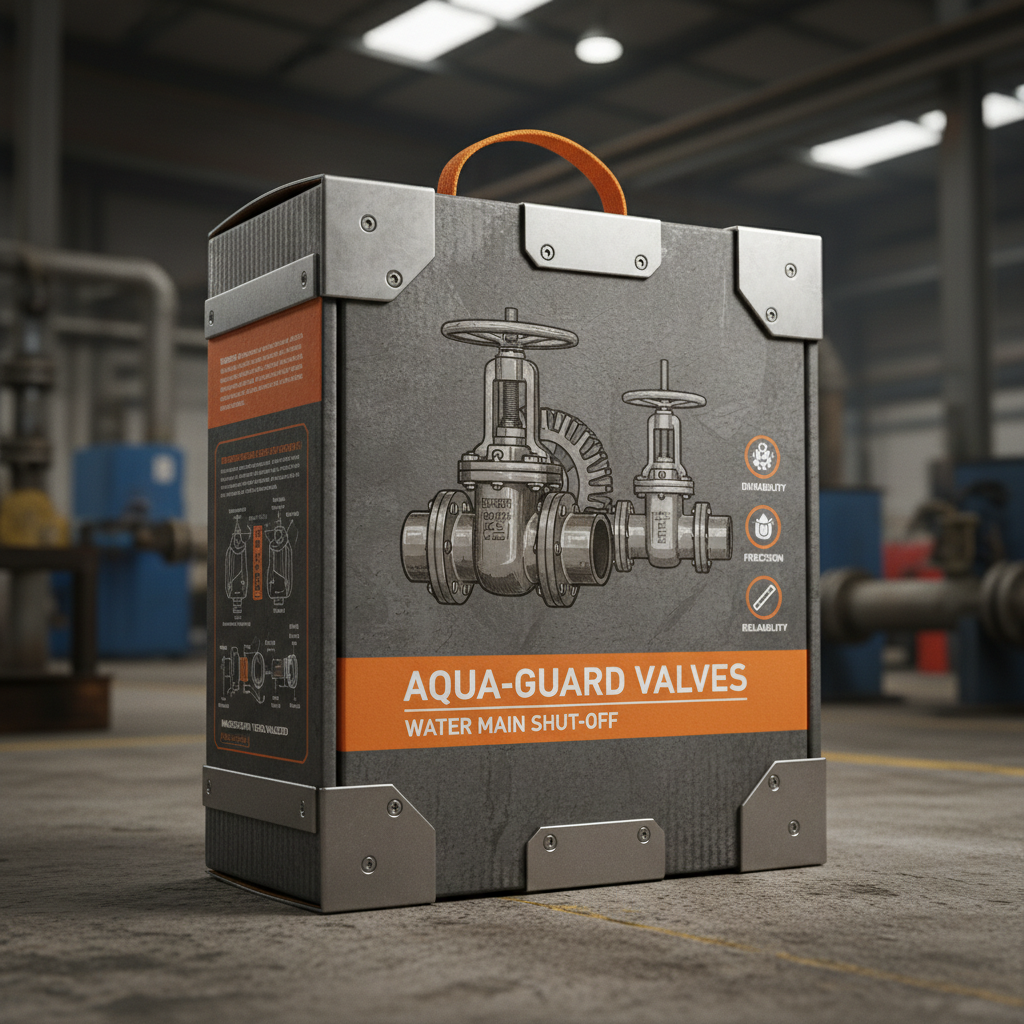
Introduction to Water Main Shut Off Valves
Water main shut off valves are integral to the seamless operation and maintenance of any potable water distribution network. Their primary purpose is to provide a reliable means of isolating specific segments of the water system, allowing for repairs, upgrades, or emergency responses without interrupting service to the entire community. These valves are often located within valve vaults or buried directly underground, requiring specialized equipment and trained personnel for operation.
The selection of appropriate water main shut off valves depends on a multitude of factors, including pipe material, pressure ratings, flow characteristics, and the specific application requirements. Failure to properly specify or maintain these valves can lead to costly leaks, water contamination, and prolonged service outages. water main shut off valves are vital for modern infrastructure.
Defining Water Main Shut Off Valves
A water main shut off valve is a mechanical device designed to control the flow of water through a pipeline. Unlike standard on/off valves, many water main shut off valves, particularly those used in larger diameter systems, are designed for infrequent operation – they are typically fully open or fully closed and are not intended for throttling flow. Their core function is to isolate sections of the water main, enabling repairs or replacements without widespread disruption.
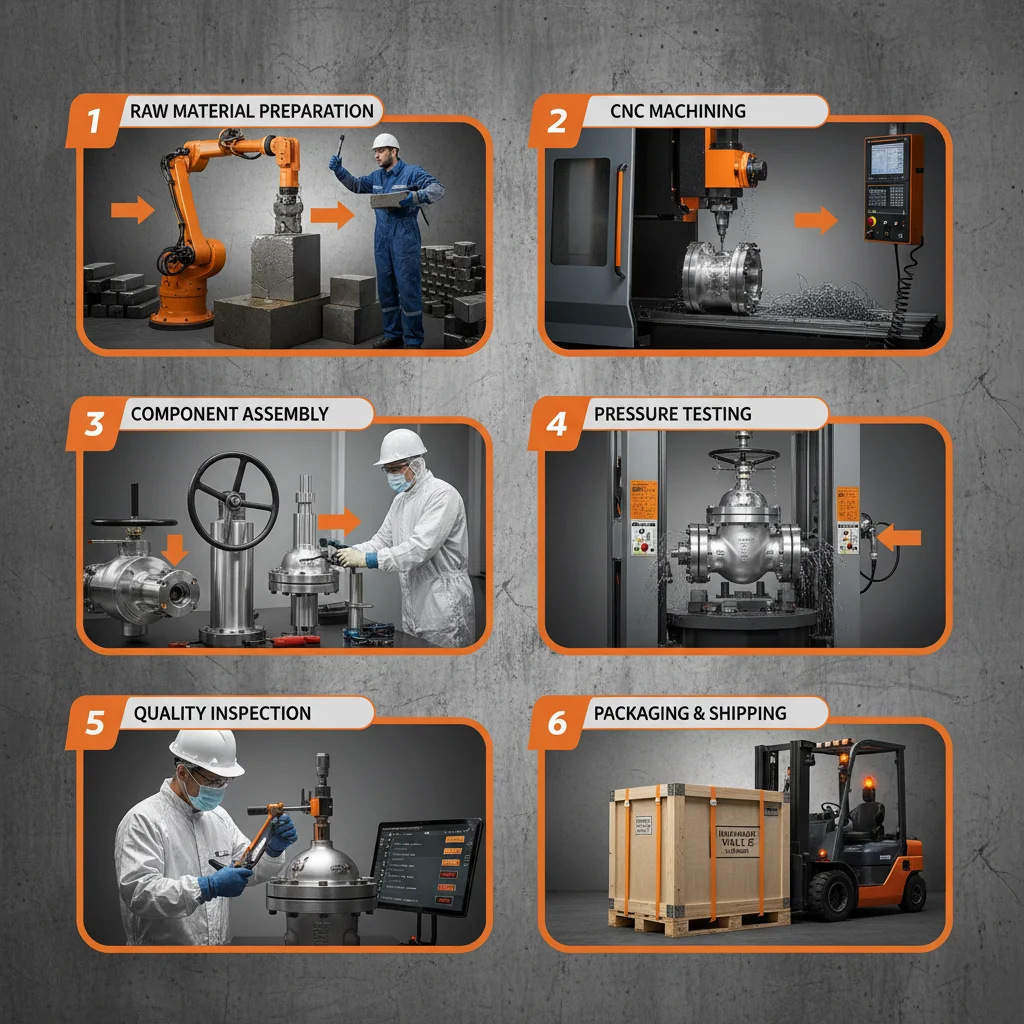
These valves are essential components of modern water infrastructure, directly addressing humanitarian needs by ensuring access to safe and reliable drinking water. A malfunctioning valve can quickly escalate into a public health crisis, highlighting the importance of quality manufacturing, regular inspection, and preventative maintenance. The lifespan of a water main shut off valve can range from decades to over a century, depending on the material, construction, and operational conditions.
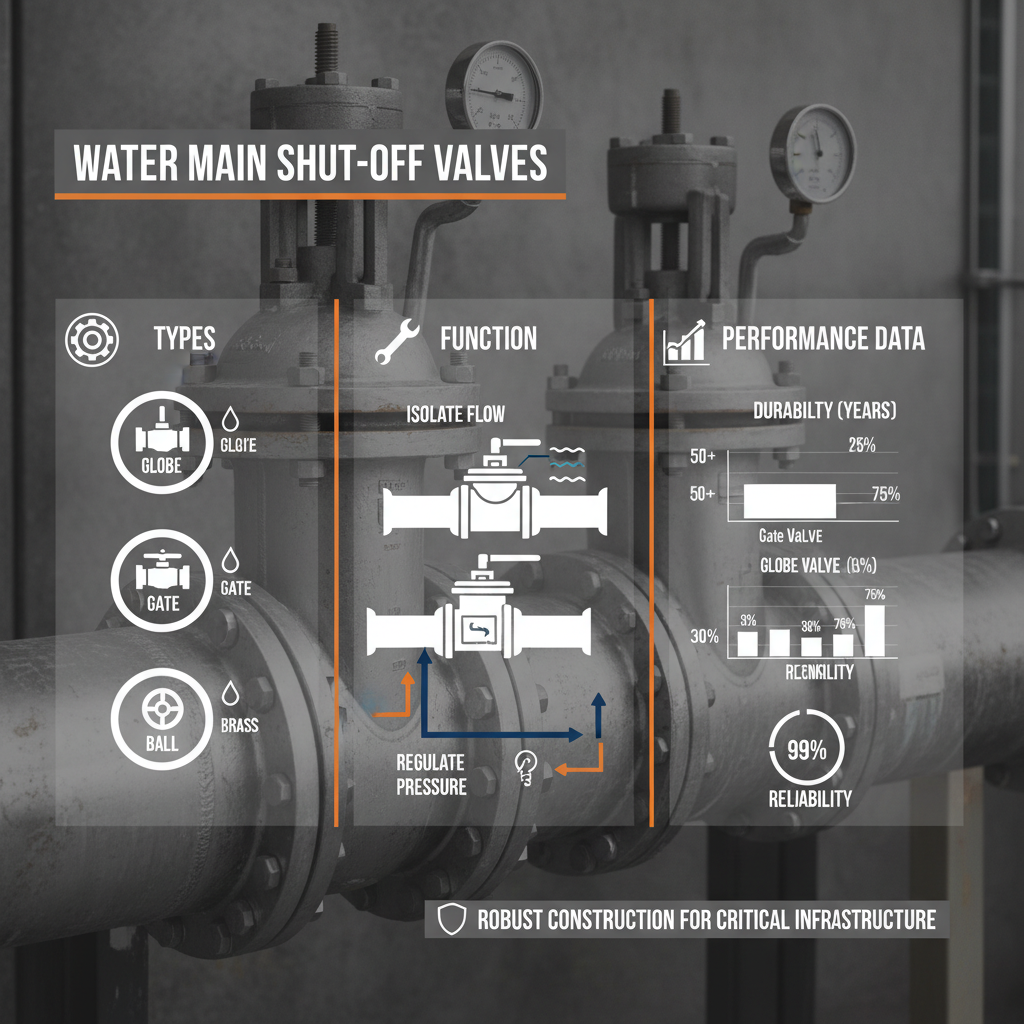
Various types of water main shut off valves exist, including gate valves, butterfly valves, plug valves, and ball valves, each with its own advantages and disadvantages depending on the specific application. The choice of valve type depends heavily on factors like pipe size, pressure requirements, and the nature of the fluid being controlled.
Key Factors in Water Main Shut Off Valve Selection
When selecting water main shut off valves, several key factors must be carefully considered to ensure optimal performance and longevity. One crucial aspect is Durability. Valves must be constructed from materials capable of withstanding the corrosive effects of water and soil, as well as the stresses associated with high water pressure and frequent temperature fluctuations. Materials like ductile iron, stainless steel, and epoxy-coated alloys are commonly used to enhance durability.
Compatibility with the existing piping system is also paramount. The valve’s end connections (flanged, mechanical joint, etc.) must seamlessly integrate with the pipe material and size. Utilizing incompatible connections can lead to leaks, structural failures, and costly repairs. Considering the water chemistry is also essential; certain materials may be susceptible to corrosion in specific water conditions.
Flow Characteristics dictate the valve's ability to minimize headloss – the reduction in water pressure caused by the valve itself. Valves with streamlined designs and full-bore openings minimize flow restriction, maximizing efficiency. Cost Efficiency is an important consideration, balancing initial purchase price with long-term maintenance and replacement costs. While cheaper valves may offer short-term savings, they often lack the durability and reliability of higher-quality options. Furthermore, Ease of Operation and Maintenance directly impacts operational efficiency and reduces labor costs. Valves with readily accessible operating mechanisms and minimal maintenance requirements are preferable. Finally, adherence to industry standards and certifications (e.g., AWWA) ensures the valve meets specific performance and safety requirements.
Global Applications of Water Main Shut Off Valves
Water main shut off valves are universally employed in municipal water distribution systems across the globe, from sprawling megacities to small rural communities. They are essential for managing water flow during routine maintenance, such as pipe repairs or hydrant replacements, and for responding to emergency situations like burst mains or contamination events. In North America, aging infrastructure presents a significant challenge, driving demand for replacement valves and advanced leak detection technologies.
In Europe, stringent water quality regulations and a focus on sustainability are driving the adoption of innovative valve materials and designs. Across Africa and Asia, rapidly expanding urban populations are placing enormous strain on existing water infrastructure, creating a critical need for reliable and affordable water main shut off valves. These valves are also vital in industrial settings, such as power plants and manufacturing facilities, where a consistent water supply is essential for operational processes. water main shut off valves have various applications.
In post-disaster relief operations, quickly deploying and operating water main shut off valves is critical for restoring water service to affected communities. In remote industrial zones, such as mining operations or oil refineries, these valves ensure the uninterrupted supply of water for essential processes. The adaptability of water main shut off valves makes them a cornerstone of water management in diverse environments worldwide.
Water Main Shut Off Valve Performance Comparison
Advantages and Long-Term Value
The advantages of utilizing high-quality water main shut off valves extend far beyond simply controlling water flow. From a cost perspective, investing in durable valves reduces the frequency of repairs and replacements, minimizing lifecycle expenses. From a sustainability standpoint, preventing leaks conserves precious water resources and reduces energy consumption associated with water treatment and distribution.
The social impact is equally significant, ensuring reliable access to safe drinking water, protecting public health, and supporting economic productivity. Reliability minimizes disruptions to essential services, such as hospitals, schools, and emergency response facilities. Choosing dependable water main shut off valves fosters trust within the community, demonstrating a commitment to responsible infrastructure management.
Future Trends and Innovations
The future of water main shut off valves is being shaped by several emerging trends. Smart valves, equipped with sensors and communication capabilities, are enabling remote monitoring, leak detection, and automated operation, enhancing operational efficiency and reducing response times. The development of new materials, such as advanced polymers and composite alloys, is leading to valves that are lighter, stronger, and more resistant to corrosion.
Digital transformation is driving the integration of water main shut off valves into broader smart city initiatives, enabling data-driven decision-making and optimized water resource management. Sustainability considerations are also driving the demand for valves with reduced carbon footprints and minimal environmental impact.
Challenges and Solutions
Despite advancements in technology, challenges remain in the effective management of water main shut off valves. One common issue is the lack of accurate valve inventory data, making it difficult to locate and operate valves during emergencies. Another challenge is the potential for corrosion and fouling, which can impede valve operation and lead to failures.
Solutions include implementing comprehensive valve asset management systems, utilizing non-destructive testing methods to assess valve condition, and developing corrosion-resistant coatings and materials. Regular valve exercising programs are also essential to ensure proper operation and prevent valves from becoming seized. Investing in training for water utility personnel on proper valve operation and maintenance is also crucial.
Furthermore, exploring advanced technologies like acoustic leak detection and predictive maintenance analytics can help proactively identify and address potential issues before they escalate into major problems.
Key Performance Indicators for Water Main Shut Off Valve Management
| Valve Condition Score |
Operating Cycle Frequency |
Leakage Incidence Rate |
Maintenance Cost/Valve |
| 9/10 (Excellent) |
Annually |
0.5% |
$50 |
| 7/10 (Good) |
Bi-annually |
1.2% |
$75 |
| 5/10 (Fair) |
Every 3 Years |
3.0% |
$150 |
| 3/10 (Poor) |
Never |
7.5% |
$300 |
| 8/10 (Good) |
Annually |
0.8% |
$60 |
| 6/10 (Fair) |
Bi-annually |
2.0% |
$100 |
FAQS
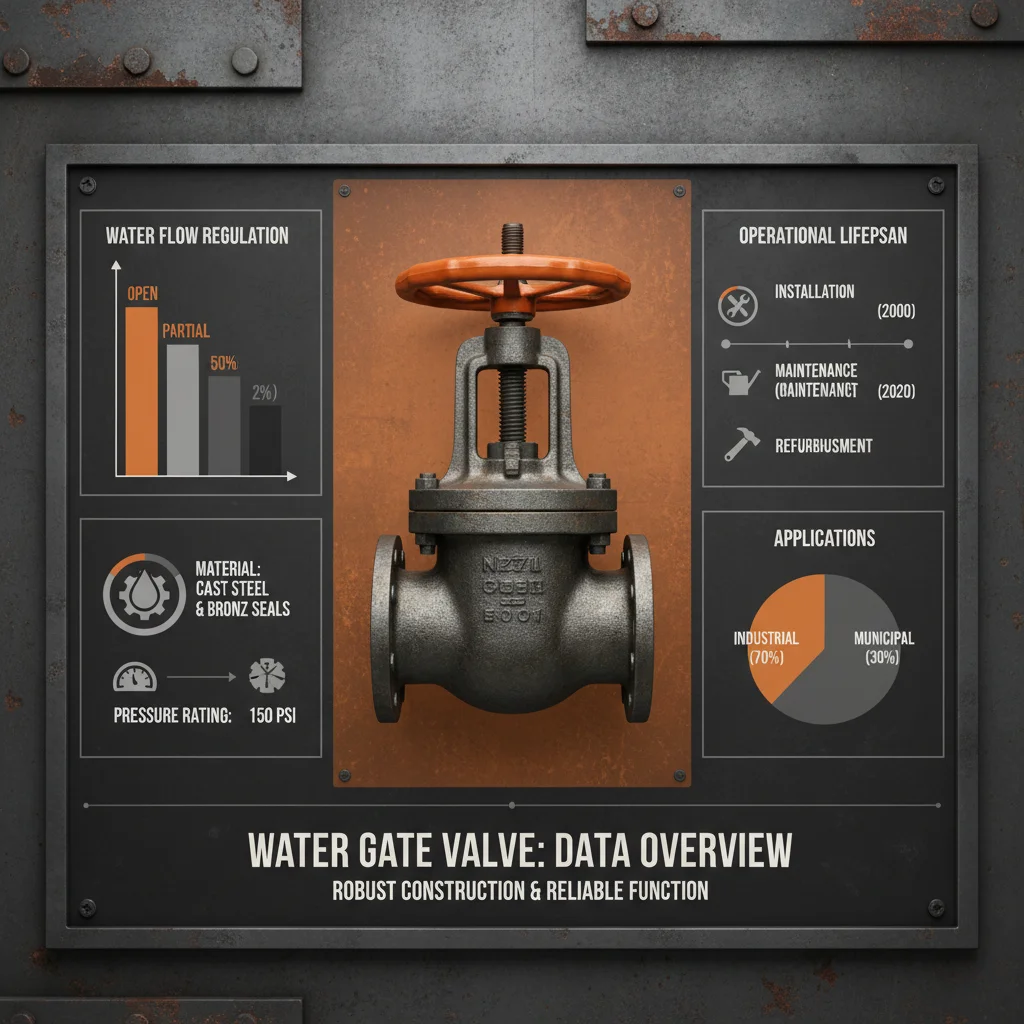
The lifespan of a water main shut off valve varies considerably depending on the material, construction, and operating conditions. Generally, well-maintained ductile iron or stainless steel valves can last for 50-100 years or even longer. However, valves installed in corrosive environments or subject to frequent operation may require replacement sooner. Regular inspections and preventative maintenance are crucial for maximizing valve lifespan.
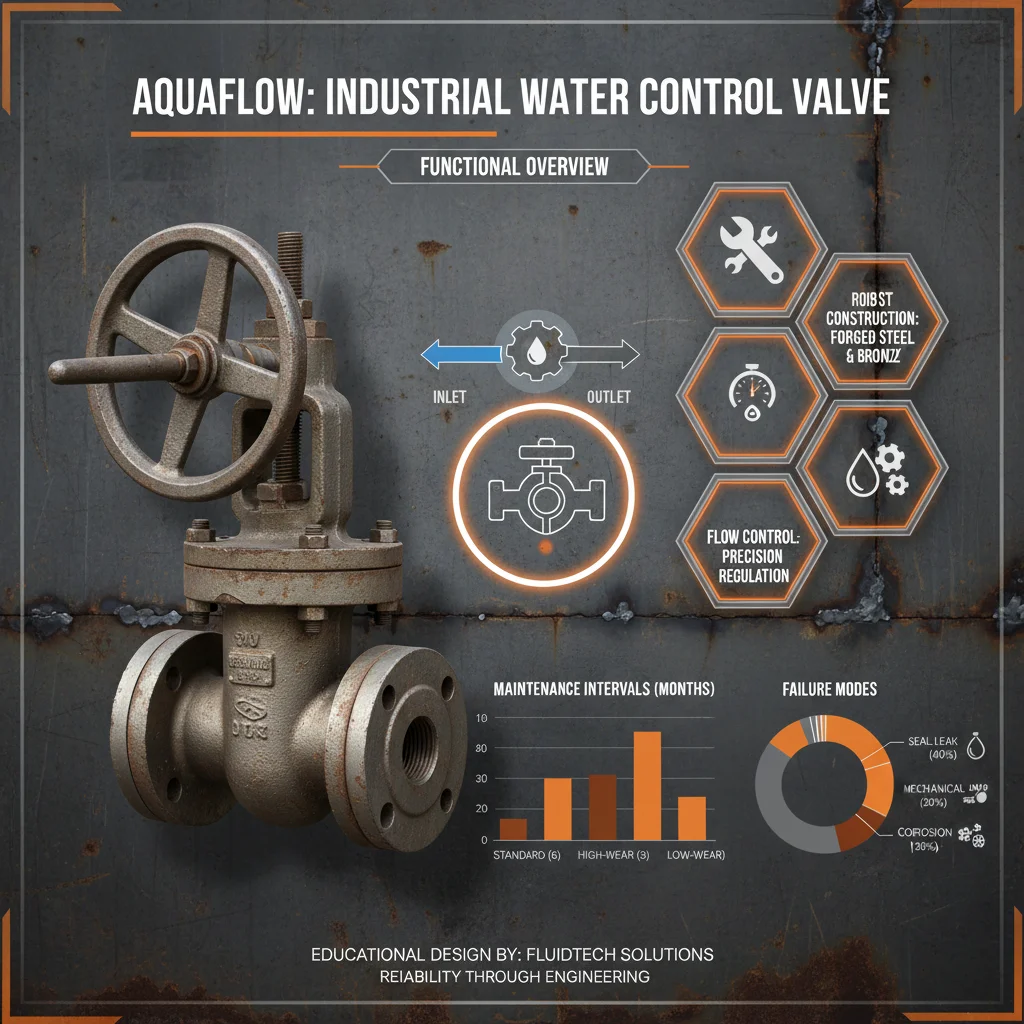
Water main shut off valves should be exercised at least annually, ideally twice a year. This process involves fully opening and closing the valve to ensure it operates smoothly and prevents it from becoming seized or corroded. Exercising also helps identify any potential issues before they escalate into major problems, reducing the risk of service disruptions.
Common causes of failure include corrosion, sedimentation, mechanical damage, and improper operation. Corrosion can weaken the valve body and internal components, leading to leaks or complete failure. Sediment buildup can impede valve movement, making it difficult to operate. Physical damage can occur during installation or due to external forces.
For large diameter water mains, gate valves and butterfly valves are typically preferred due to their ability to handle high flow rates and pressures. Gate valves offer excellent shut-off capabilities, while butterfly valves are more compact and lightweight. The specific choice depends on factors such as headloss requirements, operating frequency, and budget constraints.
Identifying the location of buried valves often requires reviewing as-built drawings, conducting ground penetrating radar (GPR) surveys, or utilizing valve locating technology. Valve boxes, if present, provide direct access. Accurate valve mapping is essential for efficient maintenance and emergency response. Maintaining up-to-date GIS data is crucial for accurate valve location information.
Smart valves are equipped with sensors and communication capabilities, allowing for remote monitoring of valve status, leak detection, and automated operation. They can provide real-time data on water flow, pressure, and valve position, enabling proactive maintenance and optimized water distribution. Smart valves contribute to reducing non-revenue water and improving overall system efficiency.
Conclusion
Water main shut off valves are the unsung heroes of our water infrastructure, quietly ensuring the reliable and safe delivery of this essential resource. Understanding their function, types, and proper maintenance is crucial for engineers, technicians, and municipalities alike. Investing in high-quality valves and implementing effective management strategies not only minimizes operational costs and prevents service disruptions but also protects public health and promotes sustainability.
Looking ahead, the integration of smart valve technology and data-driven analytics promises to revolutionize water management, enabling proactive leak detection, optimized flow control, and improved system resilience. By embracing innovation and prioritizing preventative maintenance, we can ensure that our water infrastructure remains robust and reliable for generations to come. For reliable water main shut off valves, visit our website: www.strmachinerys.com.