
• product_cate
0%

Table of Contents

Water main valves are critical components of any municipal or industrial water distribution system. These valves control the flow of water through underground pipes, enabling maintenance, repairs, and emergency shutdowns. Their reliable operation is essential for public health, fire protection, and economic stability. Understanding the different types, applications, and maintenance requirements of water main valve systems is paramount for engineers, technicians, and water utility professionals alike. Investing in high-quality water main valves and implementing effective maintenance programs minimizes disruptions and ensures a consistent, safe water supply.

Globally, access to clean and reliable water sources remains a significant challenge. Aging infrastructure, population growth, and climate change are exacerbating the problem. Effective water distribution networks, underpinned by robust water main valve systems, are crucial for addressing these issues. Improvements in materials, designs, and monitoring technologies are continually evolving the field, offering solutions to increase efficiency and reduce water loss. The importance of efficient water management is reflected in Sustainable Development Goal 6 of the United Nations, which aims to ensure availability and sustainable management of water and sanitation for all.

The increasing demand for water and the need to conserve this precious resource highlight the vital role of water main valves. Properly functioning valves minimize leakage, optimize flow rates, and allow for targeted interventions within the water network. Beyond functionality, modern water main valve systems are increasingly incorporating smart technologies for remote monitoring and control, contributing to a more proactive and resilient water infrastructure.
water main valve

Introduction to Water Main Valves

water main valve

Water main valves are the unsung heroes of our water supply systems. They aren't glamorous, but they are absolutely essential for ensuring that clean, safe water reaches homes, businesses, and critical infrastructure. These valves are designed to regulate, direct, or isolate water flow, preventing wastage and facilitating crucial maintenance activities. Their robust design and reliable performance are paramount to public safety and efficient resource management.

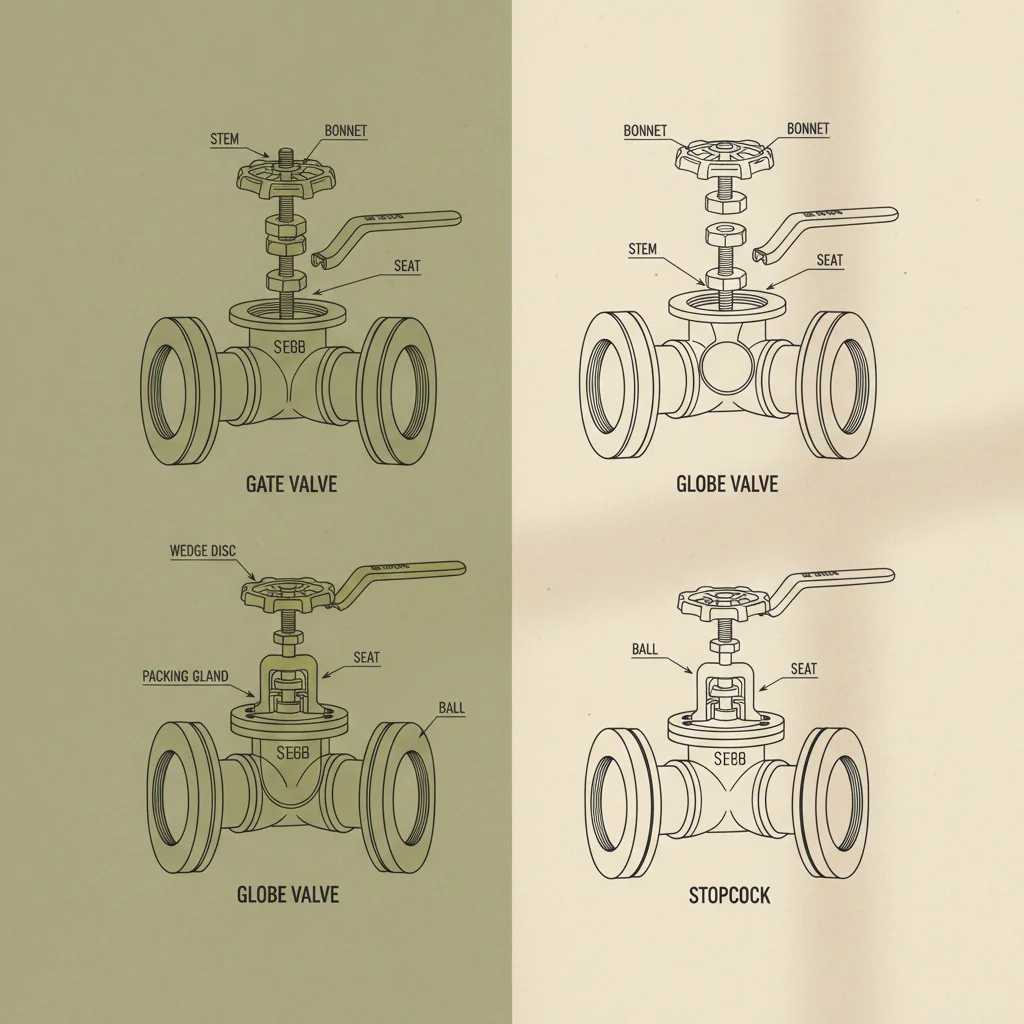
Different types of water main valves – gate valves, butterfly valves, check valves, and pressure-reducing valves being among the most common – are selected based on specific application requirements. Factors such as pipe size, flow rate, pressure, and the type of fluid being controlled all influence the choice of valve. Understanding these nuances is crucial for optimal system performance and longevity.

Global Relevance and Challenges

The global water crisis is intensifying, with increasing demand, dwindling resources, and aging infrastructure putting immense strain on water distribution networks. According to the World Bank, billions of people worldwide lack access to safely managed drinking water. Leaks in water distribution systems are a major contributor to water loss, with an estimated 30-40% of treated water lost before reaching consumers in some regions. Effective water main valve management is a vital component of addressing these challenges.

The UN Sustainable Development Goal 6 (Clean Water and Sanitation) emphasizes the importance of universal and equitable access to safe and affordable drinking water. Achieving this goal requires significant investment in water infrastructure, including the modernization and expansion of water main valve systems. This investment must be coupled with innovative technologies and best practices for leak detection, repair, and preventative maintenance.

Furthermore, climate change presents a growing threat to water security. More frequent and intense droughts and floods are disrupting water supplies and increasing the risk of infrastructure damage. Robust water main valve systems are crucial for adapting to these changing conditions, allowing for flexible water management and rapid response to emergencies.

Defining Water Main Valves

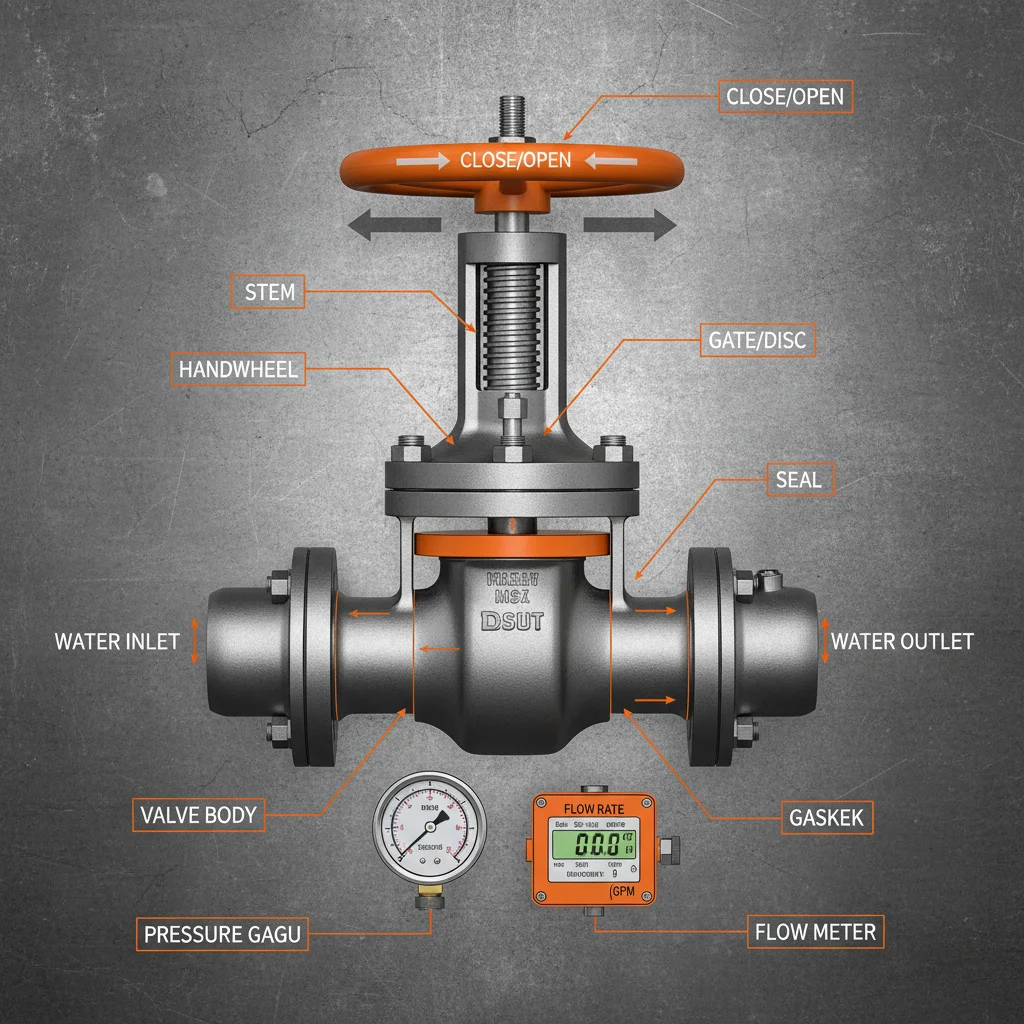
A water main valve is a mechanical device installed within a water distribution pipeline to control the flow of water. These valves are designed to start, stop, or regulate the amount of water moving through the system. Unlike faucets which control water at the point of use, water main valves operate on the larger distribution network, serving entire sections of a city or industrial facility.

The primary function of a water main valve is to isolate sections of the pipeline for maintenance, repair, or emergency shutdown. This prevents widespread disruption to the water supply while allowing for localized work. Different types of valves are suited for different applications, with factors such as flow characteristics, pressure drop, and ease of operation influencing the selection process.

In essence, water main valves are the critical control points within a water distribution system. They facilitate efficient operation, ensure water quality, and protect public health. Modern water main valves are often equipped with features like remote monitoring and automated control to enhance performance and reduce operational costs.

Key Characteristics of Water Main Valves

Several core characteristics define the quality and effectiveness of a water main valve. First and foremost is durability. These valves are often buried underground and subjected to harsh environmental conditions, requiring robust materials and corrosion-resistant coatings.

Reliability is another crucial factor. A failing valve can lead to significant water loss, damage to infrastructure, and disruption of services. Valves must be designed and manufactured to withstand repeated cycles of operation and maintain a tight seal under varying pressure conditions.

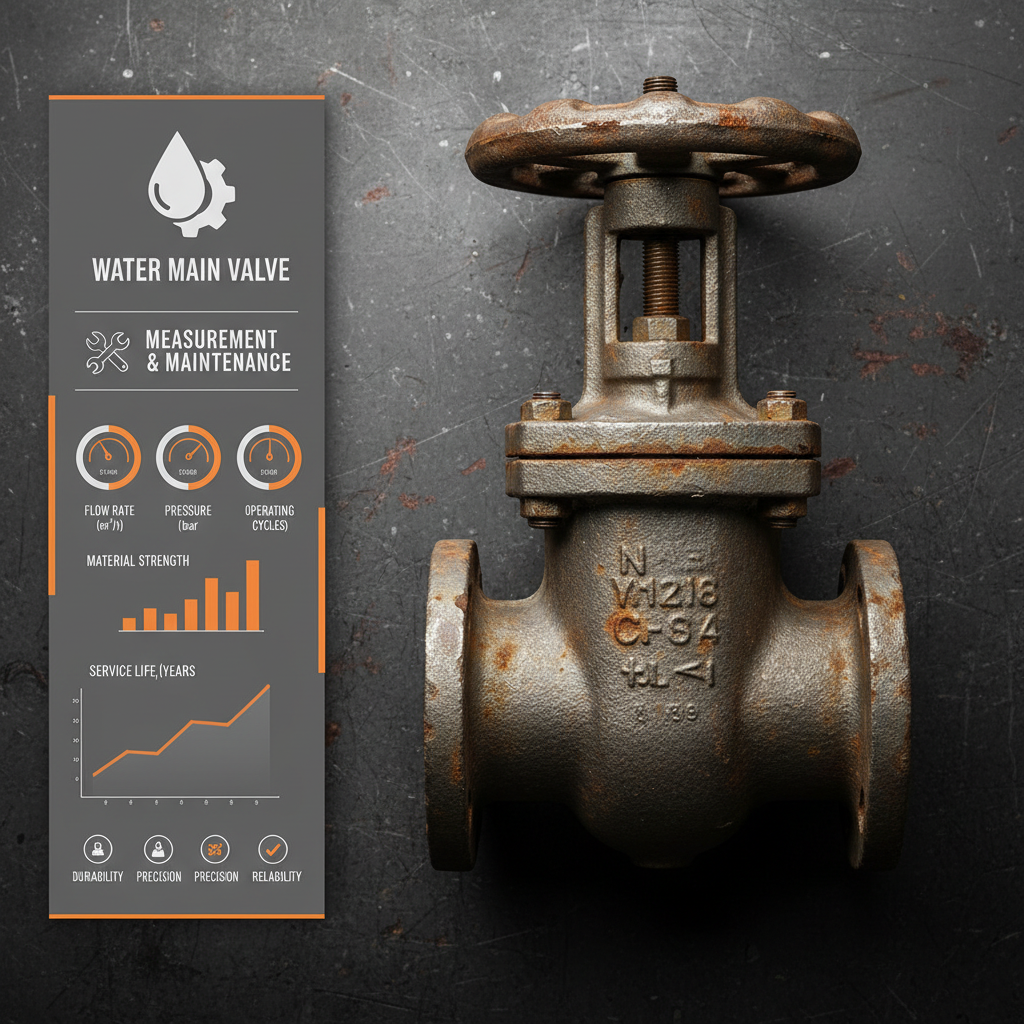
Water Main Valve Performance Metrics

Applications in Diverse Industries

Water main valve systems are integral to a wide range of industries beyond municipal water supply. In the oil and gas sector, they control the flow of various fluids through pipelines, ensuring safe and efficient transport. Power generation plants utilize water main valves for cooling systems and steam distribution.

The agricultural industry relies on them for irrigation systems, enabling precise water delivery to crops. Manufacturing facilities use water main valves in process water systems and wastewater treatment. Even in firefighting, strategically placed water main valves allow firefighters to quickly isolate sections of the water network and ensure a reliable water supply.

Advantages and Long-Term Value

Investing in high-quality water main valve systems yields numerous long-term benefits. Reduced water loss translates directly into cost savings for utilities and consumers. Improved reliability minimizes disruptions to the water supply, enhancing public health and economic productivity. Furthermore, effective valve management contributes to the sustainability of water resources.

The long-term value extends beyond economic considerations. Reliable water infrastructure enhances community resilience, ensuring access to clean water even during emergencies. The peace of mind that comes with knowing your water supply is secure and well-managed is invaluable. A well-maintained water main valve system is a cornerstone of a thriving and sustainable community.

Future Trends and Innovations

The future of water main valve technology is focused on smart solutions and proactive maintenance. Remote monitoring systems utilizing sensors and data analytics are gaining traction, allowing utilities to detect leaks, monitor pressure, and optimize performance in real-time. Automated valve control systems are also becoming more prevalent, enabling rapid response to changing conditions and minimizing manual intervention.

Materials science is also playing a role, with the development of new alloys and coatings that offer improved corrosion resistance and extended service life. Digital twin technology is enabling virtual modeling of water distribution networks, allowing for predictive maintenance and optimized valve placement. The integration of these innovations will transform water main valve systems into intelligent components of a more sustainable and resilient water infrastructure.

The increasing focus on sustainability is driving demand for eco-friendly valve materials and energy-efficient designs. Smart water management systems, powered by advanced data analytics, will play a crucial role in optimizing water usage and minimizing environmental impact.

FAQS

What is the typical lifespan of a water main valve?

The lifespan of a water main valve varies depending on the material, operating conditions, and maintenance practices. Generally, cast iron valves can last 50-100 years, while ductile iron valves typically have a lifespan of 75-125 years. Modern resilient-seated valves may have a lifespan of 50-75 years. Regular inspections and preventative maintenance are crucial for maximizing the lifespan of any water main valve.

How often should water main valves be exercised?

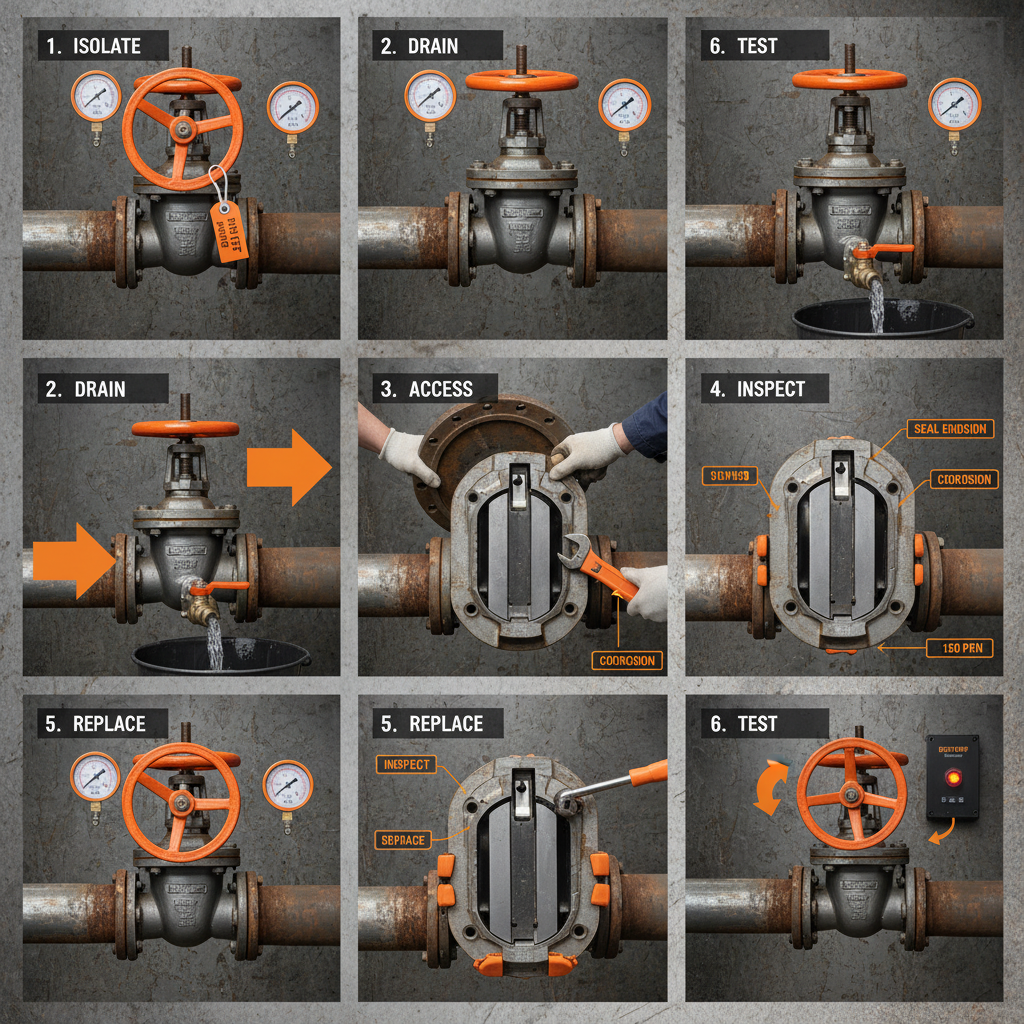
Water main valves should be exercised at least annually, and preferably twice a year. Exercising involves fully opening and closing the valve to ensure it operates smoothly and prevents corrosion buildup. A comprehensive valve exercising program helps identify and address potential issues before they lead to failures, minimizing disruption to the water supply.

What are the main causes of water main valve failure?

Common causes of water main valve failure include corrosion, sedimentation, damage from external forces, and improper operation. Corrosion is a major factor, particularly in older valves made from susceptible materials. Sediment buildup can impede valve movement, while external damage can occur during excavation or construction activities. Regular inspections and maintenance can help mitigate these risks.

What is the difference between a gate valve and a butterfly valve for water mains?

Gate valves are traditionally used for isolation and offer minimal flow restriction when fully open. However, they are slower to operate and require more maintenance. Butterfly valves provide quicker operation and lower cost, but offer more flow restriction and aren’t ideal for throttling. The choice depends on the specific application requirements and priorities.

How do smart water valves improve water management?

Smart water valves incorporate sensors and communication technologies, enabling remote monitoring of valve status, pressure, and flow rates. This data allows utilities to detect leaks, optimize water distribution, and respond quickly to emergencies. Automated control features can also be implemented to adjust valve positions based on real-time demand and system conditions.

What is the role of valve boxes in protecting water main valves?

Valve boxes are protective enclosures installed around water main valves to shield them from the elements and prevent damage from traffic, excavation, and other external forces. They provide easy access for maintenance and operation, while also ensuring the valve remains secure and functional. Regular inspection and maintenance of valve boxes are essential to ensure their effectiveness.

Conclusion

In conclusion, water main valves are indispensable components of modern water infrastructure. Their reliable operation is critical for public health, economic stability, and environmental sustainability. Understanding the different types of valves, their applications, and the importance of proactive maintenance is essential for water utility professionals and engineers. Investing in high-quality valve systems and embracing innovative technologies will ensure a secure and resilient water supply for generations to come.

Looking ahead, the integration of smart technologies, sustainable materials, and proactive maintenance programs will transform water main valve systems into intelligent components of a more efficient and resilient water network. Prioritizing these advancements is not merely an operational necessity, but a vital step towards ensuring equitable access to this precious resource and safeguarding our planet's water future. Visit our website at www.strmachinerys.com to learn more about our comprehensive range of water main valve solutions.

David Chen

David Chen

David Chen serves as the Senior Manufacturing Engineer at Storaen. A graduate of MIT with a focus on mechanical engineering, David specializes in optimizing casting processes and implementing advanced welding techniques. He’s instrumental in ensuring the efficiency of our Botou facility and its seamless integration with our supply chain. David’s current project involves researching and integrating robotic automation for improved precision in valve manufacturing. He’s a firm believer in continuous improvement and encourages his team to embrace innovation. David regularly analyzes production data to identify bottlenecks and implement solutions, leading to increased output and reduced waste. He is passionate about sustainable manufacturing practices.
Previous Essential Guide to Water Meter Shut Off Valves for Efficient Water Management
Next Essential Water Main Shut Off Valves for Reliable Infrastructure Management

If you are interested in our products, you can choose to leave your information here, and we will be in touch with you shortly.