
NEWS
-
Essential Water Valves for Sustainable Water Management and Infrastructure
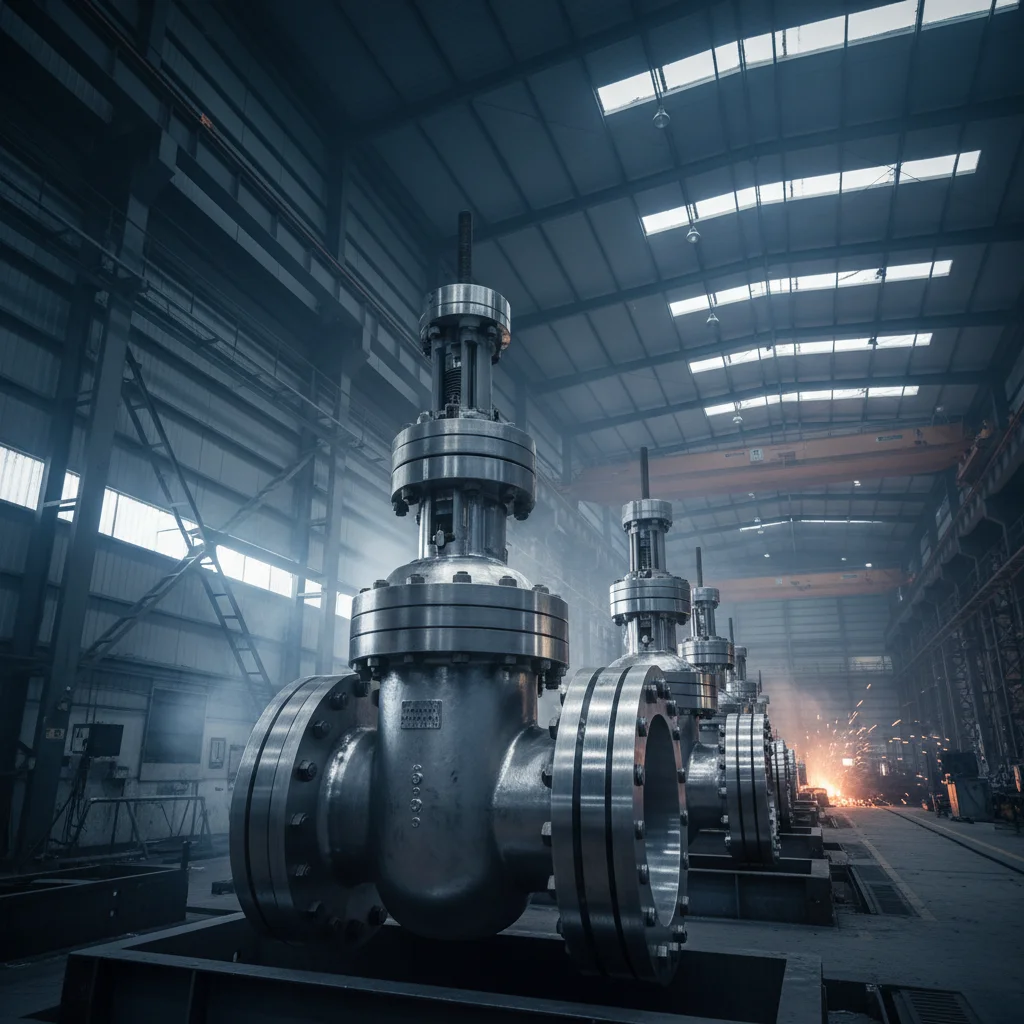
Water valves are fundamental components in countless systems globally, regulating the flow of this essential resource. From providing clean drinking water to homes and businesses to supporting complex industrial processes and agricultural irrigation, their reliable operation is critical for modern life. Understanding the different types, applications, and emerging technologies surrounding water valves is paramount for engineers, technicians, and anyone involved in water management. Properly functioning water valves ensure efficiency, safety, and sustainability in diverse sectors. The global demand for water is increasing due to population growth, urbanization, and climate change. This rising demand places immense pressure on existing water infrastructure, necessitating advancements in valve technology to minimize leaks, optimize flow, and reduce waste. Moreover, stringent environmental regulations are driving the need for valves that contribute to water conservation and pollution control. The effective management of water valves is a key component in meeting these challenges and ensuring water security for future generations.Read more -

Comprehensive Guide to 2.5 Inch Check Valves for Industrial Applications
Understanding 2.5 Inch Check Valves: A Comprehensive Gu […]Read more -
Understanding the Functionality and Applications of a 2.5 Check Valve System
Understanding the Functionality and Applications of a 2 […]Read more -
Robust All Metal Valve Design Materials and RealWorld Performance
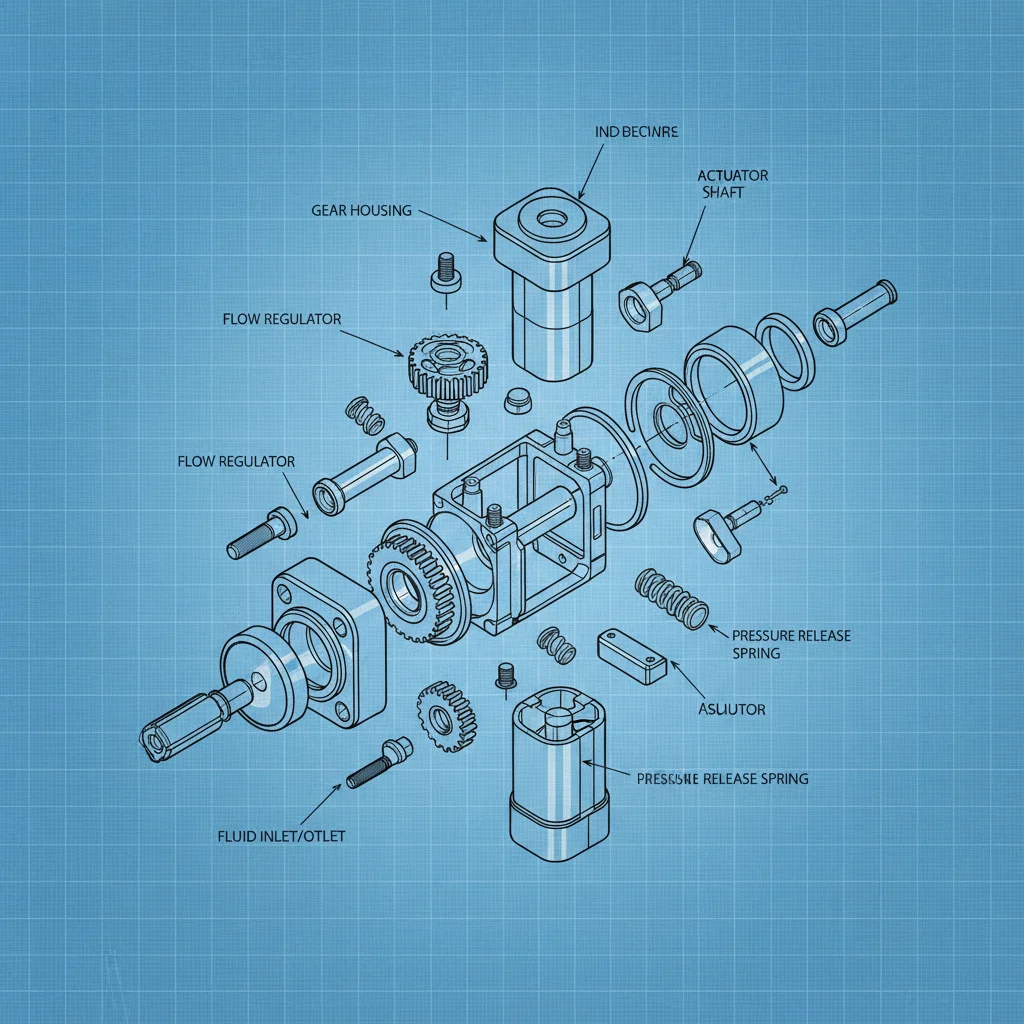
To be honest, the whole industry is buzzing about minimizing weight, right? Every engineer I talk to is obsessed with shaving off grams. It's not just about cost, though that's a big part of it. It's about ease of installation, less stress on the structure… all that jazz. And you wouldn't believe the things they're trying – composites, new alloys… it's a constant race. Have you noticed how many designs just look good on paper but are a nightmare on site? Like, a beautiful, streamlined housing that completely blocks access to a critical adjustment screw. I encountered this at the Zhengzhou valve factory last time. The designers were so proud, but the maintenance guys were ready to riot. Seriously. It's a classic. When it comes to all metal valve, it's different. It's gotta be robust. We're talking 316 stainless steel mostly, sometimes even Hastelloy C-276 for really corrosive environments. You can smell the machining oil on it when it first arrives, that almost metallic, sharp scent.Read more -
Comprehensive Guide to 2 Threaded Check Valve Function and Applications
Understanding 2 Threaded Check Valve: A Comprehensive G […]Read more -
Comprehensive Guide to 2 Inch Quiet Check Valve Selection and Applications
Understanding the 2 Inch Quiet Check Valve: A Comprehen […]Read more -
Comprehensive Guide to 2 Inch Check Valve Selection and Applications
Understanding the 2 Inch Check Valve: A Comprehensive G […]Read more -
The Importance of Durable Metal Valve Selection and Real World Performance
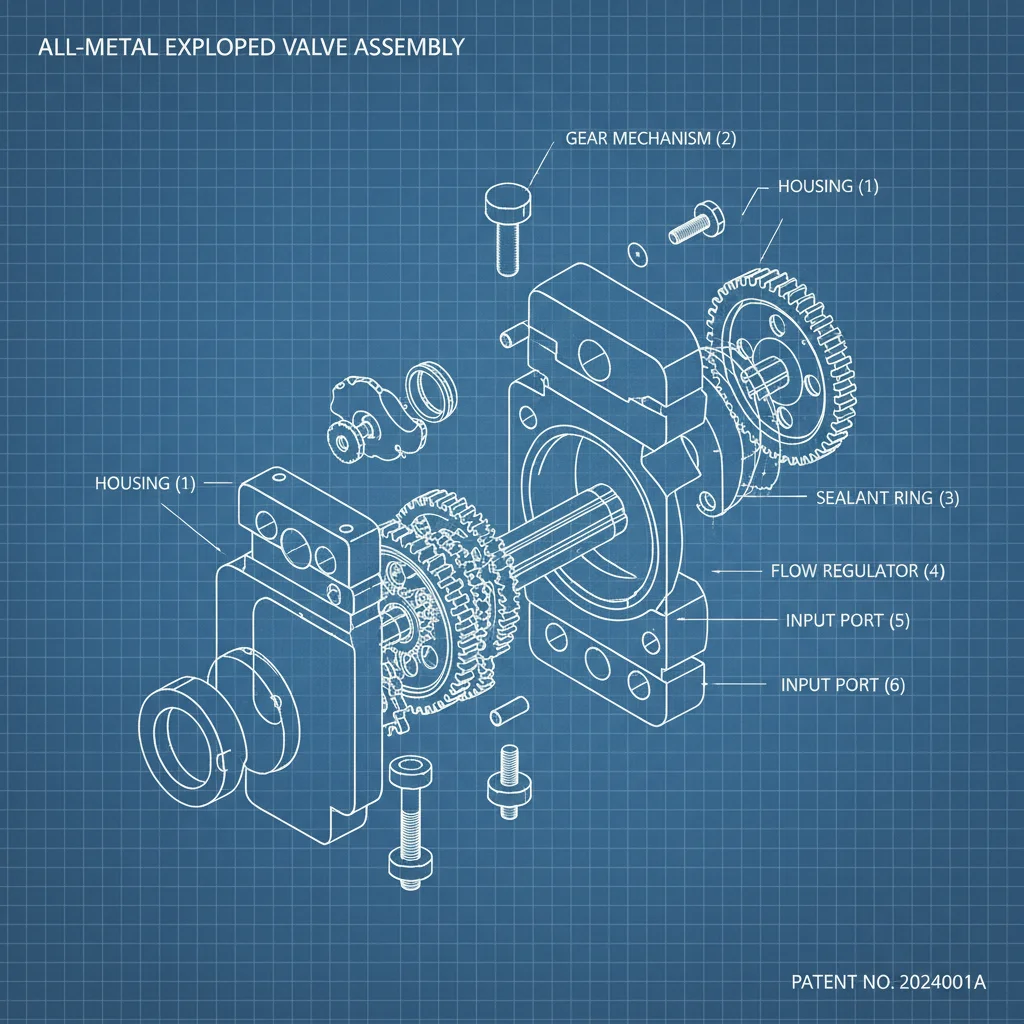
You know, these days everyone’s talking about smart valves, digital monitoring, predictive maintenance… honestly, it’s a bit much. Been seeing a lot of it at trade shows, all flashing lights and promises. But I’ve been on enough construction sites to know that a valve is still just a valve – it needs to hold. And that’s where things get interesting. It’s not just about fancy sensors, it’s about the actual metal, the seals, how it feels in your hand. To be honest, I spend more time worrying about simple stuff like corrosion resistance than I do about Bluetooth connectivity. We’re dealing with chemicals, seawater, sometimes even just plain old mud. Have you noticed how quickly even stainless steel can pit if you're not careful? It's a nightmare. And then the engineers come back and ask why the valve failed… I just point to the spec sheet and say, "You cheaped out on the alloy." It's the little things, really. Like the weight. A good metal valve – we primarily use 316 stainless, sometimes duplex for really harsh environments – has a heft to it.Read more -
The Importance of Reliable Design in the Modern Industrial Valve
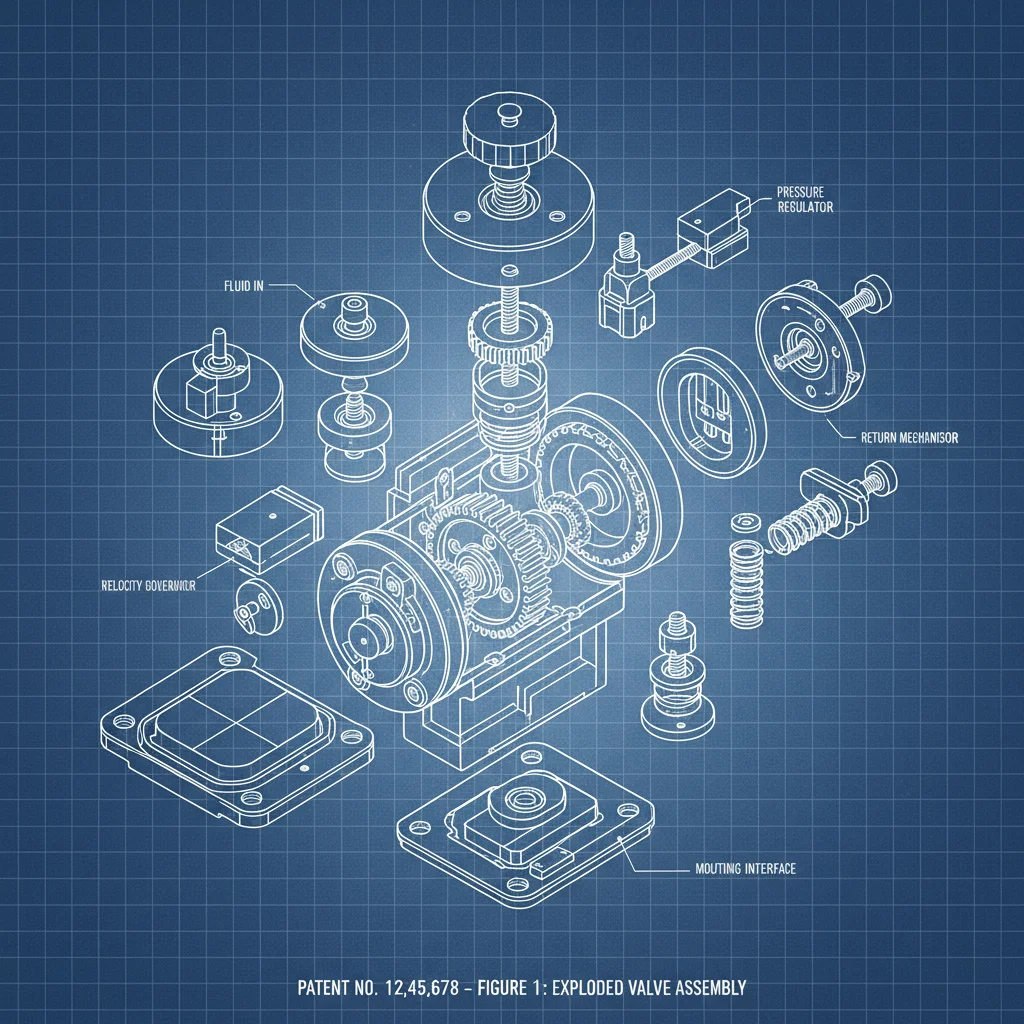
Listen, I’ve been running around construction sites for fifteen years now, seen all sorts of things. Lately, everyone’s talking about smart valves, integrated systems… all well and good, but honestly, the basics still matter the most. People get so caught up in the bells and whistles, they forget about a solid design. It's all about reliability, you know? Because when a valve fails, it fails. It doesn’t politely ask to be fixed. Have you noticed how many supposedly “high-tech” valves have ridiculously complicated interfaces? They look great in the brochure, but try finding a mechanic who wants to spend an hour deciphering the manual when there’s a leak. That's where things fall apart, real quick. And don't even get me started on materials. Everyone’s chasing the latest alloys and polymers, but a well-machined brass valve, properly maintained, will outlast half of them. The smell of brass shavings, though… that’s a smell that means quality, I tell ya. It’s a solid, reassuring feel in your hand.Read more -
Understanding the Functionality and Diverse Applications of 2 Check Valve Systems
Understanding 2 Check Valve Functionality and Applicati […]Read more -

The Critical Role of Valves in Modern Construction and Industrial Applications
You know, I’ve been running around construction sites for, well, too long to remember. These days, everyone’s talking about prefabrication, modular builds, and getting things off-site. It's the only way to get any skilled labor anymore, frankly. Everyone's chasing efficiency, chasing speed. It’s good, it's progress, but it also means everyone's expecting more from… everything. Specifically, from valves. Seems simple enough, right? A valve is a valve. But trust me, it's never that simple. I've seen projects held up – seriously held up – because of a seemingly insignificant valve failure. A tiny leak here, a bit of corrosion there… it adds up. Especially with the new materials everyone’s using. They want exotic alloys, plastics that can withstand temperatures that would melt your boots. And it all comes down to the valve. It has to hold. It has to regulate. It has to just work. Honestly, you wouldn’t believe the amount of time I spend just checking valve specs. It’s not glamorous, but it’s necessary. You think engineers spend enough time down in the trenches? They don’t.Read more -
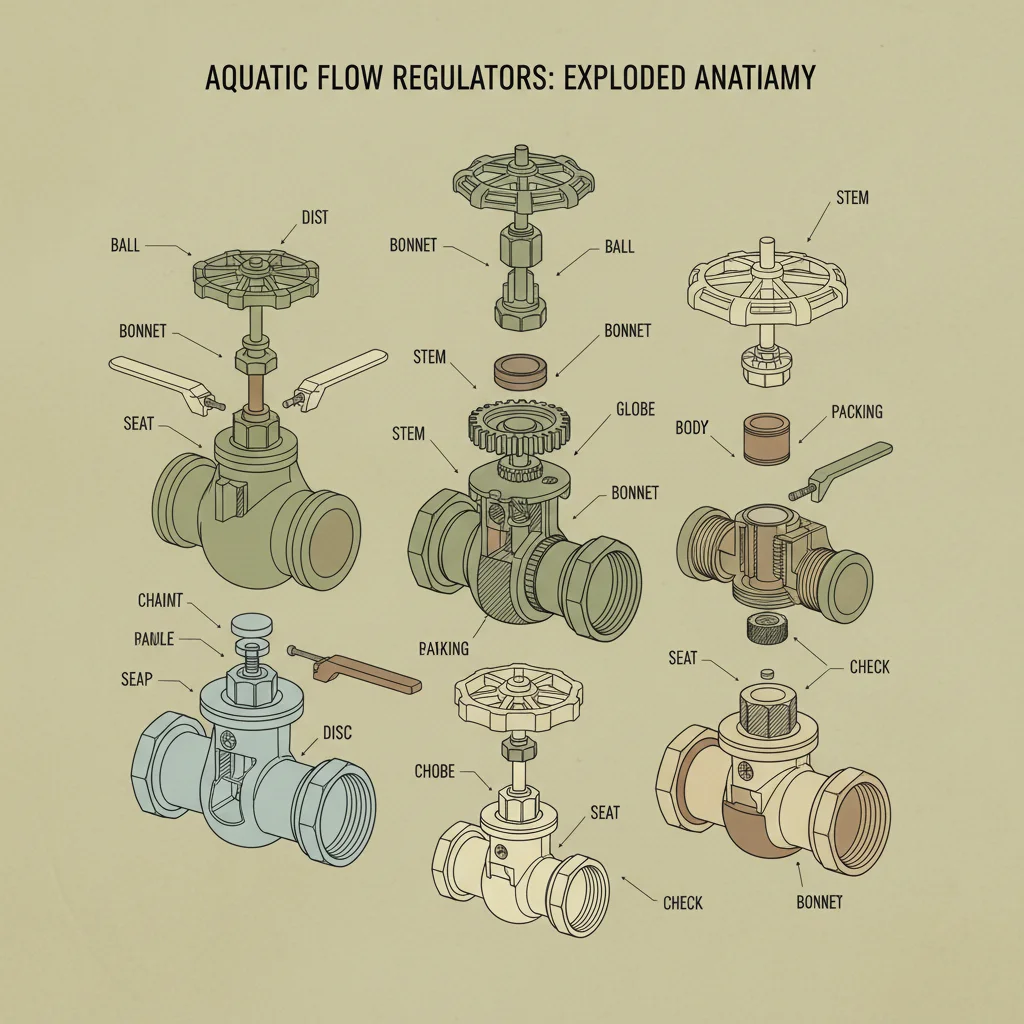
Understanding the Diverse World of Types of Water Valve for Modern Infrastructure
To be honest, things have been moving fast lately. Everyone's talking about prefabrication, modular construction, and, you know, just getting things built faster. It's not just about speed, though; it's about controlling costs, especially with material prices jumping around like crazy. I've been seeing a lot more demand for higher-quality water valve systems—not just the cheap stuff. People are realizing you get what you pay for, especially when things are critical. Have you noticed how everyone wants "smart" everything these days? Smart valves, remote monitoring... It’s good, don’t get me wrong, but it adds complexity. And complexity, on a construction site, usually means more things that can go wrong. It's easy to get caught up in the tech and forget about the fundamentals, you know? A valve's gotta seal, first and foremost.Read more