

Feb . 02, 2026 16:39 Back to list
Comprehensive Guide to 2 Inch Check Valve Selection and Applications
Understanding the 2 Inch Check Valve: A Comprehensive Guide
A 2 inch check valve is a crucial component in many fluid handling systems, ensuring unidirectional flow and preventing backflow. This article will provide a thorough overview of these valves, covering their function, types, applications, materials, and key considerations for selection. Proper understanding of 2 inch check valves is paramount for efficient and safe operation of various industrial processes. We'll delve into the factors that contribute to their effectiveness and longevity.
What is a 2 Inch Check Valve and How Does it Work?
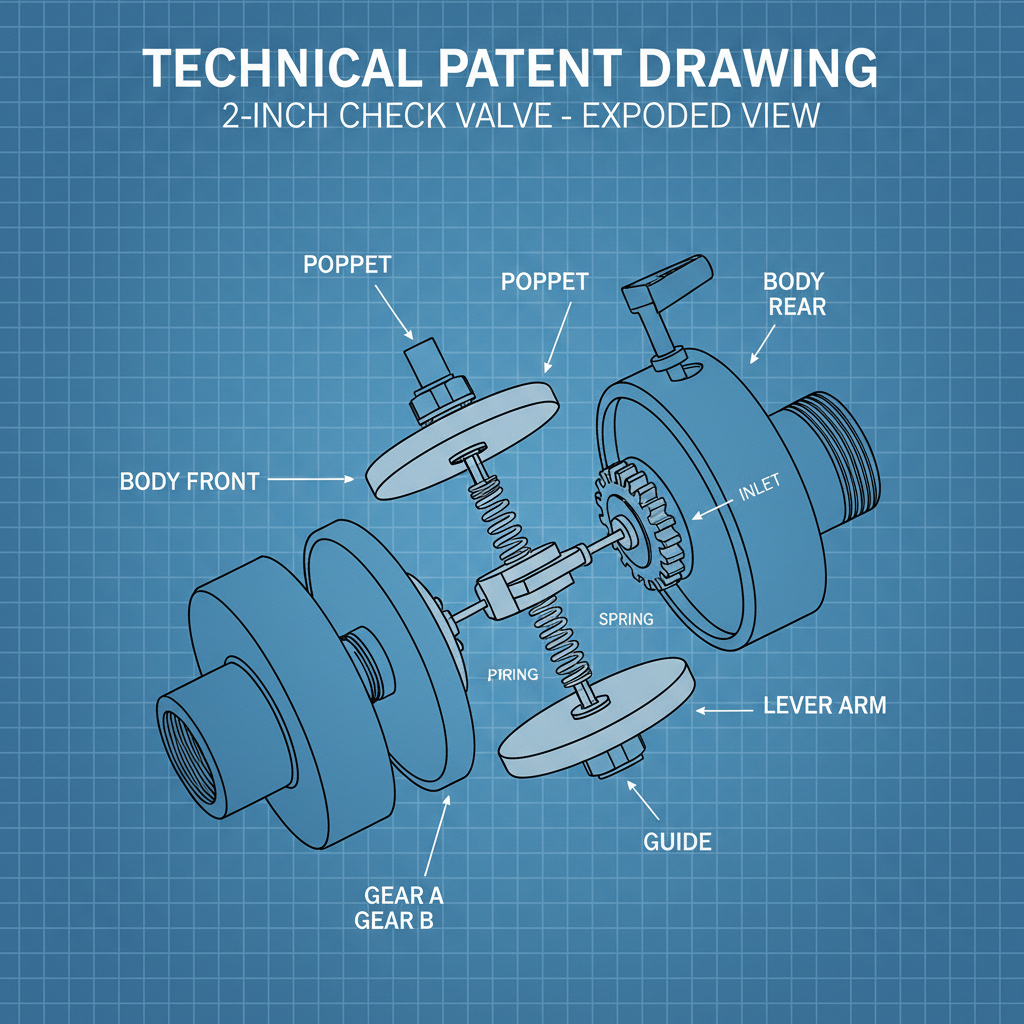
A 2 inch check valve is a mechanical device designed to allow fluid to flow in only one direction. It automatically opens when pressure is applied on the inlet side and closes when the pressure reverses, preventing backflow. The "2 inch" refers to the nominal pipe size it's designed to fit. This prevents contamination, protects pumps from damage, and maintains system integrity. They are typically found in pipelines that carry water, oil, chemicals, and other fluids. Check valves operate using various mechanisms, which we’ll explore in the next section.
Key Benefit: Preventing backflow protects pumps, compressors, and other critical equipment, reducing maintenance costs and downtime.
Types of 2 Inch Check Valves
There are several types of 2 inch check valves, each with its own advantages and disadvantages. Common types include swing check valves, lift check valves, ball check valves, and diaphragm check valves. Swing check valves are widely used due to their simple design and low pressure drop. Lift check valves are suitable for applications where space is limited. Ball check valves are known for their tight shut-off capabilities, and diaphragm check valves are ideal for handling corrosive fluids. The choice of valve depends on the specific application requirements.
Key Check Valve Types:
• Swing Check Valve: Simple, low pressure drop, common.
• Lift Check Valve: Compact, good for vertical pipelines.
• Ball Check Valve: Tight shut-off, good for high pressures.
• Diaphragm Check Valve: Excellent for corrosive fluids.
2 Inch Check Valve: Materials of Construction
The materials used to construct a 2 inch check valve are critical to its performance and longevity. Common materials include cast iron, stainless steel, brass, and PVC. Stainless steel is preferred for corrosive environments and high-temperature applications. Brass is suitable for water and other non-corrosive fluids. PVC is a cost-effective option for low-pressure applications. The selection of material should be based on the fluid being handled, the operating temperature, and the pressure requirements.
Applications of 2 Inch Check Valves
2 inch check valves are found in a wide range of applications, including water treatment plants, chemical processing facilities, oil and gas pipelines, and irrigation systems. They are used to protect pumps, prevent backflow contamination, and maintain system efficiency. In wastewater treatment, they prevent the reversal of flow in sewage lines. In the oil and gas industry, they safeguard pipelines from back pressure and maintain operational safety.
Selecting the Right 2 Inch Check Valve for Your Needs
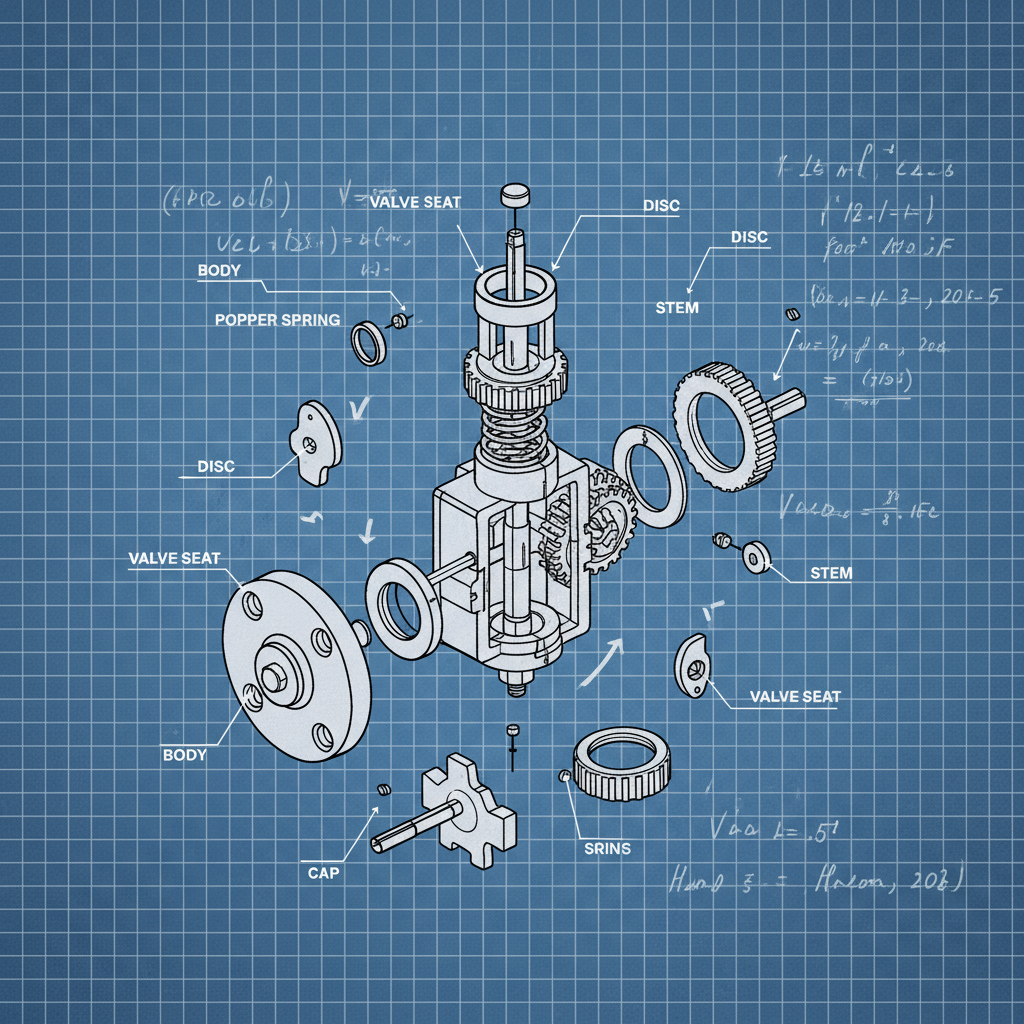
Choosing the right 2 inch check valve requires careful consideration of several factors. These include the fluid type, operating pressure, temperature, and the desired level of shut-off. It’s also important to consider the valve’s compatibility with the existing piping system and any applicable industry standards. STR Machinery offers a wide selection of check valves to meet various application requirements.
Conclusion: Ensuring Reliable Fluid Flow
The 2 inch check valve is an essential component in numerous industrial applications, providing reliable backflow prevention and ensuring efficient fluid handling. By understanding the different types, materials, and selection criteria, you can choose the optimal valve for your specific needs. Investing in a high-quality check valve from a reputable supplier like STR Machinery guarantees long-term performance and safety.
Frequently Asked Questions (FAQs)
What is the pressure rating of a typical 2 inch check valve?
The pressure rating of a 2 inch check valve varies depending on the material and design. Generally, they are available in pressure ratings ranging from 125 PSI to 600 PSI or higher. It is crucial to select a valve with a pressure rating that exceeds the maximum operating pressure of the system to ensure safety and prevent failure. Always consult the valve’s specification sheet for accurate pressure limitations.
What maintenance is required for a 2 inch check valve?
Regular inspection is the key to maintaining a 2 inch check valve. Periodically check for leaks, corrosion, and smooth operation. If the valve is sticking or not closing properly, it may require cleaning or repair. Depending on the fluid being handled, you may need to periodically flush the valve to remove any buildup or debris. Adhering to a preventative maintenance schedule will prolong the valve’s lifespan and ensure reliable performance.
Can a 2 inch check valve be installed in any orientation?
Not all 2 inch check valves can be installed in any orientation. Some, like swing check valves, require vertical or horizontal installation for proper operation. Lift check valves are generally better suited for vertical pipelines. Always refer to the manufacturer’s instructions for the recommended installation orientation. Incorrect installation can lead to malfunction and reduced performance.
What is the difference between a silent check valve and a standard check valve?
Silent check valves are designed to minimize water hammer and noise caused by the sudden closure of the valve. They achieve this through a spring-loaded mechanism or other damping features. Standard check valves can produce a noticeable “clunk” when they close, which can be disruptive and potentially damaging to the pipeline system. Silent check valves are preferred in applications where noise reduction is critical.
-
Industrial Water Valve Replacement and Precision Maintenance GuideNews04 . Fri, 2026
-
Industrial Carbon Steel Check Valve Guide for Piping SystemsNews04 . Thu, 2026
-
Industrial Guide to Selecting a High Quality butterfly check valveNews04 . Thu, 2026
-
Choosing a Reliable Valve Supplier for Optimal Industrial PerformanceNews04 . Wed, 2026
-
Understanding the Functionality and Applications of a Balon Check ValveNews04 . Tue, 2026
-
Leading Valve Manufacturer Providing Precision Engineered SolutionsNews04 . Mon, 2026
Related PRODUCTS