

Apr . 16, 2026 02:45 Back to list
Industrial Carbon Steel Check Valve Guide for Piping Systems
Essential Guide to Carbon Steel Check Valve for Industrial Piping
In the complex world of fluid dynamics and industrial piping, preventing backflow is critical to maintaining system integrity and equipment safety. The carbon steel check valve serves as a robust safeguard, ensuring that liquids or gases flow in only one direction. Whether you are managing a high-pressure oil pipeline or a chemical processing plant, selecting the right check valve can prevent catastrophic pump failure and contamination. This guide will explore the technical advantages, material properties, and selection criteria to help you optimize your piping infrastructure for maximum efficiency and longevity.
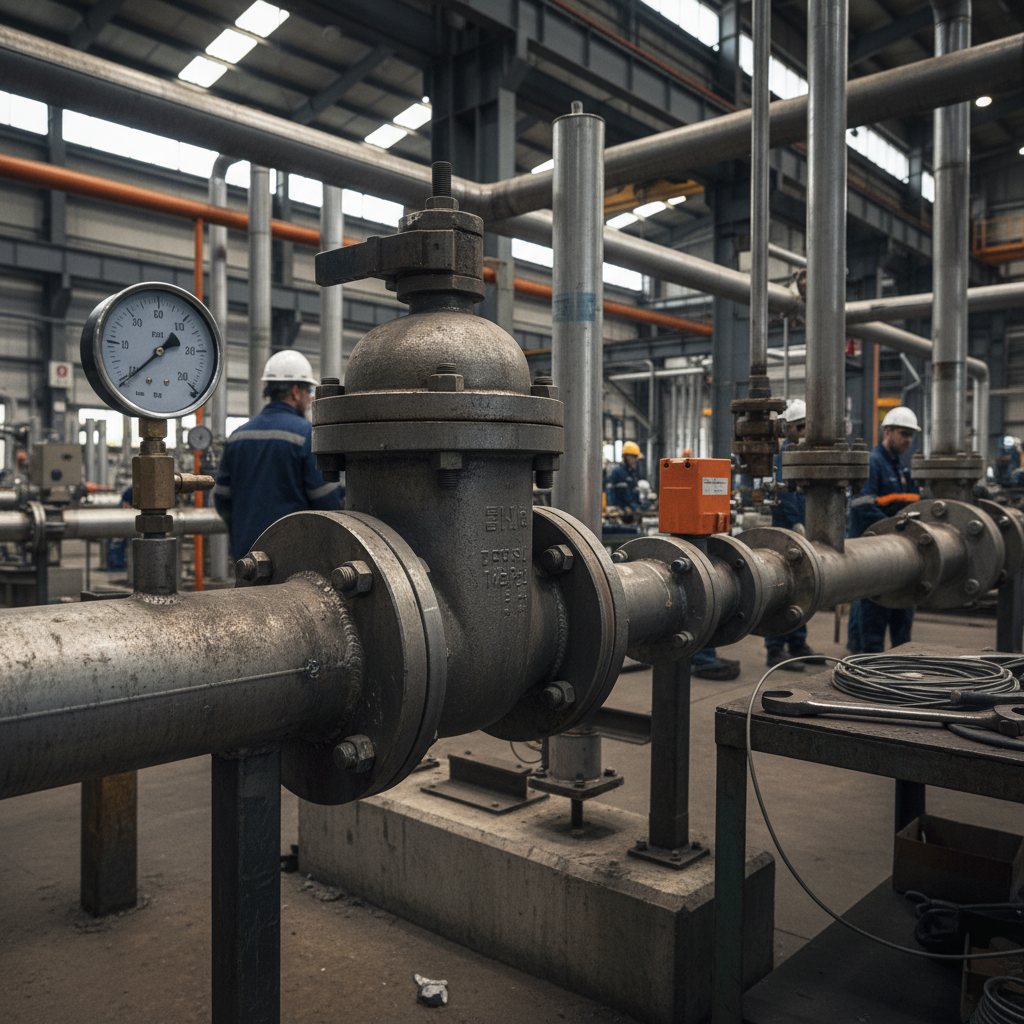
What is a Carbon Steel Check Valve and How It Works
A carbon steel check valve is a self-actuating valve that allows medium to flow in one direction while automatically closing to prevent reverse flow. Unlike gate or globe valves, it does not require external power or manual operation; it relies entirely on the pressure of the fluid itself. When the forward pressure exceeds the spring tension or the weight of the disc, the valve opens. As soon as the flow stops or reverses, the disc is pushed back into the seat, creating a tight seal. This mechanism is vital for protecting pumps from "water hammer" and preventing the mixing of different chemicals in multi-stream systems.
Industry Insight: Carbon steel is preferred over stainless steel in many high-pressure applications due to its superior mechanical strength and cost-effectiveness, provided the medium is not highly corrosive.
Key Advantages of Using Carbon Steel Materials
The choice of carbon steel for a check valve is driven by its exceptional durability and pressure-bearing capacity. Carbon steel offers a higher tensile strength than many other alloys, making the carbon steel check valve ideal for high-stress environments. Furthermore, these valves are often treated with specialized coatings or galvanization to enhance their resistance to environmental oxidation. From a procurement perspective, carbon steel provides a balanced ratio of performance to price, allowing plants to scale their piping networks without compromising on safety or structural integrity.
Material Benefits:
• High mechanical strength for high-pressure operation
• Excellent wear resistance against abrasive fluids
• Cost-efficient for large-scale industrial installations
• Wide availability of standard sizes and ratings
Comparing Carbon Steel Check Valve Types
Not all check valves are created equal. Depending on the fluid viscosity and pressure fluctuations, engineers must choose between swing, lift, or piston types. A swing-type carbon steel check valve is generally best for low-pressure drops and larger pipes, whereas a lift check valve is superior for high-pressure applications and vertical installations. Understanding these differences is the key to avoiding premature wear and ensuring a leak-proof seal across the entire system lifecycle.
Industrial Applications of the Carbon Steel Check Valve
The versatility of the carbon steel check valve makes it a staple in several heavy-duty industries. In the oil and gas sector, these valves are critical for preventing the reverse flow of hydrocarbons from reservoirs back into the drilling equipment. In wastewater treatment, they protect pumps from the weight of the fluid column when the system shuts down. Additionally, the power generation industry utilizes them in boiler feed water lines to maintain consistent pressure and prevent thermal shock. No matter the industry, the primary goal is the same: safeguarding expensive machinery from the unpredictable nature of fluid movement.
Technical Specifications for Carbon Steel Check Valve Selection
When specifying a carbon steel check valve, it is not enough to look at the material alone. You must consider the pressure rating (e.g., ANSI Class 150, 300, 600), the connection type (flanged, threaded, or welded), and the temperature limits of the seals. For extreme conditions, hardened trim materials such as Stellite are often added to the seating surface to prevent erosion. The following table outlines the typical specifications found in industrial-grade carbon steel valves to guide your engineering team.
Maintenance and Long-term Reliability
To maximize the lifespan of your carbon steel check valve, a proactive maintenance schedule is essential. Over time, the seating surface can suffer from erosion or scale buildup, which may lead to internal leakage. Periodic inspections focusing on the disc movement and seal integrity can prevent sudden system failures. We recommend checking for signs of external corrosion and ensuring that the valve is installed in the correct orientation—specifically for swing and lift types—to avoid mechanical stress that could lead to premature failure.
Conclusion: Ensuring Flow Security with Carbon Steel Solutions
The carbon steel check valve is more than just a piping component; it is a critical insurance policy for your industrial machinery. By combining high mechanical strength, operational simplicity, and cost-efficiency, it ensures that your processes remain safe and unidirectional. Investing in high-quality carbon steel valves from a trusted manufacturer reduces downtime and eliminates the risks associated with backflow. For those looking to optimize their piping systems, carbon steel remains the industry standard for reliability and performance.
Frequently Asked Questions (FAQs)
Can carbon steel check valves be used with corrosive chemicals?
Generally, standard carbon steel is not recommended for highly corrosive media like strong acids or alkalis because it can rust and degrade quickly. However, if the medium is mildly corrosive or if the valve is internally coated with specialized linings (such as epoxy or PTFE), it may be suitable. For severely corrosive environments, stainless steel or exotic alloys are preferred. Always verify the chemical compatibility of the fluid with the carbon steel grade before installation to avoid catastrophic leaks.
What is "Water Hammer" and how does this valve prevent it?
Water hammer is a pressure surge or wave caused when a fluid in motion is forced to stop or change direction suddenly. This can cause loud banging noises and even rupture pipes. A carbon steel check valve prevents this by closing the flow path almost instantaneously as the pressure drops, preventing the fluid from rushing backward and colliding with the pump or other closed valves, thereby stabilizing the system pressure.
How do I choose between a swing check and a lift check valve?
The choice depends on your system's requirements. Choose a swing check valve if you need a full-bore flow with minimal pressure drop and your piping is primarily horizontal. Choose a lift check valve if you are dealing with high-pressure systems, steam, or if the valve must be installed in a vertical line (flowing upward). Lift checks provide a tighter seal but create more resistance to the flow. Consulting the specifications at STR Machinery can help you make the final technical decision.
Does a carbon steel check valve require a power source?
No, the carbon steel check valve is a passive device. It is designed to operate automatically based on the differential pressure of the fluid flowing through it. This makes it an incredibly reliable safety component because it does not rely on electricity, pneumatic air, or human intervention to function. As long as there is fluid pressure, the valve will operate according to its mechanical design.
-
Industrial Water Valve Replacement and Precision Maintenance GuideNews04 . Fri, 2026
-
Industrial Carbon Steel Check Valve Guide for Piping SystemsNews04 . Thu, 2026
-
Industrial Guide to Selecting a High Quality butterfly check valveNews04 . Thu, 2026
-
Choosing a Reliable Valve Supplier for Optimal Industrial PerformanceNews04 . Wed, 2026
-
Understanding the Functionality and Applications of a Balon Check ValveNews04 . Tue, 2026
-
Leading Valve Manufacturer Providing Precision Engineered SolutionsNews04 . Mon, 2026
Related PRODUCTS