

Apr . 09, 2026 02:45 Back to list
Industrial Guide to Selecting a High Quality butterfly check valve
The Ultimate Guide to Selecting a Butterfly Check Valve for Industrial Flow
In the complex world of fluid dynamics, preventing backflow is critical to protecting expensive machinery and ensuring system stability. The butterfly check valve offers a sophisticated solution by combining the compact design of a butterfly valve with the automatic functionality of a non-return valve. Whether you are dealing with water treatment, chemical processing, or HVAC systems, understanding the mechanics and application of these valves is key to operational efficiency. This guide explores how these components function and why they are a preferred choice for modern industrial piping.
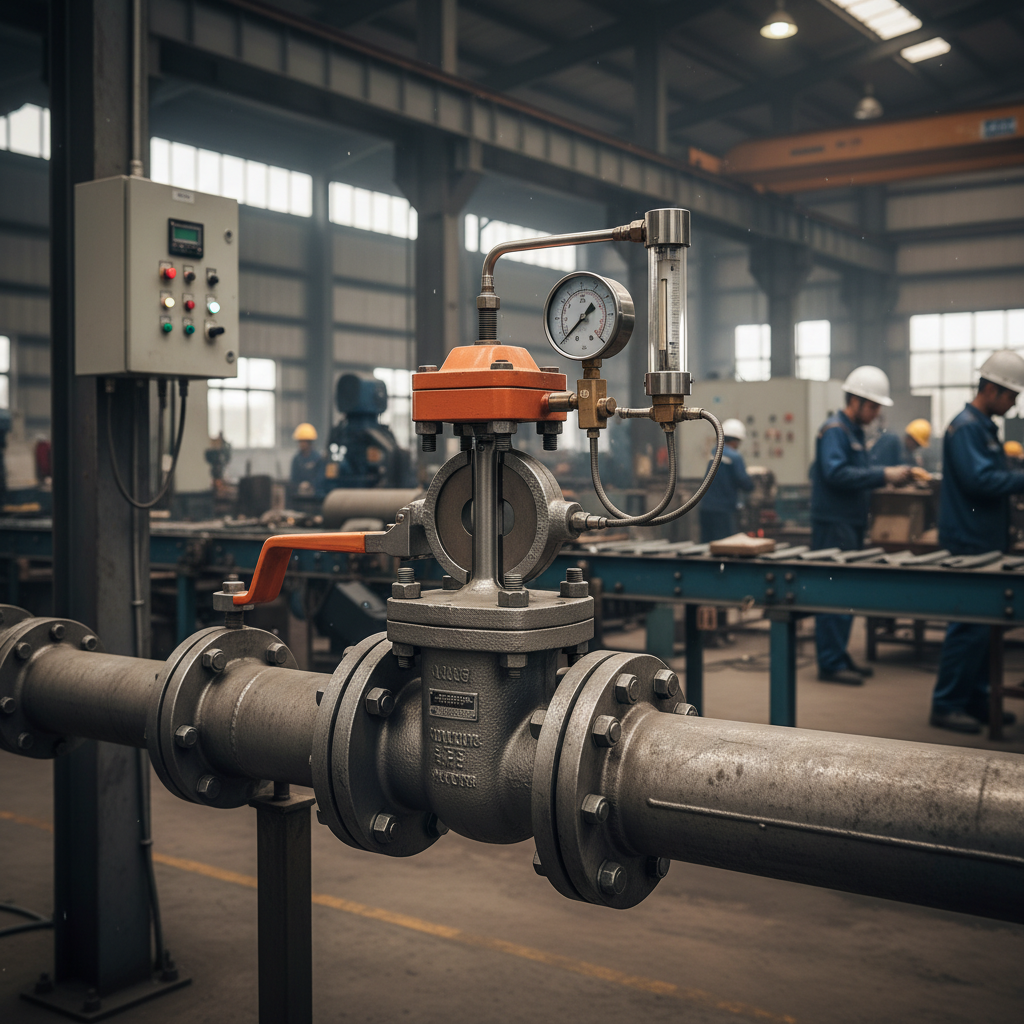
How a Butterfly Check Valve Operates
The operational principle of a butterfly check valve is centered around a rotating disc mounted on a shaft. Unlike traditional swing check valves, the butterfly disc pivots quickly to allow flow in one direction while slamming shut the moment reverse flow is detected. This rapid response minimizes "water hammer" and prevents the damaging surge of fluid moving backward through the system. The design is inherently space-saving, as the valve body is relatively thin, making it an ideal fit for tight piping configurations where a full-sized globe or gate valve would be impractical.
Pro Tip: To maximize the lifespan of your valve, ensure the installation orientation is correct; most butterfly check valves are designed for horizontal flow, though some specific models support vertical installations.
Key Advantages of Using Butterfly Check Valves
Engineers frequently specify a butterfly check valve due to its exceptional balance of cost, weight, and performance. Because they have a lower pressure drop compared to spring-loaded check valves, they help reduce energy consumption in pumping systems. Additionally, the low weight of the disc reduces the torque required for opening, which translates to less wear and tear on the valve seat over time. This makes them highly reliable for high-volume flow applications where maintaining a consistent throughput is a priority.
Main Benefits:
• Compact footprint for space-constrained installations
• Reduced pressure loss increasing overall system efficiency
• Lower initial procurement and installation costs
• Fast closing action to prevent backflow damage
Butterfly Check Valve vs. Swing Check Valve
Choosing between a butterfly check valve and a traditional swing check valve depends largely on the pipe diameter and the available space. While swing check valves provide a completely unobstructed flow path when open, they are significantly bulkier and heavier. The butterfly variant is far more efficient for larger pipe sizes, where a swing disc would become prohibitively heavy and prone to sagging. Below is a detailed comparison to help you decide.
Industrial Applications of the Butterfly Check Valve
The versatility of the butterfly check valve makes it a staple across various sectors. In wastewater treatment plants, they are used to prevent effluent from flowing back into pumping stations during power outages. In the food and beverage industry, stainless steel variants ensure sanitary conditions while managing high-viscosity liquids. Additionally, they are widely used in cooling water circuits for large power plants, where the large pipe diameters make other valve types economically unfeasible.
Butterfly Check Valve Technical Specifications
When sourcing a butterfly check valve, it is crucial to evaluate the material compatibility and pressure ratings to ensure long-term durability. The choice of the seat material (such as EPDM, Viton, or PTFE) determines the temperature and chemical resistance of the valve. Below are the standard specifications typically found in high-quality industrial butterfly check valves.
Maintenance Tips for Longevity
To ensure your butterfly check valve performs reliably over years of service, a proactive maintenance schedule is essential. Regularly inspect the valve seats for signs of erosion or chemical degradation, as a worn seat can lead to leakage and reduced backflow prevention efficiency. Additionally, check the shaft and pivot points for corrosion; lubrication may be required depending on the environment. Clearing the pipeline of large debris is also vital, as foreign objects can lodge in the butterfly disc, preventing a complete seal and compromising the safety of the entire system.
Conclusion: Optimizing Your System with a Butterfly Check Valve
The butterfly check valve is a masterclass in industrial efficiency, offering a compact yet powerful method of controlling fluid direction. By reducing pressure drops, saving installation space, and providing rapid closure, it solves many of the headaches associated with traditional check valves. Whether you are upgrading an existing plant or designing a new system, prioritizing high-quality materials and correct specifications will ensure your operations remain safe and efficient. Invest in quality flow control to protect your infrastructure and optimize your productivity.
Frequently Asked Questions (FAQs)
Can a butterfly check valve be used in vertical pipes?
Most butterfly check valves are designed for horizontal flow. However, some specialized models are engineered for vertical installations where the flow is upward. In these cases, the valve often incorporates a spring-loaded mechanism to ensure the disc closes against gravity. It is critical to check the manufacturer's specifications before installing a valve vertically, as using a horizontal-only valve in a vertical line can lead to premature wear or failure to close properly.
How do I choose the right seat material for my valve?
Seat selection depends entirely on the medium being transported. EPDM is excellent for water and steam applications, while NBR (Nitrile) is the preferred choice for oils and fuels. For highly corrosive chemicals or extreme temperatures, PTFE (Teflon) is recommended due to its near-universal chemical inertness. Always cross-reference your fluid's chemical composition and operating temperature with a material compatibility chart to avoid seat degradation and leaks.
Does a butterfly check valve cause significant pressure drop?
Compared to spring-loaded or piston check valves, a butterfly check valve typically causes a much lower pressure drop. Although the disc remains in the flow path when open, its slim profile minimizes turbulence. For very high-precision systems where zero obstruction is required, a swing check valve might be better, but for most industrial applications, the efficiency gains of the butterfly design outweigh the minor pressure loss.
What are the signs that a butterfly check valve needs replacement?
The most common sign of failure is "back-slippage," where fluid is found flowing in the reverse direction despite the valve being closed. Other indicators include unusual noise or vibration during flow (which may suggest a loose disc or shaft), a significant increase in pressure drop across the valve, or visible corrosion on the external body. If the valve fails to close rapidly, it may indicate a worn pivot or an obstruction in the seat, both of which necessitate immediate maintenance or replacement.
-
Industrial Water Valve Replacement and Precision Maintenance GuideNews04 . Fri, 2026
-
Industrial Carbon Steel Check Valve Guide for Piping SystemsNews04 . Thu, 2026
-
Industrial Guide to Selecting a High Quality butterfly check valveNews04 . Thu, 2026
-
Choosing a Reliable Valve Supplier for Optimal Industrial PerformanceNews04 . Wed, 2026
-
Understanding the Functionality and Applications of a Balon Check ValveNews04 . Tue, 2026
-
Leading Valve Manufacturer Providing Precision Engineered SolutionsNews04 . Mon, 2026
Related PRODUCTS