

Feb . 04, 2026 01:47 Back to list
Comprehensive Guide to 2.5 Inch Check Valves for Industrial Applications
Understanding 2.5 Inch Check Valves: A Comprehensive Guide
Check valves are crucial components in many industrial and commercial piping systems. They ensure fluid flows in only one direction, preventing backflow which can damage equipment and compromise processes. This article focuses on 2.5 inch check valves, exploring their applications, types, materials, and key considerations when selecting the right valve for your needs. We’ll delve into the specifics of these valves, providing valuable insights for engineers, procurement specialists, and anyone involved in fluid handling systems. Understanding these details is essential for maintaining system integrity and efficiency.
What is a 2.5 Inch Check Valve?
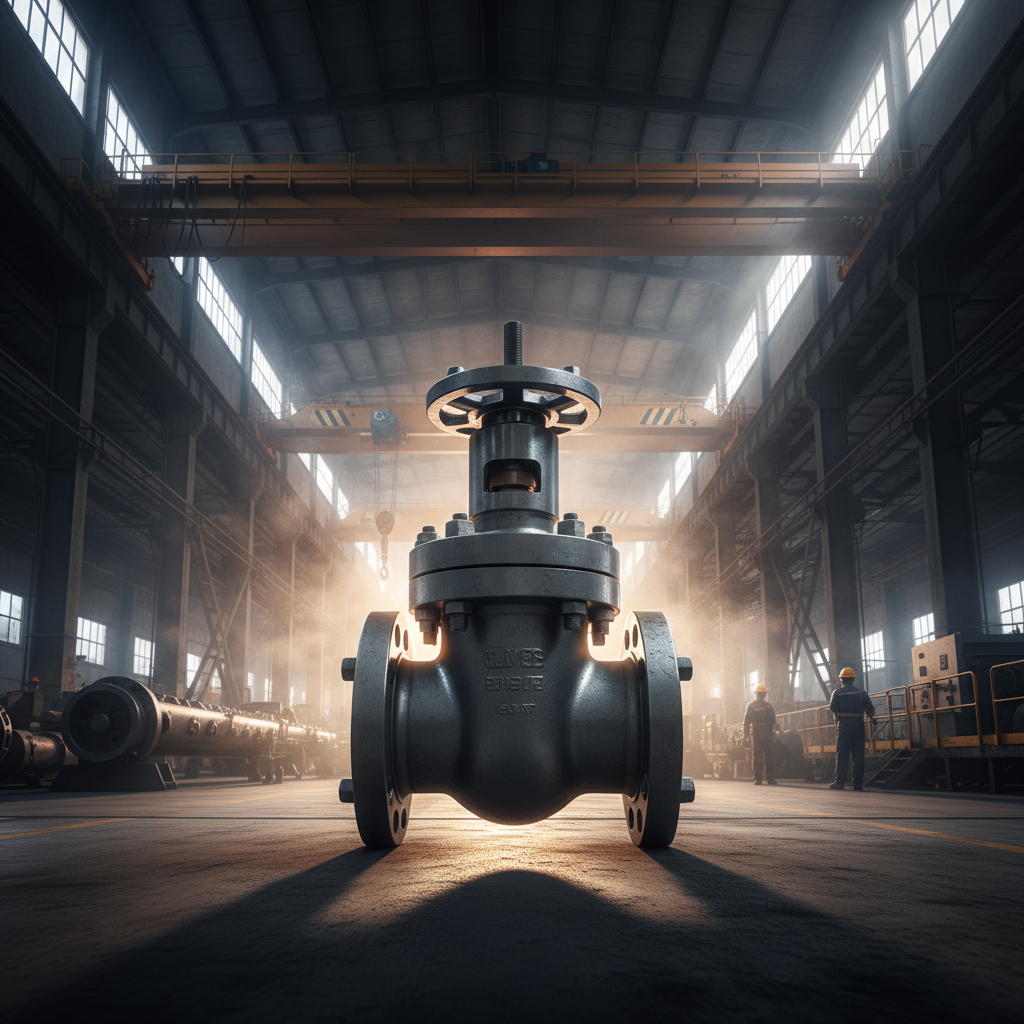
A 2.5 inch check valve is a type of valve specifically designed with a 2.5-inch inlet and outlet connection size. Its primary function is to allow fluids to flow in one direction while automatically preventing backflow. These valves operate passively, meaning they don't require any external control mechanisms like handles or actuators. The size dictates the flow rate capacity, making it suitable for a wide range of applications. The valve opens when pressure is applied on the inlet side and closes when the pressure drops or reverses. SR Machinery’s check valves are engineered for reliability and longevity.
Key Benefits: Prevents contamination, protects pumps, and ensures efficient system operation. Offers automatic functionality and minimal maintenance requirements.
Common Applications of 2.5 Inch Check Valves
2.5 inch check valves are widely used across numerous industries. Some common applications include: wastewater treatment plants, chemical processing, irrigation systems, oil and gas pipelines, and pump systems. They are particularly vital in protecting pumps from reverse rotation caused by backflow, safeguarding sensitive equipment and maintaining process stability. Their robust construction and reliable performance make them ideal for handling various fluids, from clean water to aggressive chemicals.
Application Examples:
• Wastewater Treatment: Preventing backflow of treated effluent.
• Chemical Processing: Protecting pumps and pipelines from corrosive fluids.
• Irrigation: Maintaining water pressure and preventing contamination.
• Oil & Gas: Safeguarding pipelines and equipment in harsh environments.
Types of 2.5 Inch Check Valves
Several types of 2.5 inch check valves are available, each suited for specific applications. The most common types include:
Materials of Construction
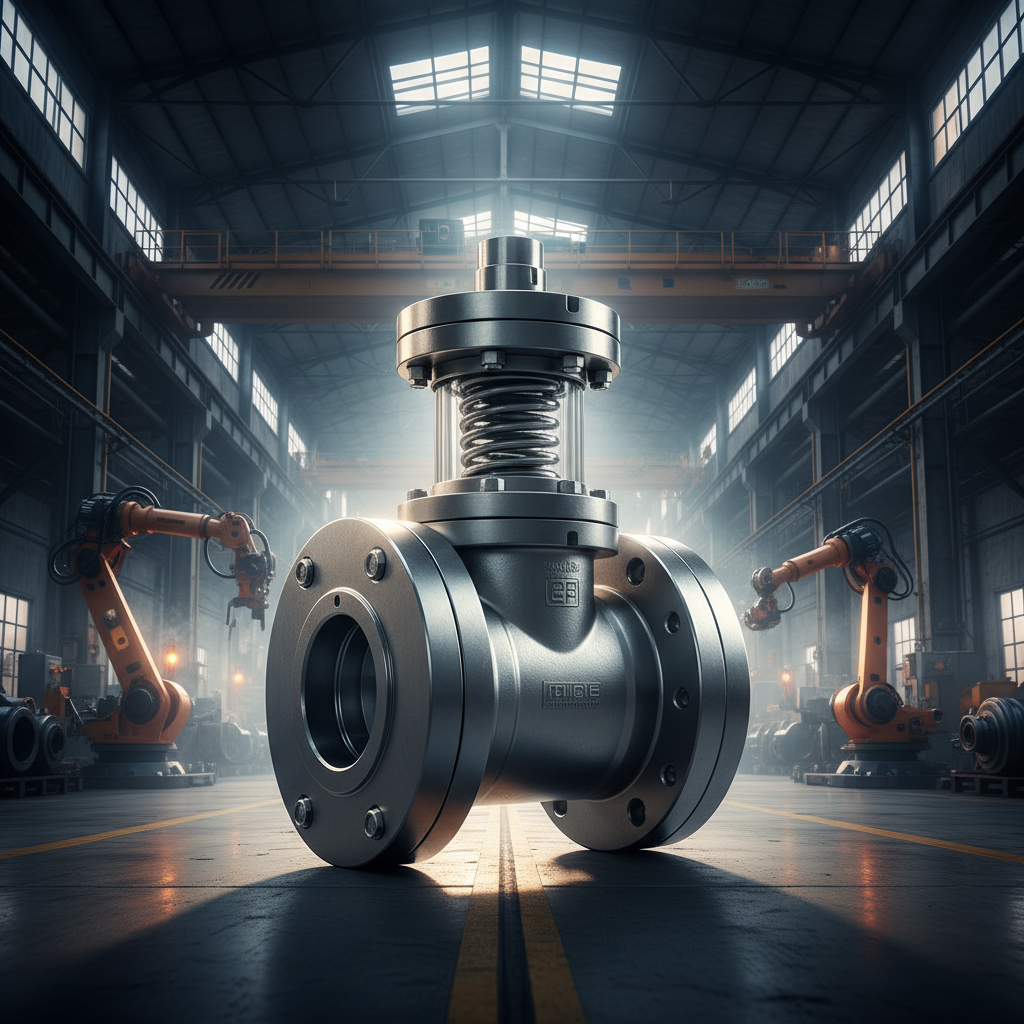
The material of a 2.5 inch check valve significantly impacts its performance and lifespan, especially when handling different fluids. Common materials include:
- Cast Iron: Cost-effective and durable, suitable for general water applications.
- Stainless Steel (304/316): Excellent corrosion resistance, ideal for chemical processing and potable water.
- PVC/CPVC: Lightweight and resistant to many chemicals, suitable for low-pressure applications.
- Brass: Offers good corrosion resistance and is often used for potable water systems.
Selecting the correct material is critical to avoid corrosion, erosion, and premature failure. SR Machinery’s materials are carefully selected to offer longevity and reliability.
Factors to Consider When Selecting a 2.5 Inch Check Valve
Choosing the right 2.5 inch check valve requires careful consideration of several factors:
- Fluid Compatibility: Ensure the valve material is compatible with the fluid being handled to prevent corrosion.
- Pressure Rating: Select a valve with a pressure rating that exceeds the maximum system pressure.
- Temperature Range: Verify the valve can operate within the expected temperature range of the system.
- Flow Rate: Choose a valve with sufficient flow capacity to meet the system’s demands.
- Connection Type: Select a connection type (flanged, threaded, etc.) that matches your piping system.
Conclusion: Ensuring Reliable Flow Control
Selecting the right 2.5 inch check valve is crucial for maintaining the efficiency and safety of your fluid handling systems. By carefully considering the application, fluid type, and valve specifications, you can ensure optimal performance and longevity. SR Machinery offers a comprehensive range of high-quality check valves to meet your specific needs. Don't compromise on quality – choose a reliable partner for your fluid control solutions.
Frequently Asked Questions (FAQs)
What is the typical lifespan of a 2.5 inch check valve?
The lifespan of a 2.5 inch check valve varies depending on factors like the valve material, the fluid it's handling, and the operating conditions. Generally, with proper installation and maintenance, a well-constructed check valve can last between 5 to 20 years. Regular inspection is crucial. Look for signs of corrosion, erosion, or damage to the sealing surfaces. Replacing the valve proactively can prevent costly downtime and system failures. The quality of the initial build and materials significantly impacts longevity.
What maintenance is required for a 2.5 inch check valve?
Regular maintenance is essential for ensuring the reliable operation of a 2.5 inch check valve. This includes periodic inspection for leaks, corrosion, and debris buildup. Cleaning the valve's internals can prevent clogging and ensure smooth operation. Lubricating the moving parts, if applicable, can reduce wear and tear. It's also crucial to check the tightness of the connections to prevent leaks. Following the manufacturer’s recommendations for maintenance schedules is highly recommended.
How do I choose the right material for a specific application?
Selecting the right material depends on the fluid being handled and the operating environment. For corrosive fluids, stainless steel or specialized polymers are essential. For potable water systems, brass or stainless steel are preferred to avoid contamination. Consider the temperature range and pressure requirements as well. Consulting material compatibility charts and seeking advice from a valve specialist can help you make the best choice. SR Machinery’s team can provide expert guidance on material selection.
What are the potential consequences of a failing check valve?
A failing check valve can lead to several serious consequences. Backflow can contaminate fluids, damage pumps and other equipment, and create hazardous conditions. It can also disrupt processes and lead to costly downtime. Reverse rotation of pumps can cause significant damage. Regularly inspecting and maintaining check valves is crucial to prevent these issues. Timely replacement of failing valves is essential for ensuring the safety and reliability of your fluid handling system.
-
Industrial Water Valve Replacement and Precision Maintenance GuideNews04 . Fri, 2026
-
Industrial Carbon Steel Check Valve Guide for Piping SystemsNews04 . Thu, 2026
-
Industrial Guide to Selecting a High Quality butterfly check valveNews04 . Thu, 2026
-
Choosing a Reliable Valve Supplier for Optimal Industrial PerformanceNews04 . Wed, 2026
-
Understanding the Functionality and Applications of a Balon Check ValveNews04 . Tue, 2026
-
Leading Valve Manufacturer Providing Precision Engineered SolutionsNews04 . Mon, 2026
Related PRODUCTS