

Feb . 03, 2026 10:56 Back to list
Understanding the Functionality and Applications of a 2.5 Check Valve System
Understanding the Functionality and Applications of a 2.5 Check Valve
A 2.5 check valve is a critical component in many industrial and commercial fluid handling systems. Its primary function is to prevent backflow, ensuring fluids move in the desired direction. This article delves into the principles of operation, common applications, material options, and crucial factors to consider when selecting the right 2.5 check valve for your specific needs. Choosing the correct valve is paramount for efficient and reliable system performance and preventing costly damage.
How Does a 2.5 Check Valve Work?
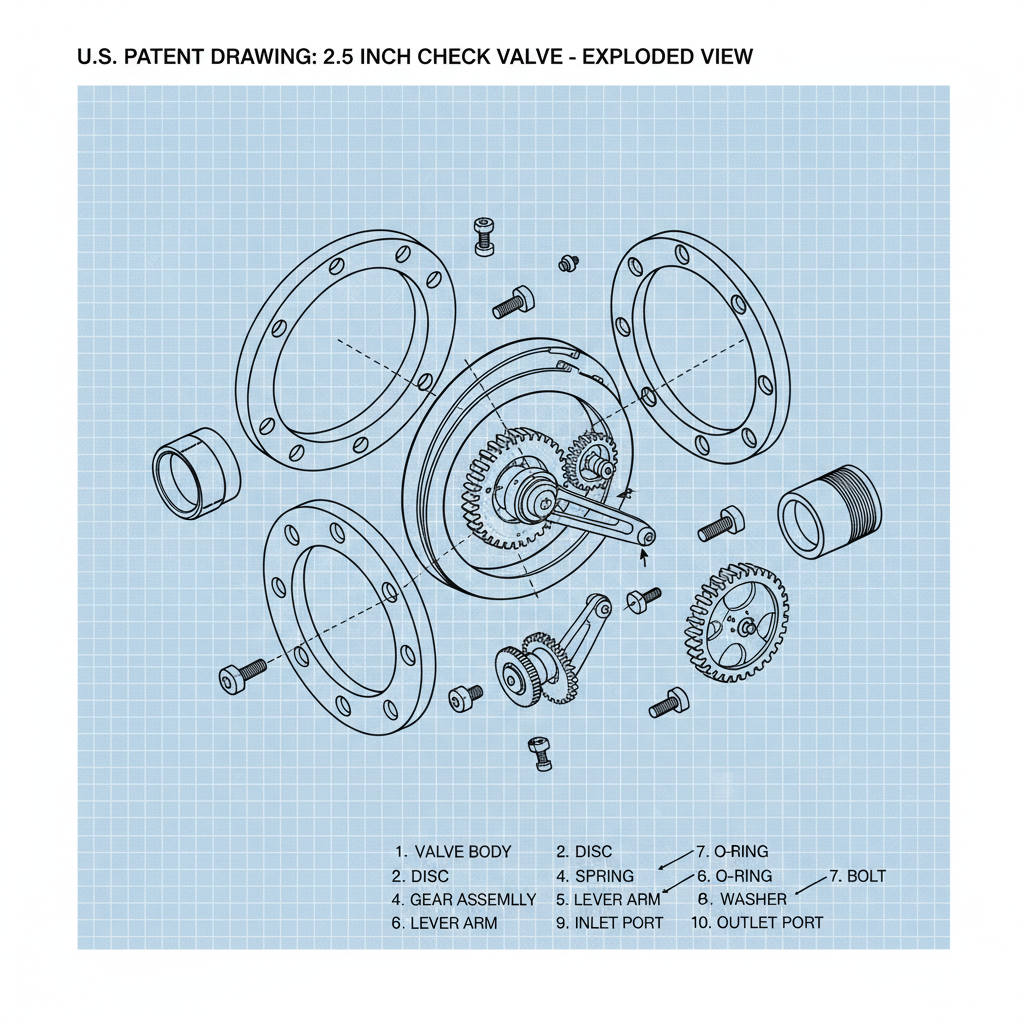
The operation of a 2.5 check valve is surprisingly simple yet remarkably effective. These valves utilize pressure differential to control fluid flow. When pressure on the inlet side is greater than the pressure on the outlet side, the valve opens, allowing fluid to pass through. Conversely, when the pressure on the outlet side exceeds that of the inlet, the valve automatically closes, preventing reverse flow. This automatic action is achieved through various internal mechanisms, including swing checks, lift checks, and ball checks. The valve’s core purpose is unidirectional flow control and is a fundamental element in maintaining system integrity. SR Machinery S provides a variety of 2.5 check valves for different needs.
Key Takeaway: 2.5 check valves operate based on pressure differential, automatically opening with forward flow and closing to prevent backflow.
Common Applications of 2.5 Check Valves
2.5 check valves find application in a diverse array of industries and systems. Some of the most common include: wastewater treatment plants (preventing backflow into clean water sources), irrigation systems (maintaining pressure and preventing contamination), chemical processing (handling corrosive fluids), and pump systems (protecting pumps from damage due to reverse flow). They are also frequently used in heating, ventilation, and air conditioning (HVAC) systems, as well as in various marine and automotive applications. A reliable 2.5 inch check valve is essential for the effective functioning of these critical systems.
Key Application Areas:
• Wastewater Treatment
• Irrigation Systems
• Chemical Processing
• Pump Protection
2.5 Check Valve Material Options and Considerations
The material of a 2.5 check valve is a crucial factor influencing its performance and lifespan. Common materials include brass, stainless steel, PVC, and cast iron. Brass valves are suitable for general-purpose applications with non-corrosive fluids. Stainless steel offers superior corrosion resistance, making it ideal for aggressive chemical environments. PVC is a lightweight and cost-effective option for low-pressure applications. Cast iron provides durability and strength for high-pressure systems. When selecting a material, consider the fluid being handled, the operating temperature, and the pressure requirements of the system. SR Machinery S offers valves in a range of materials to match your specific application needs.
Selecting the Right 2.5 Check Valve: Key Considerations
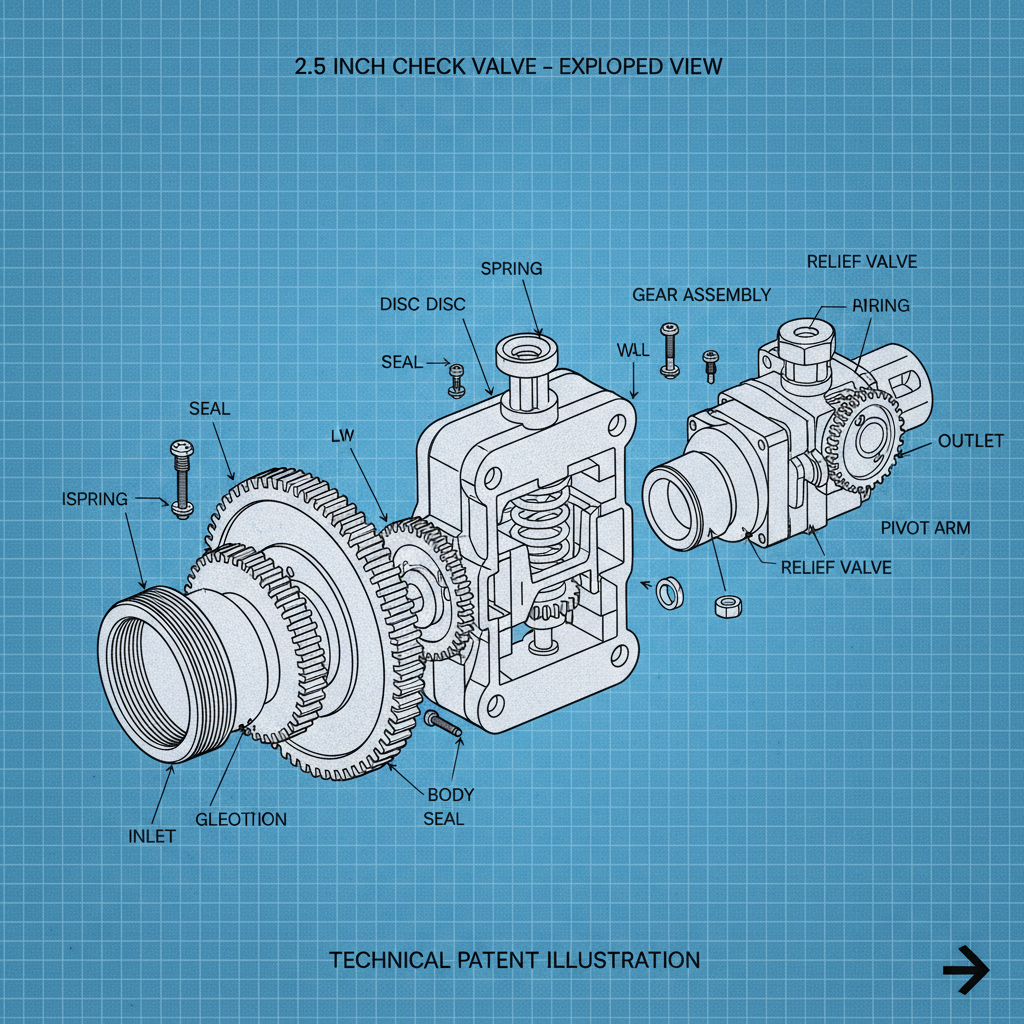
Choosing the right 2.5 check valve requires careful consideration of several factors. First, determine the fluid type and its chemical compatibility with the valve materials. Second, assess the system’s operating pressure and temperature. Third, consider the flow rate and ensure the valve's capacity is sufficient. Finally, evaluate the installation constraints and select a valve with the appropriate connection type (flanged, threaded, etc.). Proper sizing and material selection are crucial for ensuring long-term reliability and preventing system failures. Consulting with a fluid handling expert can be invaluable in making the right choice.
Conclusion: Ensuring Reliable Fluid Flow with Quality Check Valves
Selecting a 2.5 check valve from a reputable supplier like SR Machinery S is an investment in the longevity and efficiency of your fluid handling system. By carefully considering the application requirements, material options, and key selection factors, you can ensure optimal performance and prevent costly downtime. Don't compromise on quality when it comes to protecting your valuable equipment and maintaining a smooth-running operation.
Frequently Asked Questions (FAQs)
What is the difference between a swing check valve and a lift check valve?
Swing check valves utilize a hinged disc that swings open with flow and closes against a seat to prevent backflow. They offer low flow resistance but require a certain amount of back pressure to close effectively. Lift check valves, on the other hand, employ a disc that lifts off its seat with forward flow. They are better suited for applications where quick closure is critical and can handle pulsating flows more effectively. The choice between the two depends on the specific application requirements and fluid characteristics.
How do I determine the correct size 2.5 check valve for my system?
Correct sizing is crucial for optimal performance. The valve's flow coefficient (Cv) must be sufficient to handle the maximum flow rate without excessive pressure drop. You'll need to know the flow rate, fluid viscosity, and the pressure drop you can tolerate. Valve manufacturers typically provide charts or online tools to assist with sizing. Consulting with a fluid handling expert is recommended if you're unsure about the calculations.
What maintenance is required for a 2.5 check valve?
Regular inspection is key. Check for signs of wear, corrosion, or leakage. Periodically clean the valve to remove any debris that might interfere with its operation. For valves with moving parts, lubrication may be necessary according to the manufacturer’s recommendations. Following a preventative maintenance schedule will extend the valve's lifespan and ensure reliable performance.
Can a 2.5 check valve be installed in any orientation?
While many check valves can be installed in various orientations (horizontal, vertical, angled), it's essential to refer to the manufacturer's specifications. Some valve types are more sensitive to orientation than others. For example, swing check valves generally perform best when installed horizontally or with the hinge point last in the flow path. Proper installation orientation ensures optimal performance and prevents premature failure.
-
Industrial Water Valve Replacement and Precision Maintenance GuideNews04 . Fri, 2026
-
Industrial Carbon Steel Check Valve Guide for Piping SystemsNews04 . Thu, 2026
-
Industrial Guide to Selecting a High Quality butterfly check valveNews04 . Thu, 2026
-
Choosing a Reliable Valve Supplier for Optimal Industrial PerformanceNews04 . Wed, 2026
-
Understanding the Functionality and Applications of a Balon Check ValveNews04 . Tue, 2026
-
Leading Valve Manufacturer Providing Precision Engineered SolutionsNews04 . Mon, 2026
Related PRODUCTS