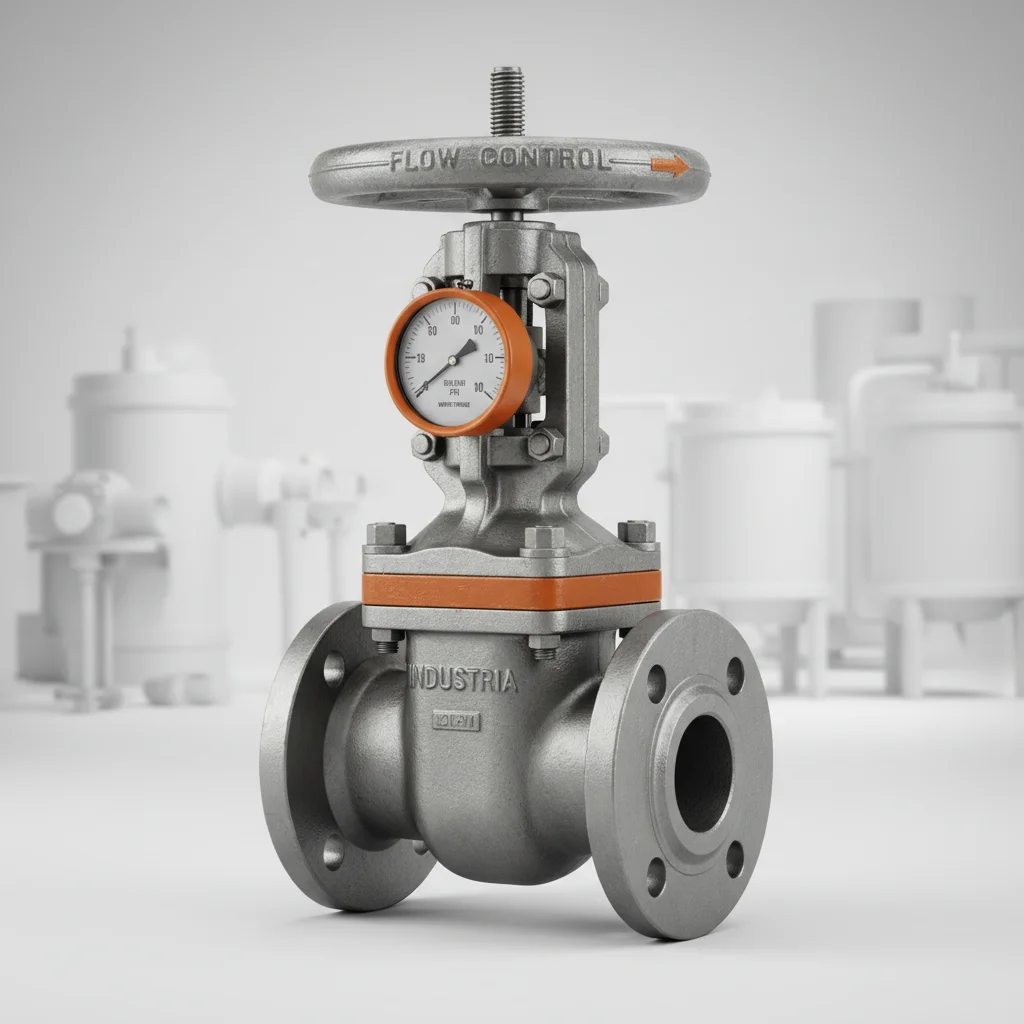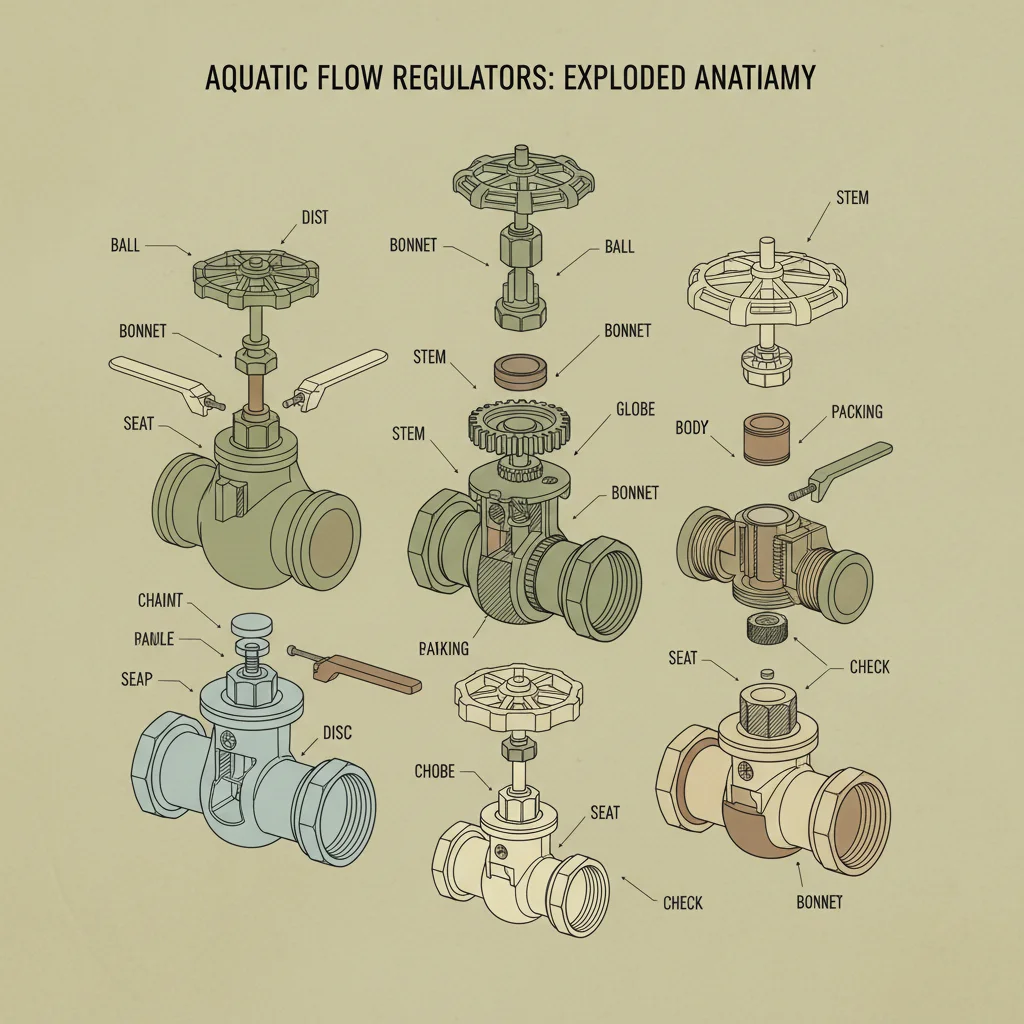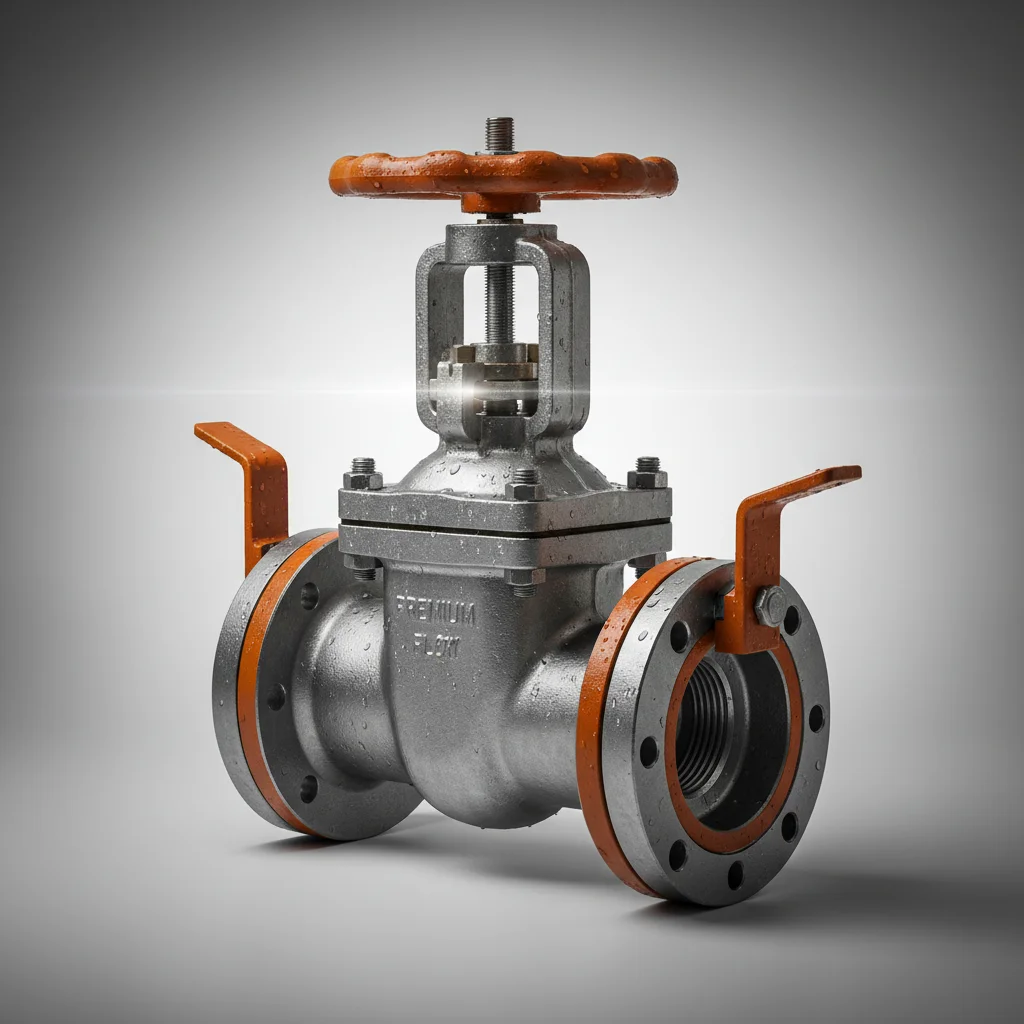

The reliable operation of water infrastructure is paramount to modern society, and at the heart of this lies the main water valve. These critical components control the flow of water to homes, businesses, and industrial facilities, acting as the first line of defense against leaks, bursts, and contamination. Understanding the intricacies of main water valves – from their design and function to their maintenance and future innovations – is crucial for ensuring water security and public health globally.
Globally, access to clean and safe water is a fundamental human right, as recognized by the United Nations. However, an estimated 2.2 billion people lack access to safely managed drinking water services (WHO/UNICEF 2019). The integrity of water distribution networks, heavily reliant on components like the main water valve, plays a direct role in addressing this challenge. Effective water management also contributes to sustainable development goals, specifically SDG 6 – Clean Water and Sanitation – highlighting the importance of resilient and efficient water systems.
The main water valve acts as a central control point, regulating water supply and offering a critical shut-off mechanism in emergencies. From large-scale municipal waterworks to individual residential connections, these valves provide essential functionality. Investing in robust main water valve technology and proper installation safeguards not only water resources but also protects infrastructure and public safety, contributing to a more secure and sustainable future.
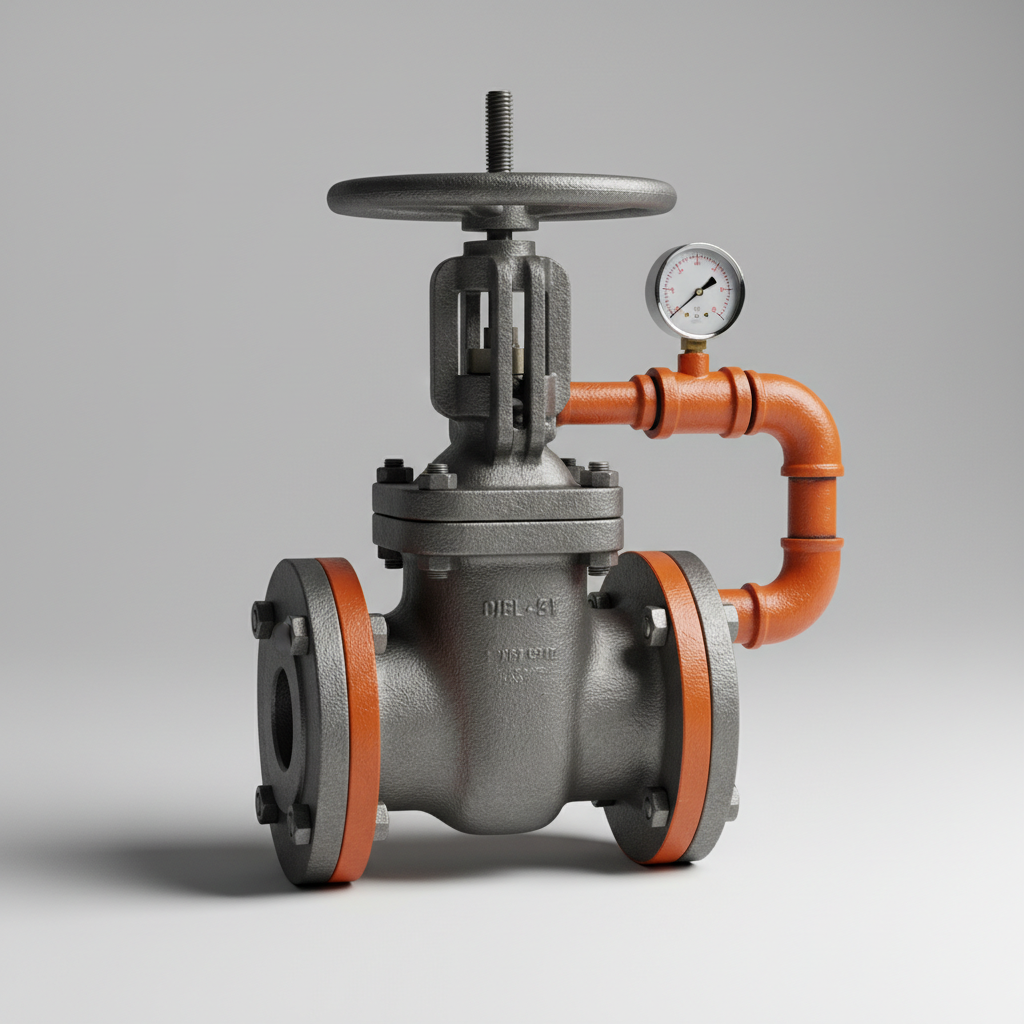
The Importance of Main Water Valve Technology
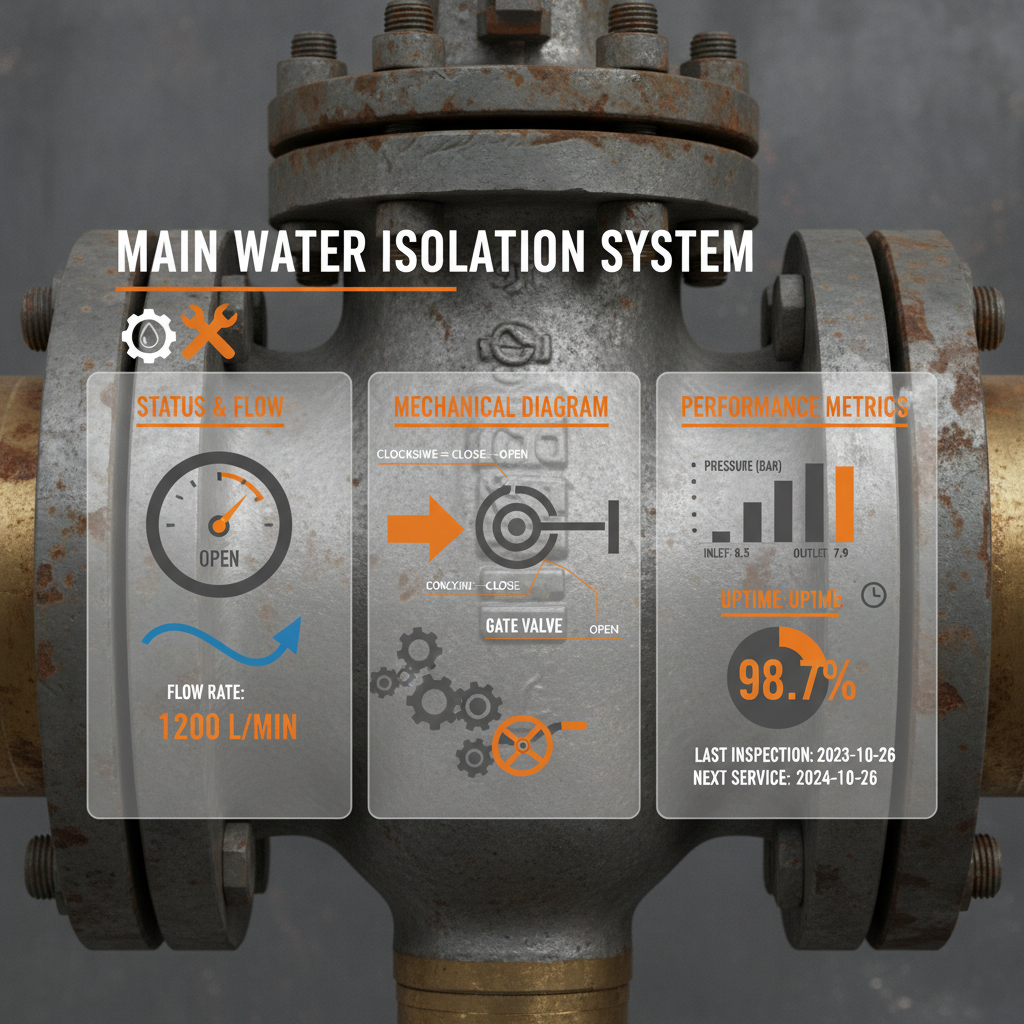
The significance of a robust main water valve extends beyond simple on/off functionality. It’s a critical safety component, preventing widespread damage from burst pipes or contamination events. Properly functioning valves minimize water loss through leaks, conserving a valuable resource and reducing operational costs for water utilities.
Furthermore, modern main water valve technology is evolving to incorporate smart features like remote monitoring and automated shut-off, allowing for proactive maintenance and rapid response to emergencies. This shift towards intelligent water management systems dramatically enhances the reliability and efficiency of water distribution networks.
FAQS
Several indicators suggest a main water valve requires replacement. These include difficulty turning the valve, noticeable leaks around the valve body, reduced water flow, or unusual noises when operating the valve. Ignoring these signs can lead to significant water damage and costly repairs. Regular inspections and proactive replacement can prevent major issues.
It's recommended to visually inspect your main water valve at least once a year. A professional plumbing inspection every three to five years is also advisable. During these inspections, check for corrosion, leaks, and smooth operation. Addressing minor issues promptly can prevent them from escalating into major problems.
For residential use, ball valves and gate valves are the most common choices. Ball valves offer quick shut-off capabilities and are generally more reliable, while gate valves are cost-effective and suitable for applications where frequent operation isn't required. The best option depends on your specific needs and budget.
Severe corrosion typically necessitates valve replacement. While minor surface corrosion can sometimes be addressed with cleaning and protective coatings, extensive corrosion compromises the valve's structural integrity and sealing ability. Attempting to repair a heavily corroded valve can be risky and may lead to further complications.
The lifespan of a main water valve varies depending on the material, quality, and water conditions. Generally, gate valves can last 20-30 years, while ball valves may last 25-40 years. Regular maintenance and proper installation significantly extend the valve's lifespan.
Replacing a main water valve involves working with water lines and requires specialized knowledge and tools. Incorrect installation can lead to leaks, water damage, and potential health hazards. It is strongly recommended to hire a qualified plumber for this task to ensure safety and proper functionality.
Conclusion
In conclusion, the main water valve represents a vital component of modern water infrastructure, essential for ensuring water security, public health, and sustainable resource management. From its fundamental role in controlling water flow to its evolving integration with smart technologies, the importance of understanding and maintaining these valves cannot be overstated. Investing in quality valves and regular maintenance yields significant long-term benefits, safeguarding communities and protecting our most precious resource.
Looking ahead, continued innovation in materials, design, and automation will further enhance the performance and reliability of main water valves. By embracing these advancements and prioritizing proactive maintenance, we can build a more resilient and efficient water infrastructure for generations to come. Visit our website at www.strmachinerys.com to explore our range of high-quality main water valve solutions.
Related Posts