

The reliable operation of water systems is paramount to public health, safety, and economic stability globally. A critical component of any water distribution network is the main water shutoff valve. These valves serve as the first line of defense against catastrophic failures, allowing for rapid isolation of sections of the system for repairs, maintenance, or in emergency situations. Understanding their functionality, types, and proper maintenance is therefore essential for engineers, plumbers, municipal workers, and homeowners alike.
The escalating challenges posed by aging infrastructure, climate change, and increasing demand for potable water make the importance of robust main water shutoff valve systems even more acute. Failures can lead to significant water loss, property damage, and disruption of vital services. According to the American Society of Civil Engineers, the U.S. alone faces a multi-billion-dollar investment gap to repair and upgrade its water infrastructure, with valve failures contributing substantially to non-revenue water—water that is lost before reaching the customer.
Investing in modern, high-quality main water shutoff valve technologies and implementing proactive maintenance programs are key to ensuring a secure and sustainable water supply for current and future generations. This article will delve into the intricacies of these crucial components, covering their definition, key features, applications, advantages, future trends, and potential challenges.
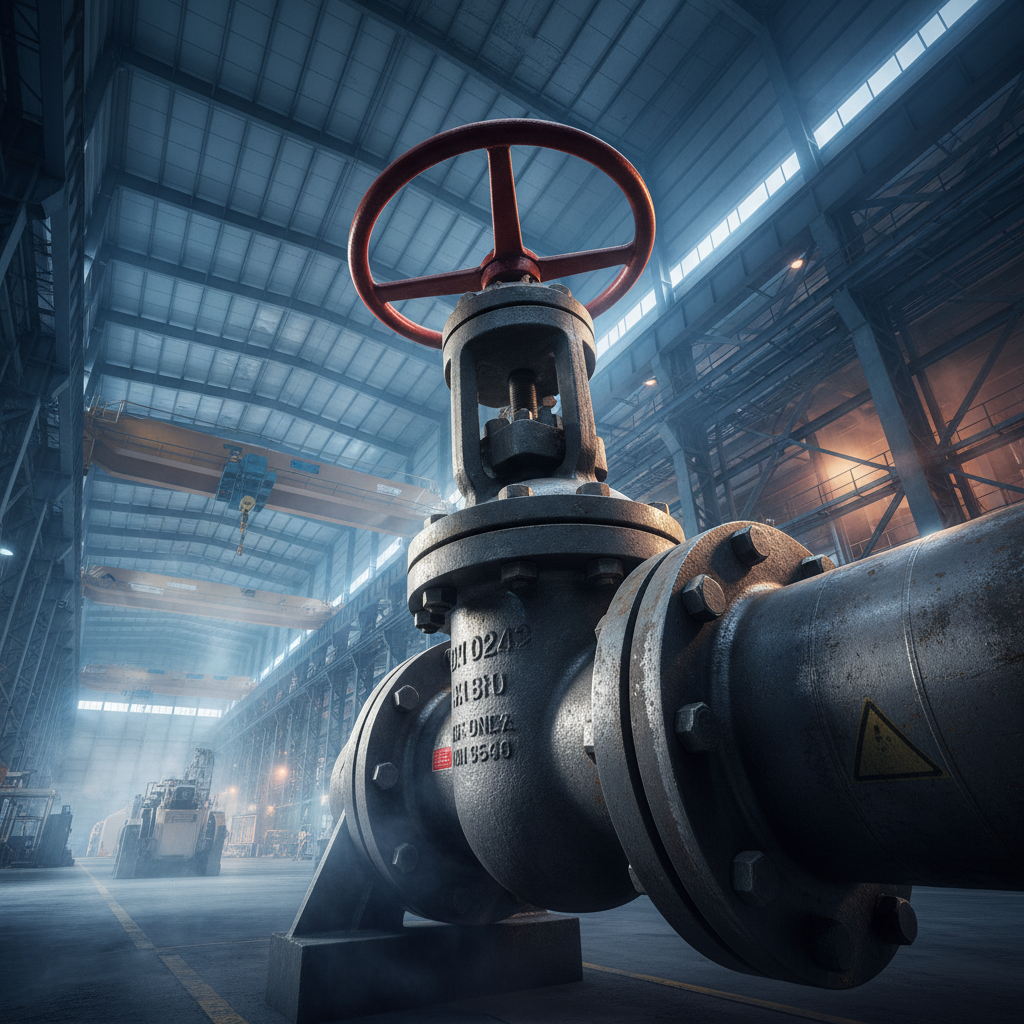
Defining the Main Water Shutoff Valve
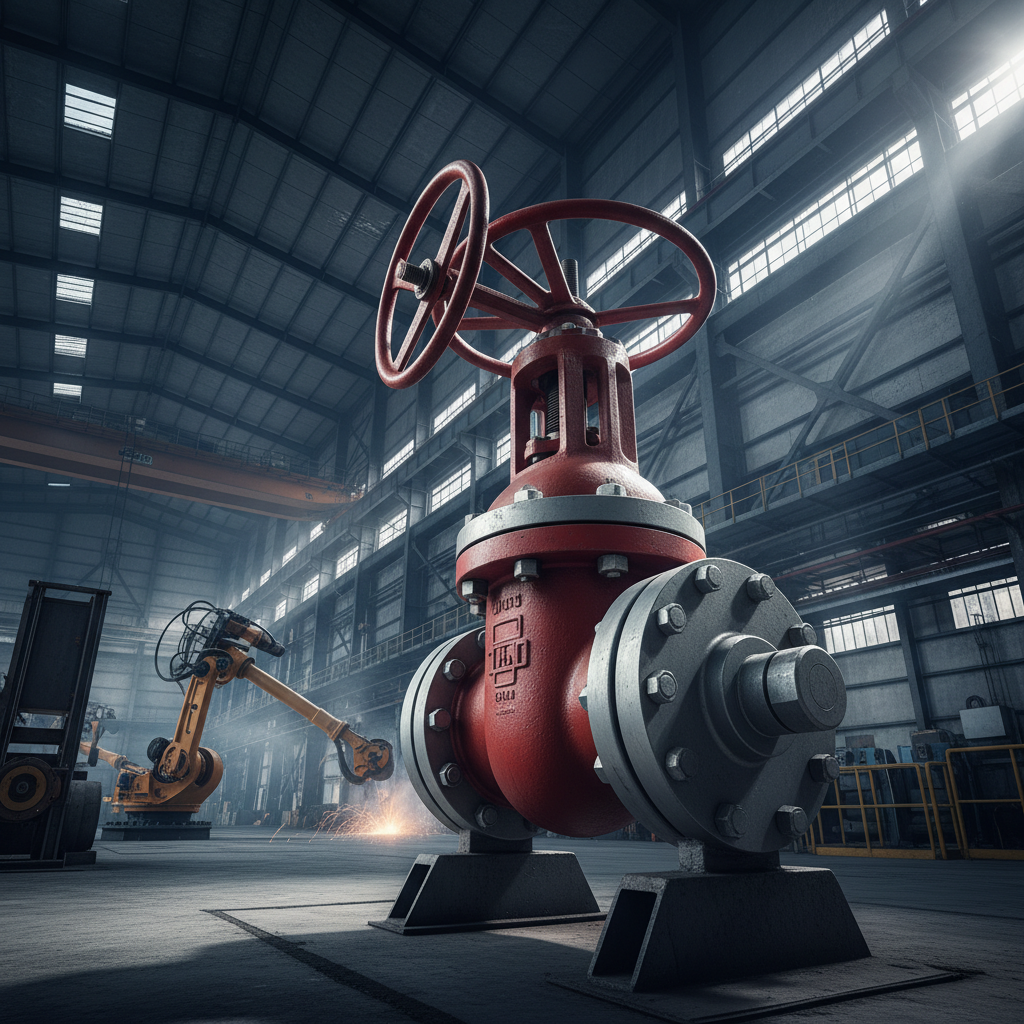
A main water shutoff valve is a critical valve installed at the point where the water supply enters a building or property. Its primary function is to control the flow of water, allowing for complete isolation of the internal plumbing system from the municipal water main. This capability is vital for emergency repairs, preventing extensive water damage, and facilitating maintenance without disrupting water service to the entire neighborhood.
In the broader context of modern infrastructure, the main water shutoff valve represents a fundamental safeguard against systemic failures. It’s a core element of a resilient water distribution network, allowing for localized interventions to mitigate the impact of leaks, breaks, or contamination events. Proper selection and installation are crucial for ensuring long-term reliability and safety.
FAQS
Determining the correct size of your main water shutoff valve is crucial for optimal performance. Generally, you should match the valve’s size to the diameter of your incoming water pipe. Common sizes for residential properties include ¾ inch, 1 inch, and 1 ¼ inch. If you’re unsure, it’s best to consult with a qualified plumber to ensure proper sizing. An undersized valve will restrict water flow, while an oversized valve may not provide adequate shutoff capability.
Both gate and ball valves can be used as main water shutoff valves, but they have different characteristics. Gate valves are generally less expensive and provide good flow control when fully open, but they are slower to operate and not ideal for frequent use. Ball valves, on the other hand, offer quicker shutoff capabilities and are more reliable for frequent operation. They are also less prone to clogging. For most residential applications, a ball valve is the preferred choice.
It's recommended to inspect your main water shutoff valve at least once a year, and ideally twice. Check for any signs of leaks, corrosion, or difficulty in operation. Attempt to fully open and close the valve to ensure it moves smoothly. If you notice any issues, address them promptly to prevent potential problems. Regular inspection is a simple preventative measure that can save you significant costs and headaches in the long run.
Replacing a main water shutoff valve can be a complex task, often requiring soldering or specialized plumbing tools. While some experienced DIYers may be able to handle it, it's generally recommended to hire a qualified plumber. Improper installation can lead to leaks, water damage, and potential violations of local plumbing codes. A professional plumber will ensure the valve is installed correctly and meets all safety requirements.
Smart water shutoff valves are equipped with sensors and connectivity features that allow them to monitor water usage and detect leaks. They can automatically shut off the water supply in the event of a leak, preventing water damage. Many smart valves can be controlled remotely via a smartphone app, providing added convenience and peace of mind. They often integrate with other smart home devices, offering a comprehensive water management solution.
Main water shutoff valves are commonly manufactured from brass, stainless steel, PVC, or bronze. Brass is a traditional choice, offering good durability and corrosion resistance. Stainless steel provides even greater corrosion protection but is more expensive. PVC is a lightweight and affordable option, suitable for certain applications. Bronze offers a balance of durability and corrosion resistance, often used in marine environments.
Conclusion
In conclusion, the main water shutoff valve is an indispensable component of any water system, providing critical protection against water damage, facilitating maintenance, and ensuring a reliable water supply. From simple manual valves to sophisticated smart systems, ongoing innovation is continually enhancing their performance, efficiency, and user-friendliness. Understanding the principles of operation, proper selection, and regular maintenance is essential for both professionals and homeowners.
Investing in a high-quality main water shutoff valve is a proactive step towards safeguarding your property, conserving water resources, and building a more resilient water infrastructure for the future. To learn more about selecting the right valve for your needs and exploring the latest advancements in water shutoff technology, visit our website at www.strmachinerys.com.
Related Posts
-
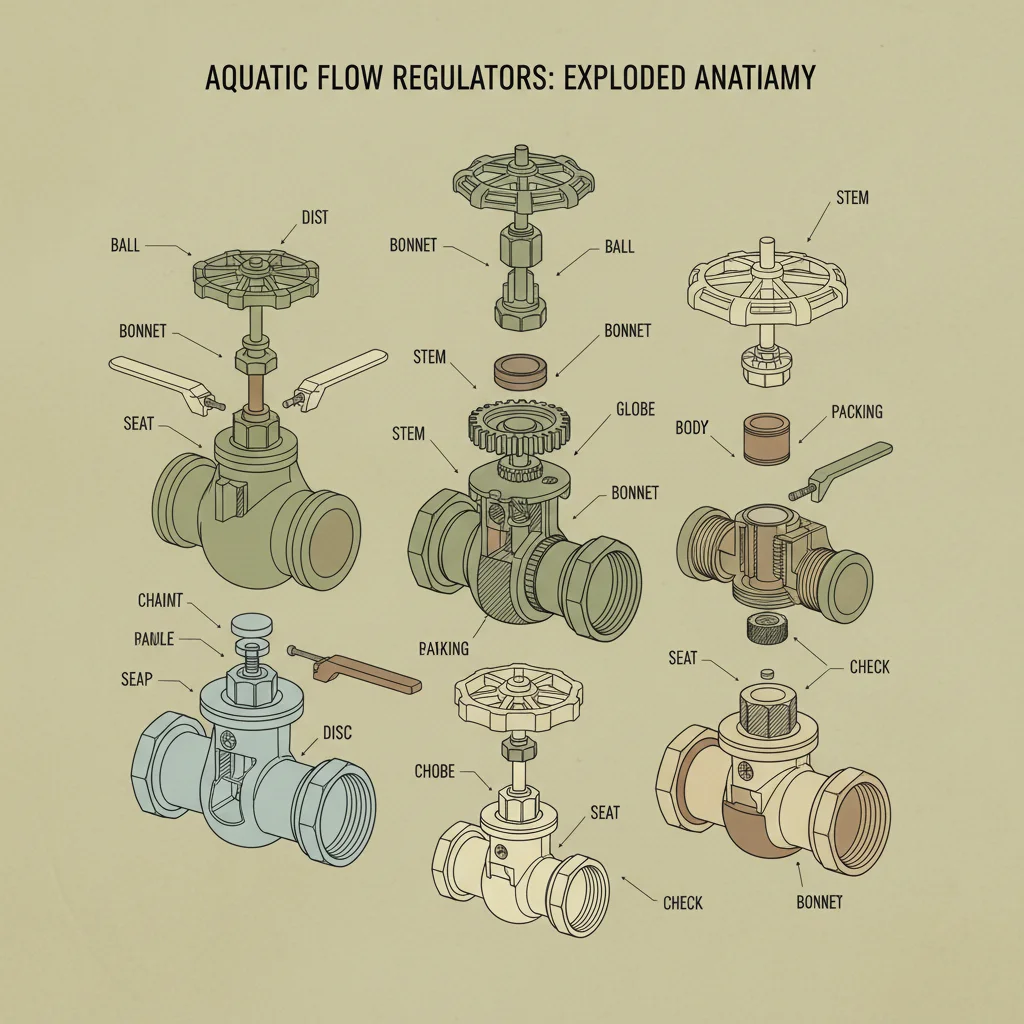
Understanding the Diverse World of Types of Water Valve for Modern Infrastructure
-
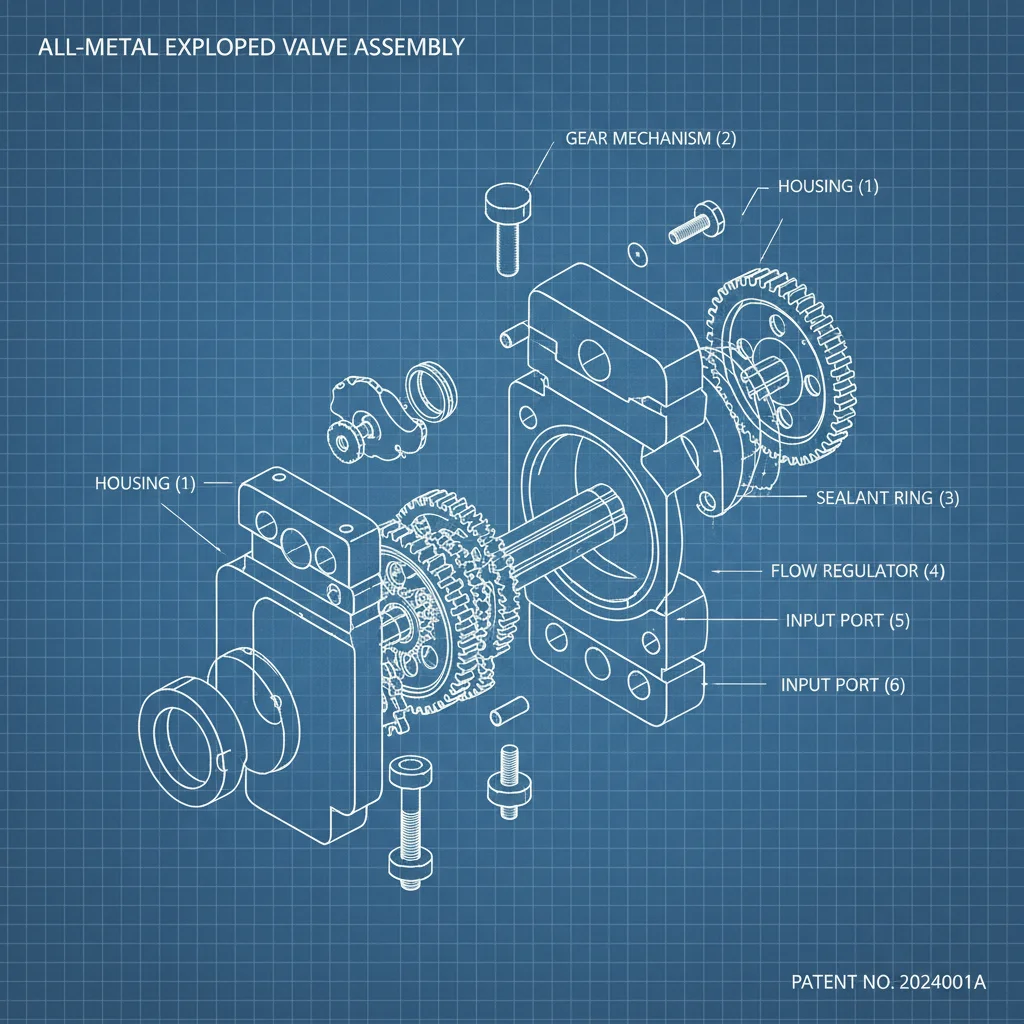
The Importance of Durable Metal Valve Selection and Real World Performance
-
Essential Water Gate Valve Technology for Efficient Fluid Management Systems
-

Navigating the Complex World of Valve Wholesale and Industrial Applications