
Honestly, things are moving *fast* these days. Everyone's talking about prefabrication, modular construction… it’s all the rage. But I’ve been on sites where “modular” just means slightly smaller pieces to haul around. The real trend, though, is about minimizing waste and getting things watertight *fast*. Because let’s be real, weather delays eat into profits. And everyone’s scrambling for anything that can shave days off a schedule. I saw a whole crew huddled over a new sealing compound at the Nanjing Chemical plant last month - apparently, it cuts curing time by 40%.
You know what gets me? Everyone tries to over-engineer things. They design these beautiful, complex fittings and then… the plumber can’t get his wrench on it. Or the electrician needs a special tool just to connect a wire. Simplicity, that's key. I encountered a really frustrating design at a project in Guangzhou last year – a supposedly “improved” valve manifold that required three different sizes of hex keys. Three! It was a nightmare.
And let’s talk about materials. We're still mostly using galvanized steel for a lot of this stuff, and it's a workhorse, you know? Feels solid, smells…metallic. You can tell if it’s good quality just by the weight. But increasingly, you’re seeing more and more stainless steel – 304, 316, all that jazz. It’s expensive, sure, but corrosion resistance is a game-changer, especially near the coast. And don’t even get me started on plastics… PVC, CPVC, PEX. They have their place, but you have to be careful. They can get brittle in the cold, and some of the cheaper stuff just disintegrates in the sun.

Industry Trends and Design Pitfalls

Have you noticed everyone wants ‘smart’ valves now? Integrated sensors, remote control… It sounds good on paper, but adding more electronics just means more things to break. I’m not saying it’s bad, but you’re trading reliability for convenience. Strangely, I find most plumbers just want something that *works*. They don't want to troubleshoot a Bluetooth connection at 6 AM.
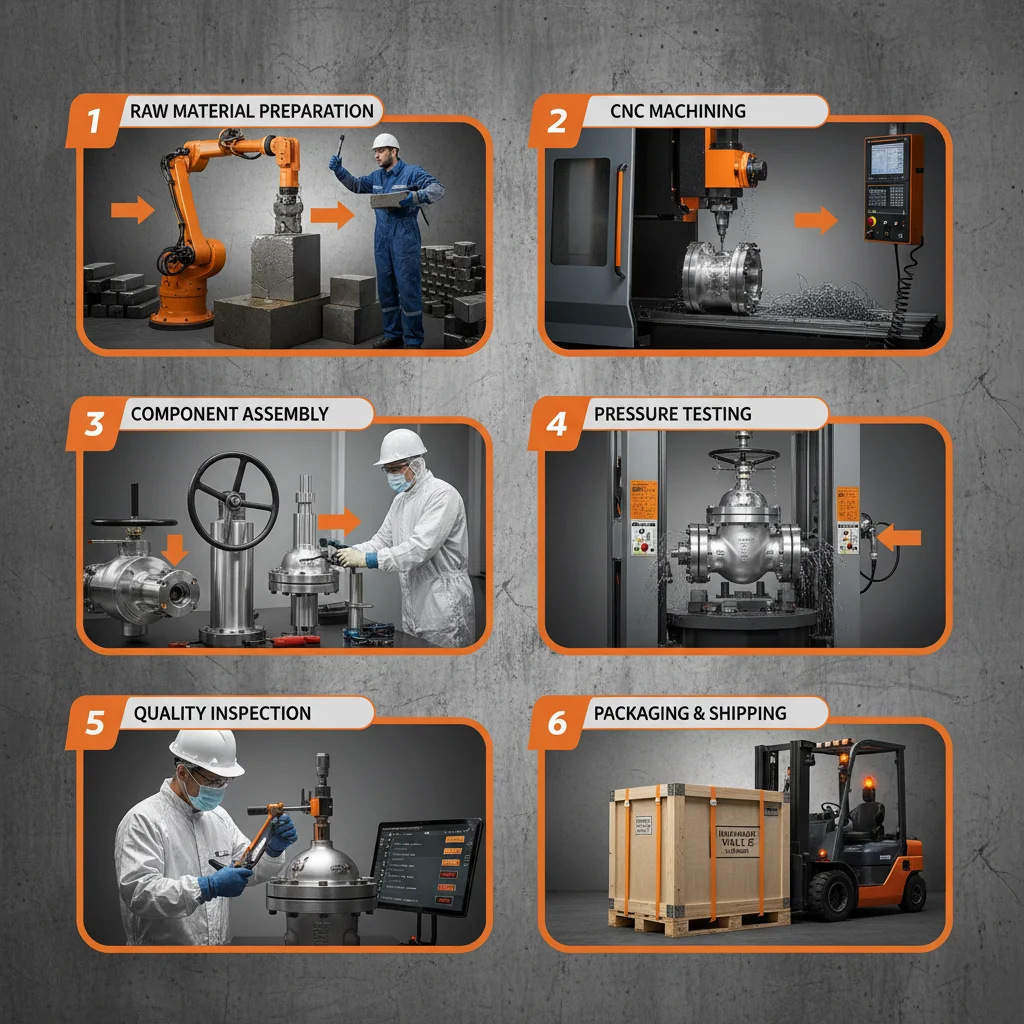
The big push is prefabrication, like I mentioned. But it's not just about assembling things in a factory; it's about thinking through the entire process *before* you start cutting and welding. That means detailed drawings, accurate material lists, and someone who actually understands how things go together on-site. Too many companies skip that step.
FAQS
Honestly? They chase the cheapest price. They don’t factor in the long-term cost of failure, downtime, and repairs. A good valve isn't just about the initial price tag. It's about reliability and preventing headaches down the road. I've seen too many projects delayed because someone skimped on a critical component like this. You get what you pay for, nine times out of ten.
Crucial. Absolutely crucial. If you're dealing with acidic or alkaline fluids, galvanized steel is going to corrode *fast*. Stainless steel, especially 316, is the way to go. And even then, you need to consider the specific chemical composition of the fluid. Sometimes you need specialized alloys or coatings. I've seen entire pipelines replaced because someone didn't choose the right material.
Usually, it’s something simple. Poor installation, improper maintenance, or just exceeding the valve’s pressure rating. Also, debris in the fluid can cause wear and tear. Regular inspection and cleaning are essential. And don't overtighten things – you'll strip the threads and cause a leak. It sounds obvious, but it happens all the time.
Absolutely. You can customize the material, the port size, the connection type, the actuator… pretty much anything. I had a client who needed a valve with a specific flange configuration to fit an existing system. We had to get it custom-made, but it saved them a lot of trouble in the long run. It’s worth exploring customization if you have a unique requirement.
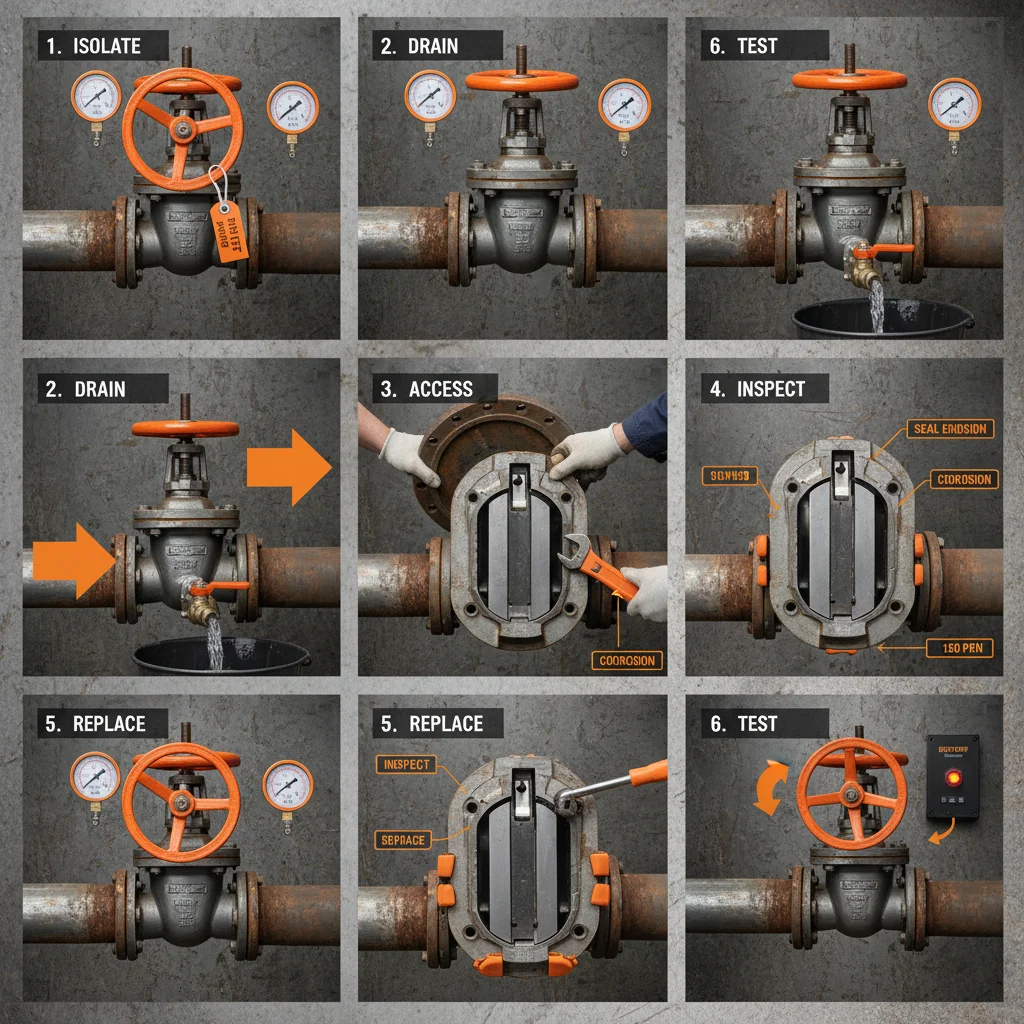
Regular inspection is key. Check for leaks, corrosion, and wear and tear. Lubricate the moving parts as needed. And make sure the valve is protected from extreme temperatures and harsh environments. Also, don't just leave it sitting idle for long periods – that can cause the seals to dry out and crack. Use it or lose it, basically.
A ball valve provides quick shut-off, with a 90-degree turn of the handle. Great for applications where you need to isolate sections quickly. A gate valve, on the other hand, controls flow gradually. It’s better for applications where you need to regulate the flow rate. Each has its strengths and weaknesses, so choose the right one for the job. Don't try to force a ball valve to throttle flow - that's a good way to damage it.
Conclusion
So, there you have it. Choosing the right valve is more than just picking the cheapest option. It's about understanding your application, considering the materials, thinking about long-term maintenance, and learning from the mistakes of others. It’s about balancing cost with reliability and avoiding unnecessary complexity.
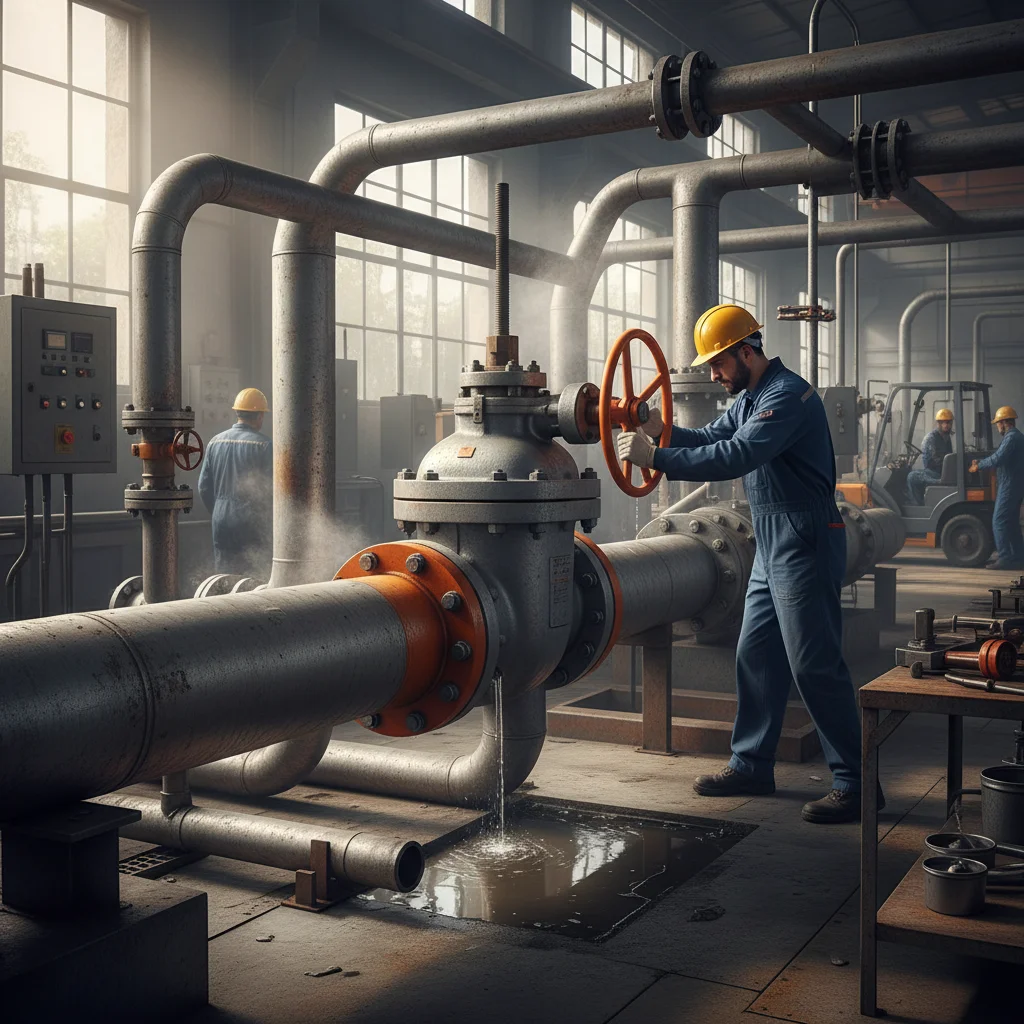
Ultimately, whether this thing works or not, the worker will know the moment he tightens the screw. Because if it leaks, or if it breaks, he’s the one who has to fix it. And believe me, nobody wants to spend their day crawling under a pipe fixing a leaky valve. valve for sale