

Mar . 10, 2026 02:45 Back to list
Understanding the Functionality and Applications of an 8 Check Valve
Understanding the Critical Role of an 8 Check Valve
In numerous industrial applications, maintaining unidirectional fluid flow is paramount. This is where the 8 check valve plays a vital role. These valves are designed to prevent backflow, protecting equipment, ensuring process efficiency, and upholding safety standards. This article delves into the functionality, types, applications, and key considerations when selecting an 8 check valve for your specific needs. Proper valve selection and maintenance directly impact the reliability and longevity of your systems.
How Does an 8 Check Valve Work?
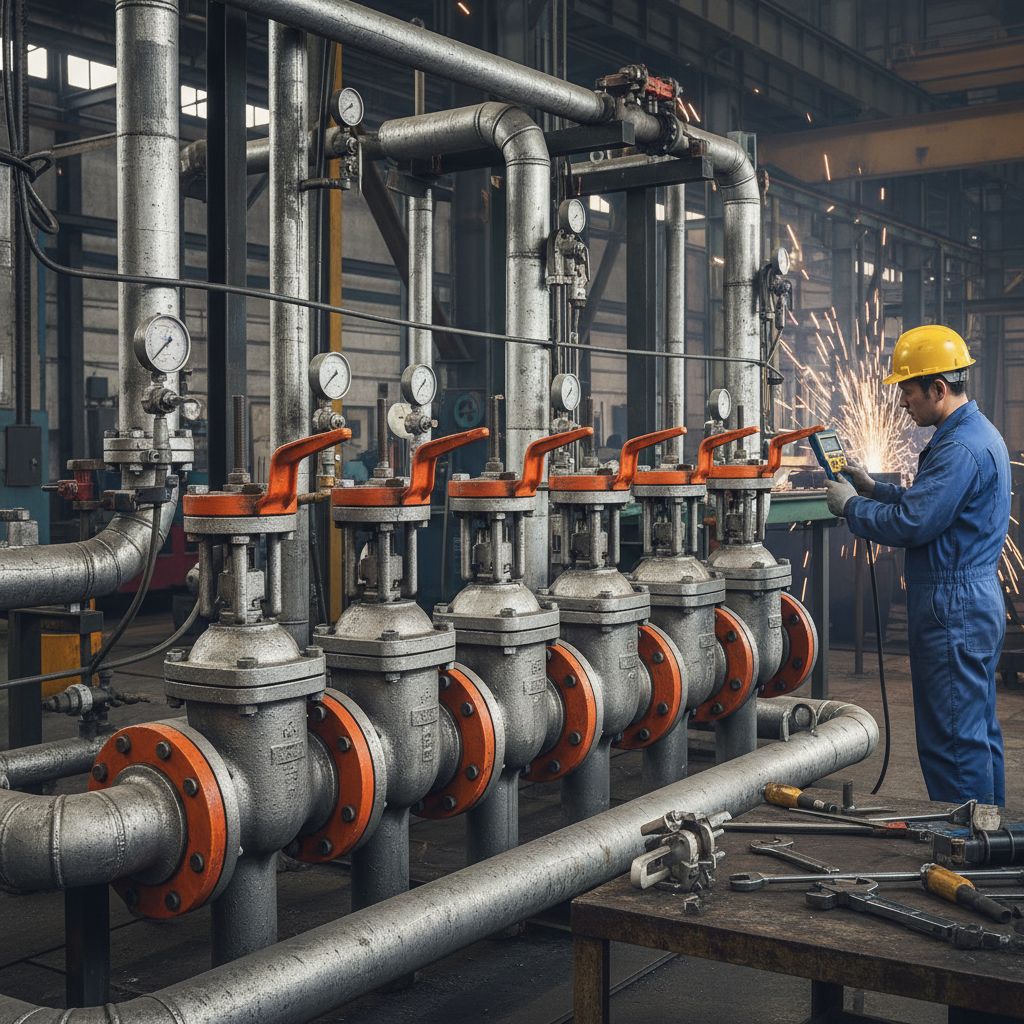
At its core, an 8 check valve operates on a simple principle: allowing fluid flow in one direction while automatically preventing flow in the opposite direction. This is achieved through various internal mechanisms, typically utilizing a disc, ball, or swing that opens with forward flow and seals against a seat to block reverse flow. The “8” designation generally refers to the valve’s nominal pipe size (NPS) – indicating it's designed for 8-inch diameter piping. These valves are essential in preventing contamination, protecting pumps from damage due to reverse flow, and maintaining consistent pressure within a system. STR Machinery offers a wide selection of these vital components.
Key Benefit: Preventing backflow protects pumps, compressors, and other critical equipment from damage and ensures process integrity.
Types of 8 Check Valves
Several types of 8 check valves cater to different application needs. Common types include:
- Swing Check Valve: Utilizes a hinged disc that swings open with flow and closes with gravity. Suitable for low to moderate flow rates.
- Lift Check Valve: Employs a disc that lifts off its seat with forward flow and seats down to prevent backflow. Ideal for applications requiring frequent opening and closing.
- Ball Check Valve: Uses a ball that rolls onto a seat to seal against reverse flow. Often used for slurries and fluids containing solids.
- Dual Plate Check Valve: Offers low pressure drop and fast response times, making it suitable for applications with pulsating flows.
Choosing the Right Valve:
• Flow Rate: Consider the system's flow requirements.
• Fluid Type: Select a valve material compatible with the fluid being handled.
• Pressure Drop: Minimize pressure loss for optimal efficiency.
• Maintenance Requirements: Evaluate the valve's ease of inspection and repair.
8 Check Valve Applications Across Industries
8 check valves are essential components in a vast array of industrial processes. Some key applications include:
- Wastewater Treatment: Preventing backflow of sewage and ensuring efficient treatment processes.
- Oil and Gas: Protecting pumps and pipelines from reverse flow and maintaining pressure integrity.
- Chemical Processing: Safeguarding against contamination and ensuring accurate chemical mixing.
- Power Generation: Protecting cooling water systems and steam turbines.
- Irrigation Systems: Maintaining water flow and preventing back-siphonage.
Comparison of Common 8 Check Valve Types
Choosing the right type of 8 check valve depends heavily on the specific application. Here’s a comparative look at some common types:
Material Considerations for 8 Check Valves
The material of an 8 check valve is crucial for ensuring compatibility with the fluid it will handle and the operating environment. Common materials include:
- Cast Iron: Cost-effective for general water applications.
- Stainless Steel: Excellent corrosion resistance, ideal for harsh chemicals and high temperatures.
- PVC: Lightweight and corrosion-resistant, suitable for low-pressure applications.
- Brass: Good corrosion resistance and machinability, used in various applications.
Conclusion: Selecting the Right 8 Check Valve
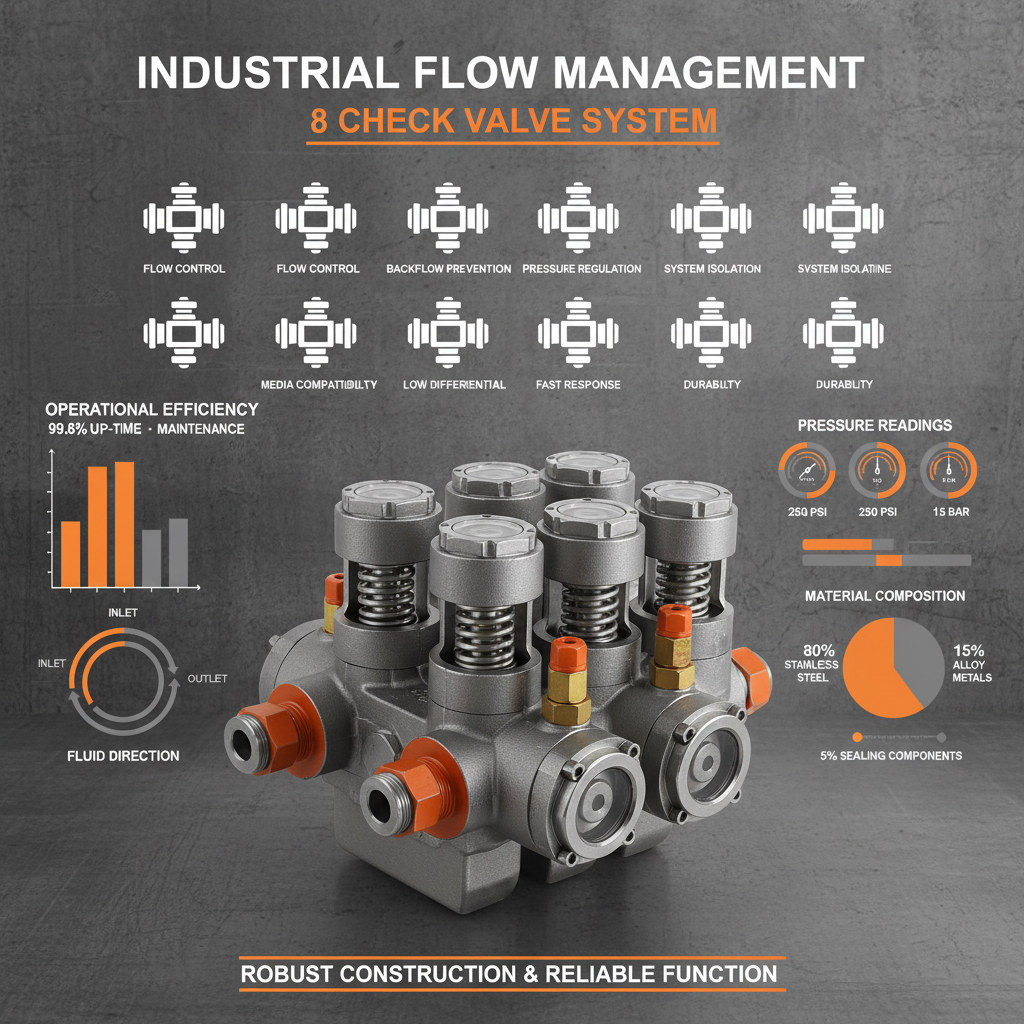
Choosing the right 8 check valve requires careful consideration of application demands, fluid properties, and material compatibility. By understanding the different types and their respective advantages, you can ensure optimal system performance, protect valuable equipment, and maintain a safe and efficient operation. STR Machinery is a trusted provider of high-quality check valves designed to meet your specific needs.
Frequently Asked Questions (FAQs)
What is the typical lifespan of an 8 check valve?
The lifespan of an 8 check valve varies depending on operating conditions, fluid compatibility, and maintenance practices. Generally, a well-maintained valve can last for 5-10 years or longer. Factors such as exposure to corrosive fluids, high temperatures, and frequent cycling can shorten its lifespan. Regular inspection and preventative maintenance, including cleaning and lubrication, are crucial for maximizing longevity. Always consult the manufacturer's recommendations for specific service intervals.
What maintenance is required for an 8 check valve?
Regular maintenance for an 8 check valve includes visual inspection for leaks, corrosion, and damage. Periodically check the valve’s seating surfaces for debris and clean as necessary. Lubricate moving parts according to the manufacturer’s instructions. For valves operating in harsh environments, consider implementing a preventative maintenance schedule that includes more frequent inspections and potential component replacement. Addressing minor issues promptly can prevent costly repairs and downtime.
How do I determine the correct size 8 check valve for my application?
Determining the correct size 8 check valve involves considering the flow rate, fluid velocity, and pressure drop. The valve's nominal pipe size (NPS) should match the piping system's diameter. Calculate the required flow coefficient (Cv) based on your system's specifications. Consult valve manufacturers' sizing charts or utilize online sizing tools to select a valve that can handle the required flow without excessive pressure loss. It’s often best to consult with a qualified engineer or valve specialist to ensure accurate sizing.
What are the potential consequences of a failing 8 check valve?
A failing 8 check valve can lead to several significant consequences, including backflow contamination, pump damage, system inefficiency, and potential safety hazards. Backflow can compromise the quality of fluids and processes, while reverse flow can cause pumps to work harder, overheat, and ultimately fail. Ignoring a failing valve can result in costly repairs, downtime, and even environmental issues. Regular monitoring and proactive replacement are essential for preventing these problems.
-
Industrial Water Valve Replacement and Precision Maintenance GuideNews04 . Fri, 2026
-
Industrial Carbon Steel Check Valve Guide for Piping SystemsNews04 . Thu, 2026
-
Industrial Guide to Selecting a High Quality butterfly check valveNews04 . Thu, 2026
-
Choosing a Reliable Valve Supplier for Optimal Industrial PerformanceNews04 . Wed, 2026
-
Understanding the Functionality and Applications of a Balon Check ValveNews04 . Tue, 2026
-
Leading Valve Manufacturer Providing Precision Engineered SolutionsNews04 . Mon, 2026
Related PRODUCTS