

Mar . 05, 2026 09:25 Back to list
Understanding the Functionality and Applications of a 6 Check Valve
Understanding the Functionality of a 6 Check Valve
A 6 check valve is a crucial component in many fluid handling systems, ensuring unidirectional flow and preventing backflow. This is vital in applications ranging from wastewater treatment to industrial processing. Choosing the right check valve for your specific needs is paramount, and understanding the various types and specifications is key. At STR Machinery, we specialize in providing high-quality check valves tailored to diverse industrial requirements. Investing in a reliable check valve minimizes system downtime and ensures operational efficiency.
How Do 6 Check Valves Work?
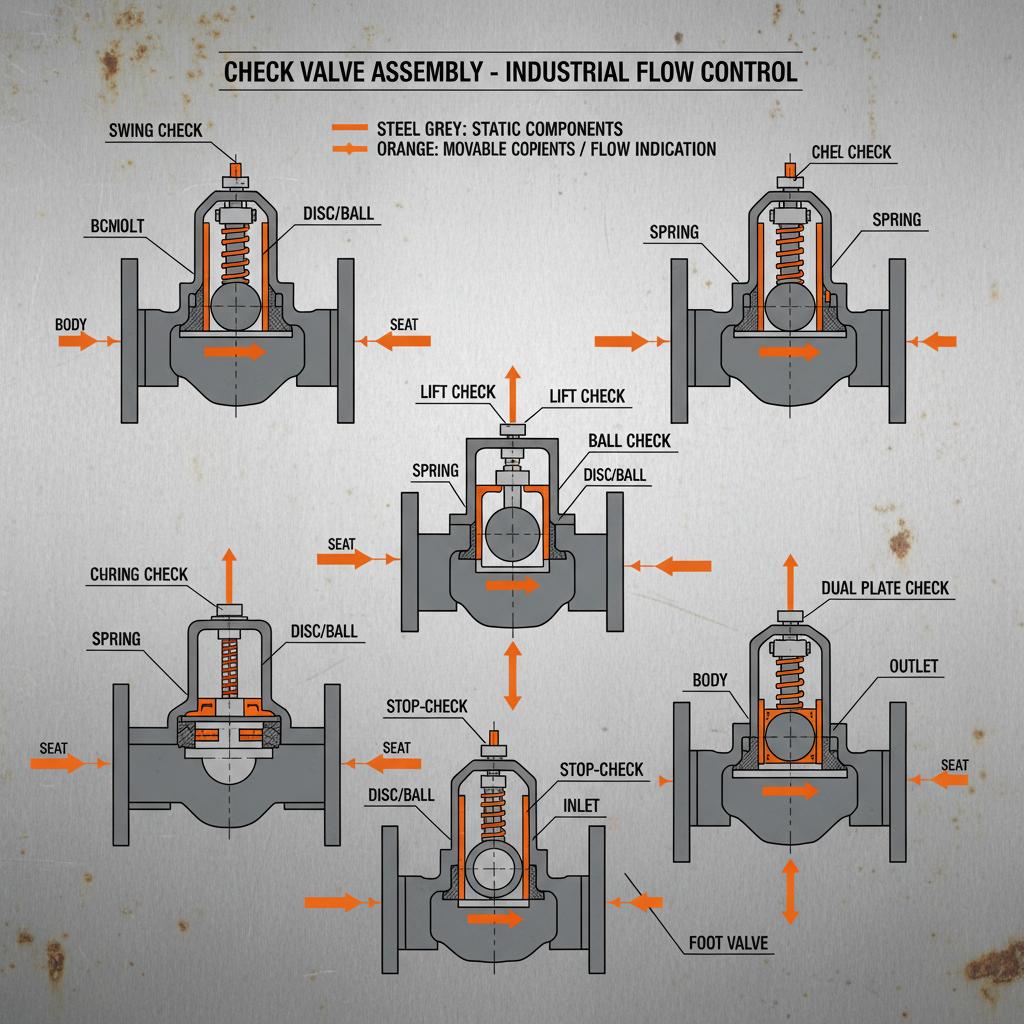
The core principle behind a 6 check valve's operation is simple yet effective. It allows fluid to flow in only one direction. When pressure on the inlet side is greater than the outlet side, the valve opens, permitting flow. Conversely, if the pressure reverses, the valve closes automatically, preventing backflow. This self-acting mechanism is typically achieved through a disc, ball, or swing element that responds to pressure differentials. The '6' in '6 check valve' generally refers to the size of the valve's port, indicating the nominal pipe diameter it's designed for. Understanding the mechanics ensures the correct valve is selected for optimal performance and longevity.
Key Highlights: A 6 check valve prevents backflow by utilizing pressure differentials to automatically open and close a flow-restricting element. This ensures a one-way fluid path in various industrial applications.
Types of 6 Check Valves
Several types of 6 check valves are available, each suited for different applications and fluid characteristics. Common types include swing check valves, lift check valves, ball check valves, and diaphragm check valves. Swing check valves use a hinged disc that swings open with flow and closes against a seat to prevent backflow. Lift check valves employ a disc that lifts off its seat with flow. Ball check valves use a ball seated within the valve body. Diaphragm check valves utilize a flexible diaphragm to control flow. The choice depends on factors like fluid viscosity, pressure, temperature, and the presence of solids.
Key Valve Types:
• Swing Check Valve
• Lift Check Valve
• Ball Check Valve
• Diaphragm Check Valve
6 Check Valve Materials and Their Applications
The material of a 6 check valve is critical to its performance and longevity. Common materials include stainless steel, brass, PVC, and cast iron. Stainless steel is preferred for corrosive fluids and high-temperature applications. Brass is suitable for water and oil. PVC is a cost-effective option for low-pressure applications involving non-corrosive fluids. Cast iron is often used for heavy-duty applications. Selecting the right material ensures compatibility with the fluid being handled and prevents premature failure. STR Machinery offers a wide range of materials to meet your specific needs.
Selecting the Right 6 Check Valve for Your System
Choosing the optimal 6 check valve requires careful consideration of several factors. These include the fluid type, pressure, temperature, flow rate, and potential for water hammer. Proper sizing is also critical; an undersized valve will restrict flow, while an oversized valve may not close effectively. At STR Machinery, our experienced engineers can assist you in selecting the perfect valve for your specific application. We provide detailed product specifications and technical support to ensure optimal performance.
Conclusion: Ensuring Reliable Fluid Flow with STR Machinery
Invest in Quality for Optimal Performance
A properly selected and maintained 6 check valve is essential for the reliable and efficient operation of any fluid handling system. STR Machinery is committed to providing high-quality valves, expert guidance, and exceptional customer service. Contact us today to discuss your specific needs and find the perfect solution for your application.
Frequently Asked Questions (FAQs)
What is water hammer and how can a check valve help prevent it?
Water hammer is a pressure surge or wave resulting when fluid in motion is forced to stop or change direction suddenly. This can damage pipes and valves. A check valve mitigates water hammer by preventing the reversal of flow, which is a primary cause of these surges. By allowing fluid to flow in only one direction, the check valve absorbs the energy from the sudden stop, protecting the system from damage. Choosing a check valve with damping features can further reduce water hammer effects.
How do I determine the correct size 6 check valve for my application?
Determining the correct size involves considering the pipe diameter, flow rate, and fluid velocity. The valve’s port size should match the pipe diameter to minimize pressure loss. The flow rate determines the required valve capacity. Consulting valve sizing charts or using online calculators can help. It's crucial to factor in potential future increases in flow rate to avoid undersizing. STR Machinery's engineers can assist in accurate valve sizing for your specific system.
What maintenance is required for a 6 check valve?
Regular inspection is crucial. Check for leaks, corrosion, and smooth operation. Periodically disassemble the valve to inspect the seating surfaces for wear or debris. Clean the valve body and moving parts as needed. Lubricate moving parts according to the manufacturer’s recommendations. Replace any worn or damaged components promptly. Following a preventative maintenance schedule will prolong the valve’s lifespan and ensure reliable performance.
What is the difference between a swing check valve and a lift check valve?
Both prevent backflow but operate differently. Swing check valves use a disc hinged to swing open with flow and close with reverse flow. They are suitable for lower velocity applications. Lift check valves have a disc that lifts vertically off its seat. They handle higher velocities and are less prone to water hammer. The choice depends on the specific application requirements and fluid characteristics.
-
Industrial Water Valve Replacement and Precision Maintenance GuideNews04 . Fri, 2026
-
Industrial Carbon Steel Check Valve Guide for Piping SystemsNews04 . Thu, 2026
-
Industrial Guide to Selecting a High Quality butterfly check valveNews04 . Thu, 2026
-
Choosing a Reliable Valve Supplier for Optimal Industrial PerformanceNews04 . Wed, 2026
-
Understanding the Functionality and Applications of a Balon Check ValveNews04 . Tue, 2026
-
Leading Valve Manufacturer Providing Precision Engineered SolutionsNews04 . Mon, 2026
Related PRODUCTS