
NEWS
-
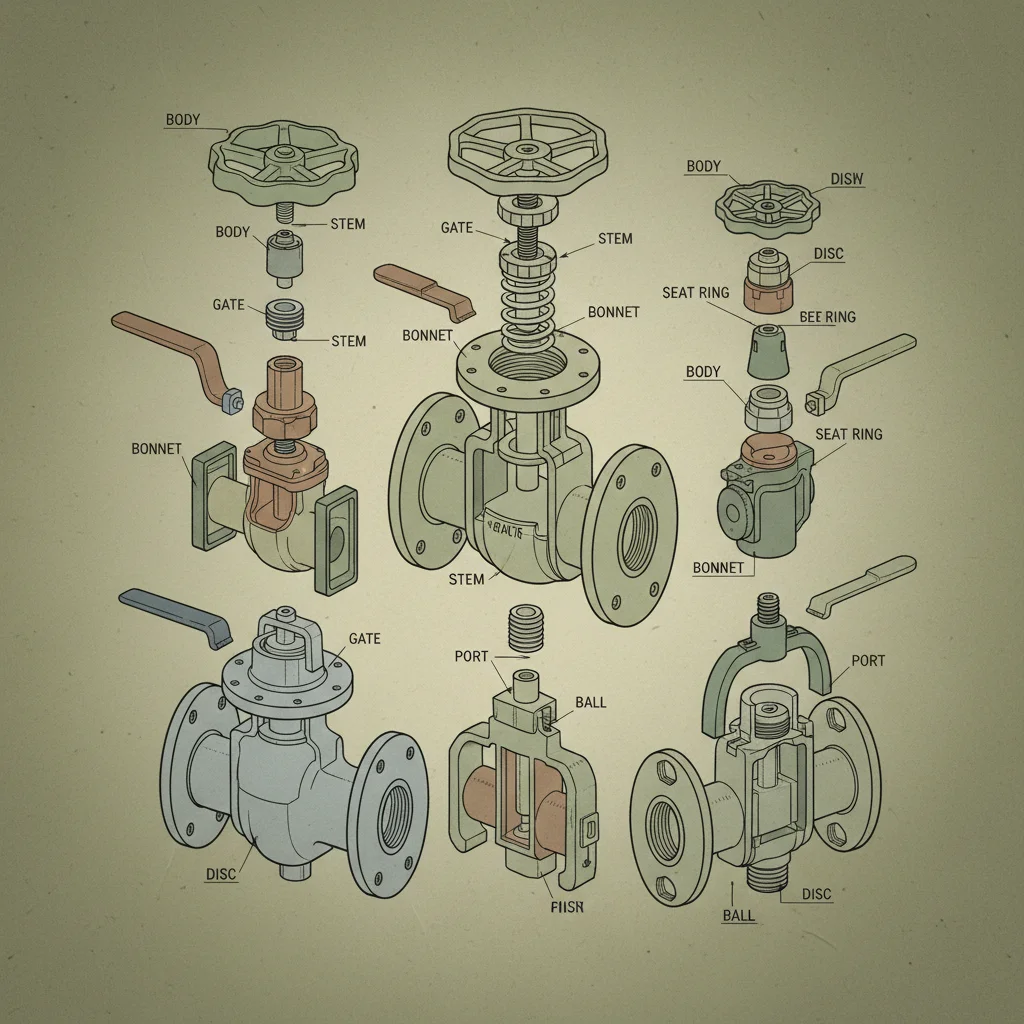
Understanding the Nuances of Different type of water valves and Practical Considerations
Look, after running around construction sites all year, you start to see patterns. Right now, everyone's obsessed with smart valves, right? IoT this, remote control that. It's all well and good, but honestly, a lot of these guys are getting caught up in the bells and whistles and forgetting about the basics. They design these things on a computer, thinking it'll all just work… but they haven't felt the grime, smelled the oil, or wrestled with a rusted bolt in their life. Have you noticed how many supposedly "heavy-duty" valves crack under real stress? It’s frustrating. We’re seeing a big push for more environmentally friendly materials, which is great, but they need to hold up! It’s not enough to be green if it breaks after six months. I was at the Xinyi factory last time, and they were bragging about their new composite valve bodies… looked nice enough, but the foreman told me they were already seeing delamination in the field.Read more -
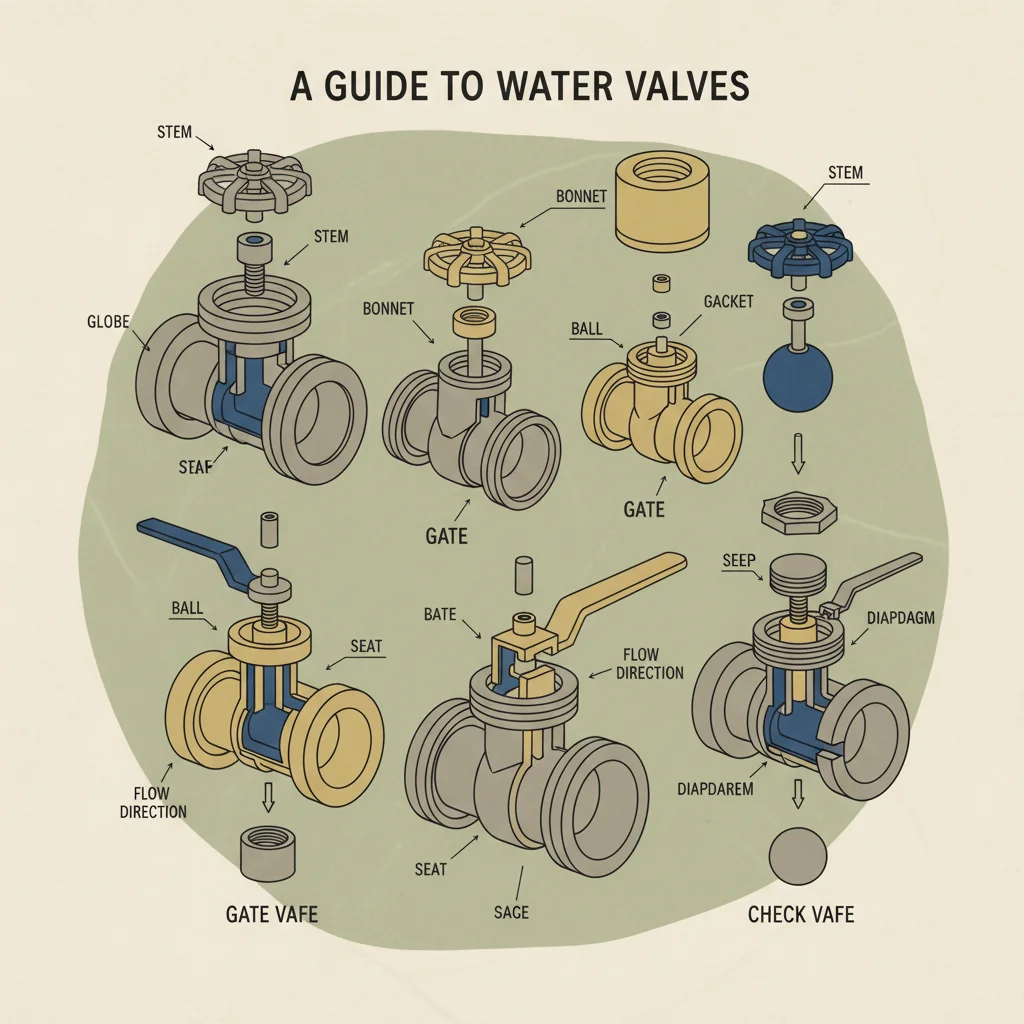
Exploring Different Types of Water Valves and Modern Industry Trends
You know, the water valve industry... it’s not exactly glamorous, is it? But let me tell you, it's a surprisingly dynamic field. Lately, everyone’s talking about smart valves, IoT integration, remote monitoring… a lot of buzzwords. But honestly, after spending a year crawling around construction sites and factories, I've seen enough “smart” solutions that are just needlessly complicated. It’s like they forget who’s actually using these things - guys with gloves covered in grime. What I’ve noticed is a real push for more sustainable materials, too. Not just because it’s the right thing to do, but because clients are demanding it. It’s getting harder to ignore the environmental impact of everything. And frankly, the old cast iron stuff? Heavy, brittle, prone to corrosion... it's time for an upgrade.Read more -
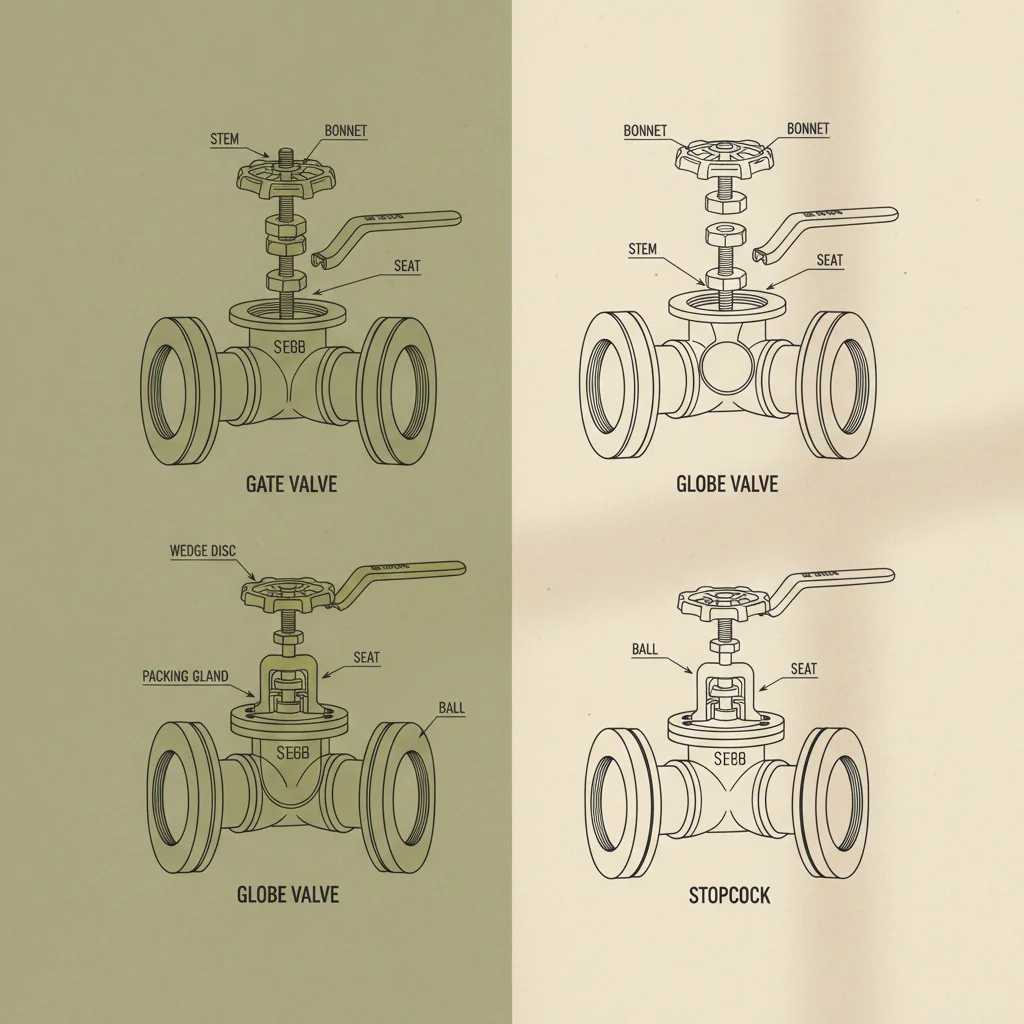
Understanding Types of Shut Off Water Valves for Reliable Water Management
Look, I’ve been running around construction sites for… well, let’s just say a long time. You see a lot. You smell a lot. Mostly concrete dust and welding fumes, but you get a feel for what actually works. Lately, everyone's buzzing about pre-fabricated modules, right? Trying to build more off-site. Sounds good on paper. Saves time, supposed to cut costs. But honestly, it's not always that simple. The biggest thing I’ve noticed, and it drives me crazy, is engineers designing things without ever having touched the materials. They specify a grade of steel, or a type of plastic, and they have no idea what it's like to actually work with it. Have you noticed how some plastics get brittle in the cold? Or how certain alloys are a nightmare to weld? It's a constant battle. We’re using a lot more high-density polyethylene (HDPE) pipe these days. Feels…waxy, almost. Smells a bit like nothing, actually, which is weird. It's light, which is good, but it flexes more than you'd think, so you have to be careful with support structures. And that composite lumber? That stuff is heavy, smells like formaldehyde even after it’s “cured”, and splinters like crazy.Read more -
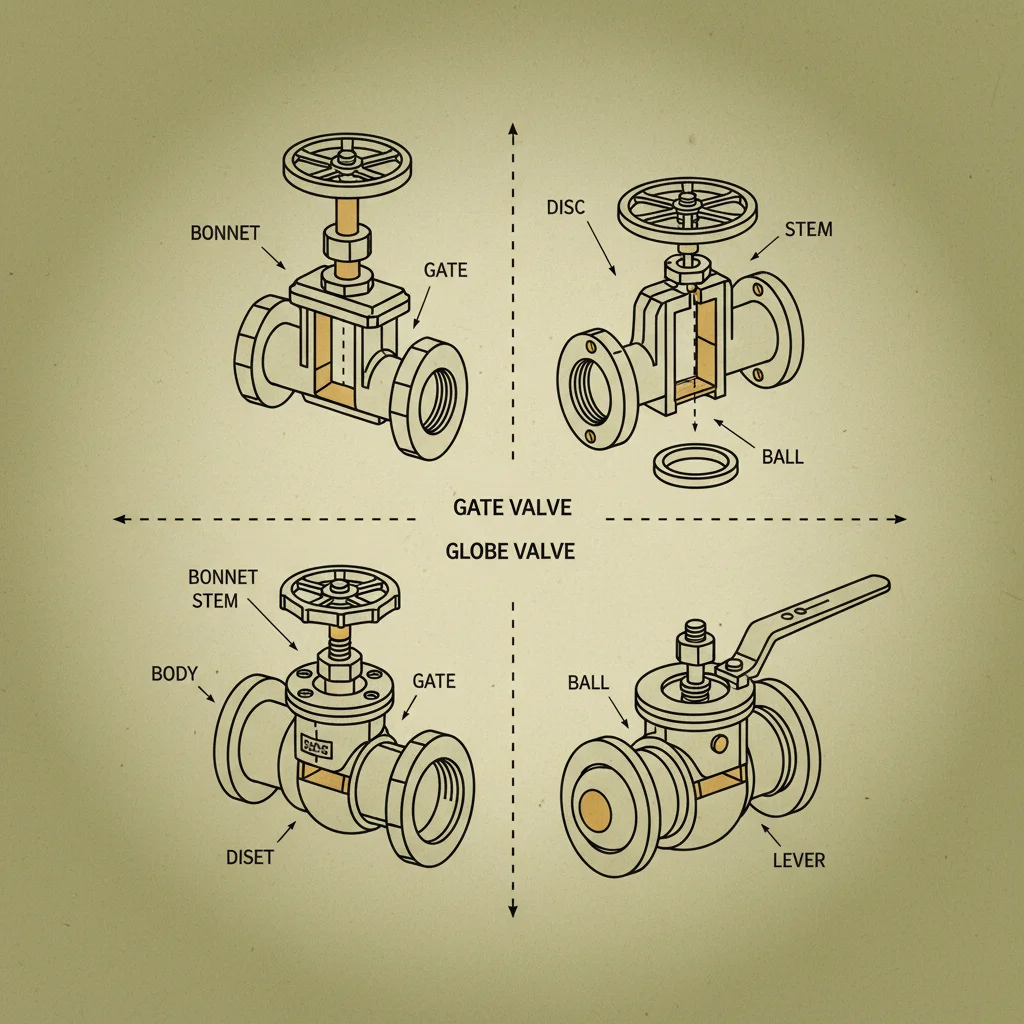
Understanding Water Valve Types Evolution Design and Practical Applications
You know, lately everyone's talking about 'smart' water valve types. Smart! As if a valve needs to think. But to be honest, the push for automation is real. They want remote monitoring, predictive maintenance… stuff that sounds good in a boardroom, but out on site, you’re still dealing with rust, pressure, and a wrench. It's a big shift from the old days, that’s for sure. And what I’ve noticed is, a lot of designers forget what it’s *like* to actually use these things. They overcomplicate the handle, use materials that look fancy but can’t stand up to grime, or design an interface that's impossible to reach with gloves on. I encountered this at a factory in Ningbo last time. They had this brand-new, high-tech valve, all gleaming stainless steel... but the turning radius was awful, and the threads started stripping after just a few cycles. We’re mostly looking at cast iron for the body – still the workhorse, smells like… well, iron. Then you've got bronze for the internals, especially the seats and discs. Feels heavy, solid. Sometimes stainless, of course, 316 is the go-to for corrosive environments. But it’s cold, you know? Doesn't have the same reassuring heft as cast iron. Polymer seals are everywhere now too – Viton, EPDM, PTFE.Read more -
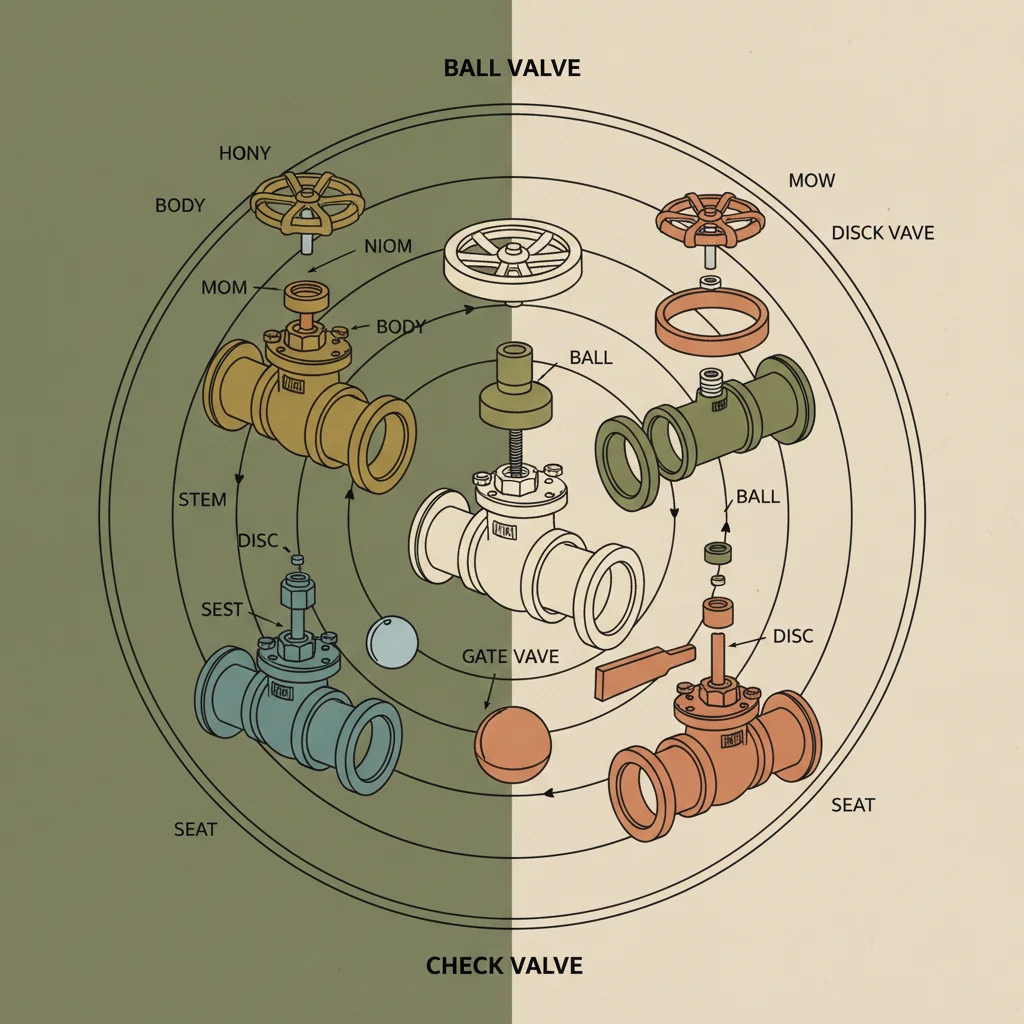
Understanding the Diverse Landscape of Types of Water Valves and Their Applications
Look, I've been on construction sites for fifteen years. Fifteen years! You see a lot, smell a lot… mostly concrete dust and regret, honestly. Lately, everyone’s buzzing about prefabrication, modular builds. It's all anyone talks about at trade shows. Seems like everyone’s chasing speed, trying to cut down on labor costs. Which, don’t get me wrong, is a good thing. But it’s also where things get tricky. You start looking at these designs, all neat and tidy on paper, and think, "Yeah, that'll work." Then you get to the site and realize… they forgot about the rain. Or the guy who’s going to actually *install* this thing. They design for the ideal, never for the real. Have you noticed that? It's a constant battle. And the materials… oh, the materials. Right now, everything is leaning towards composites. Lightweight, strong, supposedly weather-resistant. We’re using a lot of fiber-reinforced polymers – FRP, they call it. Feels…plasticky, a little slick.Read more -

Essential Considerations for Valve Selection and Performance Optimization
Honestly, things are moving fast these days. Everyone's talking about prefabrication, modular construction… it’s all the rage. But I’ve been on sites where “modular” just means slightly smaller pieces to haul around. The real trend, though, is about minimizing waste and getting things watertight fast. Because let’s be real, weather delays eat into profits. And everyone’s scrambling for anything that can shave days off a schedule. I saw a whole crew huddled over a new sealing compound at the Nanjing Chemical plant last month - apparently, it cuts curing time by 40%. You know what gets me? Everyone tries to over-engineer things. They design these beautiful, complex fittings and then… the plumber can’t get his wrench on it. Or the electrician needs a special tool just to connect a wire. Simplicity, that's key. I encountered a really frustrating design at a project in Guangzhou last year – a supposedly “improved” valve manifold that required three different sizes of hex keys. Three! It was a nightmare. And let’s talk about materials. We're still mostly using galvanized steel for a lot of this stuff, and it's a workhorse, you know? Feels solid, smells…metallic. You can tell if it’s good quality just by the weight. But increasingly, you’re seeing more and more stainless steel – 304, 316, all that jazz. It’s expensive, sure, but corrosion resistance is a game-changer, especially near the coast. And don’t even get me started on plastics… PVC, CPVC, PEX. They have their place, but you have to be careful.Read more -

Navigating the Complex World of Valve Wholesale and Industrial Applications
To be honest, the valve wholesale world has been buzzing about automation lately. Everyone’s talking about smart valves, predictive maintenance, and the whole Industry 4.0 thing. Seems like every factory I visit has someone demoing a new sensor or control system. But you know what I've noticed? A lot of these systems are designed by engineers who've never actually *touched* a valve in the field. They think everything’s clean and precise, but real-world conditions are… well, messy. It’s a global thing, though. I was in Germany last year visiting a supplier, and they were already deep into it, driven by their "Energiewende" and the need for efficient energy management. Then you look at places like India, where the demand for water infrastructure is huge, and it’s a completely different set of priorities – cost and reliability are king. The biggest challenge? Getting people to understand that a valve isn’t just a component; it’s a critical link in a whole system. If it fails, everything stops. Simple as that. That's why, frankly, I spend so much time just walking around sites, seeing what’s actually happening.Read more -
Understanding Valve Types and Practical Considerations for Industrial Applications
You know, lately everyone’s talking about “smart” valves. Smart this, smart that. Honestly, it's a bit much. I’ve been crawling around construction sites for fifteen years, and a valve is a valve, right? But things *are* changing, I’ll give you that. More automation, more demand for precision, especially in petrochemicals and large-scale water treatment. It’s not just about stopping and starting flow anymore; it’s about data, remote control, predictive maintenance… Stuff I barely understand, to be honest. Still, you gotta keep up, or you end up looking like a dinosaur. It's about getting the job done efficiently and safely. What I’ve noticed, and this is important, is that designers get *way* too caught up in making things look fancy. They forget about the guy who actually has to wrench it open in the middle of the night when the pump’s gone haywire.Read more -

Durable and Efficient 2 1 2 Check Valve – Industrial Solutions by STRMachinerys
2 1 2 Check Valve is a key solution in the industry, sp […]Read more -
16 Check Valve – Reliable Flow Control Solutions for Industrial Applications | STR Machinerys
16 Check Valve is a key solution in the industry, speci […]Read more -
15mm Single Check Valve – Reliable Industrial Valve Solutions
15mm Single Check Valve: An Insider’s Take on a S […]Read more -
Reliable 15mm Check Valve Solutions for Industrial Applications
Why the 15mm Check Valve Matters in Industrial Systems […]Read more