
You know, lately everyone’s talking about “smart” valves. Smart this, smart that. Honestly, it's a bit much. I’ve been crawling around construction sites for fifteen years, and a valve is a valve, right? But things *are* changing, I’ll give you that. More automation, more demand for precision, especially in petrochemicals and large-scale water treatment. It’s not just about stopping and starting flow anymore; it’s about data, remote control, predictive maintenance… Stuff I barely understand, to be honest. Still, you gotta keep up, or you end up looking like a dinosaur. It's about getting the job done efficiently and safely.
What I’ve noticed, and this is important, is that designers get *way* too caught up in making things look fancy. They forget about the guy who actually has to wrench it open in the middle of the night when the pump’s gone haywire. Have you noticed how some of these new globe valves have ridiculously tight spaces around the flange? You need a contortionist to get a socket wrench on them. It’s infuriating. Anyway, I think simple, robust, and *accessible* is always best.
And the materials… that's where it gets interesting. We’ve moved past just cast iron and steel, thankfully. Now you’ve got a whole spectrum of stainless steels - 304, 316, duplex… 316, you can smell the molybdenum, a sort of metallic tang. It’s tougher, better corrosion resistance, essential for seawater applications. Then there’s PTFE, Teflon, for seals. It feels… slippery, almost waxy. And the newer polymers – PEEK, PVDF – they're pricey, but can handle incredibly harsh chemicals. I encountered a problem with a PEEK lined ball valve at a chemical plant in Jiangsu last time; the supplier had cut corners on the molding process, and the lining was bubbling. A nightmare to fix.
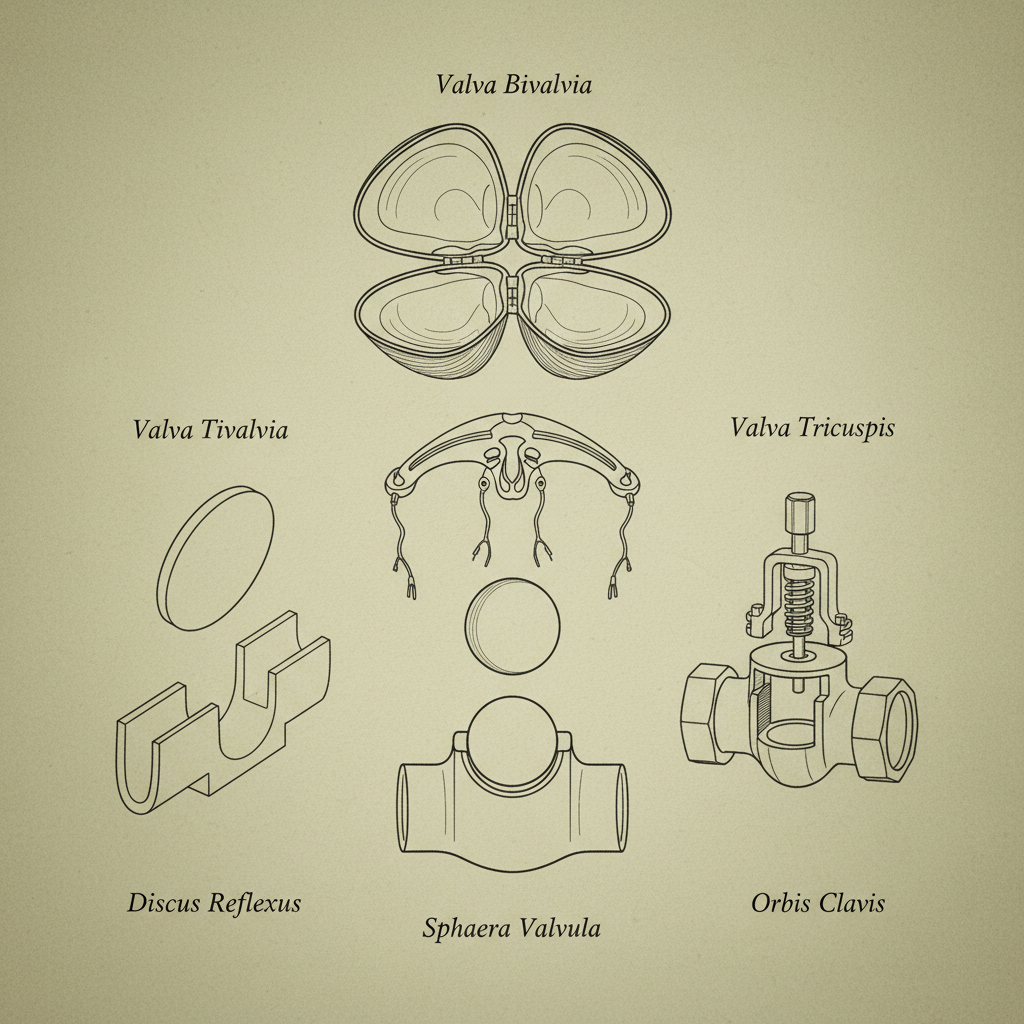
Industry Trends & Design Pitfalls

To be honest, the biggest trend isn’t fancy new materials; it’s integration. Everything has to talk to everything else. Valves with built-in sensors, communicating directly with the control system… it’s clever, but it also introduces more points of failure. Strangely, a lot of these “smart” valves require specialized software for calibration. And if that software crashes, or the vendor goes out of business? You're stuck. The older, simpler valves, they just *worked*.
The design pitfall I keep seeing is over-engineering. They make these valves so complex, so “feature-rich,” that they become a nightmare to maintain. Simplicity is key. Less is more. Trust me, I've seen enough broken things to know.
FAQS
Ignoring the specific chemicals involved. “Corrosive” is a broad term. You need to know the exact composition of the fluid, the concentration, the temperature, and the pressure. Otherwise, you might end up with a valve that corrodes through in a matter of weeks. Material selection is everything – 316 stainless is good, but sometimes you need something exotic like Hastelloy or titanium.
It depends on the application. For critical applications – like in nuclear power plants or medical devices – certification is absolutely essential. It proves that the valve has been tested and meets certain safety standards. For less critical applications, it’s less important, but it’s still a good sign of quality. Just be careful – there are a lot of fake certifications out there.
Usually, it’s erosion, corrosion, or cavitation. Erosion happens when the fluid is flowing too fast and wears away the valve’s internal components. Corrosion, as we discussed, is caused by chemical attack. Cavitation happens when the pressure drops too low, causing bubbles to form and collapse, damaging the valve. Proper sizing and material selection can help prevent all of these.
A standard gate valve has a solid gate that slides into the flow path to shut off the flow. A knife gate valve, on the other hand, has a sharp-edged “knife” that slices through the fluid. Knife gate valves are better for handling slurries and fluids with solids, because the knife can cut through the debris. They're also usually cheaper, but they don't offer the same level of tight shut-off.
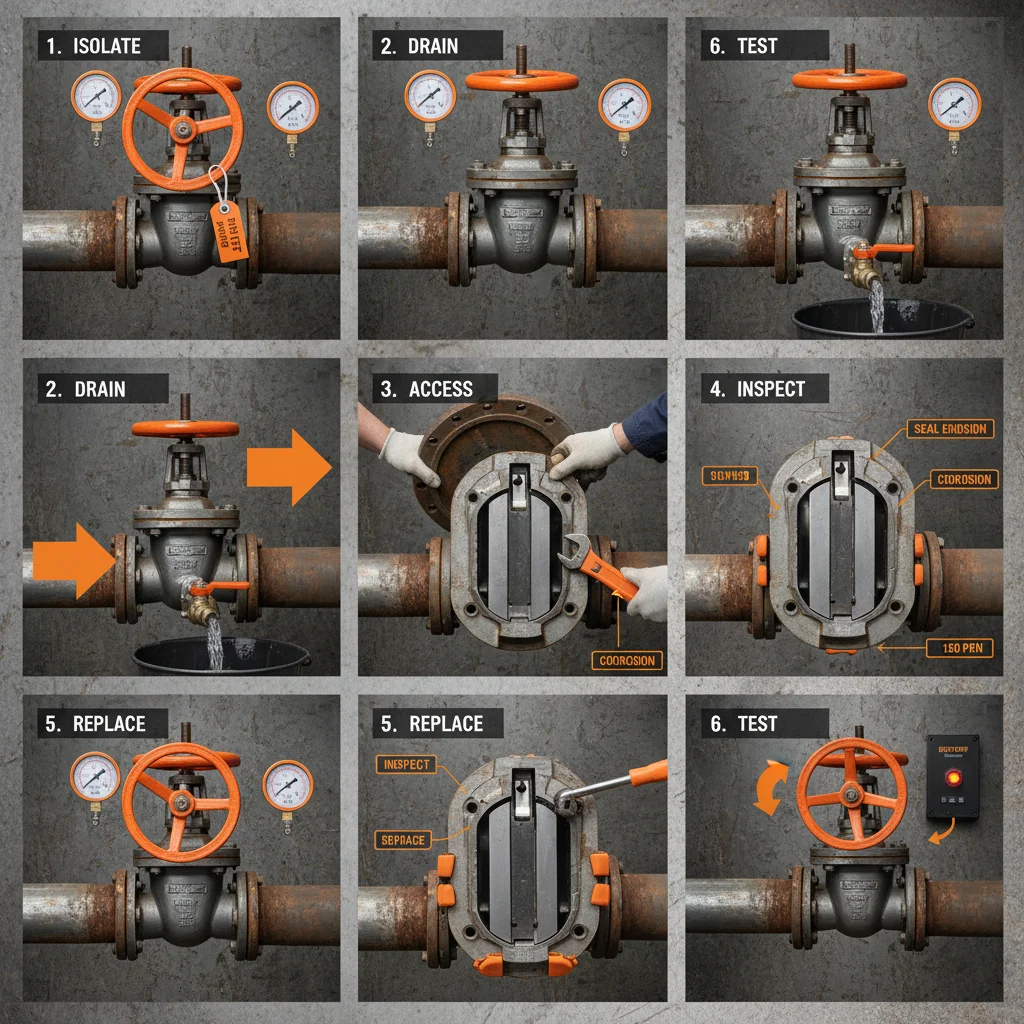
First, identify the source of the leak. Is it around the stem, the flange, or the seat? Then, check the packing gland and tighten it if necessary. If that doesn’t work, you might need to replace the packing or the seat. For a flange leak, check the gasket and the bolts. And if you're dealing with a serious leak, shut down the system and call a professional.
Many valves can be repaired in the field, especially simpler ones like ball valves and gate valves. Replacing the packing, the seat, or the gasket is usually a straightforward job. However, for more complex valves, or if the damage is severe, replacement might be the only option. It really depends on the situation and your skillset.
Conclusion
So, what have we learned? Valve types aren’t just about specs and materials; they’re about understanding the application, anticipating problems, and choosing the right tool for the job. It’s about balancing performance, reliability, and cost. And, honestly, it’s about knowing that even the smartest valve is only as good as the person who installs and maintains it.
Ultimately, whether this thing works or not, the worker will know the moment he tightens the screw. Don't overthink it. Keep it simple, keep it robust, and make sure it’s easy to fix. And if you’re ever in doubt, call a professional. You can find more information about different valve types and our services at www.strmachinerys.com