

Apr . 04, 2026 02:55 Back to list
Comprehensive Guide to Backwater Check Valve Selection and Applications
Understanding Backwater Check Valves: A Comprehensive Guide
In the realm of fluid handling systems, ensuring unidirectional flow is critical for optimal performance and preventing costly damage. Backwater check valves play a vital role in achieving this, preventing backflow and safeguarding equipment. This article delves into the intricacies of backwater check valves, covering their types, applications, installation, and maintenance, providing a comprehensive resource for engineers, technicians, and anyone involved in fluid handling systems. Selecting the right check valve is crucial for protecting your infrastructure from reverse flow and maintaining system efficiency.
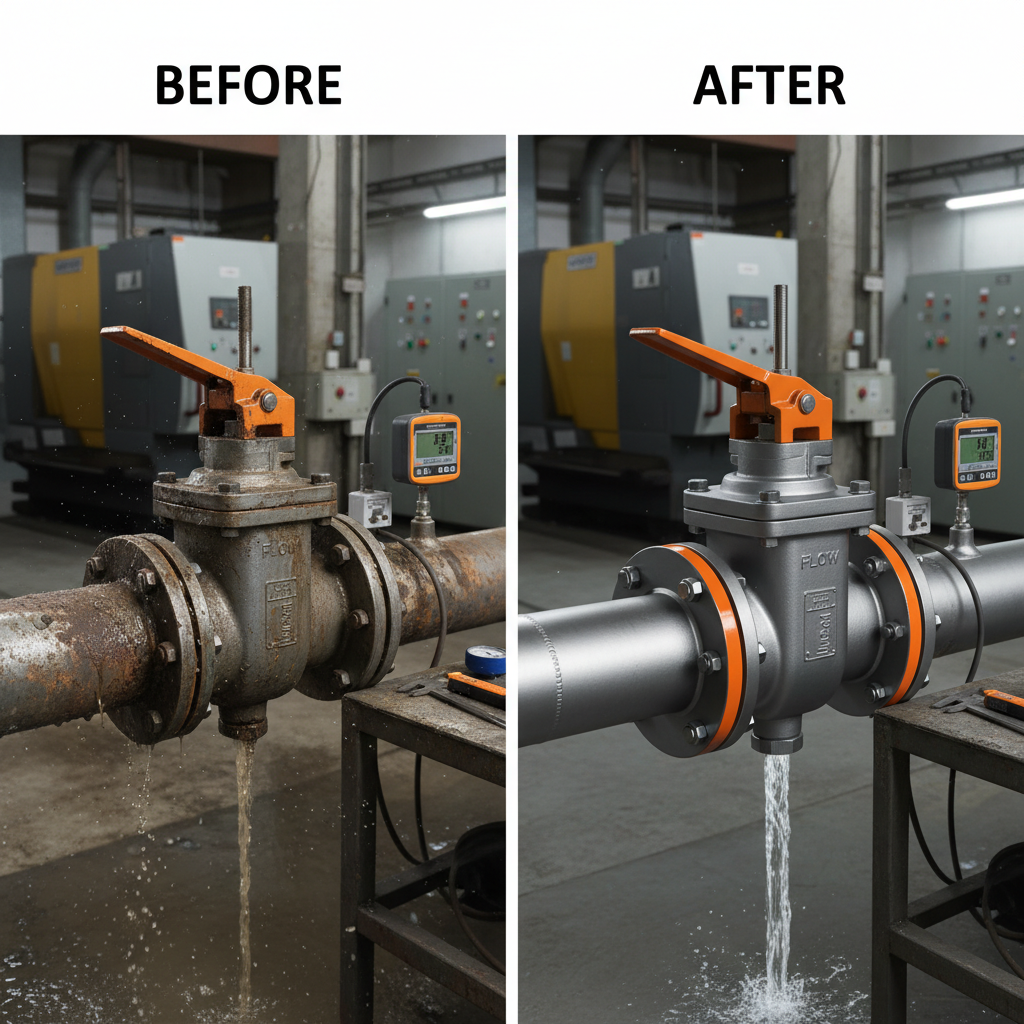
What is a Backwater Check Valve?
A backwater check valve, sometimes simply called a check valve, is a mechanical device designed to allow fluid flow in only one direction. It automatically opens to allow forward flow and closes to prevent reverse flow. This functionality is essential in various applications, including sewage systems, pump discharge lines, and water supply lines, to protect pumps, prevent contamination, and maintain system integrity. The valve relies on the pressure of the fluid itself to operate, requiring no external control mechanism.
Key Benefits: Prevents backflow, protects equipment from damage, ensures efficient system operation, and minimizes contamination risks.
Types of Backwater Check Valves
Several types of backwater check valves are available, each suited to different applications and fluid characteristics. Common types include:
- Swing Check Valves: Utilize a hinged disc (the "swing") that opens with forward flow and closes against a seat to prevent backflow.
- Lift Check Valves: Feature a disc that lifts off a seat with forward flow and descends to close during backflow.
- Ball Check Valves: Employ a ball that rolls onto a seat to block backflow.
- Diaphragm Check Valves: Use a flexible diaphragm that lifts to allow flow and closes to prevent backflow.
- Duckbill Check Valves: Feature a flexible elastomer “bill” that opens under forward pressure and collapses to seal against backflow.
The choice of valve type depends on factors like the fluid viscosity, pressure, temperature, and the presence of solids.
Backwater Check Valve Applications
Backwater check valves find widespread use in numerous industries and applications. Here are some prominent examples:
- Sewage and Wastewater Treatment: Preventing backflow of sewage into potable water systems.
- Pump Systems: Protecting pumps from reverse rotation and damage.
- Irrigation Systems: Maintaining water flow and preventing contamination.
- Industrial Fluid Handling: Ensuring unidirectional flow in chemical processing, oil and gas, and other industrial applications.
- HVAC Systems: Preventing backflow in chilled water and hot water systems.
Comparing Common Check Valve Types
Choosing the right check valve requires understanding the strengths and weaknesses of each type. Here's a comparison to help guide your selection:
Installation and Maintenance Best Practices
Proper installation and regular maintenance are crucial for ensuring the longevity and reliable operation of backwater check valves. Always follow the manufacturer's instructions. Key considerations include:
- Correct Sizing: Ensure the valve is appropriately sized for the flow rate and pipe diameter.
- Proper Orientation: Install the valve in the correct orientation, following the flow direction indicated on the valve body.
- Strainers: Install strainers upstream of the valve to prevent debris from clogging the mechanism.
- Regular Inspection: Periodically inspect the valve for signs of wear, corrosion, or damage.
- Lubrication: Some valves may require periodic lubrication to ensure smooth operation.
Preventative maintenance can significantly extend the life of your check valves and prevent costly failures.
Conclusion: Protecting Your Systems with Reliable Backflow Prevention
Investing in high-quality backwater check valves is essential for maintaining the integrity and efficiency of your fluid handling systems. By understanding the different types of valves, their applications, and proper installation and maintenance practices, you can ensure reliable backflow prevention and protect your equipment from damage. SR Machinery offers a comprehensive range of check valves to meet your specific needs.
Frequently Asked Questions (FAQs)
What factors should I consider when selecting a check valve?
Several factors are crucial when choosing a check valve, including the fluid type (viscosity, corrosiveness, presence of solids), flow rate, pressure, temperature, and pipe size. The application's specific requirements will dictate the most suitable valve type. Consider the potential for water hammer and choose a valve designed to minimize this effect. Also, material compatibility with the fluid is essential to prevent corrosion or degradation.
How often should I inspect my check valves?
Regular inspections, ideally every 6-12 months, are recommended. Look for signs of wear, corrosion, leaks, or damage to the valve body and internal components. Pay close attention to the seating surfaces and ensure they are free from debris. If the valve is frequently exposed to harsh chemicals or abrasive fluids, more frequent inspections may be necessary. Keeping a maintenance log can help track inspection dates and any repairs made.
What is water hammer and how can a check valve help prevent it?
Water hammer is a pressure surge or wave that occurs when a fluid in motion is suddenly stopped or forced to change direction. This can cause significant damage to pipes and equipment. Check valves help prevent water hammer by providing a controlled closure, minimizing the abrupt stoppage of flow. Selecting a valve with a dampened closing mechanism can further reduce the risk of water hammer.
-
Industrial Water Valve Replacement and Precision Maintenance GuideNews04 . Fri, 2026
-
Industrial Carbon Steel Check Valve Guide for Piping SystemsNews04 . Thu, 2026
-
Industrial Guide to Selecting a High Quality butterfly check valveNews04 . Thu, 2026
-
Choosing a Reliable Valve Supplier for Optimal Industrial PerformanceNews04 . Wed, 2026
-
Understanding the Functionality and Applications of a Balon Check ValveNews04 . Tue, 2026
-
Leading Valve Manufacturer Providing Precision Engineered SolutionsNews04 . Mon, 2026
Related PRODUCTS