

Mar . 21, 2026 02:45 Back to list
Comprehensive Guide to Back Check Valves Functionality and Applications
Understanding Back Check Valves: A Comprehensive Guide
Back check valves, crucial components in various fluid systems, prevent backflow – the undesirable reversal of fluid direction. These valves are essential for maintaining system efficiency, protecting equipment, and ensuring safety. At SR Machinery S, we specialize in providing high-quality back check valves for a wide range of applications. This article delves into the types, applications, benefits, and considerations when selecting a back check valve, providing a valuable resource for engineers, technicians, and anyone involved in fluid handling systems. Selecting the correct valve can significantly impact the longevity and performance of your equipment.
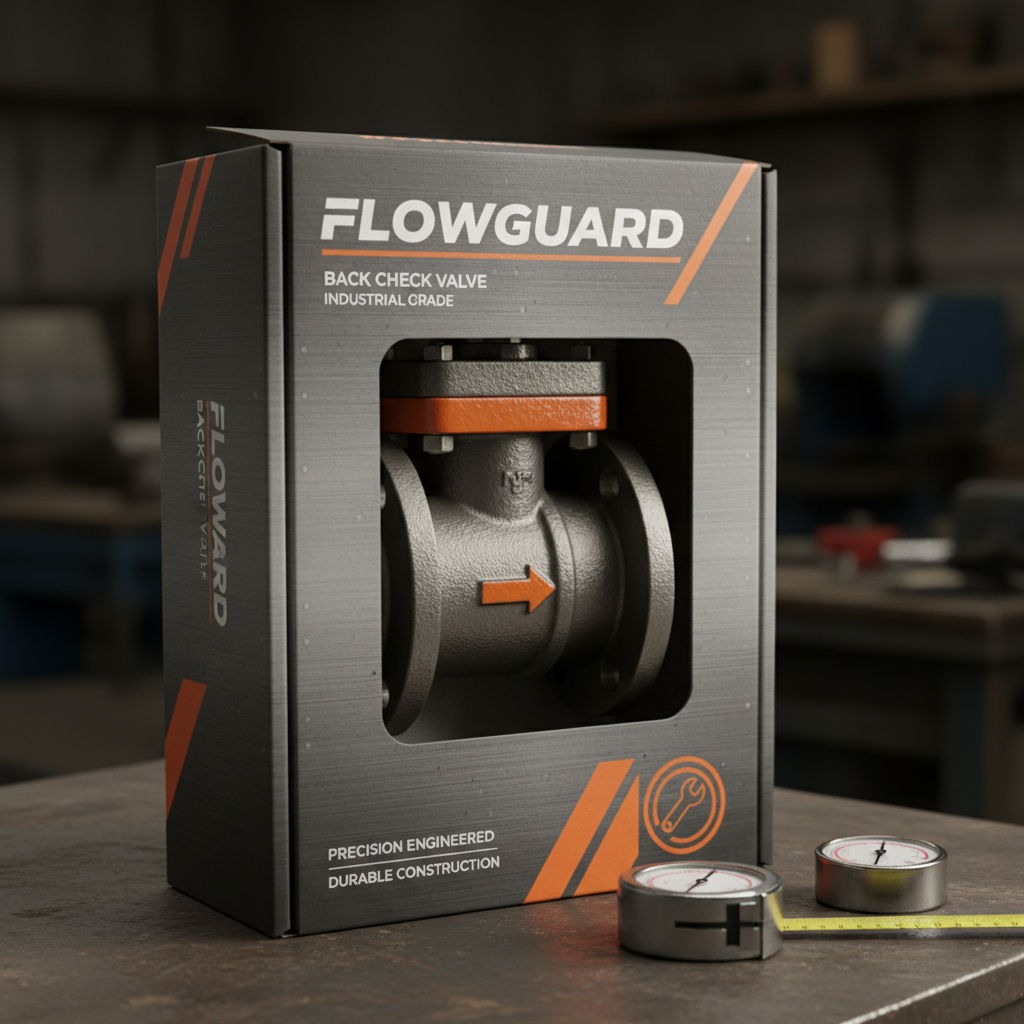
How Do Back Check Valves Work?
The core principle behind a back check valve's operation is simple yet effective. Fluid flow in the intended direction opens the valve, allowing unimpeded passage. However, any attempt at reverse flow automatically triggers the valve to close, blocking the backflow. This is typically achieved using a disc, ball, or swing mechanism that is lifted by the forward flow and relies on gravity or spring action to return to its closed position when flow stops or reverses. The speed and reliability of this closing action are crucial factors in valve selection. Understanding this fundamental mechanism is key to appreciating the importance of these valves in complex systems.
Key Benefit: Back check valves protect pumps, compressors, and other sensitive equipment from damage caused by backflow, extending their lifespan and reducing maintenance costs.
Types of Back Check Valves
Several types of back check valves cater to different application requirements. Common types include:
- Swing Check Valves: Utilize a hinged disc that swings open with forward flow and closes against a seat to prevent backflow.
- Lift Check Valves: Employ a disc that lifts off a seat with forward flow, relying on gravity to close when flow stops.
- Ball Check Valves: Use a ball seated in a chamber; forward flow lifts the ball, allowing passage, and gravity reseats it upon flow reversal.
- Diaphragm Check Valves: Utilize a flexible diaphragm that opens with forward pressure and closes to prevent backflow.
The choice of valve type depends on factors such as flow rate, pressure drop, fluid type, and the presence of solids. SR Machinery S offers a diverse selection of each type to meet your specific needs.
Back Check Valve Applications: Where are they Used?
Back check valves are integral to a vast array of industries and applications. Some prominent examples include:
- Water and Wastewater Treatment: Preventing backflow contamination in potable water systems.
- Oil and Gas: Protecting pumps and pipelines from reverse flow in crude oil and gas transportation.
- Chemical Processing: Ensuring unidirectional flow of corrosive chemicals and preventing mixing.
- HVAC Systems: Preventing backflow in chilled water or hot water circulation loops.
- Irrigation Systems: Maintaining water pressure and preventing contamination of water sources.
These valves contribute to the efficiency and safety of countless critical processes.
Comparing Common Back Check Valve Types
Selecting the right back check valve involves understanding the strengths and weaknesses of each type. Here's a comparison to aid in your decision:
Selecting the Right Back Check Valve: Key Considerations
Choosing the appropriate back check valve requires careful evaluation of several factors. Consider the following:
- Fluid Type: Ensure compatibility between valve materials and the fluid being handled.
- Pressure and Temperature: Select a valve rated for the system’s operating conditions.
- Flow Rate: Match the valve’s capacity to the system’s flow requirements.
- Pressure Drop: Minimize pressure loss across the valve.
- Presence of Solids: Choose a valve type that can handle any suspended particles.
Our team at SR Machinery S can provide expert guidance to help you select the optimal valve for your application.
Conclusion: Protecting Your Systems with Reliable Backflow Prevention
Back check valves are essential components for maintaining the integrity and efficiency of fluid systems. By preventing backflow, they protect valuable equipment, ensure process reliability, and enhance safety. SR Machinery S provides a comprehensive range of high-quality back check valves, backed by expert support, to meet your specific needs. Investing in the right valve is an investment in the long-term performance and safety of your operations.
Frequently Asked Questions (FAQs)
What materials are back check valves typically made from?
Back check valves are commonly constructed from materials like brass, stainless steel, PVC, and cast iron. The choice of material depends on the fluid being handled, the operating pressure and temperature, and the desired level of corrosion resistance. Brass is often used for water applications, while stainless steel is preferred for corrosive fluids or high-temperature environments. PVC is a lightweight and cost-effective option for low-pressure applications. Selecting the right material ensures the valve’s longevity and reliable performance.
What is water hammer and how do back check valves relate to it?
Water hammer is a pressure surge or wave that occurs when a fluid in motion is forced to stop or change direction suddenly. This can happen when a check valve closes rapidly, creating a shockwave that travels through the piping system. While check valves prevent backflow, some types (like ball check valves) can contribute to water hammer if not properly sized or installed. Selecting a check valve with a slower closing action, or incorporating a shock arrestor, can help mitigate this issue.
How often should back check valves be inspected?
Back check valves should be inspected regularly as part of a routine maintenance program. The frequency of inspection depends on the application and operating conditions, but a visual inspection at least annually is recommended. Look for signs of corrosion, leaks, or damage to the valve body and disc or ball. Also, check for smooth operation. Regular inspections help identify potential problems before they lead to system failures.
-
Industrial Water Valve Replacement and Precision Maintenance GuideNews04 . Fri, 2026
-
Industrial Carbon Steel Check Valve Guide for Piping SystemsNews04 . Thu, 2026
-
Industrial Guide to Selecting a High Quality butterfly check valveNews04 . Thu, 2026
-
Choosing a Reliable Valve Supplier for Optimal Industrial PerformanceNews04 . Wed, 2026
-
Understanding the Functionality and Applications of a Balon Check ValveNews04 . Tue, 2026
-
Leading Valve Manufacturer Providing Precision Engineered SolutionsNews04 . Mon, 2026
Related PRODUCTS