

Mar . 11, 2026 02:45 Back to list
Comprehensive Guide to 8 Inch Check Valves Applications and Selection
Understanding 8 Inch Check Valves: A Comprehensive Guide
Check valves are crucial components in many industrial and commercial piping systems, ensuring unidirectional flow and preventing backflow. Among the various sizes available, the 8 inch check valve stands out due to its versatility and application across diverse industries. This article provides an in-depth look at 8 inch check valves, covering their function, types, applications, materials, and crucial considerations for selection. Proper valve selection is paramount for maintaining system efficiency and preventing costly damage.
The Fundamental Function of an 8 Inch Check Valve
An 8 inch check valve, like any check valve, is designed to allow fluid flow in only one direction. This is achieved through an internal mechanism that automatically opens with forward flow and closes to prevent reverse flow. This is critical in applications where maintaining a specific flow direction is essential, such as preventing contamination, protecting pumps, and ensuring system integrity. The 8 inch size makes it suitable for handling larger volumes of fluids compared to smaller valves, commonly utilized in water treatment, wastewater management, and industrial processes. Selecting a check valve with the correct flow coefficient is vital for optimal performance.
Key Benefit: Prevents backflow, protecting equipment and maintaining system efficiency. Essential in maintaining process integrity and preventing contamination.
Common Types of 8 Inch Check Valves
Several types of 8 inch check valves are available, each suited to specific applications and fluid characteristics. Swing check valves are popular for their low pressure drop and ability to handle fluids with solids. Lift check valves are known for their reliability and suitability for high-pressure applications. Ball check valves offer tight sealing and are often used in corrosive environments. Finally, dual plate check valves excel in rapid closing and minimal water hammer, ideal for pump protection. Understanding the nuances of each type is crucial for optimal selection.
Check Valve Type Comparison:
• Swing Check Valve: Low pressure drop, handles solids.
• Lift Check Valve: Reliable, high-pressure applications.
• Ball Check Valve: Tight sealing, corrosive environments.
• Dual Plate Check Valve: Rapid closing, minimal water hammer.
Applications of 8 Inch Check Valves
8 inch check valves find widespread use across numerous industries. In water and wastewater treatment plants, they prevent backflow contamination in pumping stations and distribution networks. The oil and gas industry utilizes them to protect pumps and pipelines from reverse flow. Chemical processing plants employ them to ensure accurate and safe chemical handling. Power generation facilities rely on them in cooling water systems. Furthermore, they are common in irrigation systems, preventing water from flowing back into the source. The STR Machinery provides high-quality valves for these applications and beyond.
Material Considerations for 8 Inch Check Valves
The material of an 8 inch check valve is crucial for its longevity and compatibility with the fluid being handled. Common materials include cast iron, stainless steel, ductile iron, and PVC. Cast iron is a cost-effective option for water applications. Stainless steel provides excellent corrosion resistance, ideal for aggressive fluids. Ductile iron offers high strength and durability. PVC is a lightweight and corrosion-resistant option for less demanding applications. Choosing the right material ensures the valve can withstand the operating conditions and prevent premature failure.
Selecting the Right 8 Inch Check Valve: Key Factors
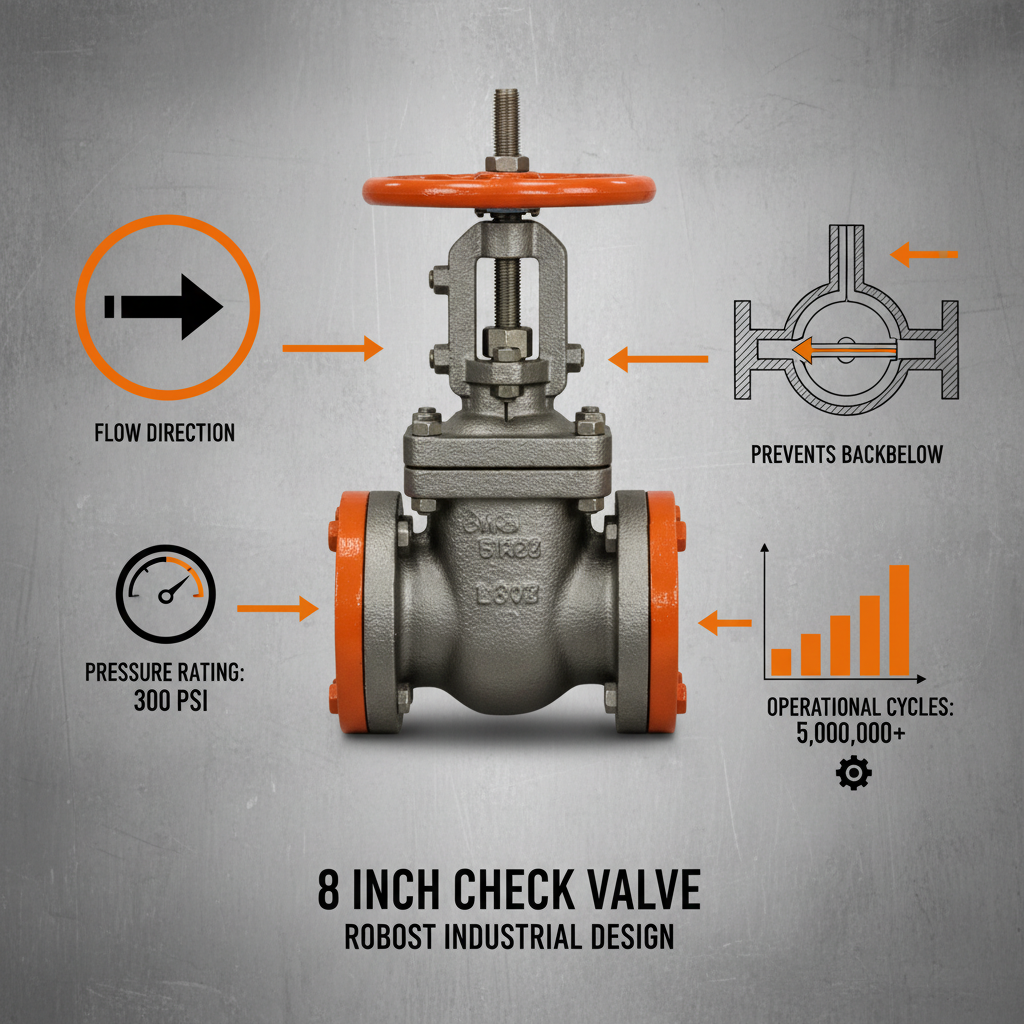
Selecting the ideal 8 inch check valve requires careful consideration of several factors. Fluid type, temperature, pressure, flow rate, and potential for corrosion are all critical. The valve's material must be compatible with the fluid to prevent degradation. The pressure rating should exceed the maximum operating pressure of the system. Proper sizing is essential to ensure optimal flow and prevent excessive pressure drop. Finally, compliance with industry standards and regulations is paramount. Consulting with a valve specialist can help ensure you select the best valve for your specific application.
Conclusion: Investing in Quality 8 Inch Check Valves
Choosing the right 8 inch check valve is a crucial investment in the reliability and efficiency of your fluid handling system. By understanding the different types, materials, and selection criteria, you can ensure optimal performance and prevent costly downtime. STR Machinery offers a wide range of high-quality check valves to meet your specific needs. Don't compromise on quality – choose a valve that will deliver long-lasting performance.
Frequently Asked Questions (FAQs)
What is the typical lifespan of an 8 inch check valve?
The lifespan of an 8 inch check valve varies depending on factors like the valve material, the fluid it handles, operating pressure, and frequency of use. Generally, a well-maintained valve can last between 5 and 20 years. Regular inspection for corrosion, wear, and leaks is crucial. Replacing the valve proactively before failure can prevent costly downtime and system damage. Proper installation and adherence to manufacturer guidelines will significantly extend its lifespan.
How do I determine the correct size 8 inch check valve for my system?
Determining the correct size involves calculating the required flow rate and pressure drop. You need to know the system's maximum flow rate, the fluid’s viscosity, and the acceptable pressure loss across the valve. The valve manufacturer’s specifications, including the Cv (flow coefficient) value, are essential for accurate sizing. Incorrect sizing can lead to reduced flow, increased pressure drop, and premature valve failure. Consult with a valve specialist if you require assistance with sizing calculations.
What maintenance is required for an 8 inch check valve?
Regular maintenance is key to ensuring reliable operation. This includes visual inspections for leaks, corrosion, and damage. Periodic cleaning to remove debris and sediment is also important. Lubrication of moving parts (if applicable) should be performed as recommended by the manufacturer. For valves exposed to harsh environments, protective coatings may be necessary. Keep records of all maintenance activities to track performance and identify potential issues.
Can an 8 inch check valve be repaired, or should it be replaced?
Depending on the nature and extent of the damage, some 8 inch check valves can be repaired. Minor issues like replacing a worn seat or disc may be possible. However, for significant damage, such as cracks in the valve body or severe corrosion, replacement is generally recommended. Repairing a heavily damaged valve can compromise its integrity and lead to future failures. Consider the cost of repair versus replacement when making your decision.
-
Industrial Water Valve Replacement and Precision Maintenance GuideNews04 . Fri, 2026
-
Industrial Carbon Steel Check Valve Guide for Piping SystemsNews04 . Thu, 2026
-
Industrial Guide to Selecting a High Quality butterfly check valveNews04 . Thu, 2026
-
Choosing a Reliable Valve Supplier for Optimal Industrial PerformanceNews04 . Wed, 2026
-
Understanding the Functionality and Applications of a Balon Check ValveNews04 . Tue, 2026
-
Leading Valve Manufacturer Providing Precision Engineered SolutionsNews04 . Mon, 2026
Related PRODUCTS