

Feb . 26, 2026 02:50 Back to list
Comprehensive Guide to 4AN Check Valve Function and Effective Selection
Understanding the 4AN Check Valve: A Comprehensive Guide
The 4AN check valve is a crucial component in many fluid transfer systems, particularly within the automotive, industrial, and agricultural sectors. Ensuring unidirectional flow, these valves prevent backflow, protecting sensitive equipment and maintaining system efficiency. This article provides a deep dive into the function, applications, types, and selection criteria for 4AN check valves, aiming to equip you with the knowledge needed for informed decision-making. Properly selecting and maintaining a 4AN check valve is vital for the reliable operation of countless systems.

How Does a 4AN Check Valve Work?
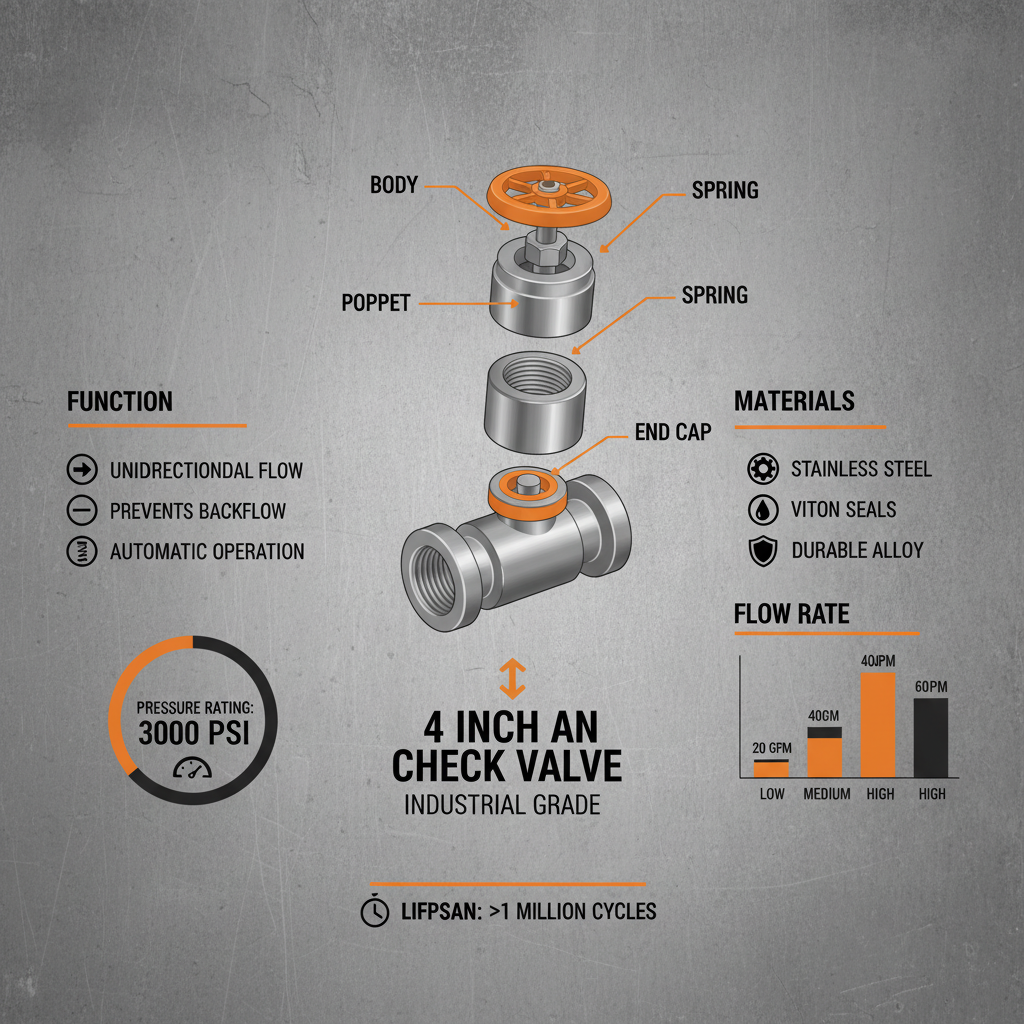
At its core, a 4AN check valve is a relatively simple device. It allows fluid to flow in one direction while automatically preventing flow in the opposite direction. This is achieved through the use of an internal mechanism, typically a ball, poppet, or diaphragm, that opens with forward flow and seals against a valve seat when flow attempts to reverse. The “4AN” designation refers to the valve’s port size, indicating a -4 AN fitting, which has a 1/4-inch nominal diameter. Understanding this designation is crucial for compatibility within your system. The internal component reacts to pressure differences, ensuring the valve operates passively and reliably without external control.
Key Function: Preventing backflow in fluid systems, safeguarding equipment and ensuring optimal performance.
Common Applications of 4AN Check Valves
4AN check valves find use in a vast array of applications. In automotive systems, they are commonly used in fuel lines, oil coolers, and power steering systems to maintain pressure and prevent contamination. Industrial applications include chemical processing, pneumatic systems, and water treatment. In agriculture, they can be found in irrigation systems and fertilizer delivery. The compact size and robust design of the 4AN valve make it ideal for tight spaces and demanding environments. Proper application matching is key to achieving optimal valve longevity and performance.
Application Benefits:
• Protects pumps and other components from backflow damage.
• Maintains system pressure and efficiency.
• Prevents contamination of fluid lines.
• Ensures consistent and reliable system operation.
Comparing Different Types of 4AN Check Valves
Several types of 4AN check valves are available, each suited for different applications and fluid types. The most common include ball check valves, poppet check valves, and diaphragm check valves. Ball check valves are robust and can handle particulate matter, while poppet check valves offer faster response times. Diaphragm check valves are ideal for corrosive fluids and provide a leak-tight seal. Choosing the right type depends on factors like fluid compatibility, pressure requirements, and desired flow rate. SR Machinery's offers a wide variety to fit your needs.
Selecting the Right 4AN Check Valve
Choosing the appropriate 4AN check valve involves considering several key factors. First, determine the fluid type – is it compatible with the valve’s material? Next, assess the system pressure and temperature range. Ensure the valve's specifications meet or exceed these requirements. Flow rate is also crucial; selecting a valve that’s too small will restrict flow, while one that’s too large may not provide adequate sealing. Finally, consider the environment – is it exposed to corrosive substances or extreme temperatures? SR Machinery’s technical team can provide expert guidance.
Maintenance and Longevity
While 4AN check valves are generally low-maintenance, regular inspection is crucial. Check for signs of corrosion, leaks, or damage to the valve body and internal components. Ensure the valve is clean and free from debris. Following the manufacturer’s recommendations for cleaning and lubrication will help extend its lifespan. Promptly replace any valve that shows signs of malfunction or damage. Properly maintained 4AN check valves can provide years of reliable service.
Conclusion: Ensuring Fluid System Reliability with Quality 4AN Check Valves
Selecting the right 4AN check valve is paramount for maintaining the efficiency and integrity of your fluid transfer systems. Understanding the different types, applications, and selection criteria will empower you to make informed decisions. SR Machinery provides a comprehensive range of high-quality 4AN check valves, backed by expert support, to meet your specific needs. Invest in quality and reliability – choose SR Machinery.
Frequently Asked Questions (FAQs)
What fluids are compatible with 4AN check valves?
The fluid compatibility depends on the valve's material construction. Common materials include brass, stainless steel, and plastic. Brass valves are suitable for many fluids but may corrode with certain chemicals. Stainless steel offers excellent corrosion resistance, making it ideal for aggressive fluids. Plastic valves are lightweight and suitable for non-corrosive applications. Always check the manufacturer's specifications to ensure compatibility with your specific fluid. Using an incompatible fluid can lead to valve failure and system damage.
What is the significance of the "4AN" designation?
The "4AN" designation refers to the port size of the check valve, using the Aerospace Nut (AN) standard. Specifically, it indicates a -4 AN fitting, which has a 1/4-inch nominal diameter. This designation is crucial for ensuring compatibility with other fittings and components in your fluid transfer system. Using the correct AN size is essential for leak-proof connections and optimal system performance. Mixing AN sizes can lead to leaks and system failure.
How do I determine the correct flow rate for my application?
Determining the correct flow rate requires understanding your system’s demands. Calculate the volume of fluid that needs to be transferred per unit of time. Consult the valve manufacturer’s specifications for flow rate data at various pressure drops. Select a valve with a flow rate that meets or exceeds your system's requirements, allowing for some margin for error. Undersizing the valve will restrict flow, while oversizing may compromise sealing performance. Consulting with a fluid system specialist can ensure accurate flow rate calculation.
-
Industrial Water Valve Replacement and Precision Maintenance GuideNews04 . Fri, 2026
-
Industrial Carbon Steel Check Valve Guide for Piping SystemsNews04 . Thu, 2026
-
Industrial Guide to Selecting a High Quality butterfly check valveNews04 . Thu, 2026
-
Choosing a Reliable Valve Supplier for Optimal Industrial PerformanceNews04 . Wed, 2026
-
Understanding the Functionality and Applications of a Balon Check ValveNews04 . Tue, 2026
-
Leading Valve Manufacturer Providing Precision Engineered SolutionsNews04 . Mon, 2026
Related PRODUCTS