
• product_cate
0%

Table of Contents

Water hose valves are critical components in a vast range of applications, from simple garden irrigation to complex industrial processes and emergency response scenarios. Understanding their functionality, types, and proper usage is essential for ensuring efficient water management, preventing costly leaks, and maintaining safety across diverse sectors. These valves, seemingly simple devices, play a vital role in controlling water flow, and their reliability directly impacts the effectiveness of entire systems. The global demand for robust and efficient water hose valve solutions continues to grow alongside increasing urbanization, industrial expansion, and a heightened awareness of water conservation.

The importance of a well-functioning water hose valve extends beyond mere convenience. In agriculture, precise water delivery controlled by these valves can dramatically improve crop yields and reduce water waste. In firefighting, swift and dependable operation is a matter of life and death. Industrially, accurate flow control prevents damage to equipment and optimizes production processes. The economic and societal benefits stemming from dependable water hose valve technology are considerable and often underestimated.

Furthermore, advancements in materials and design are continually improving the durability, longevity, and performance of these valves, leading to lower maintenance costs and reduced environmental impact. This makes investing in quality water hose valve solutions a prudent decision for businesses, municipalities, and individuals alike.
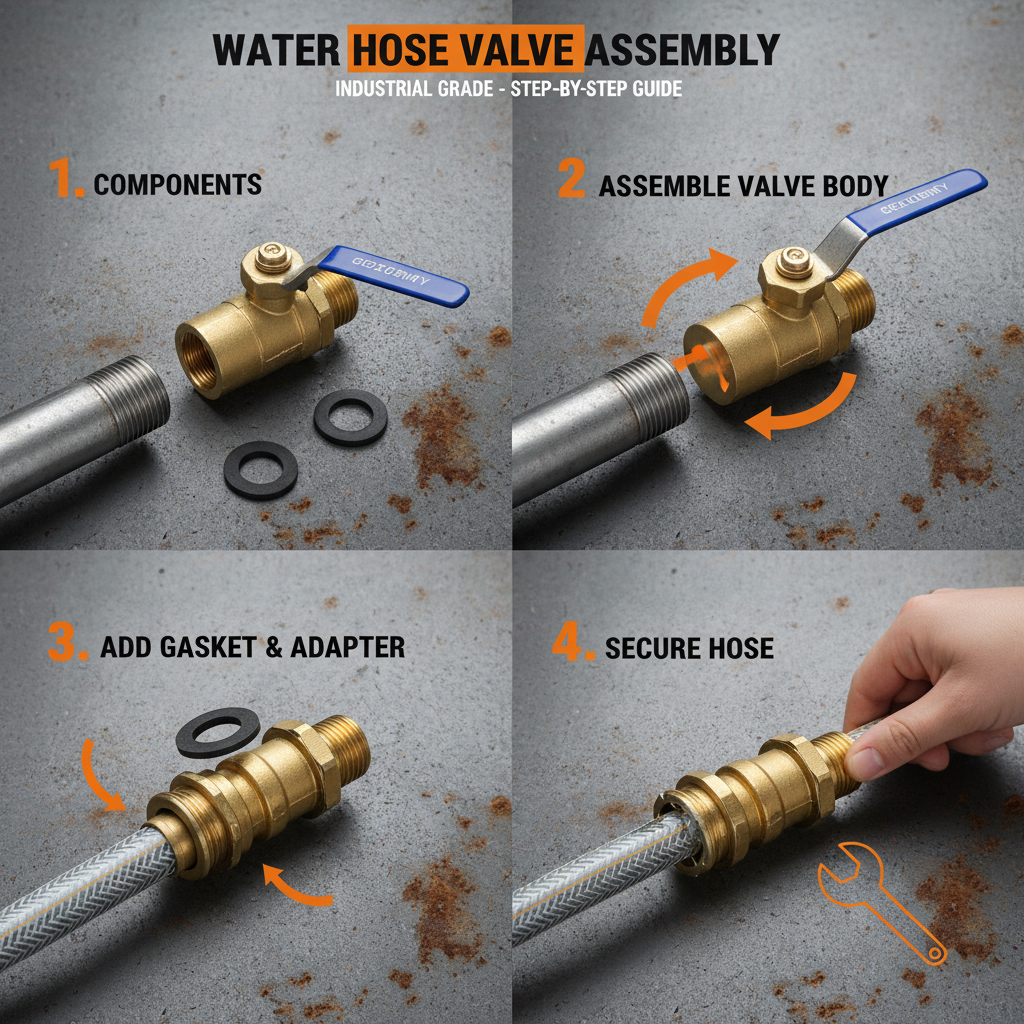
water hose valve

The Fundamental Role of Water Hose Valve
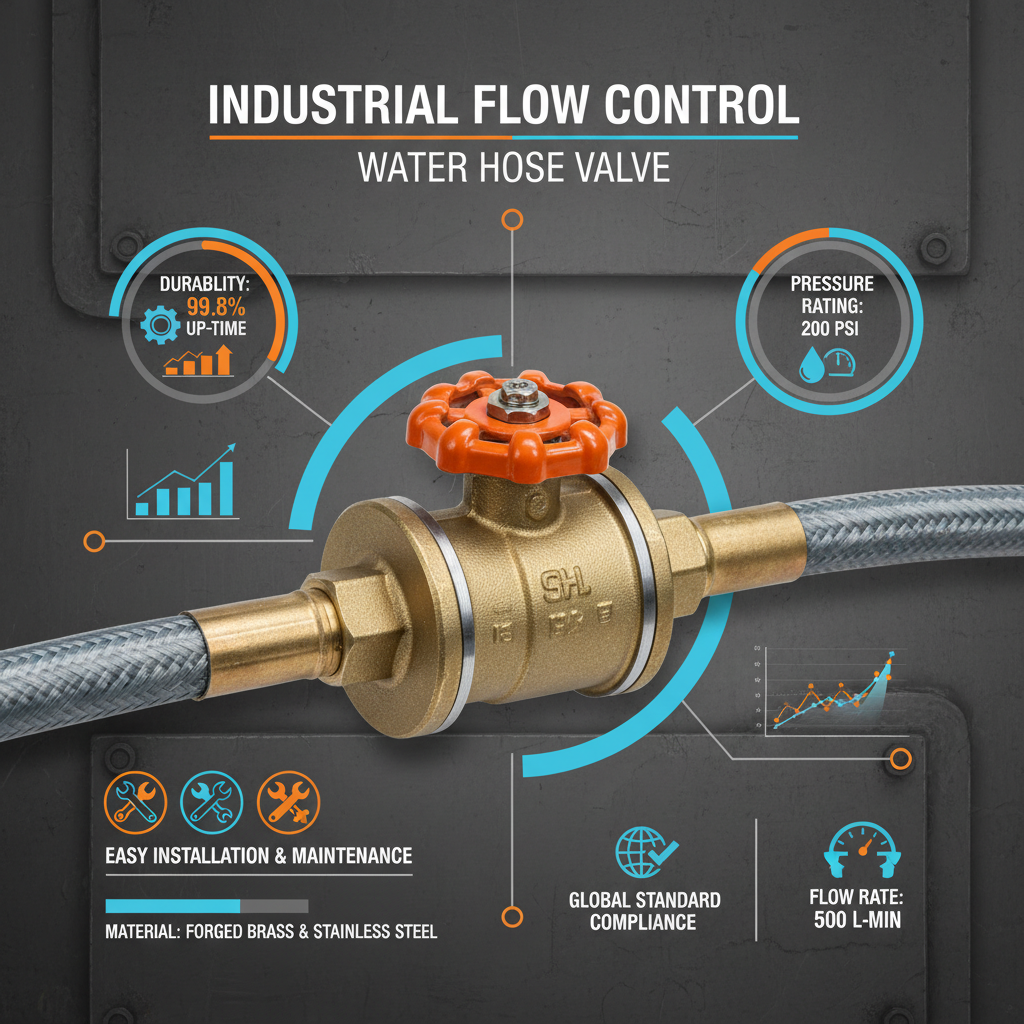
water hose valve

At its core, a water hose valve regulates the flow of water through a hose. This seemingly simple function is foundational to a wide array of processes. A quality water hose valve allows for precise control, preventing wastage and ensuring efficient utilization of a vital resource. The selection of the correct valve type is crucial, as it impacts everything from pressure regulation to compatibility with different hose materials and fluids.

The reliability of a water hose valve directly affects the performance of connected systems. A leaky or malfunctioning valve can lead to significant water loss, increased energy consumption (if pumping is involved), and potential damage to downstream equipment. Therefore, choosing a valve constructed from durable materials, such as brass or stainless steel, is often a worthwhile investment.

Global Significance and Industry Context

The global market for water hose valves is substantial and continues to expand, driven by factors like population growth, urbanization, and increasing industrialization. According to recent industry reports, the market is projected to reach multi-billion dollar valuations in the coming years. Developing nations, in particular, are experiencing significant demand for water infrastructure, including reliable valve systems. This demand is fueled by the need for improved irrigation, sanitation, and industrial capacity.

The United Nations estimates that billions of people worldwide lack access to safe drinking water and adequate sanitation. Efficient water management, facilitated by dependable water hose valve technology, is therefore crucial for addressing these global challenges. International organizations and NGOs often rely on robust valve systems in disaster relief efforts and humanitarian aid projects.

Furthermore, stringent regulations regarding water quality and conservation are driving innovation in valve design. Manufacturers are increasingly focused on developing valves that minimize leakage, reduce energy consumption, and promote sustainable water usage. ISO standards for valve performance and safety are also playing a crucial role in ensuring quality and consistency across the industry.

Defining the Water Hose Valve

A water hose valve is a mechanical device designed to control the flow of water through a hosepipe. It functions by opening, closing, or partially obstructing the passageway within the valve body. These valves come in various designs, each suited for specific applications and pressure requirements. Common types include ball valves, gate valves, check valves, and butterfly valves, each with its own unique operating mechanism and advantages.

The connection of a water hose valve to modern industry and humanitarian needs is inextricable. In industrial settings, they regulate coolant flows, manage process water, and ensure the precise delivery of liquids in manufacturing. In humanitarian contexts, these valves are essential for distributing clean water in refugee camps, providing irrigation for food production, and supporting sanitation efforts. The ability to quickly and reliably control water flow is often a matter of survival.

Essentially, a water hose valve represents a simple yet powerful tool for harnessing and managing one of Earth’s most precious resources. The ongoing development of smarter and more efficient valves promises to further enhance our ability to address global water challenges.

Key Performance Characteristics

When evaluating water hose valves, several key performance characteristics must be considered. First and foremost is Durability. A valve constructed from high-quality materials, like brass or stainless steel, will withstand prolonged use, resist corrosion, and maintain its functionality over time.

Secondly, Flow Rate Capacity is crucial, ensuring the valve can handle the required volume of water without significant pressure drop. Pressure Rating dictates the maximum pressure the valve can safely withstand, a critical factor for industrial applications.

Water Hose Valve Performance Metrics

Applications Across Diverse Sectors

Water hose valves are ubiquitous across a wide range of industries. In agriculture, they are essential for irrigation systems, enabling efficient water delivery to crops. In construction, they are used for dust control, concrete mixing, and water supply for various tasks. Firefighting relies heavily on these valves to quickly and effectively deploy water to extinguish fires.

Industrially, water hose valve solutions are critical in chemical processing, power generation, and manufacturing, controlling the flow of various fluids and coolants. In remote industrial zones, their robustness and reliability are particularly important where maintenance access may be limited.

The Long-Term Value Proposition

Investing in high-quality water hose valves provides significant long-term value. Reduced maintenance costs, stemming from increased durability and resistance to corrosion, translate to substantial savings over the lifespan of the valve. Improved efficiency in water usage minimizes waste and lowers operating expenses.

Furthermore, the reliability of these valves contributes to enhanced safety and reduced risk of equipment damage. The peace of mind knowing that your water systems are operating smoothly and efficiently is an intangible benefit that should not be overlooked.

Choosing the right water hose valve isn’t just about the initial cost; it’s about making a smart investment that delivers lasting benefits.

Future Trends and Emerging Technologies

The future of water hose valve technology is being shaped by several key trends. Smart valves, incorporating sensors and data analytics, are gaining traction, allowing for remote monitoring, predictive maintenance, and optimized water management. The integration of IoT (Internet of Things) technologies enables real-time data collection and control, leading to increased efficiency and responsiveness.

The development of new materials, such as advanced polymers and composites, is leading to lighter, more durable, and more corrosion-resistant valves. Sustainability is also a major driver, with manufacturers focusing on developing eco-friendly valves that minimize environmental impact and promote water conservation.

Automation and digital transformation are expected to play an increasingly important role, with valves being integrated into larger, automated water management systems. These advancements promise to revolutionize the way we control and utilize water resources.

Table Summarizing Key Factors for Water Hose Valve Selection

Application Type Material Considerations Pressure Requirements Maintenance Frequency
Agricultural Irrigation Polypropylene, PVC Low to Medium (20-80 PSI) Seasonal/Annual
Industrial Processing Stainless Steel, Brass Medium to High (80-200 PSI) Monthly/Quarterly
Firefighting Systems Aluminum, Brass High (150-300 PSI) Annual
Residential Garden Use Plastic, Zinc Alloy Low (40-60 PSI) As Needed
Wastewater Treatment Epoxy Coated Steel, PVC Low to Medium (30-100 PSI) Quarterly/Semi-Annually
Chemical Handling PTFE-lined Steel, Chemical Resistant Polymers Variable (Dependent on Chemical) Regular Inspection

FAQS

What are the most common materials used in water hose valve construction?

Water hose valves are commonly constructed from materials like brass, stainless steel, aluminum, PVC, and various polymers. Brass is prized for its durability and corrosion resistance, while stainless steel offers exceptional strength and chemical compatibility. PVC and polymers are often used in lower-pressure applications due to their cost-effectiveness and lightweight properties. The choice of material depends on the intended application, the fluids being handled, and the desired lifespan of the valve.

How do I determine the correct size water hose valve for my application?

Determining the correct size water hose valve involves considering both the hose diameter and the desired flow rate. The valve’s inlet and outlet should match the hose diameter to avoid restrictions. Calculate the required flow rate based on the application’s needs, and consult valve sizing charts or a plumbing professional to ensure adequate capacity. Undersized valves can create excessive pressure drop, while oversized valves may not provide sufficient control.

What is the difference between a ball valve and a gate valve?

Ball valves and gate valves are both used to control water flow, but they operate differently. Ball valves use a rotating ball with a bore to open and close the flow, providing quick on/off control. Gate valves use a gate that slides up and down to obstruct the flow, offering more precise flow regulation but typically being slower to operate. Ball valves are generally preferred for applications requiring frequent operation, while gate valves are suitable for applications where flow needs to be adjusted gradually.

How can I prevent corrosion in water hose valves?

Corrosion can be prevented by selecting valves made from corrosion-resistant materials, such as stainless steel or brass. Regular inspection and maintenance are crucial, including cleaning and applying protective coatings. In harsh environments, consider using dielectric unions to isolate dissimilar metals and prevent galvanic corrosion. Ensuring proper drainage and avoiding prolonged exposure to corrosive fluids are also important preventive measures.

What maintenance is required for a water hose valve?

Regular maintenance for a water hose valve includes visual inspection for leaks, cracks, or corrosion. Lubricating the valve stem (if applicable) helps ensure smooth operation. Periodic cleaning to remove debris and buildup is also recommended. For valves used in harsh conditions, more frequent inspection and component replacement may be necessary. Following the manufacturer’s maintenance guidelines is essential.

How do I select a water hose valve for potable water applications?

For potable water applications, it’s crucial to select a valve certified for safe drinking water contact. Look for valves that meet NSF/ANSI 61 standards, which ensure that the valve materials do not leach harmful contaminants into the water. Brass valves should be lead-free to comply with regulations like the Safe Drinking Water Act. Regularly inspecting and maintaining the valve is also vital to prevent contamination.

Conclusion

In conclusion, the water hose valve is a deceptively simple component with a profound impact on a vast array of industries and applications. From ensuring efficient irrigation and industrial processes to safeguarding public health and facilitating disaster relief, its role is critical. Understanding the various types, key performance characteristics, and future trends associated with these valves is essential for making informed decisions and optimizing water management practices.

Looking ahead, continued innovation in materials, smart technologies, and sustainable design will further enhance the capabilities of water hose valves, enabling more efficient, reliable, and environmentally responsible water solutions. We encourage you to explore our range of high-quality water hose valve solutions to meet your specific needs.

William Thompson

William Thompson

William Thompson is a Product Development Specialist at Storaen. He works closely with the engineering and sales teams to identify emerging market needs and translate them into innovative product offerings. William possesses a deep understanding of materials science and manufacturing processes. Currently, he's leading the development of a new line of high-precision plug gauges designed to address the evolving requirements of the automotive industry. William’s role involves conducting market research, creating detailed product specifications, and overseeing the prototyping phase. He's committed to creating products that exceed customer expectations in terms of both performance and durability.
Next Essential Water Hose Shut Off Valve Guide For Effective Flow Control

If you are interested in our products, you can choose to leave your information here, and we will be in touch with you shortly.