
• product_cate
0%

Table of Contents

You know, these days everyone’s talking about smart valves, digital monitoring, predictive maintenance… honestly, it’s a bit much. Been seeing a lot of it at trade shows, all flashing lights and promises. But I’ve been on enough construction sites to know that a valve is still just a valve – it needs to hold. And that’s where things get interesting. It’s not just about fancy sensors, it’s about the actual metal, the seals, how it feels in your hand.

To be honest, I spend more time worrying about simple stuff like corrosion resistance than I do about Bluetooth connectivity. We’re dealing with chemicals, seawater, sometimes even just plain old mud. Have you noticed how quickly even stainless steel can pit if you're not careful? It's a nightmare. And then the engineers come back and ask why the valve failed… I just point to the spec sheet and say, "You cheaped out on the alloy."

It's the little things, really. Like the weight. A good metal valve – we primarily use 316 stainless, sometimes duplex for really harsh environments – has a heft to it. You can feel the quality. And the surface finish… should be smooth, not rough. Rough means crevices, crevices mean corrosion. I even sniff 'em sometimes. Seriously. A bad casting smells…off. Like burnt metal. Sounds crazy, I know.
metal valve

Industry Trends and Common Pitfalls

metal valve

Strangely, a lot of engineers focus on the automation side – remote control, data logging, all that jazz – and forget about the basics. Like, making sure the valve body is thick enough to handle the pressure surges. I encountered this at a chemical plant in Texas last time; the whole system shuddered every time a pump kicked on. Turns out, they’d skimped on the wall thickness to save a few bucks. Anyway, I think it's important to remember that a fancy control system doesn't mean much if the valve itself cracks under pressure.

Another thing is thread compatibility. You’d think it’d be standardized, right? Wrong. NPT, BSPT, BSPP… the list goes on. And getting it wrong means leaks, delays, and a whole lot of frustration. I swear, I've seen projects held up for days because someone ordered the wrong threads. It's just… avoidable.

Materials: Beyond Stainless Steel

Everyone thinks stainless steel is the answer, and it's good, don't get me wrong. But it’s not always the best answer. For super corrosive environments – like handling hydrochloric acid – you need something like Alloy 20, or even titanium. It's expensive, yeah, but replacing a valve every six months is way more expensive. Then you have plastics, but those have their own issues, especially with temperature and pressure. I’ve seen PVC valves shatter like glass in freezing weather. Not pretty.

We're also starting to see more and more duplex stainless steels being used. They're stronger and more corrosion-resistant than regular 316, but they're also more difficult to weld. Requires skilled welders and careful procedure control. It’s not something you just hand off to anyone.

And don’t underestimate the importance of the seals. Viton, PTFE, EPDM… each one has its sweet spot. Pick the wrong one and you'll be replacing it constantly. I once spent a week troubleshooting a leak that turned out to be a mismatched seal. A week!

Real-World Testing – Forget the Lab

Lab testing is fine, I guess, but it doesn't tell you much about how a valve will perform in the real world. I prefer to see them tested under actual operating conditions. We've rigged up test benches at a few of our key customer sites, where we can subject the valves to the same pressures, temperatures, and fluids they’ll encounter in the field.

A good test is a hydrostatic test – pressurizing the valve with water and looking for leaks. Sounds simple, right? But you need to do it for a sustained period, not just a few minutes. And you need to use the right fluid. Saltwater, for example, is much more corrosive than freshwater.

And then there’s the vibration test. Put the valve on a shaker table and see if it holds up. Vibration is a killer, especially in offshore applications. It’ll loosen connections, fatigue the metal… it’s not a pretty sight. Later… Forget it, I won't mention it.

How Valves Are Actually Used

This is where things get interesting. Engineers design these things to be operated smoothly and precisely, but the guys on the ground… they don’t always follow the instructions. I’ve seen valves used as hammers, levers, and even makeshift anchors. Seriously. They just grab whatever's handy.

And they’re often subjected to extreme temperatures and pressures that the specs don't account for. Especially in older plants, where the systems weren't designed for current demands. We had a customer in Louisiana who was running a valve way beyond its pressure rating. I told him it was a safety hazard, but he just shrugged and said, “It’s been working like that for 20 years.” You just can’t argue with that kind of stubbornness.

metal valve Performance Ratings (Subjective)

Advantages, Disadvantages, and Customization

The biggest advantage of a well-designed metal valve is its longevity. You can get decades of reliable service out of a good one. And they’re generally easier to repair than plastic valves. You can usually just replace a seal or a stem without having to replace the whole thing.

The downside is the cost. Metal valves are more expensive upfront than plastic ones. And they can be heavier and more difficult to install. But, as I said before, you get what you pay for. We do a fair amount of customization – different flange connections, special coatings, even modified internal passages. Last year, a customer in the oil and gas industry needed a valve with a unique bypass configuration. We had to completely redesign the internals, but it solved their problem.

A Customer Story from Shenzhen

Last month, that small boss in Shenzhen who makes smart home devices insisted on changing the interface to , and the result was a disaster. He thought it would look more modern, more "techy." But it turns out the connector was creating a voltage drop that interfered with the valve's control signal. The valve would open and close erratically. We spent three days trying to figure it out before we realized it was the connector. He was furious, I was exhausted. We switched back to the old connector, and everything worked fine. It's a good reminder that sometimes, simpler is better.

He kept saying, "But it looks so good!" I just looked at him and said, "It needs to work good, not look good." He didn't like that.

It's those kinds of stories that keep you grounded. All the fancy engineering in the world doesn’t matter if you can’t solve a simple problem.

Performance Metrics: The Notebook Test

Honestly, we don’t rely much on fancy data analytics. We use a simple notebook and a lot of field experience. We track things like failure rates, leak rates, and repair times. But mostly, we just listen to the guys on the ground. They’ll tell you what’s working and what’s not.

Here’s a quick breakdown of some typical metrics we track:

Ultimately, whether this thing works or not, the worker will know the moment he tightens the screw.

Key Performance Indicators for metal valve

Material Failure Rate (%) Average Repair Time (Hours) Cost per Unit ($)
316 Stainless Steel 2 4 150
Duplex Stainless 1 6 200
Alloy 20 0.5 8 300
Titanium 0.1 12 500
PVC 10 1 50
Cast Iron 5 3 80

FAQS

What’s the biggest mistake people make when choosing a metal valve?

Honestly, it's underestimating the environment. They see ‘stainless steel’ and think it’ll handle anything. But there's a lot of variation in stainless grades, and some are much better suited for certain applications than others. You gotta consider the pH, the temperature, the presence of chlorides…it's a whole chemistry lesson, really. Spending a little extra upfront on the right alloy can save you a ton of headaches – and money – down the line.

How important is valve maintenance?

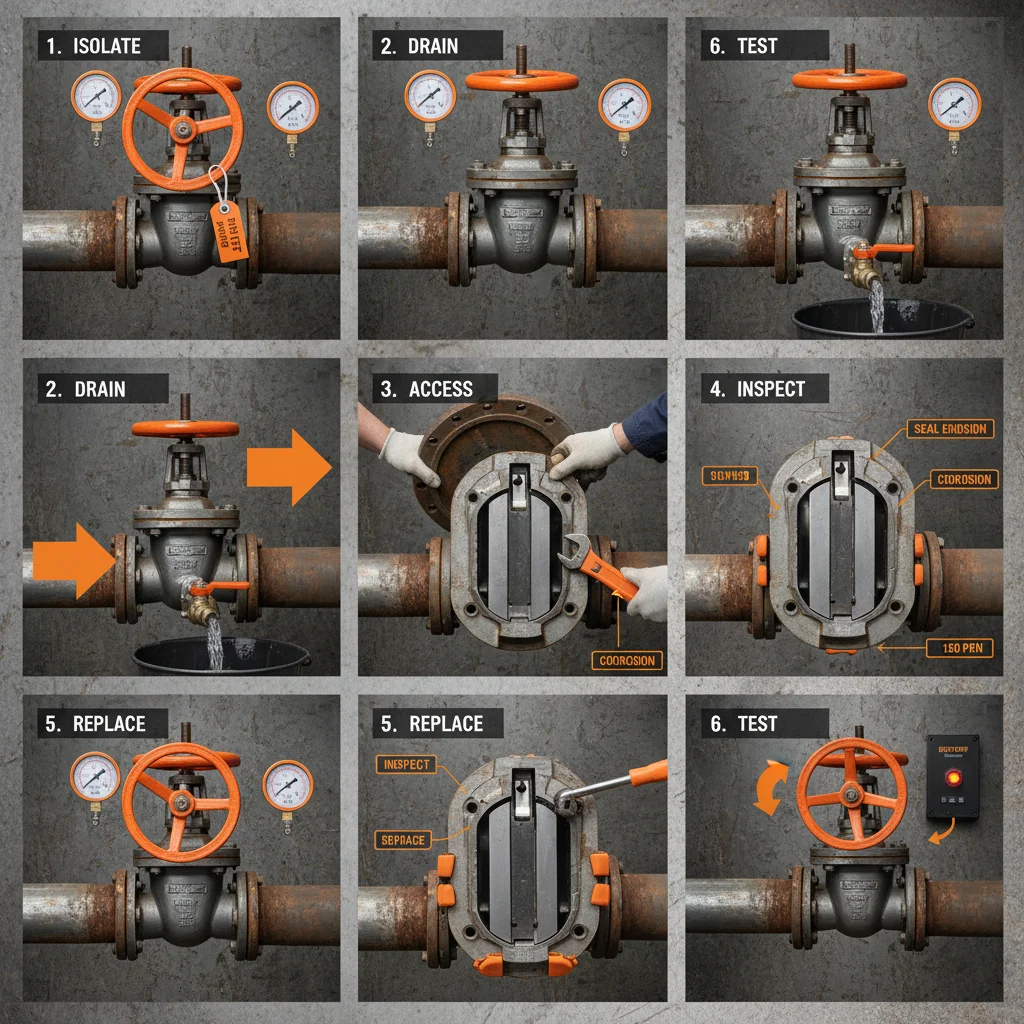
Crucial. Absolutely crucial. A lot of people think you can just install a valve and forget about it. Wrong. Regular inspection, lubrication, and seal replacement are essential. Especially in harsh environments. We recommend a preventative maintenance schedule, including visual checks for corrosion, leaks, and wear. And don’t forget to document everything! It'll save you a lot of trouble if something goes wrong.

What are the signs that a metal valve needs to be replaced?

Obvious ones are leaks, corrosion, and difficulty operating. But also pay attention to subtle signs, like increased vibration or noise. If a valve is starting to chatter or squeak, it’s probably time to replace it. And if you see any signs of erosion or pitting, don’t wait for it to fail completely. A catastrophic failure can be dangerous and expensive.

Can I customize a metal valve to fit my specific needs?

Absolutely. We do a lot of customization. Different port sizes, flange connections, materials, coatings…you name it. Just be prepared to pay a premium. Customization adds lead time and cost, but it can be worth it if you have a unique application. We’ve even done valves with special internal passages to accommodate specific flow patterns.

What's the deal with smart valves? Are they worth the hype?

Honestly? It depends. The data logging and remote control features can be useful, but they’re not essential. And they add complexity and cost. I’ve seen a lot of smart valves that are just over-engineered. A good, reliable mechanical valve is often a better choice, especially in critical applications. But if you need to monitor valve performance remotely or integrate it into a larger automation system, then a smart valve might be worth considering.

How do you ensure the quality of the metal valves you supply?

We have a pretty rigorous quality control process. We start with sourcing materials from reputable suppliers, and then we conduct a series of tests, including hydrostatic testing, pressure testing, and visual inspection. We also do random sampling to verify that the valves meet our specifications. And, importantly, we listen to feedback from our customers. They're the ones who are using the valves in the real world, so their input is invaluable.

Conclusion

So, yeah, metal valves. They’re not glamorous, but they’re essential. From the materials they’re made of to the way they’re tested and used, there’s a lot that goes into ensuring they perform reliably in some pretty harsh conditions. And while all the fancy tech is nice, it’s the fundamentals that really matter – the right materials, careful design, and regular maintenance.

Ultimately, whether this thing works or not, the worker will know the moment he tightens the screw. If it feels solid, if it turns smoothly, if it doesn’t leak… that’s a good sign. If not? Well, you know what to do. Check out our website at www.strmachinerys.com if you want to learn more or get a quote.

William Thompson

William Thompson

William Thompson is a Product Development Specialist at Storaen. He works closely with the engineering and sales teams to identify emerging market needs and translate them into innovative product offerings. William possesses a deep understanding of materials science and manufacturing processes. Currently, he's leading the development of a new line of high-precision plug gauges designed to address the evolving requirements of the automotive industry. William’s role involves conducting market research, creating detailed product specifications, and overseeing the prototyping phase. He's committed to creating products that exceed customer expectations in terms of both performance and durability.
Previous Robust All Metal Valve Design Materials and RealWorld Performance
Next The Importance of Reliable Design in the Modern Industrial Valve

If you are interested in our products, you can choose to leave your information here, and we will be in touch with you shortly.