Listen, I’ve been running around construction sites for fifteen years now, seen all sorts of things. Lately, everyone’s talking about smart valves, integrated systems… all well and good, but honestly, the basics still matter the most. People get so caught up in the bells and whistles, they forget about a solid design. It's all about reliability, you know? Because when a valve fails, it fails. It doesn’t politely ask to be fixed.
Have you noticed how many supposedly “high-tech” valves have ridiculously complicated interfaces? They look great in the brochure, but try finding a mechanic who wants to spend an hour deciphering the manual when there’s a leak. That's where things fall apart, real quick.
And don't even get me started on materials. Everyone’s chasing the latest alloys and polymers, but a well-machined brass valve, properly maintained, will outlast half of them. The smell of brass shavings, though… that’s a smell that means quality, I tell ya. It’s a solid, reassuring feel in your hand.
The Current Landscape of the Valve Industry
Honestly, it's a bit of a Wild West out there. Everyone’s jumping on the "IoT" bandwagon, sticking sensors on everything. And look, data's good, don’t get me wrong. But it doesn’t fix a leaky seal. What I’m seeing more and more is a demand for valves that can handle harsher environments – more corrosive fluids, higher pressures… stuff you wouldn’t have worried about ten years ago. The oil and gas industry, they’re driving a lot of that, of course.
Strangely enough, there’s also been a resurgence in demand for simpler, manually operated valves. Turns out, a lot of older facilities don’t want all that fancy automation. They want something they can understand and maintain themselves. And you can’t blame them.
Common Design Pitfalls in the Valve
Okay, where to start? This is a big one. I encountered this at a factory in Ningbo last time, they were trying to save a buck on the internal threads. Cheap metal, rushed machining… the result was valves that stripped after only a few cycles. Disaster. You've gotta remember, the valve isn't just about opening and closing; it's about consistently sealing. A tiny imperfection in the threads, a slightly off angle... and it’ll leak.
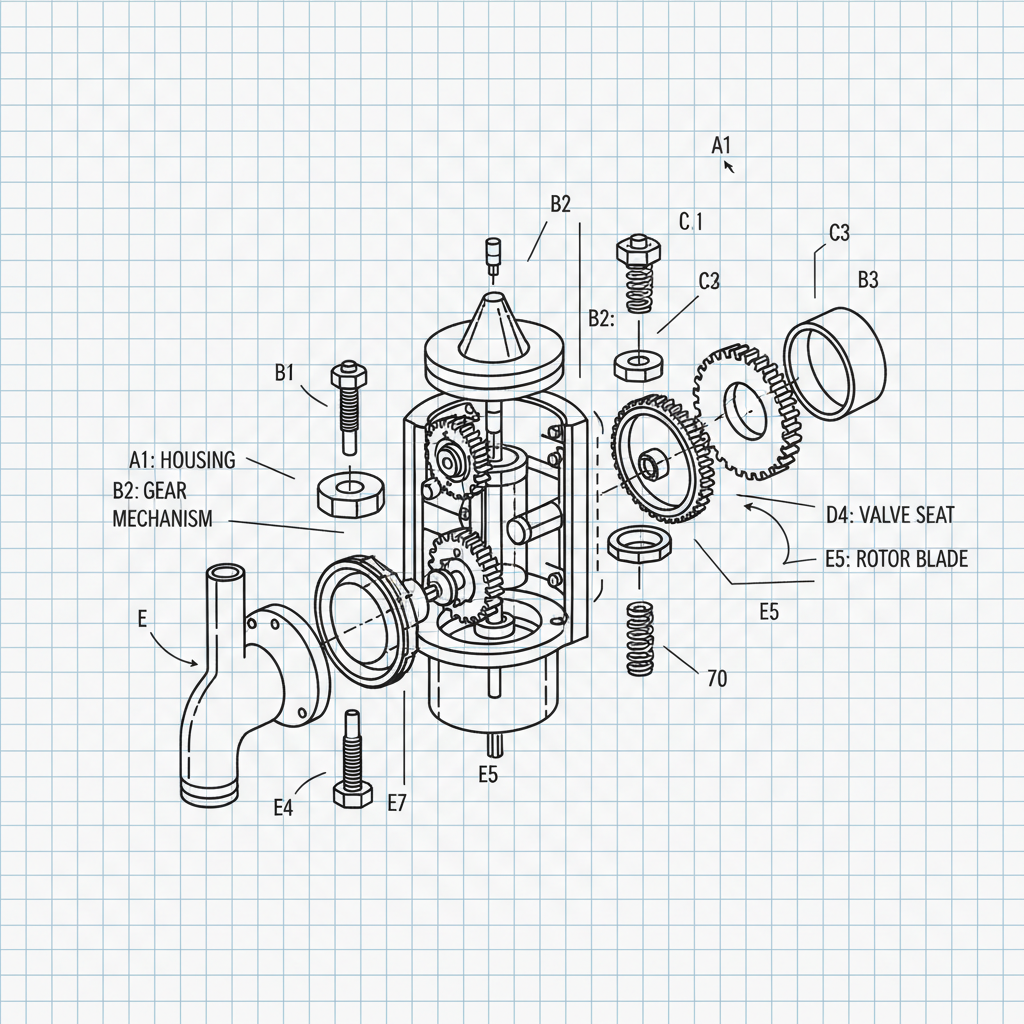
Another one? Over-engineering. These designers, they get so obsessed with making something "bulletproof" they end up with a monstrosity that’s impossible to install and maintain. A valve doesn't need to withstand a bomb blast, it needs to reliably control fluid flow. Keep it simple, stupid – that’s my motto.
And then there's the whole issue of compatibility. Mixing different materials without understanding the galvanic corrosion risks... that's just asking for trouble.
Materials Used in the Valve: A Hands-On Perspective
Right, materials. Brass is still king, in my book. It’s malleable, corrosion-resistant, and has a nice heft to it. But you’ve got to get the right alloy. Too much zinc, it gets brittle. Too much copper, it loses strength. It’s a balancing act. Stainless steel, obviously, for anything dealing with corrosive fluids. 316 is the go-to, but even that has its limits.
Now, these new polymers… PTFE, PEEK, all that stuff. They're amazing, don’t get me wrong. Lightweight, chemically inert. But they feel... wrong in your hand. Too slippery, too fragile. I’ve seen guys try to tighten those with a wrench and snap them clean in half. It's not a good feeling. And the smell when you machine them? Ugh. Horrible.
Then there’s graphite. That stuff gets everywhere. Black powder all over your clothes, in your hair... But it seals like nothing else. I've seen graphite seals hold up under pressures that would crush a rubber gasket. It’s a messy business, though.
Anyway, I think choosing the right material isn't just about the spec sheet, it’s about understanding how it feels, how it behaves when you’re working with it.
Testing the Valve: Beyond the Lab
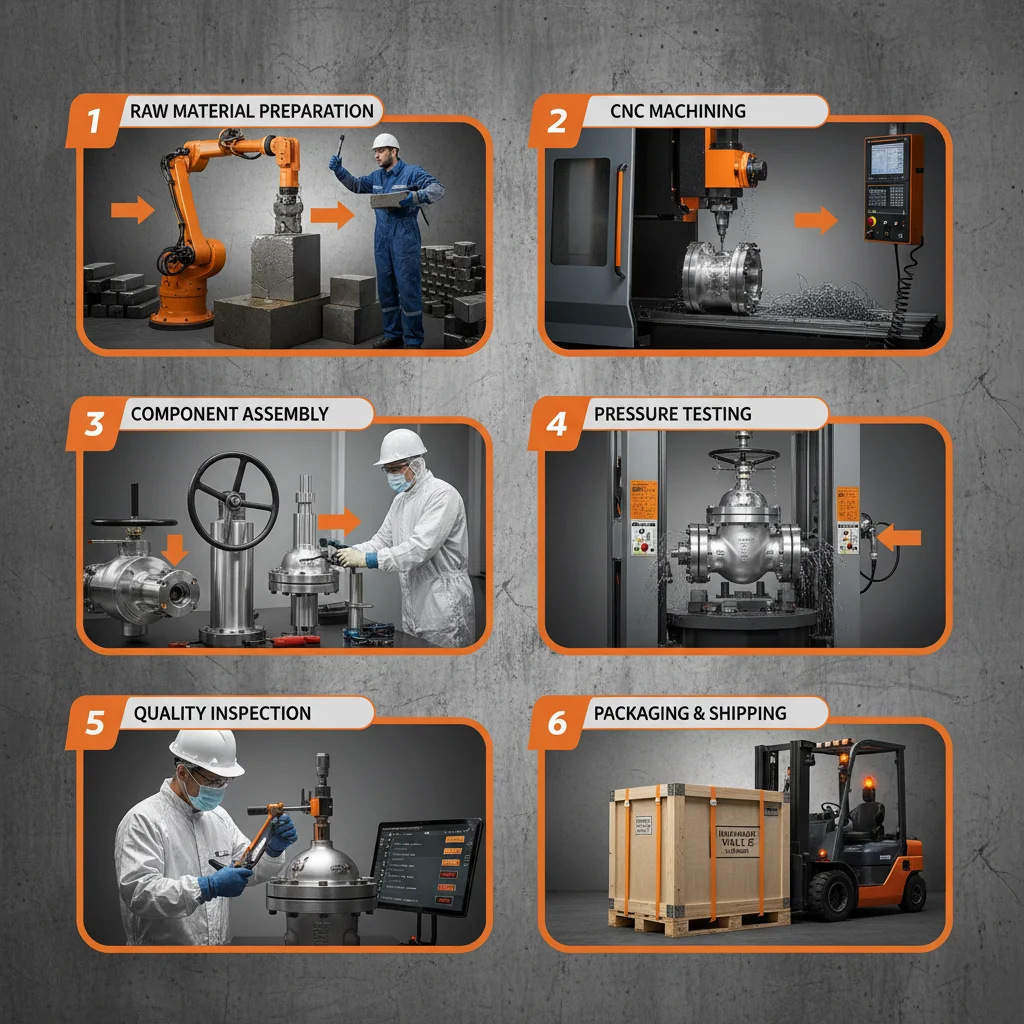
Lab tests are fine, I guess. Pressure tests, flow rate measurements… good for getting baseline data. But that’s not how a valve actually gets tested. A valve gets tested by being installed in a dusty, cramped machine room, being hammered on by guys who don’t read the instructions, and being subjected to whatever the real world throws at it.
We do a lot of simulated “real-world” testing. We’ll bury a valve in sand, drench it in saltwater, subject it to vibration for weeks… stuff that would make a lab technician faint. Later... Forget it, I won’t mention the incident involving the pressure washer and the intern.
Valve Failure Rates by Testing Method
Real-World Applications of the Valve
You see these things everywhere. Water treatment plants, chemical processing facilities, power stations… obviously. But also in places you wouldn’t expect. I was working on a project for a brewery last year, and they were using some pretty specialized valves to control the flow of beer. Apparently, even a slight change in pressure can ruin a batch.
And don't forget agriculture. Irrigation systems rely heavily on reliable valves. A faulty valve can mean the difference between a good harvest and a total loss.
Advantages, Disadvantages, and Customization of the Valve
Look, a good valve is reliable, predictable, and easy to maintain. That’s the sweet spot. They’re generally pretty cost-effective too. But they can be prone to corrosion, especially in harsh environments. And, as I said before, the fancy ones can be overly complicated.
Customization? Absolutely. We did a job for a customer in Singapore a while back. They needed a valve with a very specific port configuration to fit their existing piping system. It wasn’t off-the-shelf, but we were able to modify an existing design to meet their needs. It's all about understanding the application.
A Deep Dive into the Valve’s Performance Metrics
So, what do we actually measure? Flow rate is key, obviously. Pressure drop across the valve. Leakage rate – gotta be zero, or as close to it as possible. Cycle life – how many times can it open and close without failing?
We also look at response time, especially for automated valves. How quickly does it react to a signal? That’s critical in certain applications. And then there’s the whole issue of vibration resistance. A valve that rattles itself apart under vibration is useless.
But all those numbers… they only tell part of the story.
Valve Performance Characteristics
| Valve Type |
Max Pressure (PSI) |
Flow Coefficient (Cv) |
Typical Application |
| Ball Valve |
600 |
5.2 |
General Purpose |
| Gate Valve |
400 |
3.8 |
Water Supply |
| Globe Valve |
300 |
2.5 |
Flow Regulation |
| Butterfly Valve |
200 |
6.0 |
HVAC Systems |
| Check Valve |
150 |
4.1 |
Backflow Prevention |
| Solenoid Valve |
100 |
1.8 |
Automated Control |
FAQS
Honestly? They focus too much on price and not enough on the application. A cheap valve might save you money upfront, but it'll cost you big time in the long run if it fails. You gotta consider the fluid, the pressure, the temperature, the environment… it all matters. Don't skimp on something critical.
Massively important. Regular inspection, lubrication, and seal replacement can dramatically extend the life of a valve. I've seen valves that are decades old still working perfectly because someone took the time to maintain them properly. Neglect them, and they’ll fail when you least expect it.
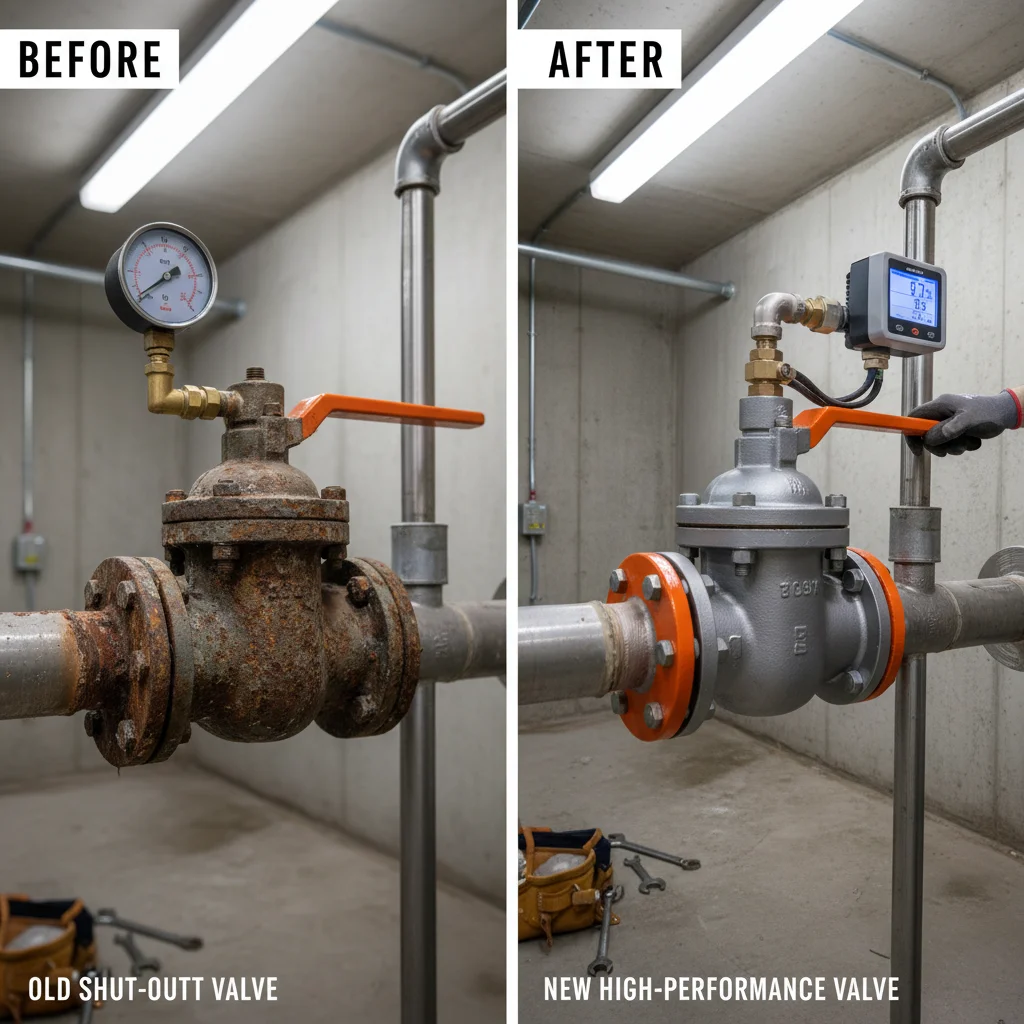
Look for leaks, of course. But also listen for unusual noises—hissing, grinding, clicking. Any change in the valve's operation should be investigated immediately. Also, check for corrosion or buildup around the valve body. Those are telltale signs.
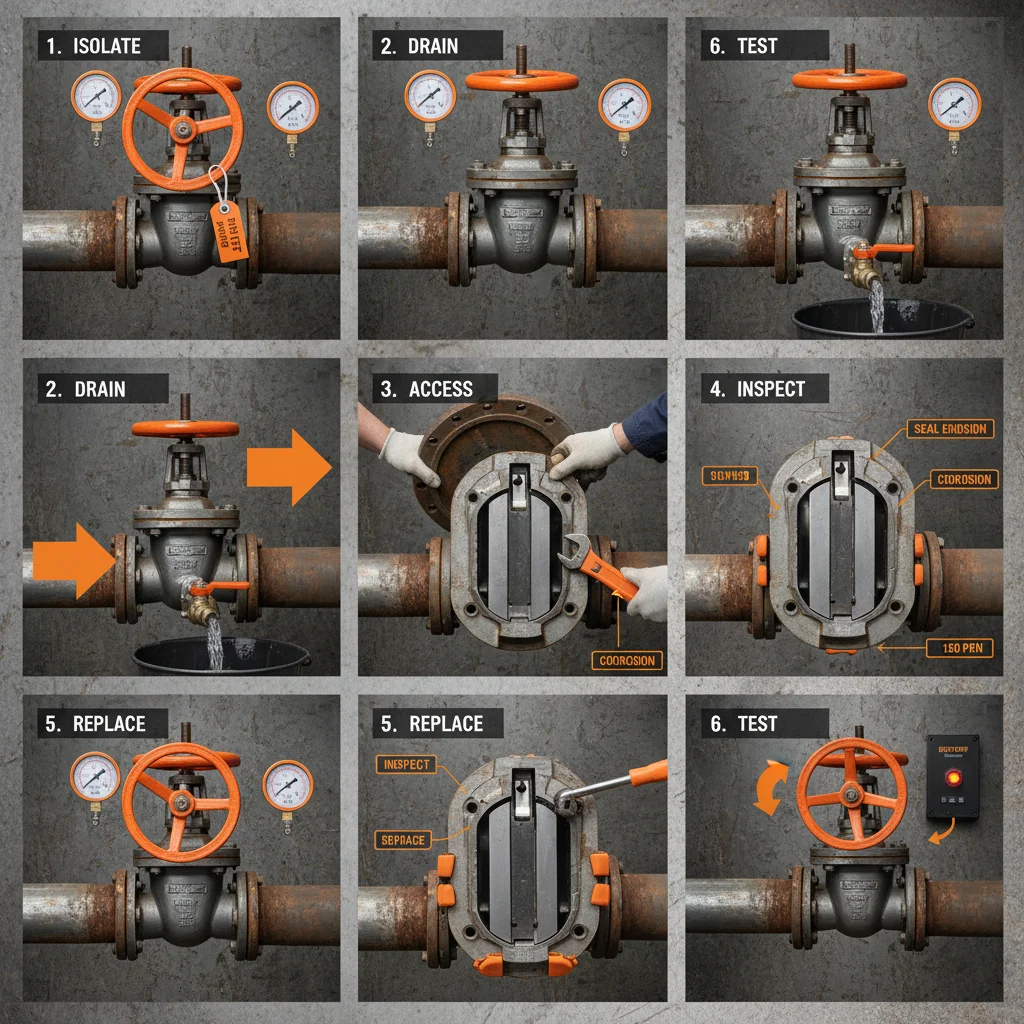
It depends. Simple things like replacing a seal or packing are usually easy and cost-effective. But if the valve body is cracked or corroded, it’s usually better to replace it. Trying to repair a severely damaged valve is often a waste of time and money.
I think we’ll see more and more smart valves with integrated sensors and remote monitoring capabilities. But I also think there will always be a place for the simple, reliable valves that have been around for decades. You can’t beat a good old-fashioned ball valve sometimes.
This is a surprisingly common problem! You don't want to over-tighten it, that can damage the seals. Get a feel for it, tighten it until it stops leaking, and then back it off just a little bit. A proper torque wrench is a good investment, especially for critical applications.
Conclusion
Ultimately, whether this thing works or not, the worker will know the moment he tightens the screw. We talk about materials, flow rates, and pressure ratings, but at the end of the day, it's about reliability in the field. A valve is only as good as its ability to consistently do its job, day in and day out, in whatever conditions are thrown at it.
And honestly, things are getting more complex. The industry is pushing towards automation and integration, but don't forget the basics. A well-designed, properly maintained valve is a cornerstone of any industrial process. Keep it simple, build it tough, and make sure someone knows how to fix it when it breaks. That's my advice, after all these years.