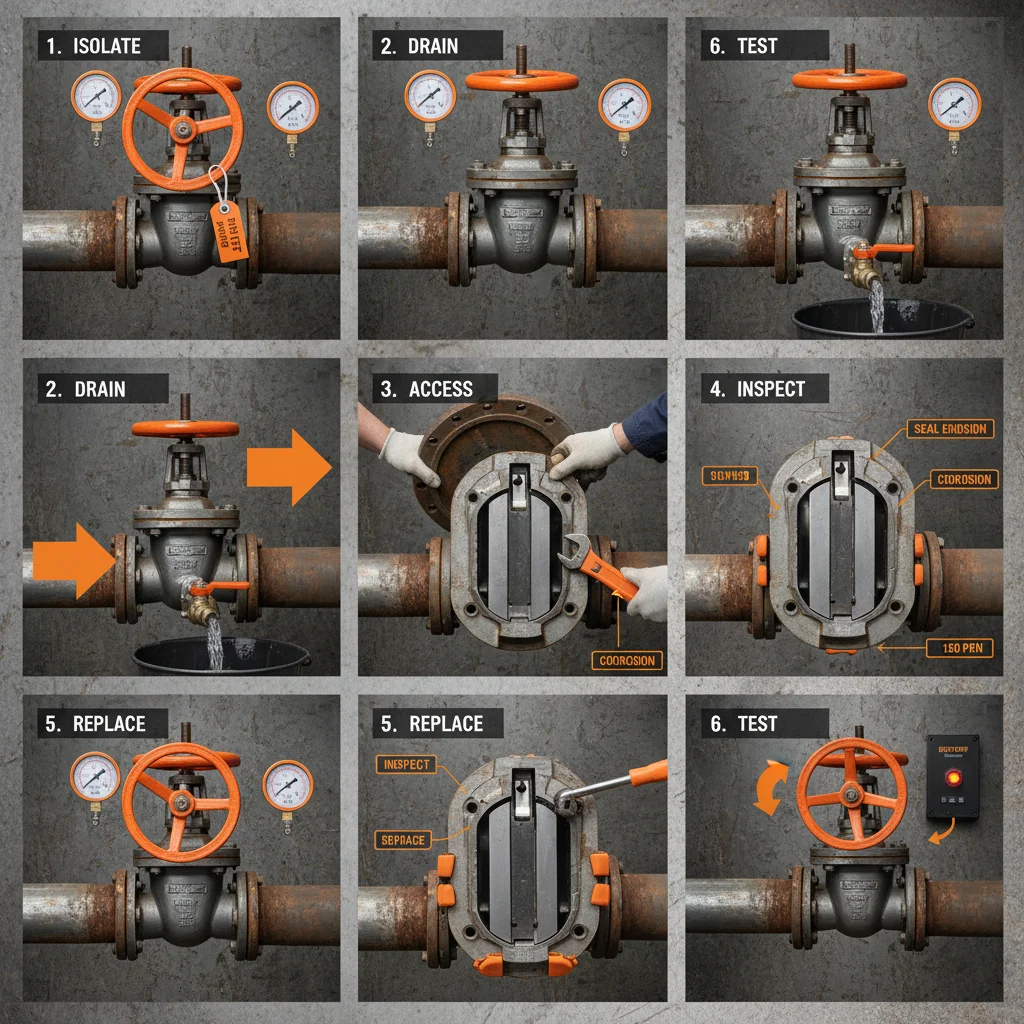
Water scarcity and infrastructure failure have become critical global challenges, leading many to ask, what is a smart water valve and how it can mitigate these risks. In an era of rapid digital transformation, the integration of IoT (Internet of Things) into fluid control systems is no longer a luxury but a necessity for industrial and residential safety.
Understanding the mechanics of these devices allows facility managers and homeowners to move from reactive maintenance to proactive prevention. By combining precision casting and electronic actuators, these valves provide a failsafe mechanism that can detect anomalies and respond in milliseconds, preventing catastrophic water damage.
Ultimately, the transition to smart fluid management represents a shift toward sustainability and resource efficiency. Whether applied in massive industrial complexes or smart home ecosystems, knowing the intricacies of these systems is the first step toward reducing waste and ensuring long-term operational reliability.
Global Context of Smart Water Management
On a global scale, the urgency to implement intelligent water controls is driven by aging infrastructure and increasing urban density. According to data aligned with ISO standards for water management, millions of gallons of potable water are lost annually due to undetected leaks and burst pipes. This inefficiency puts immense pressure on municipal resources and increases the cost of industrial operations.
The challenge lies in the "blind spot" of traditional plumbing—the gap between a leak occurring and a human discovering it. This is where the question of what is a smart water valve becomes central to the conversation. By automating the shut-off process, industries can reduce risk profiles and insurance premiums significantly.
Defining the Smart Water Valve
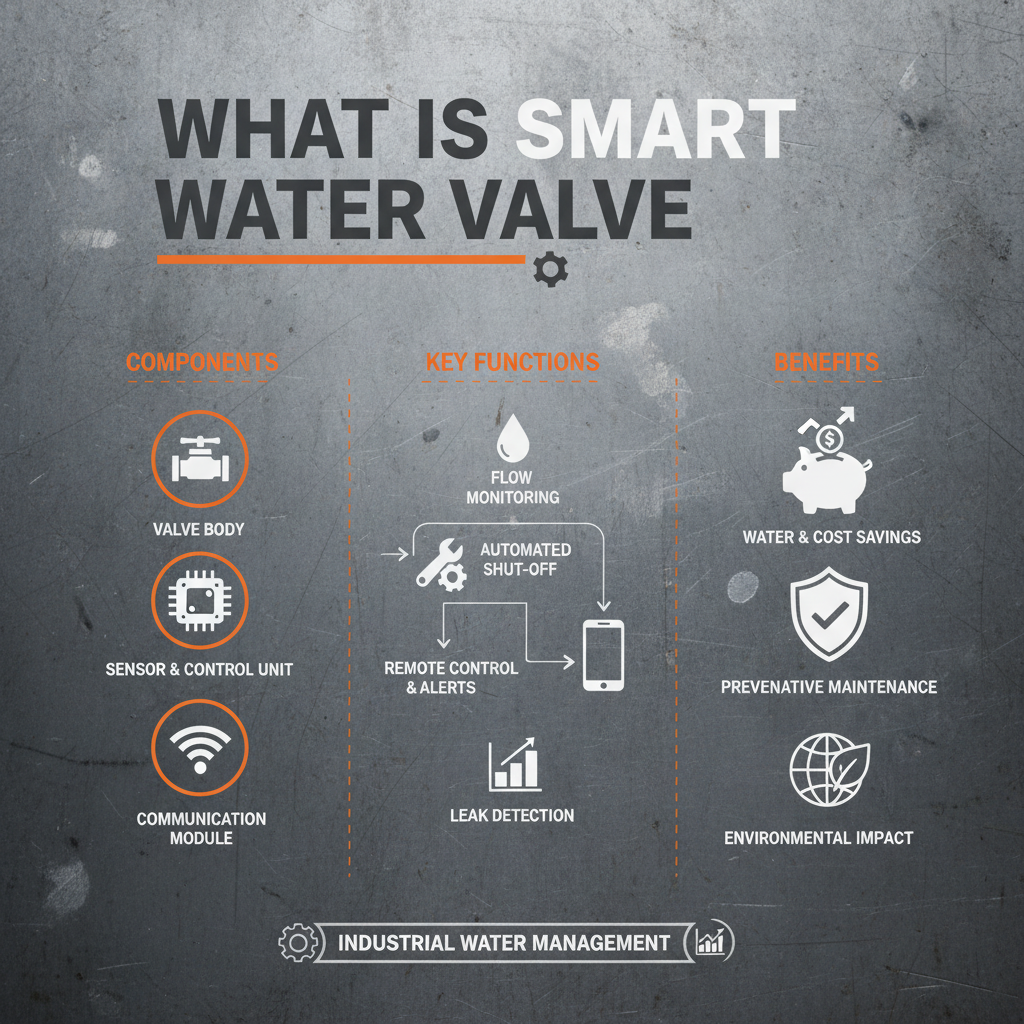
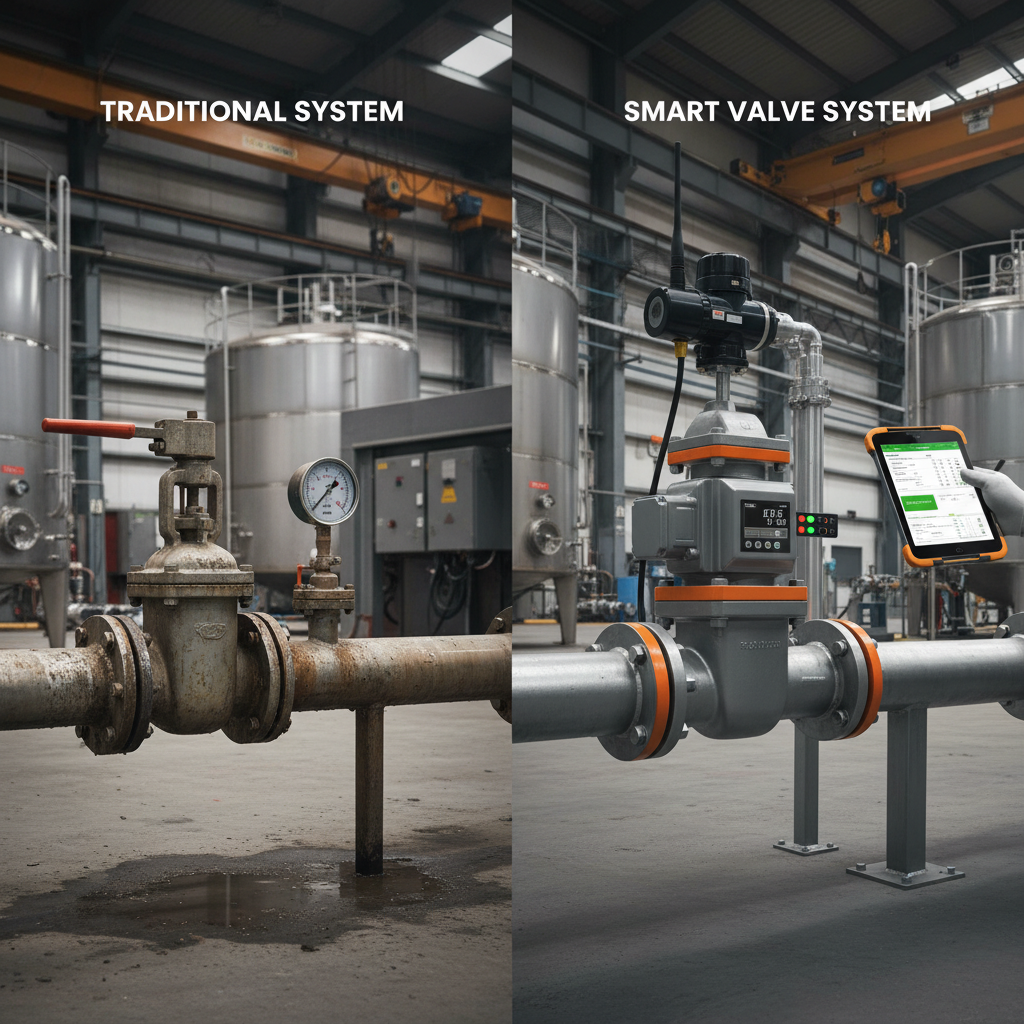
In simple terms, a smart water valve is an electronically controlled device that can open, close, or modulate the flow of water based on real-time data. Unlike a manual ball valve that requires physical intervention, a smart valve utilizes an actuator—often a motorized gear system—coupled with a controller and sensors to manage water flow remotely or autonomously.
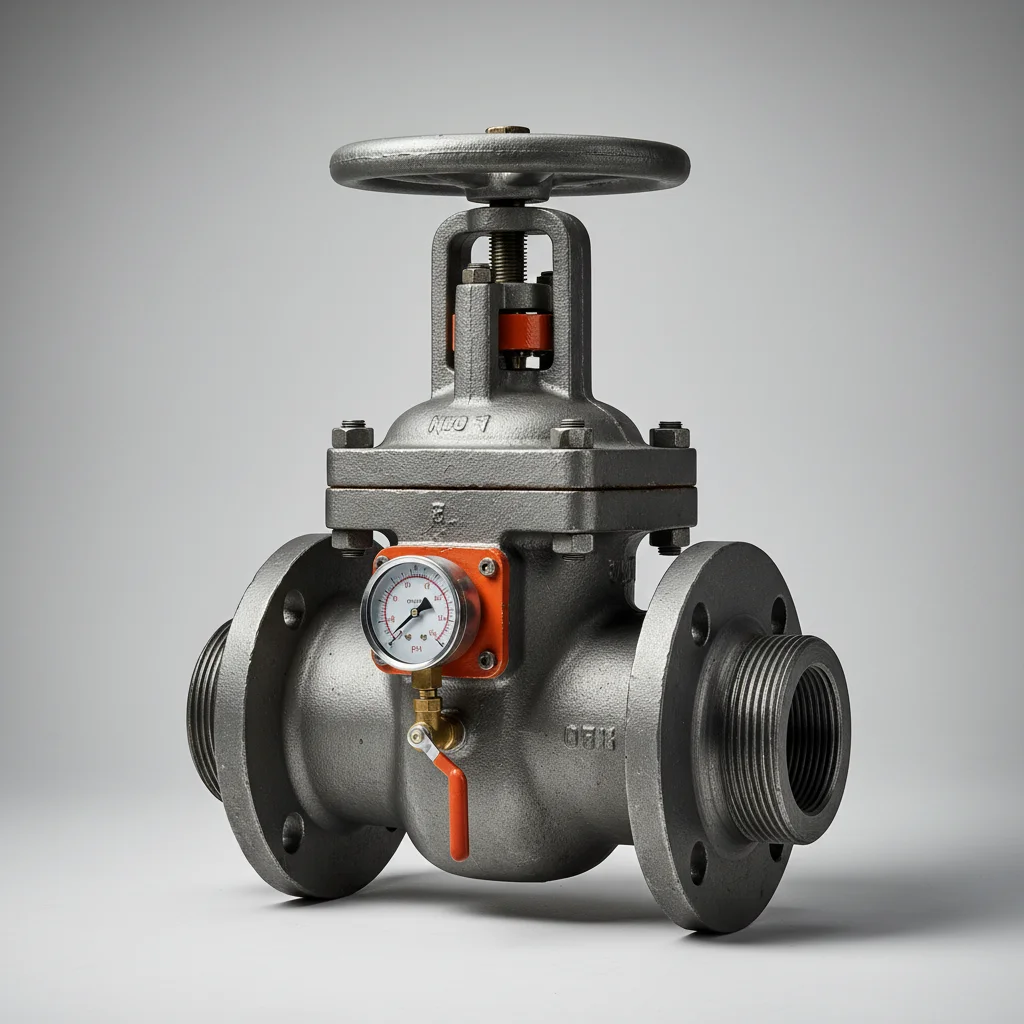
From a manufacturing perspective, these valves are the intersection of precision metallurgy and software engineering. The body is typically crafted from high-grade alloys or stainless steel to resist corrosion, while the "smart" element is provided by an integrated circuit that connects to Wi-Fi, Zigbee, or cellular networks, allowing it to be managed via a smartphone or a centralized industrial SCADA system.
This technology addresses a critical humanitarian and industrial need: the preservation of water. By integrating these valves into the main water line, users can eliminate the risk of flooding in uninhabited buildings and ensure that water is delivered only when and where it is needed, embodying the principles of "precision irrigation" and "smart building" architecture.
Core Components and Engineering Factors
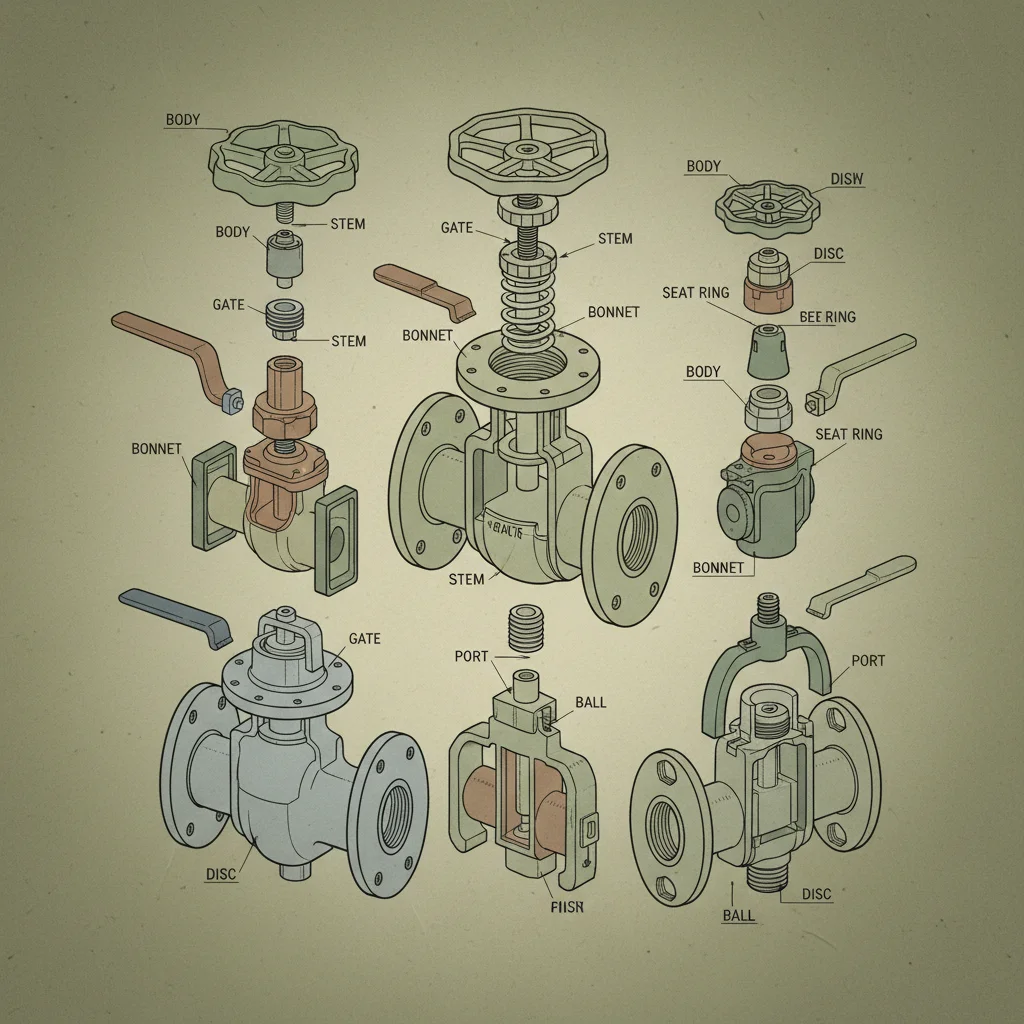
To understand the engineering behind what is a smart water valve, one must first look at Material Durability. Because these valves often reside in damp environments or handle corrosive fluids, the use of precision-cast alloys and specialized coatings is essential to prevent seizure and leakage over decades of use.
Another critical factor is Response Latency. A smart valve is only as good as its ability to shut off the flow instantly upon detecting a leak. This requires a high-torque actuator and a low-latency communication protocol, ensuring that the transition from "open" to "closed" occurs within seconds of a trigger event.
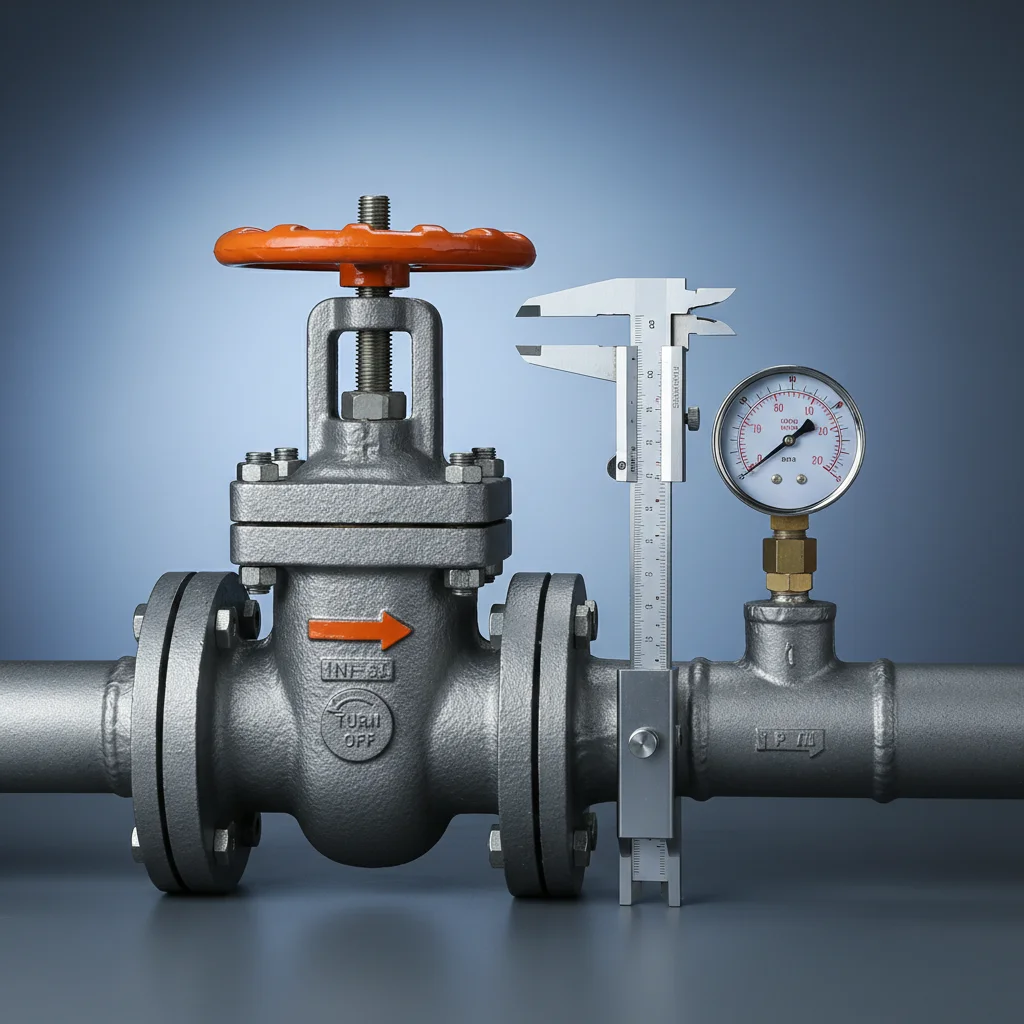
Finally, Scalability and Integration play a huge role. Whether it is a single valve in a residential kitchen or a network of a thousand valves in a chemical plant, the system must be capable of centralized management. This involves API compatibility and the ability to sync with other sensors, such as flow meters and pressure gauges, to create a comprehensive water monitoring ecosystem.
Performance Metrics and Efficiency
Measuring the efficiency of a smart water system involves looking at the reduction in "Non-Revenue Water" (NRW) and the decrease in emergency repair costs. When comparing traditional manual systems to smart automation, the primary metric is the time-to-closure during a failure event.
By analyzing the data, it becomes clear that the integration of automated shut-off mechanisms drastically lowers the probability of structural water damage. The following chart illustrates how different smart valve configurations perform across various critical industrial metrics.
Efficiency Comparison of Smart Water Valve Configurations
Global Applications and Use Cases
The practical application of what is a smart water valve varies across sectors. In remote industrial zones, such as mining sites or oil rigs, these valves are used to prevent environmental contamination by automatically shutting off lines if a pressure drop is detected, often in areas where human monitoring is impossible.
In urban residential sectors, particularly in "Smart Cities" in Europe and Asia, these valves are integrated into home insurance packages. If a pipe bursts while the homeowner is on vacation, the valve detects the abnormal flow and shuts off the main line, sending an instant notification to the owner's phone, thereby saving thousands of dollars in potential damages.
Long-Term Value and Sustainability
Investing in smart fluid control provides a tangible return on investment (ROI) through reduced water bills and lower insurance premiums. Beyond the financial aspect, there is a profound emotional value: the peace of mind that comes from knowing your property and assets are protected by an autonomous sentinel.
From a sustainability angle, the global impact is staggering. By eliminating "silent leaks"—small drips that go unnoticed for months—smart valves contribute significantly to the UN's Sustainable Development Goals regarding clean water and sanitation. This is not just about technology; it is about environmental stewardship.
Furthermore, the reliability of high-quality casting in these valves ensures that the hardware lasts as long as the building itself. The marriage of a long-life mechanical body with an upgradable electronic module means that these systems can evolve without needing a complete plumbing overhaul.
Future Trends in Valve Automation
The future of what is a smart water valve is moving toward AI-driven predictive maintenance. Instead of simply reacting to a leak, future valves will use machine learning to analyze flow patterns and predict a pipe failure before it even happens, based on subtle changes in vibration or pressure.
We are also seeing a shift toward energy-harvesting actuators. New designs are utilizing the flow of the water itself to generate the electricity needed to power the sensors and the Wi-Fi module, creating a truly "set and forget" system that requires no external power source or battery replacements.
Moreover, the integration of blockchain for water credits is becoming a reality. In industrial settings, the precise data logged by smart valves can be used to certify a company's water-saving achievements, allowing them to trade water credits in a transparent, decentralized marketplace.
Comparative Analysis of Smart Valve Technological Evolutions
| Generation |
Control Method |
Response Logic |
Sustainability Impact |
| Mechanical (Traditional) |
Manual Hand-turn |
Reactive (Human) |
Low - High Waste |
| Early Electric |
Timed Switch |
Scheduled |
Moderate - Fixed |
| IoT Connected |
Remote App/Cloud |
Trigger-based |
High - Waste Reduction |
| Sensor-Integrated |
Automatic Feedback |
Real-time Detection |
Very High - Leak Prevention |
| AI-Predictive |
Machine Learning |
Proactive Prediction |
Optimal - Resource Guard |
| Self-Powered Hybrid |
Kinetic Energy |
Autonomous Edge |
Maximum - Zero Carbon |
FAQS
A smart water valve is an automated device that can be controlled remotely or via sensors to manage water flow. Unlike standard valves that require a person to manually turn a handle, a smart valve uses an electronic actuator to open or close the line. This allows for instant shut-off during leak detection, remote operation via smartphone, and integration with a wider home or industrial automation system.
Yes, most smart water valves are designed for "retrofit" applications. They can either be installed as a replacement for the existing main shut-off valve or as an add-on actuator that fits over a manual ball valve. Depending on the model, installation may require a professional plumber to cut the pipe or can be as simple as strapping the motor to the existing valve handle.
High-quality smart valves are engineered with "fail-safe" mechanisms. Most include a battery backup that ensures the valve can still be closed during a power outage. Additionally, they always feature a manual override handle, allowing the user to open or close the valve physically if the electronics fail entirely, ensuring you are never locked out of your own water supply.
Absolutely, provided you select an industrial-grade model. These versions use heavy-duty alloy casting and high-torque actuators capable of handling significant PSI levels. Industrial smart valves are often integrated into SCADA systems to manage complex fluid dynamics in factories, ensuring that leaks are stopped instantly to prevent hazardous material spills or equipment damage.
Some systems use "flow-based" detection, where a single smart meter at the main entry point monitors for unusual flow patterns (e.g., water running for 2 hours straight at 3 AM). Others work in tandem with small, wireless point-leak sensors placed under sinks or near water heaters. When a point sensor detects moisture, it sends a signal to the smart valve to shut off the main supply.
In many regions, yes. Insurance companies view water damage as a high-risk liability. By installing a certified smart water shut-off system, you are actively mitigating that risk. Many providers offer discounts on homeowners or commercial property insurance policies because the device significantly reduces the likelihood of a "catastrophic loss" event caused by a burst pipe.
Conclusion
To summarize, answering the question of what is a smart water valve reveals a technology that is far more than just a remote-controlled switch. It is a comprehensive risk-management tool that blends precision metallurgy with IoT intelligence to protect assets, save water, and ensure operational continuity. From the durability of its alloy body to the agility of its software, every component is designed to eliminate the uncertainty of water management.
Looking ahead, the adoption of these systems will be pivotal in building resilient cities and sustainable industries. As we move toward a world of limited resources, the ability to monitor and control every drop of water with precision will be a competitive advantage and an environmental necessity. We encourage facility managers and homeowners to embrace this transition toward automation. Visit our website: www.strmachinerys.com