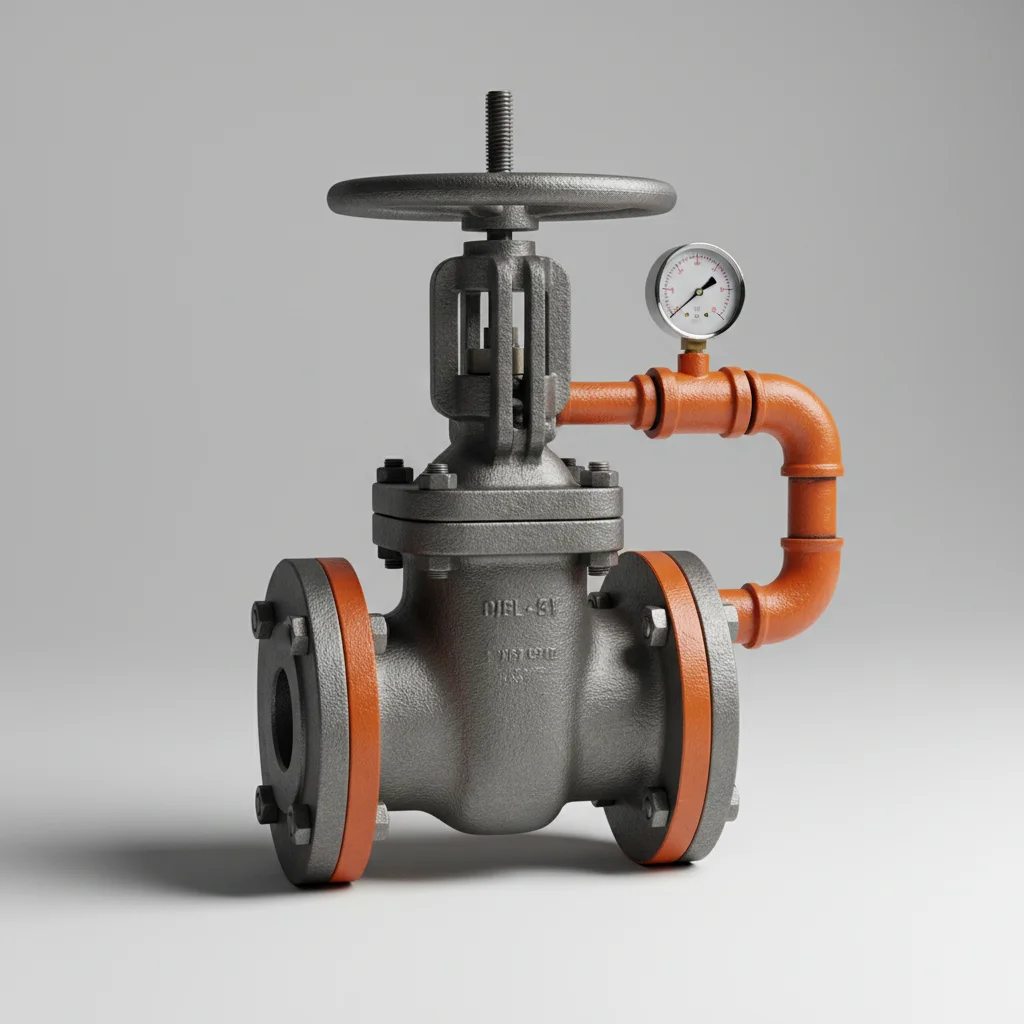
The selection of high-performance materials for industrial flow control is a critical decision that directly impacts the longevity and safety of piping systems. In the realm of heavy industry, the integrity of the valve metal used in construction determines how well a system can withstand extreme pressures, corrosive chemicals, and thermal fluctuations. Understanding the synergy between metallurgy and mechanical design is essential for optimizing operational efficiency across global infrastructure.
Across various sectors, from petrochemical plants to water treatment facilities, the demand for robust sealing solutions has led to the advancement of hard seal gate valves. These components are engineered to provide an airtight shut-off, reducing leakage and preventing environmental contamination. The precise composition of the valve metal ensures that the sealing surfaces remain resistant to wear and scratching even under the most demanding industrial conditions.
By integrating advanced casting techniques and surface treatments, modern manufacturers provide solutions that balance durability with cost-effectiveness. Whether utilizing ductile iron for the body or stainless steel for the stem, the focus remains on enhancing the mechanical properties of the valve metal to ensure a long service life and minimal maintenance requirements for global industrial operators.

Material Composition and Valve Metal Integrity
The integrity of a gate valve begins with the careful selection of the valve metal used for its primary components. For the valve body and plate, ductile iron and cast iron are frequently employed due to their excellent casting properties and structural strength. These materials provide the necessary rigidity to handle working pressures up to PN25, ensuring that the valve does not deform under the stress of high-pressure fluid transfer.
To further enhance performance, specialized metals are used for the critical sealing interfaces. Brass, bronze, and stainless steel are utilized for valve seats, offering a high degree of hardness and corrosion resistance. This combination of materials ensures that the hard seal remains intact, preventing leaks and maintaining a reliable barrier between the pipeline's interior and the external environment.
Technical Specifications of Hard Seal Gate Valves
The technical versatility of hard seal gate valves is reflected in their broad size range and operational flexibility. Available from DN40 to DN2000, these valves are designed to fit a variety of pipeline diameters, with a specific focus on the 1 1/2" to 12" range for many industrial applications. The pressure ratings, ranging from PN6 to PN25, allow these valves to be deployed in both low-pressure water systems and high-pressure gas pipelines.
Operational efficiency is achieved through multiple control modes, including manual handwheels, gearboxes, pneumatic actuators, and electric motors. This flexibility ensures that whether a valve is located in a remote area of a plant or integrated into a fully automated SCADA system, it can be operated with precision. The use of stainless steel for the valve stem further reduces the risk of seizure and ensures smooth actuation over thousands of cycles.
Safety is paramount, which is why all products are certified by CE pressure equipment standards. Rigorous testing protocols are implemented, including shell tests at 1.5 times the rated pressure and seat tests at 1.1 times the rated pressure. These benchmarks guarantee that the structural integrity of the valve metal can handle sudden pressure surges without failure.
Engineering Advantages of Advanced Metallurgy
One of the primary engineering breakthroughs in modern flow control is the implementation of quenching, tempering, and surface nitriding treatments. When applied to the valve metal of the stem, these processes significantly increase surface hardness and wear resistance. This prevents the "galling" effect often seen in metal-to-metal contact, ensuring that the valve opens and closes with minimal friction.
The adoption of a wedge-type elastic gate structure allows the valve to maintain a tight seal even as the valve metal expands or contracts due to temperature changes. For larger diameters, the integration of thrust bearings further reduces the manual effort required for operation, making the system more ergonomic and reducing the likelihood of operator error during emergency shut-offs.
Furthermore, the streamlined internal design minimizes fluid resistance, which prevents the medium from eroding the sealing surfaces. This reduction in turbulence means that the valve metal is less susceptible to cavitation and brushing, directly extending the operational lifespan of the equipment and reducing the overall cost of ownership for the plant manager.
Performance Analysis of Different Valve Metal Alloys
Comparing different alloy compositions is essential for determining the best fit for a specific medium. For instance, while cast iron provides excellent stability for water applications, stainless steel alloys are indispensable for corrosive oil and gas environments. The choice of valve metal affects not only the initial cost but also the frequency of maintenance and the overall safety rating of the installation.
The following analysis highlights how different material configurations score across key performance metrics such as corrosion resistance, thermal stability, and wear durability, providing a clear picture of why hard seal alloys are preferred in extreme environments.
Performance Rating of Valve Metal Alloys
Global Industrial Applications and Use Cases
Hard seal gate valves are indispensable in petrochemical plants and metallurgy facilities where the processed fluids are often abrasive or highly reactive. In these settings, the superior hardness of the valve metal prevents the sealing faces from being scored by particulates, ensuring that the valve can be fully closed to isolate sections of the plant for safe maintenance.
Beyond heavy industry, these valves are widely used in thermal power plants and municipal water treatment systems. In water vapor pipelines, the ability to withstand temperatures from -29℃ to 425℃ makes them a reliable choice for steam regulation. Their design ensures that the flow of the medium is not restricted, which maintains system pressure and reduces energy consumption across the distribution network.
Installation and Maintenance Best Practices
Proper installation is the first step in ensuring the longevity of the valve metal. It is critical that double gate valves are installed vertically, with the stem in a vertical position and the handwheel at the top. This prevents the accumulation of debris on the sealing surfaces and ensures that the wedge can seat properly without side-loading, which could otherwise lead to premature wear.
Maintenance routines should be strictly followed to prevent corrosion and mechanical failure. For valves that are frequently operated, lubrication should be performed at least once a month to reduce friction on the stem. Operators must avoid using handwheels or handles for lifting the valve, as collisions or uneven torque can warp the internal components and compromise the seal.
In systems equipped with bypass valves, it is recommended to open the bypass first to balance the pressure difference between the inlet and outlet. This reduces the force required to open the main gate, preventing sudden shocks to the valve metal and ensuring a smoother transition during the startup of industrial processes.
Comparative Analysis of Metal Sealing Standards
Selecting the right valve based on international standards such as ANSI, API, and ASME ensures global interoperability and safety. The choice of valve metal must align with these standards to guarantee that the material can withstand the specific pressure-temperature ratings required for the application. Hard seal valves are generally preferred over soft seal valves in high-temperature environments where polymers would degrade.
The long-term value of investing in high-grade metallurgy lies in the reduction of downtime. While the initial cost of a hard seal valve may be higher than a standard cast iron option, the extended lifespan and reduced need for replacement make it the more sustainable choice. This is particularly evident in remote industrial zones where the cost of transporting a replacement valve exceeds the cost of the valve itself.
Ultimately, the marriage of a robust design and high-quality metal creates a component that is not only a tool for flow control but a safeguard for the entire facility. The following table summarizes the core differences in material performance across various industrial dimensions.
Comparative Analysis of Valve Metal Performance by Application
|
Material Type
|
Corrosion Resistance
|
Temperature Limit
|
Wear Durability
|
| Ductile Iron |
Moderate |
Up to 425℃ |
High |
| Stainless Steel |
Very High |
Extreme |
Very High |
| Cast Iron |
Low to Moderate |
Moderate |
Moderate |
| Bronze/Brass |
High (Marine) |
Moderate |
High |
| Nitrided Steel |
High |
High |
Extreme |
| Carbon Steel |
Moderate |
High |
High |
FAQS
A Hard Seal Gate Valve is a specialized flow control device that uses metal-to-metal contact for sealing, ensuring a tight shut-off with minimal leakage. It is primarily used in industries such as water supply, petroleum, and chemical processing. Because of the robust valve metal used in the seat and gate, it can handle higher pressures and temperatures than soft-seal alternatives, making it ideal for isolating critical sections of industrial pipelines.
These valves are typically constructed from high-quality ductile iron or cast iron for the body, while the sealing surfaces utilize stainless steel, bronze, or brass. The stem is often made of stainless steel and may undergo nitriding treatments to increase hardness. This specific combination of valve metal components ensures the valve can resist corrosion, wear, and extreme thermal stress over a long operational period.
Choosing the right size requires analyzing the pipe diameter (from DN40 to DN2000) and the required flow rate. For pressure ratings, you must evaluate the maximum operating pressure of your system; our valves support ratings from PN6 to PN25. We recommend consulting a professional engineer to ensure the valve metal specification matches the chemical composition of the fluid and the temperature range of your environment.
No, they are designed for straightforward maintenance. Regular upkeep primarily involves periodic lubrication of the stem and inspection of the sealing faces. Because the valve metal is engineered for high durability, replacements are infrequent. Following the installation manual—such as maintaining vertical orientation and using bypass valves—can further extend the lifespan and reduce maintenance needs.
Yes, our Hard Seal Gate Valves are manufactured to meet or exceed globally recognized standards including ANSI, API, and ASME. Additionally, all products are certified by CE pressure equipment standards. Every valve undergoes a shell test at 1.5x pressure and a seat test at 1.1x pressure to ensure the valve metal integrity meets the strictest safety requirements.
Absolutely. Hard seal gate valves are specifically engineered for demanding environments. Their robust construction and the use of hard-facing alloys on the sealing surfaces allow them to withstand the high pressures and abrasive particulates common in oil and gas pipelines. When selecting a valve, ensure the PN rating is appropriate for your peak pressure to maximize safety and efficiency.
Conclusion
The strategic selection of valve metal and the implementation of hard seal technology are fundamental to the reliability of modern industrial piping. By combining durable materials like ductile iron and stainless steel with advanced surface treatments, hard seal gate valves provide an unmatched balance of sealing integrity, thermal resistance, and operational longevity. These components effectively solve the challenges of fluid leakage and material degradation in the most demanding environments on earth.
As industrial processes move toward greater automation and higher efficiency, the role of precision metallurgy will only grow. Investing in certified, high-standard valves is not just a procurement decision but a commitment to safety and sustainability. For those seeking robust flow control solutions that stand the test of time and pressure, exploring professional-grade hardware is the best path forward. Visit our website: www.strmachinerys.com