Understanding how to adjust water pressure reducing valve settings is critical for maintaining the longevity of plumbing systems and industrial machinery. When water pressure exceeds safe limits, it can lead to catastrophic pipe bursts, leaking joints, and premature wear on expensive valves and fixtures. By mastering the calibration of these devices, facility managers and technicians can ensure a steady, safe flow of water that protects infrastructure and optimizes operational efficiency.
Across the global manufacturing and construction landscape, the ability to precisely control fluid dynamics is not just a convenience but a safety requirement. From high-rise residential complexes to precision metalworking factories, the implementation of pressure reducing valves (PRVs) mitigates the risks associated with high-pressure mains. Learning how to adjust water pressure reducing valve components allows for the customization of water flow to meet the specific needs of diverse equipment, ranging from basic sinks to high-precision cooling systems.
This guide provides a comprehensive technical walkthrough on the mechanics and practical steps involved in pressure regulation. We will explore the relationship between spring tension and downstream pressure, the tools required for accurate measurement, and the industry best practices that prevent common adjustment errors. Whether you are maintaining a small workshop or a large-scale industrial plant, achieving the perfect pressure balance is essential for sustainability and cost-reduction.
Global Context of Pressure Regulation
In the global industrial sector, water pressure instability is a leading cause of unplanned downtime. According to ISO standards regarding piping and fluid handling, excessive pressure not only damages hardware but also increases energy consumption by forcing pumps to work against inefficient gradients. Many municipal water systems operate at pressures far higher than what internal building plumbing can withstand, making the knowledge of how to adjust water pressure reducing valve systems a global necessity for urban infrastructure.
The challenge is particularly acute in emerging industrial zones where rapid urbanization often outpaces the sophistication of water distribution networks. Without precise adjustment, the resulting "water hammer" effect can lead to systemic failures, costing companies millions in repairs and lost productivity. By implementing a standardized approach to pressure reduction, industries can align their operations with international safety and efficiency benchmarks.
Technical Definition of PRV Adjustment
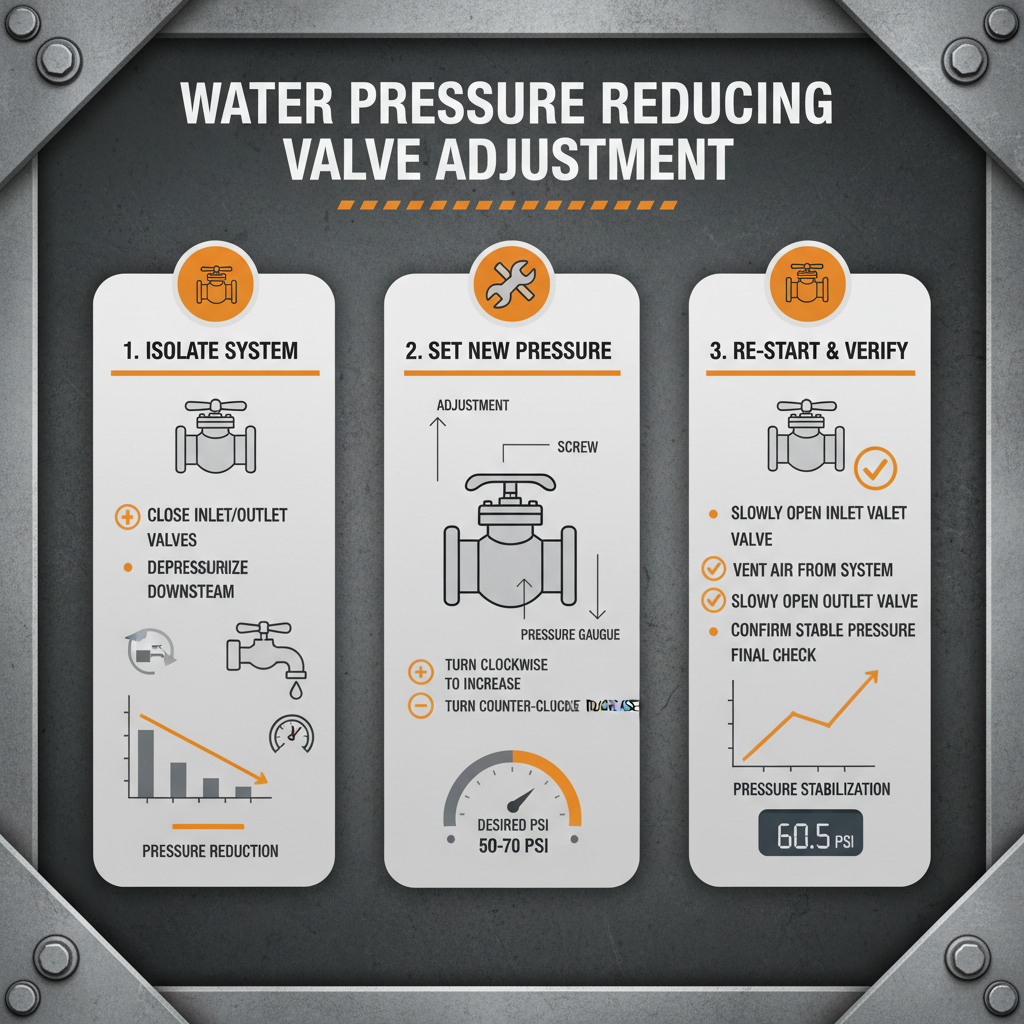
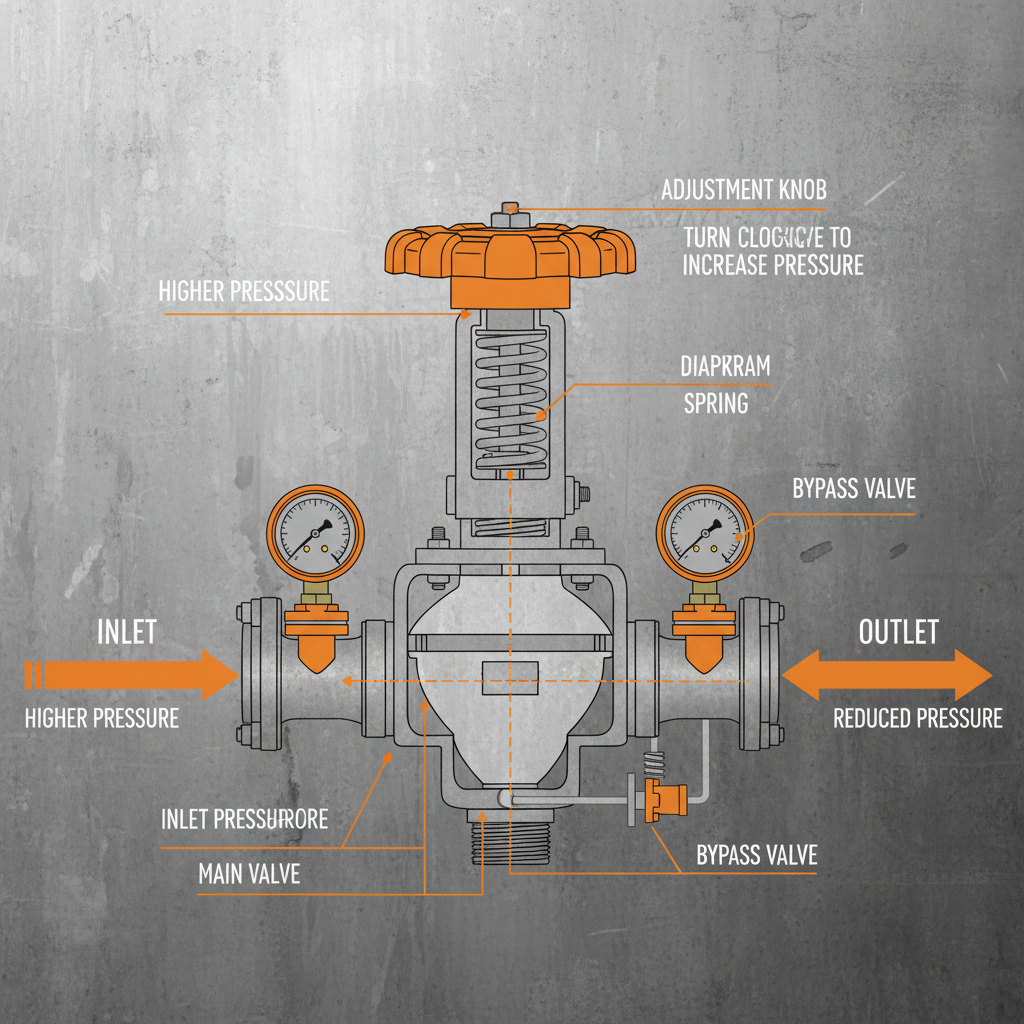
At its core, learning how to adjust water pressure reducing valve mechanisms means modifying the tension of an internal spring to change the point at which the valve restricts flow. A Pressure Reducing Valve (PRV) is a self-actuating device that automatically reduces a higher inlet pressure to a lower, constant outlet pressure, regardless of fluctuations in the supply or demand.
In a technical sense, the adjustment process involves rotating a bolt or screw that compresses a heavy-duty spring. As the spring is compressed, it exerts more force on the diaphragm and disc, allowing more water to pass through and thus increasing the downstream pressure. Conversely, loosening the bolt reduces the spring force, causing the valve to close more readily and lowering the output pressure.
This process is vital for modern humanitarian and industrial needs, such as providing stable water flow to remote medical clinics or maintaining the delicate balance of coolant in metal casting molds. Without the ability to tune these valves, the risk of equipment blowout or insufficient flow would make many precision manufacturing processes impossible.
Core Components Influencing Adjustment
The primary component involved in how to adjust water pressure reducing valve performance is the Adjusting Screw. This bolt acts as the primary interface between the user and the internal spring, translating mechanical rotation into linear pressure force.
Another critical element is the Diaphragm. This flexible membrane senses the downstream pressure and reacts to the tension set by the adjusting screw. If the diaphragm is worn or punctured, no amount of adjustment will stabilize the pressure, emphasizing the need for regular inspections.
Finally, the Pressure Gauge is the only way to verify the results of your adjustments. Since the internal state of the valve is hidden, a calibrated gauge installed downstream is essential to ensure that the process of how to adjust water pressure reducing valve settings is executed with precision rather than guesswork.
Practical Application and Use Cases
In real-world industrial contexts, the application of pressure regulation varies by sector. In the metal casting and tool manufacturing industry, for instance, precise water pressure is required for the cooling of dies and molds. If the pressure is too low, the molds overheat and warp; if it is too high, the cooling channels may leak, contaminating the cast. Technicians must frequently visit these stations to calibrate the PRVs based on the thermal load of the specific production run.
Beyond the factory floor, these adjustments are critical in high-density urban environments. In skyscrapers, water is pumped to the top of the building at extreme pressures to overcome gravity. Without a series of adjusted PRVs on lower floors, the water pressure in ground-level apartments would be high enough to shatter pipes instantly.
Effectiveness of Various Methods for How to Adjust Water Pressure Reducing Valve
Long-Term Value of Correct Calibration
The long-term benefits of knowing how to adjust water pressure reducing valve systems extend far beyond immediate leak prevention. Correct calibration leads to a significant reduction in water waste; high pressure often causes faucets and industrial nozzles to discharge more water than necessary. Over a decade, this efficiency translates into thousands of gallons of saved water and lower utility costs.
Moreover, there is a profound impact on equipment reliability. When components like Alloy Tools and Gauge systems are used in conjunction with water-cooled machinery, stable pressure prevents cavitation and erosion within the pipes. This reliability fosters trust in the infrastructure, allowing engineers to focus on innovation rather than constant firefighting and emergency repairs.
Future Innovations in Valve Automation
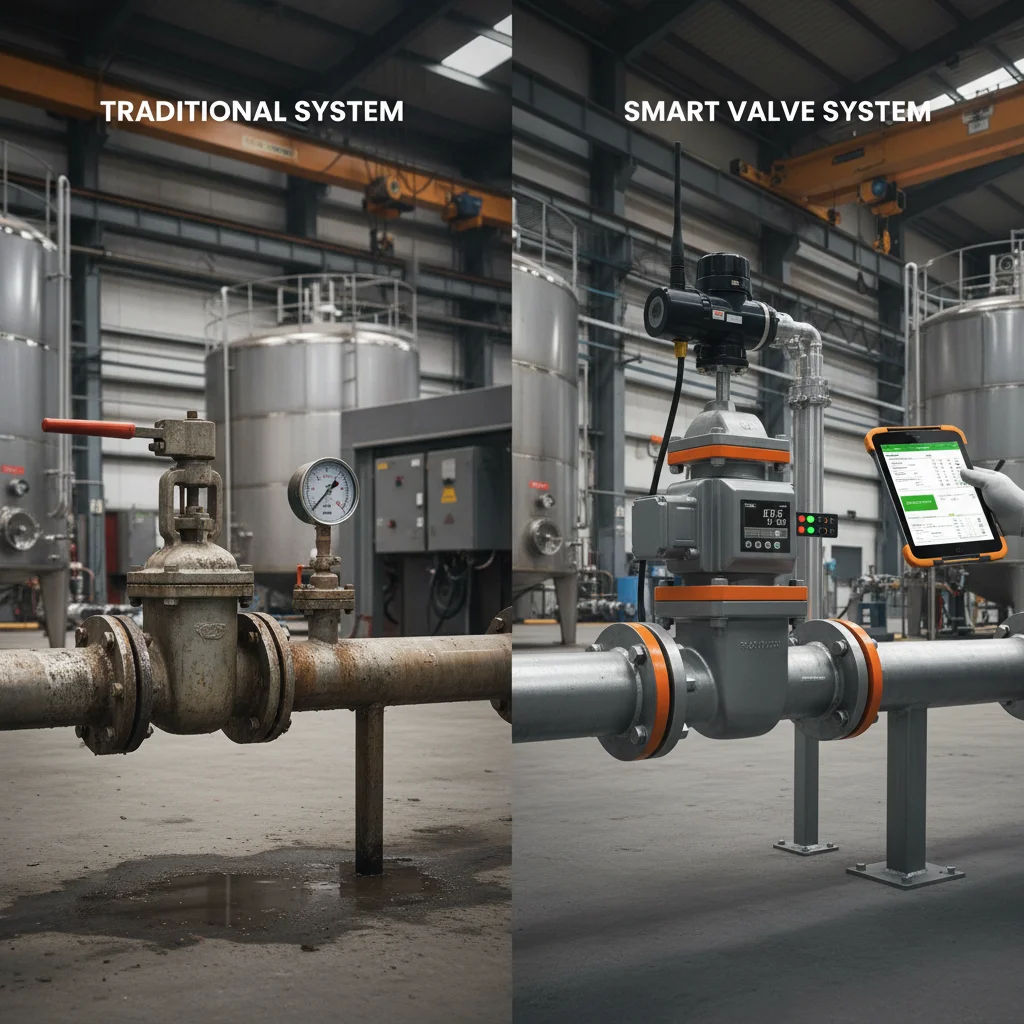
The future of pressure regulation is shifting toward "smart valves" and the Digital Transformation of fluid dynamics. We are seeing a transition from manual screws to electronic actuators that can be adjusted via a central software interface. This removes the human error associated with manual tuning and allows for real-time adjustments based on sensor data, effectively automating how to adjust water pressure reducing valve settings.
Sustainability is also driving the development of new materials. Advanced polymers and corrosion-resistant alloys are being integrated into PRVs to ensure that the valve's internal spring doesn't lose its tension over time due to oxidation. This increases the intervals between required manual adjustments and extends the overall lifecycle of the device.
Furthermore, the integration of IoT (Internet of Things) allows for predictive maintenance. Instead of waiting for a pressure drop to be noticed by a human operator, AI-driven systems can detect a drifting pressure set-point and alert the maintenance team to perform an adjustment before a failure occurs.
Common Challenges and Expert Solutions
One of the most common challenges encountered when learning how to adjust water pressure reducing valve units is "creep," where the downstream pressure slowly rises despite the valve being closed. This is typically caused by debris trapped in the valve seat. The expert solution is to install a strainer upstream of the PRV to capture particulates before they can interfere with the valve's sealing surface.
Another frequent issue is the "hunting" effect, where the pressure oscillates rapidly around the set point. This often occurs when the valve is oversized for the actual flow demand. In such cases, replacing the valve with one better suited to the flow rate, or installing a smaller pilot-operated valve, is the only sustainable fix.
Finally, many technicians struggle with inconsistent readings between different gauges. Ensuring that all measuring tools are calibrated to the same standard is essential. We recommend using a high-precision liquid-filled gauge for the final verification of the adjustment to dampen vibrations and provide a steady reading.
Technical Analysis of PRV Adjustment Challenges and Fixes
| Issue Type |
Root Cause |
Adjustment Impact |
Expert Solution |
| Pressure Creep |
Debris in Valve Seat |
Ineffective Tuning |
Install Upstream Strainer |
| Pressure Hunting |
Oversized Valve |
Oscillating Output |
Downsize Valve Capacity |
| Slow Response |
Stiffened Diaphragm |
Delayed Regulation |
Replace Diaphragm Kit |
| Inaccurate Setpoint |
Faulty Gauge |
Misguided Adjustment |
Recalibrate Testing Gauge |
| Spring Fatigue |
Long-term Wear |
Loss of Tension |
Install New Spring Assembly |
| Noise/Vibration |
Excessive Pressure Drop |
Cavitation Risk |
Two-Stage Reduction |
FAQS
To increase the pressure, you generally need to turn the adjusting screw clockwise. This action compresses the internal spring, which exerts more force on the diaphragm, allowing more water to flow through the valve before it closes. Always monitor your pressure gauge while turning to avoid over-pressurizing your system.
This phenomenon, known as "creep," is usually caused by a piece of sediment or scale preventing the valve disc from sealing completely. Since water continues to leak through, the downstream pressure rises. The best solution is to flush the system or clean the valve seat, and ensure a strainer is installed upstream.
For industrial applications, we recommend a quarterly check. In residential settings, an annual inspection is usually sufficient. Factors like water quality (high mineral content) and temperature fluctuations can cause the spring or diaphragm to shift, requiring a slight readjustment to maintain the target pressure.
Yes, in fact, it is recommended to have a small amount of water flowing (like an open tap downstream) while you learn how to adjust water pressure reducing valve settings. This allows the valve to react in real-time, giving you a more accurate reading of the dynamic pressure rather than the static pressure.
Over-tightening can either strip the threads of the adjusting bolt or compress the spring to its absolute limit, potentially damaging the diaphragm. More importantly, it may allow the full main-line pressure into your building or machine, which could cause pipes to burst or appliances to fail instantly.
Most PRVs only require a standard wrench or a screwdriver for the adjusting bolt. However, the most critical "tool" is a high-quality, calibrated pressure gauge. Without a gauge, you are adjusting the valve blindly, which is dangerous and inefficient in a professional industrial environment.
Conclusion
Mastering how to adjust water pressure reducing valve components is a fundamental skill for ensuring the safety and efficiency of any fluid-based system. By understanding the mechanical interplay between the adjusting screw, the spring, and the diaphragm, technicians can prevent costly infrastructure failures and reduce water waste. From the initial calibration using a precise gauge to the long-term management of "creep" and "hunting," a proactive approach to pressure regulation preserves the integrity of everything from simple piping to complex alloy tool cooling systems.
As we move toward an era of smart manufacturing and IoT-integrated plumbing, the principles of pressure regulation remain the same, even if the tools for adjustment become digital. We encourage facility managers to implement a regular maintenance schedule and invest in high-quality valve hardware to avoid the risks of pressure instability. For more professional guidance and high-precision industrial tools, visit our website: www.strmachinerys.com.