Understanding which way to turn water valve off is a fundamental skill that bridges the gap between simple home maintenance and industrial safety. Whether you are dealing with a burst pipe in a residential basement or managing a high-pressure coolant line in a casting facility, the ability to quickly and correctly isolate water flow is critical to preventing catastrophic property damage and ensuring workplace safety.
Across the globe, water management systems rely on standardized valve mechanisms, yet many operators and homeowners still find themselves hesitating during emergencies. This hesitation often stems from a lack of clear, technical guidance on the directional mechanics of different valve types, such as gate, ball, and globe valves, each of which may offer different tactile feedback when being closed.
By mastering the logic of "righty-tighty, lefty-loosey" and recognizing the visual cues of lever-operated valves, individuals can significantly reduce response times during leaks. This guide provides a comprehensive look at the mechanics, industry standards, and practical applications of isolating water flow to ensure operational continuity and safety.
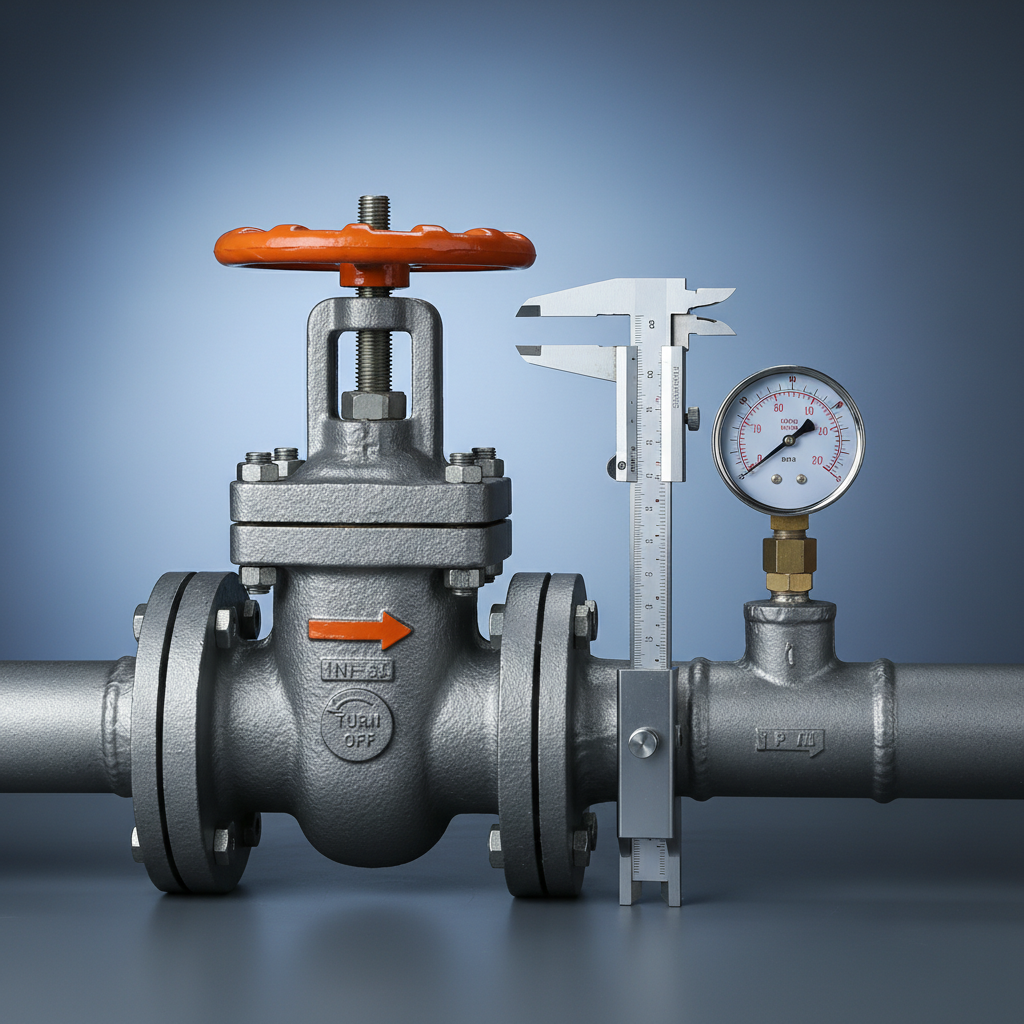
The Fundamental Mechanics of Closing Water Valves
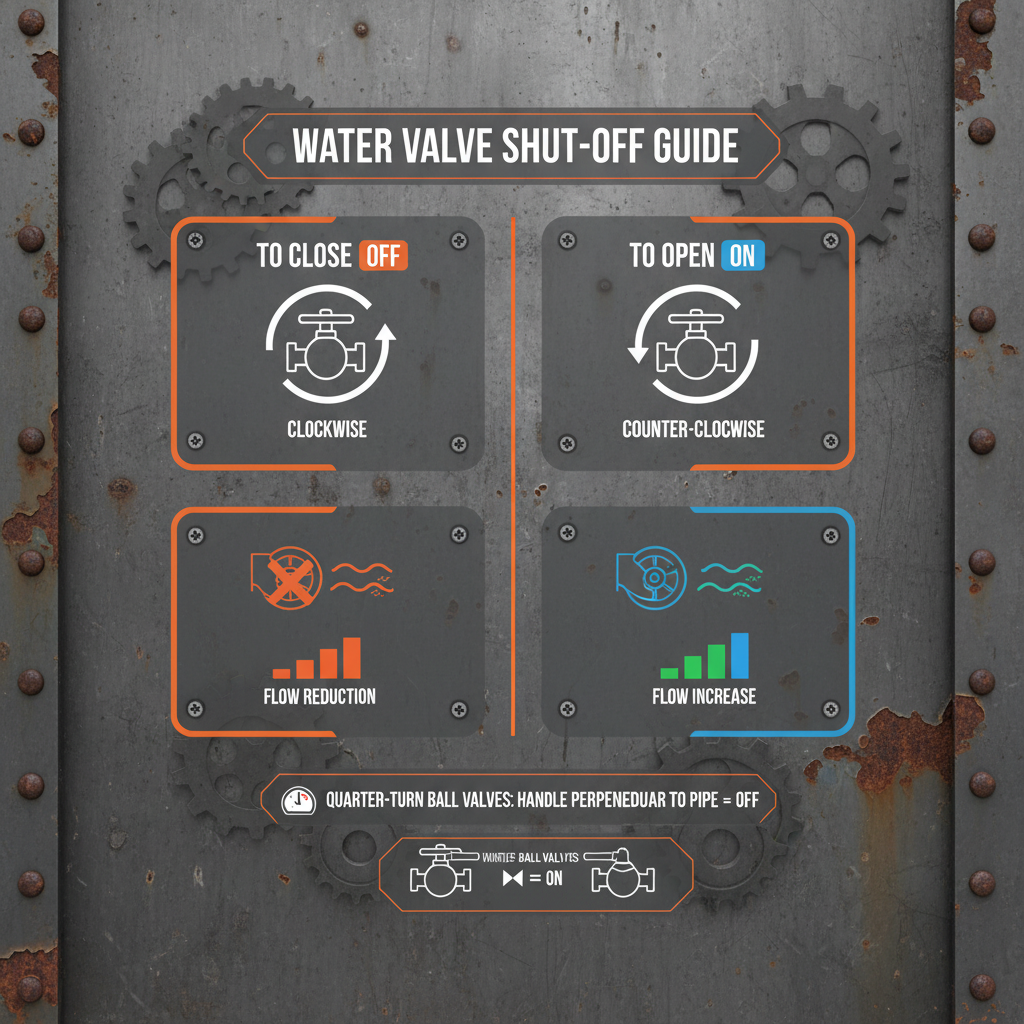
For the vast majority of traditional threaded valves, the rule of thumb is clockwise rotation to close. When asking which way to turn water valve off, the answer for a round handle or a wheel-style gate valve is almost always to turn it to the right. This mechanical design ensures that the internal stem pushes a wedge or a plug into the flow path, creating a watertight seal.
However, the physics changes when dealing with quarter-turn ball valves. In these systems, the orientation of the handle relative to the pipe is the primary indicator. If the handle is parallel to the pipe, the water is flowing; if the handle is perpendicular (at a 90-degree angle), the valve is closed. Understanding these two distinct mechanical movements is the first step in avoiding accidental damage to the valve stem.
Industry Standards for Valve Directionality
In the realm of professional manufacturing and metallurgy, valve directionality is governed by ISO and ASME standards to ensure that any technician, regardless of their origin, can safely operate equipment. The global standard for "closing" a valve typically aligns with the clockwise motion for multi-turn valves, reducing the risk of human error during emergency shutdowns in high-pressure environments.
The challenge often arises in legacy systems where non-standard equipment may have been installed. In these cases, industrial facilities implement color-coding and directional arrows. These visual aids remove the guesswork regarding which way to turn water valve off, as a red arrow pointing clockwise typically indicates the shut-off direction.
Furthermore, the integration of ergonomic handles in modern tool-and-die shops has shifted the focus toward "fail-safe" designs. By employing locking mechanisms and clear tactile indicators, manufacturers ensure that a valve cannot be accidentally left open, which is crucial when dealing with the cooling systems of heavy casting machinery.
Identifying Different Valve Types and Their Operation
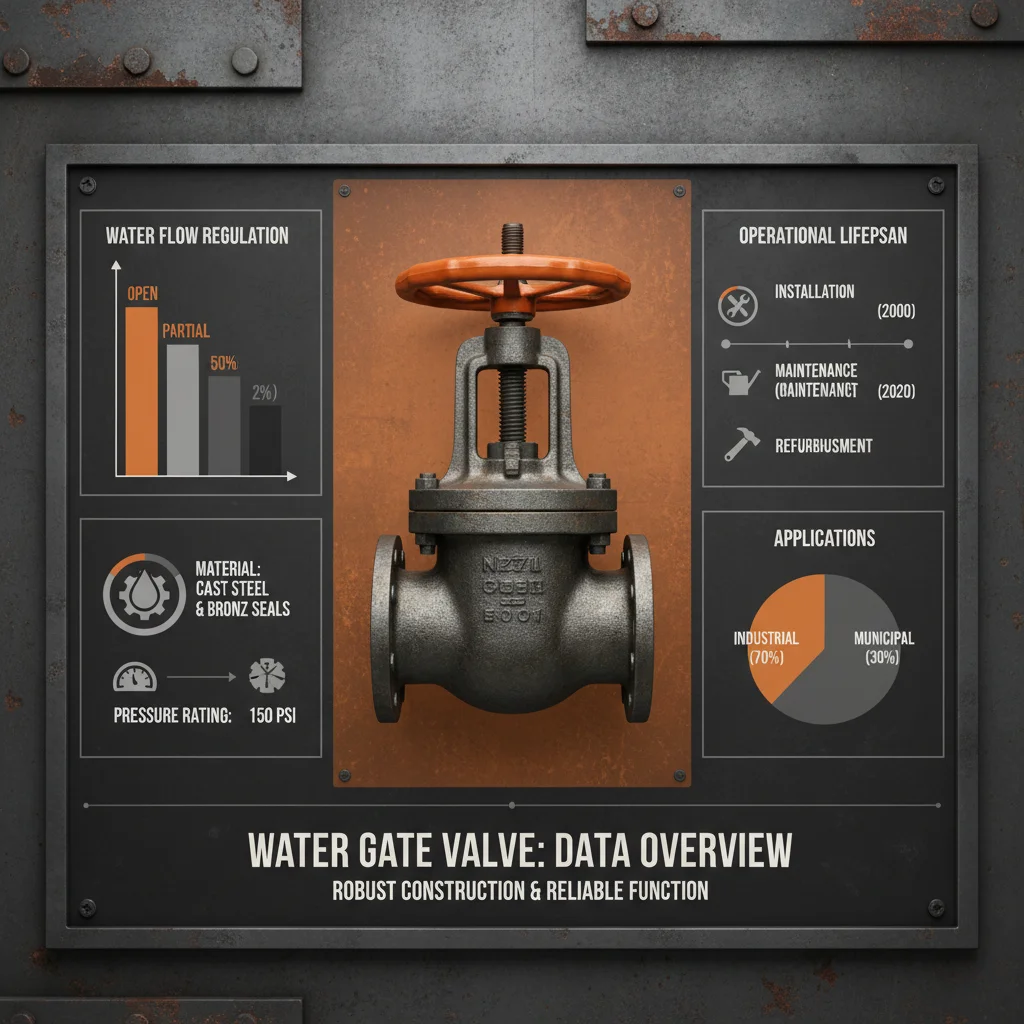
The first step in determining which way to turn water valve off is identifying the valve's anatomy. Gate valves, common in main water lines, require multiple full rotations to the right to lower a gate into the path of the water, making them ideal for fully open or fully closed applications.
Ball valves are the industry standard for quick isolation. Because they utilize a rotating ball with a hole through the center, you only need to turn the lever 90 degrees. If you are unsure which way to turn water valve off for a ball valve, remember that "perpendicular equals closed."
Globe valves, often used for throttling or regulating flow, also operate via a clockwise turn to close. However, they provide much more precise control over the volume of water passing through, which is essential for calibrating measuring tools or managing coolant levels in precision casting.
Efficiency Metrics of Valve Isolation Methods
When evaluating the efficiency of different methods to isolate water, we look at "Time to Close" and "Seal Integrity." In an emergency, the speed at which a technician understands which way to turn water valve off can be the difference between a minor leak and a flooded shop floor. Ball valves offer the fastest response time, while gate valves provide a more robust seal for long-term shutdowns.
The following data compares the effectiveness of various valve mechanisms in industrial settings, focusing on how quickly the operator can achieve a full shut-off and the reliability of that seal.
Efficiency Comparison of Methods to Turn Water Valve Off
Global Applications in Industrial Casting and Tooling
In the specialized field of casting and tool manufacturing, water valves are not just for plumbing; they are critical components of the cooling systems that prevent molds from warping. Knowing which way to turn water valve off allows operators to perform rapid maintenance on welding workbenches and granite measuring tools without risking water contamination of the precision surfaces.
From the industrial zones of Germany to the manufacturing hubs in China, the standardization of valve operation ensures that global teams can collaborate on equipment installation. In post-disaster relief operations, where temporary water infrastructure is deployed, the simplicity of the "clockwise-to-close" rule allows non-experts to manage water resources safely and efficiently.
Long-term Reliability and Maintenance of Shut-off Valves
The long-term functionality of a valve depends heavily on how it is operated. A common mistake occurs when users apply excessive force while trying to figure out which way to turn water valve off. Over-tightening a gate valve can deform the seat or snap the stem, leading to a permanent leak that requires full pipe replacement.
Regular exercise of the valves is recommended. In many industrial plants, "valve cycling" is performed monthly, where every valve is turned off and on to prevent mineral buildup (calcification) from seizing the mechanism. This ensures that when an emergency occurs, the valve will actually move in the correct direction.
Furthermore, using high-quality alloy tools for adjustment prevents the rounding of valve nuts. The intersection of precision measuring tools and valve maintenance ensures that the system remains airtight, which is critical for maintaining the vacuum and pressure seals required in advanced metal product manufacturing.
Future Trends in Automated Water Isolation Systems
The future of water management is moving away from manual intervention. We are seeing a rise in "Smart Valves" that use IoT sensors to detect leaks and automatically determine which way to turn water valve off electronically. These actuators remove human error entirely, closing the flow in milliseconds when a pressure drop is detected.
Digital transformation in the casting industry is also introducing Augmented Reality (AR). A technician wearing AR glasses can look at a complex manifold of pipes, and the system will overlay a digital arrow showing exactly which way to turn water valve off for that specific unit, integrating the technical manual directly into the field of vision.
Sustainability is another driving force. New materials, such as advanced ceramics and corrosion-resistant alloys, are being used to create valves that never seize. This reduces the need for chemical lubricants and ensures that the mechanical action of closing the valve remains smooth for decades, regardless of the water quality.
Comparison of Manual vs. Automated Valve Operation
| Operation Method |
Response Speed |
Human Error Risk |
Maintenance Need |
| Manual Ball Valve |
Fast (Seconds) |
Low |
Moderate |
| Manual Gate Valve |
Slow (Minutes) |
Medium |
High |
| Electric Actuator |
Instant (ms) |
Very Low |
Moderate |
| Pneumatic Valve |
Very Fast |
Low |
High |
| Smart IoT Valve |
Instant (Autonomous) |
Minimal |
Low (Software) |
| Hydraulic Valve |
Fast (Heavy Duty) |
Low |
High |
FAQS
For standard round handles, such as those on gate or globe valves, you should turn the handle clockwise (to the right) to shut off the water. This is the universal "righty-tighty" rule. Continue turning until you feel firm resistance, but avoid forcing it excessively to prevent damaging the valve seat.
A ball valve is completely off when the lever handle is positioned perpendicular (at a 90-degree angle) to the pipe. If the handle is aligned with the direction of the pipe, the valve is open. This quarter-turn mechanism provides a clear visual confirmation of the water status.
If a valve is seized, do not use extreme force as this may snap the stem. Try applying a penetrating lubricant to the stem and letting it sit for several minutes. Use a proper alloy wrench for leverage if necessary, but gently rock the valve back and forth to break the mineral deposits before attempting to close it fully.
While most of the world follows the clockwise-to-close standard for multi-turn valves, some very old specialized industrial equipment may differ. However, ISO standards have largely unified this. Always look for directional arrows or "Open/Closed" labels in professional industrial environments.
While a pipe wrench can provide necessary torque, it can also mar the finish or round off the edges of the valve handle. It is recommended to use the appropriate tool—such as a crescent wrench or a dedicated valve key—to ensure a secure grip without damaging the hardware.
In casting and metallurgy, water is used for critical cooling. An incorrect turn during a maintenance cycle could lead to equipment overheating or accidental flooding of precision tools like granite measuring blocks, leading to costly downtime and safety hazards.
Conclusion
Mastering the knowledge of which way to turn water valve off is more than a simple household tip; it is a critical competency in industrial safety and facility management. From the basic clockwise rotation of gate valves to the 90-degree precision of ball valves, understanding these mechanisms prevents property damage, ensures the longevity of high-precision tooling, and protects personnel in high-pressure environments.
As we move toward an era of smart manufacturing and automated isolation systems, the fundamental principle of fluid control remains the same. We encourage all operators and homeowners to regularly inspect their valves and familiarize themselves with their specific hardware. For professional-grade tools and equipment to maintain your industrial infrastructure, visit our website: www.strmachinerys.com.