

Mar . 28, 2026 02:55 Back to list
Comprehensive Guide to Backcheck Valves Types Applications and Selection
Understanding Backcheck Valves: A Comprehensive Guide
Backcheck valves, critical components in various fluid handling systems, prevent reverse flow, safeguarding equipment and maintaining operational efficiency. These valves are indispensable in industries ranging from water treatment to oil and gas, ensuring unidirectional flow is maintained. Selecting the right backcheck valve is paramount for optimal system performance and longevity. This article will delve into the types, applications, and key considerations when choosing a backcheck valve, providing valuable insights for engineers, technicians, and procurement professionals.
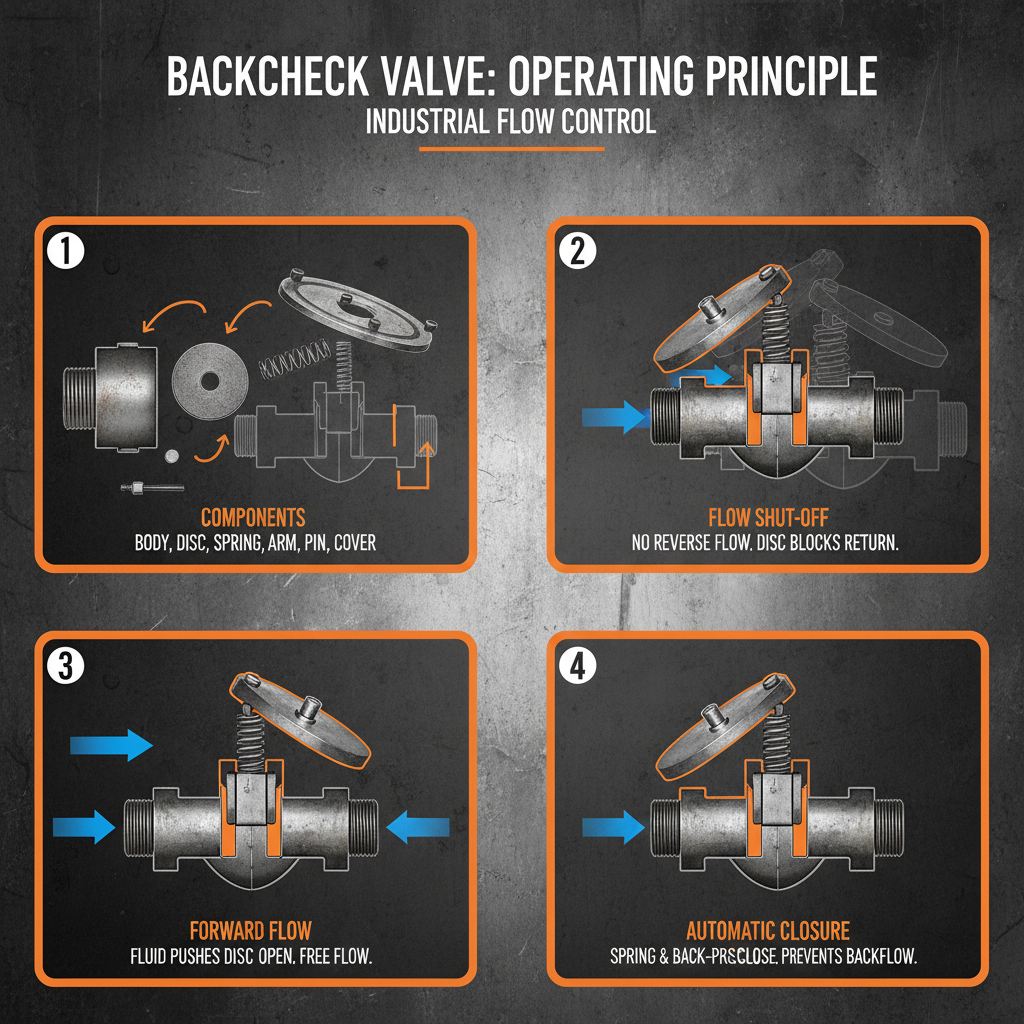
What is a Backcheck Valve and How Does it Work?
A backcheck valve, also known as a non-return valve, is a mechanical device designed to allow fluid flow in only one direction. It operates automatically, opening when fluid flows in the desired direction and closing instantly to prevent backflow. This is achieved through various internal mechanisms, including swing discs, ball closures, and lift checks. The principle behind their operation relies on the pressure differential created by the flowing fluid. When the pressure on the inlet side exceeds the pressure on the outlet side, the valve opens. Conversely, when the pressure reverses, the valve closes, preventing reverse flow. Proper functioning is essential for protecting pumps, compressors, and other sensitive equipment.
Key Benefit: Preventing backflow safeguards equipment, maintains system efficiency, and prevents contamination.
Types of Backcheck Valves: Choosing the Right Fit
Several types of backcheck valves cater to different applications and fluid characteristics. These include swing check valves, lift check valves, ball check valves, and diaphragm check valves. Swing check valves utilize a hinged disc that swings open with flow and closes against a seat to prevent backflow. Lift check valves employ a disc that is lifted off its seat by the fluid flow. Ball check valves use a ball seated within a housing, opening and closing based on pressure differentials. Diaphragm check valves use a flexible diaphragm to regulate flow. The optimal choice depends on factors like fluid type, pressure, temperature, and the required flow rate.
Backcheck Valve Types:
• Swing Check Valves: Suited for low to medium pressure applications.
• Lift Check Valves: Ideal for high-pressure applications.
• Ball Check Valves: Best for slurries and fluids with solids.
• Diaphragm Check Valves: Offer excellent corrosion resistance.
Backcheck Valve Applications Across Industries
Backcheck valves find extensive application across numerous industries. In water and wastewater treatment plants, they prevent back-siphonage and maintain the integrity of the water supply. Oil and gas pipelines utilize them to prevent reverse flow during pump shutdowns. Chemical processing plants rely on them to protect sensitive equipment from corrosive fluids. HVAC systems use them to maintain refrigerant flow. Furthermore, they are essential in pump systems to prevent water hammer and ensure efficient pump operation. Their versatility and reliability make them indispensable in maintaining safe and efficient fluid handling processes.
Key Considerations When Selecting a Backcheck Valve
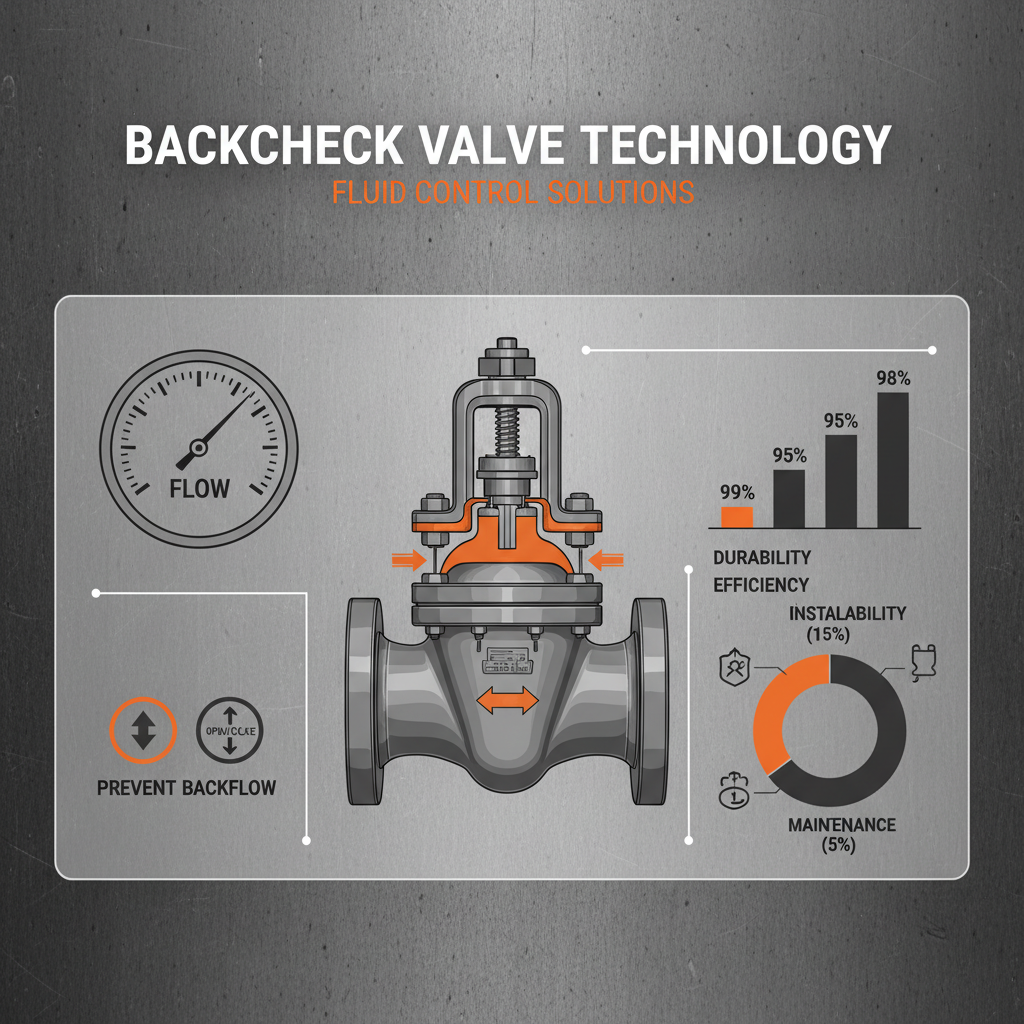
Selecting the appropriate backcheck valve requires careful consideration of several factors. The fluid type being handled (water, oil, chemicals, slurries) dictates the necessary material compatibility. The operating pressure and temperature influence the valve's design and construction. The flow rate determines the required valve size to minimize pressure drop. Furthermore, the connection type (flanged, threaded, welded) must align with the existing piping system. Finally, choosing a reputable manufacturer, like STR Machinery, ensures quality and reliability.
Material Selection and Compatibility
The material of a backcheck valve is crucial for its longevity and performance. Common materials include cast iron, stainless steel, brass, and PVC. Cast iron is suitable for water and non-corrosive fluids. Stainless steel offers excellent corrosion resistance for harsh chemical environments. Brass is often used for lower-pressure applications. PVC is a cost-effective option for water and wastewater. It's essential to verify material compatibility with the fluid being handled to prevent corrosion, erosion, or other forms of degradation. Choosing the right material ensures a long service life and minimizes the risk of valve failure.
Conclusion: Ensuring System Integrity with the Right Backcheck Valve
Choosing the correct backcheck valve is a crucial step in ensuring the reliability and efficiency of any fluid handling system. Understanding the different types, applications, and material considerations allows for an informed decision. Partnering with a trusted supplier, such as STR Machinery, provides access to high-quality valves and expert guidance. Prioritizing safety and system integrity through proper valve selection will yield long-term benefits and minimize potential downtime.
Frequently Asked Questions (FAQs)
What is the difference between a check valve and a backcheck valve?
While the terms are often used interchangeably, there's a subtle distinction. A check valve broadly refers to any valve preventing reverse flow, encompassing various designs. A backcheck valve typically implies a specific type designed to automatically close quickly upon flow reversal, often utilizing a spring-loaded mechanism or a swift-acting disc. The key difference lies in the speed and responsiveness of the closure mechanism. Backcheck valves are preferred in applications where rapid backflow prevention is critical.
What causes a backcheck valve to fail?
Several factors can lead to backcheck valve failure. Debris or sediment buildup can obstruct the valve's internal components, preventing proper closure. Corrosion, particularly in harsh chemical environments, can degrade the valve's materials. Wear and tear from repeated opening and closing can also contribute to failure. Furthermore, improper installation or excessive pressure can compromise the valve's integrity. Regular inspection and maintenance are vital for identifying and addressing potential issues before they lead to complete failure.
Can a backcheck valve be installed in any orientation?
Not all backcheck valves can be installed in any orientation. Certain designs, like swing check valves, require a horizontal or vertical upwards flow orientation to function correctly. Lift check valves are often more versatile and can be installed in various orientations. It's crucial to consult the manufacturer's specifications to determine the recommended installation orientation for a specific valve model. Incorrect installation can compromise the valve's performance and lead to premature failure.
-
Industrial Water Valve Replacement and Precision Maintenance GuideNews04 . Fri, 2026
-
Industrial Carbon Steel Check Valve Guide for Piping SystemsNews04 . Thu, 2026
-
Industrial Guide to Selecting a High Quality butterfly check valveNews04 . Thu, 2026
-
Choosing a Reliable Valve Supplier for Optimal Industrial PerformanceNews04 . Wed, 2026
-
Understanding the Functionality and Applications of a Balon Check ValveNews04 . Tue, 2026
-
Leading Valve Manufacturer Providing Precision Engineered SolutionsNews04 . Mon, 2026
Related PRODUCTS