

Mar . 26, 2026 02:45 Back to list
Comprehensive Guide to Back Pressure Check Valve Function and Selection
Understanding Back Pressure Check Valves: A Comprehensive Guide
Back pressure check valves are crucial components in many fluid systems, preventing reverse flow and maintaining system integrity. They’re vital for efficiency, safety, and protecting expensive equipment. This article explores the function, types, applications, and selection criteria for back pressure check valves, providing a detailed understanding for engineers, technicians, and anyone involved in fluid handling systems. Incorrect valve selection can lead to system failures, so understanding these principles is paramount.
What is a Back Pressure Check Valve?
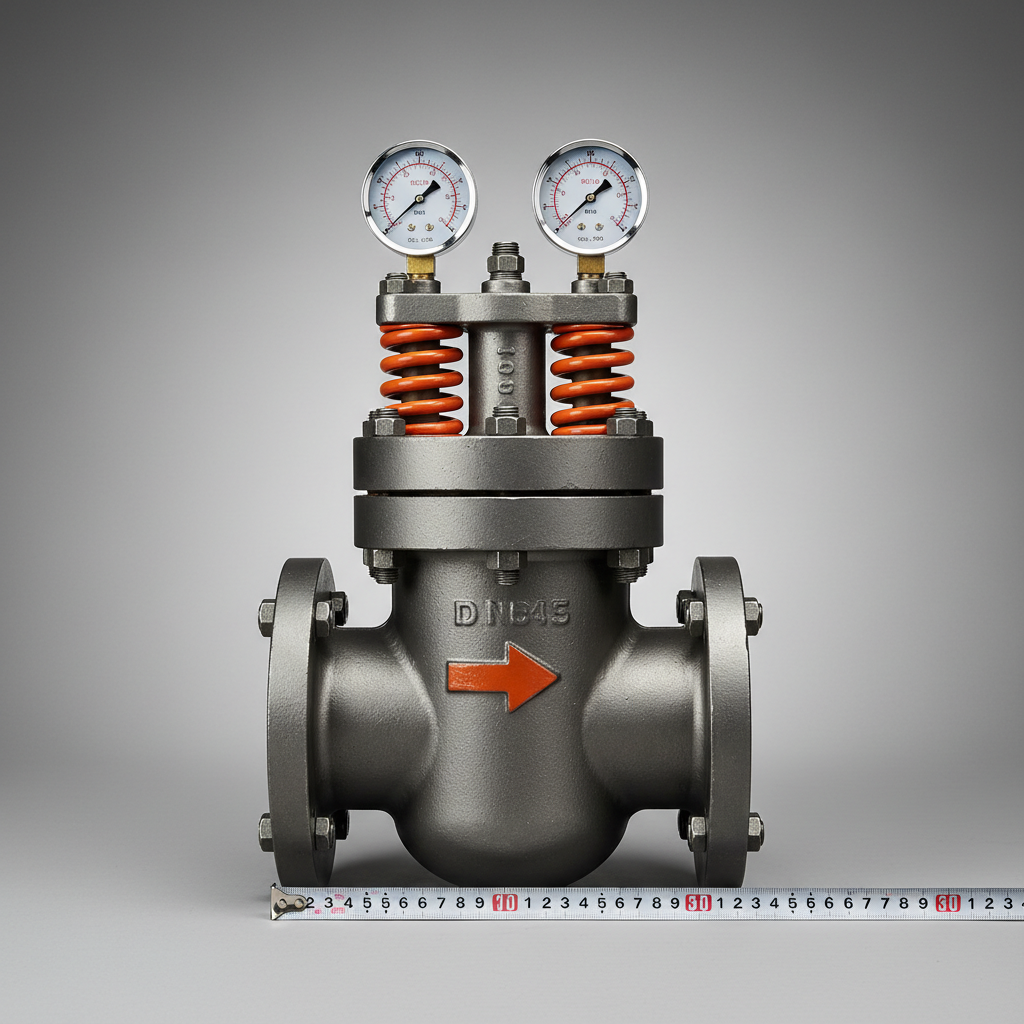
A back pressure check valve, also known as a reverse flow prevention valve, is a mechanical device designed to allow fluid to flow in only one direction. It automatically closes when the flow reverses, preventing backflow. These valves are critical in applications where contamination or damage could occur if fluids were to flow in the wrong direction. The operation is passive, relying on the pressure of the forward flow to open the valve and the absence of that pressure to close it.
Key Benefit: Prevent damage to pumps, compressors, and other sensitive equipment by stopping reverse flow.
Types of Back Pressure Check Valves
Several types of back pressure check valves are available, each suited to different applications and fluid types. Common types include swing check valves, lift check valves, ball check valves, and diaphragm check valves. Swing check valves use a hinged disc, lift check valves employ a poppet lifted off its seat by flow, ball check valves utilize a ball seated against an orifice, and diaphragm check valves use a flexible diaphragm. The selection of the correct valve type depends on factors like fluid viscosity, pressure, and potential for solids in the flow stream.
Valve Type Comparison:
• Swing Check Valve: Low pressure drop, good for clean fluids.
• Lift Check Valve: Suitable for high-pressure applications.
• Ball Check Valve: Handles viscous fluids and slurries well.
• Diaphragm Check Valve: Excellent for corrosive fluids and precise flow control.
Applications of Back Pressure Check Valves
Back pressure check valves find widespread use across various industries. In water treatment plants, they prevent backflow contamination of potable water supplies. In the oil and gas industry, they protect pumps and compressors from damage due to reverse flow. Chemical processing utilizes them to maintain process integrity and prevent mixing of incompatible chemicals. They are also common in HVAC systems to prevent water hammer and maintain efficient operation. Additionally, they're used in medical devices, irrigation systems, and countless other applications requiring unidirectional flow.
Selecting the Right Back Pressure Check Valve
Choosing the right back pressure check valve requires careful consideration of several factors. Key considerations include the fluid type (corrosive, viscous, slurry), operating pressure, temperature, and the presence of solids. Material compatibility is crucial to prevent corrosion or degradation. Valve size must match the pipeline diameter for optimal flow. Finally, consider the required cracking pressure (the minimum pressure needed to open the valve) and ensure it aligns with system requirements. Consulting with SR Machinery’s experts can simplify this process.
Maintenance and Longevity of Check Valves
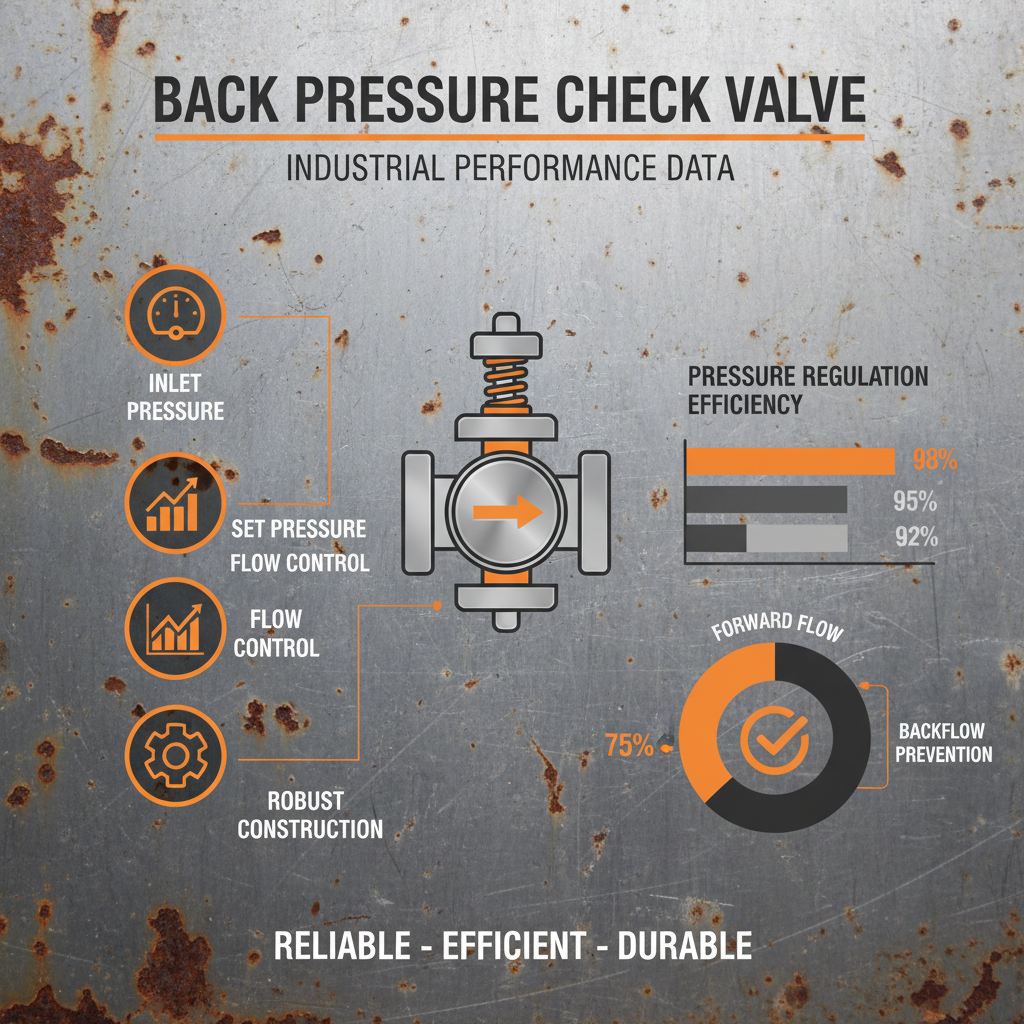
Proper maintenance is vital for ensuring the long-term reliability of back pressure check valves. Regular inspection for signs of wear, corrosion, or damage is essential. Cleaning the valve to remove debris and buildup can prevent blockage and ensure smooth operation. Lubrication may be required for some valve types. Following the manufacturer's recommended maintenance schedule will maximize valve life and minimize downtime. Addressing issues promptly can prevent minor problems from escalating into costly repairs or system failures.
Conclusion: Ensuring Reliable Flow Control with Back Pressure Check Valves
Understanding back pressure check valves is essential for maintaining the integrity and efficiency of any fluid handling system. By carefully selecting the right valve type and implementing a robust maintenance plan, you can prevent costly downtime and ensure reliable operation. SR Machinery provides a wide range of high-quality check valves and expert support to meet your specific needs.
Frequently Asked Questions (FAQs)
What is the cracking pressure of a check valve?
Cracking pressure is the minimum upstream pressure required to fully open a check valve. It's a crucial specification because it affects the valve's responsiveness and efficiency. A lower cracking pressure means the valve will open more easily with less pressure differential. Selecting a valve with the appropriate cracking pressure for your system's operating conditions is essential to ensure it functions correctly. Incorrect cracking pressure can lead to valve chatter or failure to open fully, compromising system performance.
What materials are back pressure check valves made from?
Back pressure check valves are manufactured from various materials depending on the application and fluid being handled. Common materials include brass, stainless steel (304, 316), cast iron, PVC, and CPVC. Stainless steel is preferred for corrosive environments and high-temperature applications. Brass is often used for water and gas lines. PVC and CPVC are suitable for chemical handling. The material selection must consider compatibility with the fluid to prevent corrosion, erosion, or contamination.
How do I determine the correct size check valve?
Determining the correct size check valve involves considering the flow rate and pipe diameter. The valve's internal diameter should match the pipeline diameter to minimize pressure drop. Calculate the required flow rate (gallons per minute or liters per second) and consult the valve manufacturer's flow curves to select a valve that can handle the flow without excessive pressure loss. Oversizing a valve can lead to increased turbulence and reduced efficiency, while undersizing can restrict flow and cause damage.
What are the common causes of check valve failure?
Common causes of check valve failure include debris buildup, corrosion, wear and tear on internal components, and improper installation. Debris can obstruct the valve's movement, preventing it from opening or closing properly. Corrosion can weaken the valve's materials, leading to leakage or failure. Regular inspection and maintenance, including cleaning and replacing worn parts, can prevent these issues. Ensure proper installation, following manufacturer's instructions to avoid stress or misalignment.
-
Industrial Water Valve Replacement and Precision Maintenance GuideNews04 . Fri, 2026
-
Industrial Carbon Steel Check Valve Guide for Piping SystemsNews04 . Thu, 2026
-
Industrial Guide to Selecting a High Quality butterfly check valveNews04 . Thu, 2026
-
Choosing a Reliable Valve Supplier for Optimal Industrial PerformanceNews04 . Wed, 2026
-
Understanding the Functionality and Applications of a Balon Check ValveNews04 . Tue, 2026
-
Leading Valve Manufacturer Providing Precision Engineered SolutionsNews04 . Mon, 2026
Related PRODUCTS