

Mar . 24, 2026 02:55 Back to list
Comprehensive Guide to Back Flow Check Valve Selection and Applications
Back Flow Check Valve: A Comprehensive Guide
Ensuring the integrity of fluid systems is crucial in various industries, from water treatment to oil and gas. A key component in achieving this is the back flow check valve. This device prevents the reverse flow of fluids, protecting equipment and maintaining system efficiency. This article will provide a detailed overview of back flow check valves, exploring their types, applications, and the benefits of choosing a reliable supplier like STR Machinery. Understanding these valves is essential for anyone involved in fluid handling systems.
What is a Back Flow Check Valve?
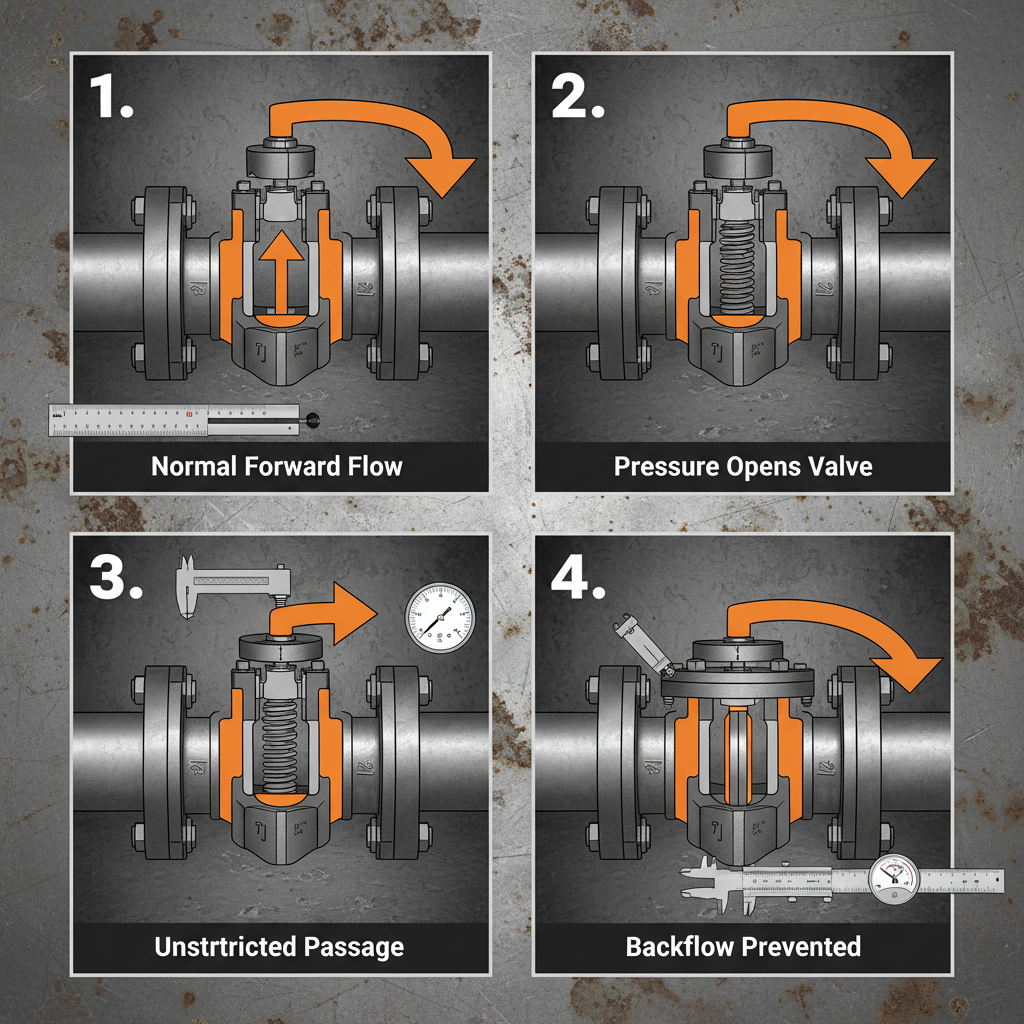
A back flow check valve is a mechanical device designed to allow fluid to flow in only one direction. It prevents backflow, which can contaminate systems, damage equipment, or create hazardous situations. These valves operate automatically, responding to pressure differentials within the system. When forward pressure exists, the valve opens, allowing flow. When flow stops or reverses, the valve closes, sealing the system and preventing backflow. They are crucial in industries handling potable water, wastewater, chemicals, and oil. STR Machinery offers a wide range of these valves, catering to diverse application needs.
Key Benefit: Preventing contamination and protecting your fluid systems from costly damage.
Types of Back Flow Check Valves
Several types of back flow check valves are available, each suited for specific applications. Common types include swing check valves, lift check valves, ball check valves, and diaphragm check valves. Swing check valves use a hinged disc to open and close, ideal for low-pressure, gravity-fed systems. Lift check valves utilize a poppet that lifts off its seat to allow flow. Ball check valves employ a ball that seats against an orifice to prevent backflow, common in pumps. Diaphragm check valves use a flexible diaphragm to control flow, suitable for corrosive fluids. Understanding the characteristics of each type is crucial for selecting the most appropriate valve for your needs. STR Machinery can help you navigate these choices.
Key Valve Types:
• Swing Check Valves: Low pressure, gravity-fed systems
• Lift Check Valves: General purpose applications
• Ball Check Valves: High flow, pump applications
• Diaphragm Check Valves: Corrosive fluids, precise control
Back Flow Check Valve Applications Across Industries
Back flow check valves are indispensable in a wide range of industries. In water and wastewater treatment, they prevent contamination of potable water supplies. In the oil and gas sector, they protect pumps and pipelines from reverse flow and potential damage. Chemical processing plants utilize these valves to ensure the safe handling of corrosive materials. HVAC systems rely on them to maintain efficient fluid circulation. Agricultural irrigation systems benefit from their ability to prevent backflow into water sources. The versatility of these valves makes them essential for maintaining system integrity and safety across numerous applications. STR Machinery provides valves tailored to these specific industry requirements.
Choosing the Right Back Flow Check Valve: Key Considerations
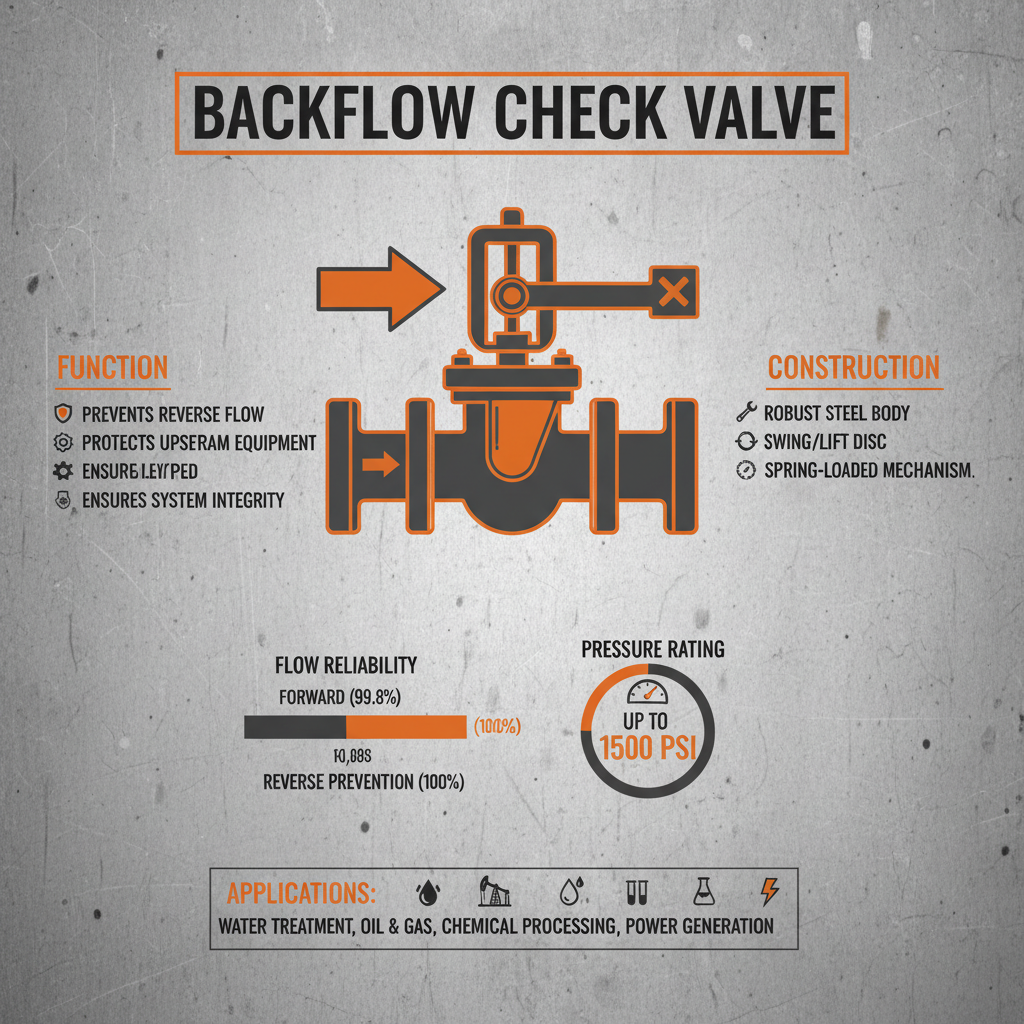
Selecting the right back flow check valve requires careful consideration of several factors. Fluid type, temperature, pressure, and flow rate are all critical parameters. Material compatibility is also essential, particularly when handling corrosive substances. Valve size must be appropriate for the pipeline to avoid restrictions or turbulence. Furthermore, consider the installation orientation and any specific regulatory requirements. STR Machinery’s expert team can provide guidance on selecting the optimal valve for your application.
Partnering with a Reliable Supplier: STR Machinery
Choosing a reputable supplier is paramount when sourcing back flow check valves. STR Machinery is a trusted provider of high-quality valves, offering a comprehensive range of products, competitive pricing, and expert technical support. We are committed to delivering reliable solutions that meet the specific needs of our customers. With a focus on quality control and customer satisfaction, STR Machinery ensures you receive valves that perform flawlessly and consistently.
Conclusion: Ensuring Fluid System Integrity with STR Machinery
The back flow check valve is a critical component in safeguarding fluid systems across diverse industries. By preventing reverse flow, these valves protect equipment, maintain system efficiency, and ensure safety. Partnering with a trusted supplier like STR Machinery provides access to high-quality valves, expert support, and reliable solutions. Invest in the integrity of your fluid systems – choose STR Machinery.
Frequently Asked Questions (FAQs)
What materials are back flow check valves typically made from?
Back flow check valves are commonly constructed from materials such as stainless steel, brass, PVC, and cast iron. The choice of material depends on the fluid being handled, the operating pressure, and the temperature range. Stainless steel is ideal for corrosive environments, while brass is suitable for water and general-purpose applications. PVC is a cost-effective option for low-pressure systems, and cast iron offers durability for heavy-duty applications. STR Machinery provides valves in a variety of materials to suit diverse needs.
How often should back flow check valves be inspected?
Regular inspection is crucial for maintaining the reliability of back flow check valves. It's recommended to inspect them at least annually, or more frequently in demanding applications. Inspections should include checking for leaks, corrosion, and proper operation. Ensure the valve opens and closes smoothly and that there's no debris obstructing the flow path. Any signs of damage or malfunction should be addressed immediately to prevent system failures.
What are the consequences of a failing check valve?
A failing check valve can have severe consequences, including contamination of fluids, damage to pumps and other equipment, and potential safety hazards. Backflow can introduce pollutants into clean water supplies, causing health risks. It can also lead to pressure surges and water hammer, damaging pipelines and components. In critical applications, a failing check valve can result in costly downtime and production losses. Regular maintenance and prompt replacement of failing valves are essential.
Can back flow check valves handle solid particles in the fluid?
While some back flow check valves can tolerate a certain amount of solid particles, it’s generally recommended to use a strainer or filter upstream of the valve to prevent debris from interfering with its operation. Solid particles can cause the valve to stick, leak, or wear prematurely. Certain valve designs, such as ball check valves, are more tolerant of solids than others. STR Machinery can recommend the appropriate valve for your fluid conditions.
-
Industrial Water Valve Replacement and Precision Maintenance GuideNews04 . Fri, 2026
-
Industrial Carbon Steel Check Valve Guide for Piping SystemsNews04 . Thu, 2026
-
Industrial Guide to Selecting a High Quality butterfly check valveNews04 . Thu, 2026
-
Choosing a Reliable Valve Supplier for Optimal Industrial PerformanceNews04 . Wed, 2026
-
Understanding the Functionality and Applications of a Balon Check ValveNews04 . Tue, 2026
-
Leading Valve Manufacturer Providing Precision Engineered SolutionsNews04 . Mon, 2026
Related PRODUCTS