

Mar . 19, 2026 02:45 Back to list
Understanding the Functionality and Applications of a One Way Check Valve
Understanding a One Way Check Valve: Function, Applications, and Selection
A one way check valve is a critical component in many fluid systems, playing a vital role in ensuring efficient and safe operation. This article provides a comprehensive overview of these valves, covering their function, common applications across various industries, types available, and key considerations for selecting the right valve for your specific needs. Understanding these aspects is crucial for anyone involved in fluid handling, from engineers to maintenance personnel. We'll explore how these valves contribute to system reliability and prevent costly backflow issues.
How Does a One Way Check Valve Work?
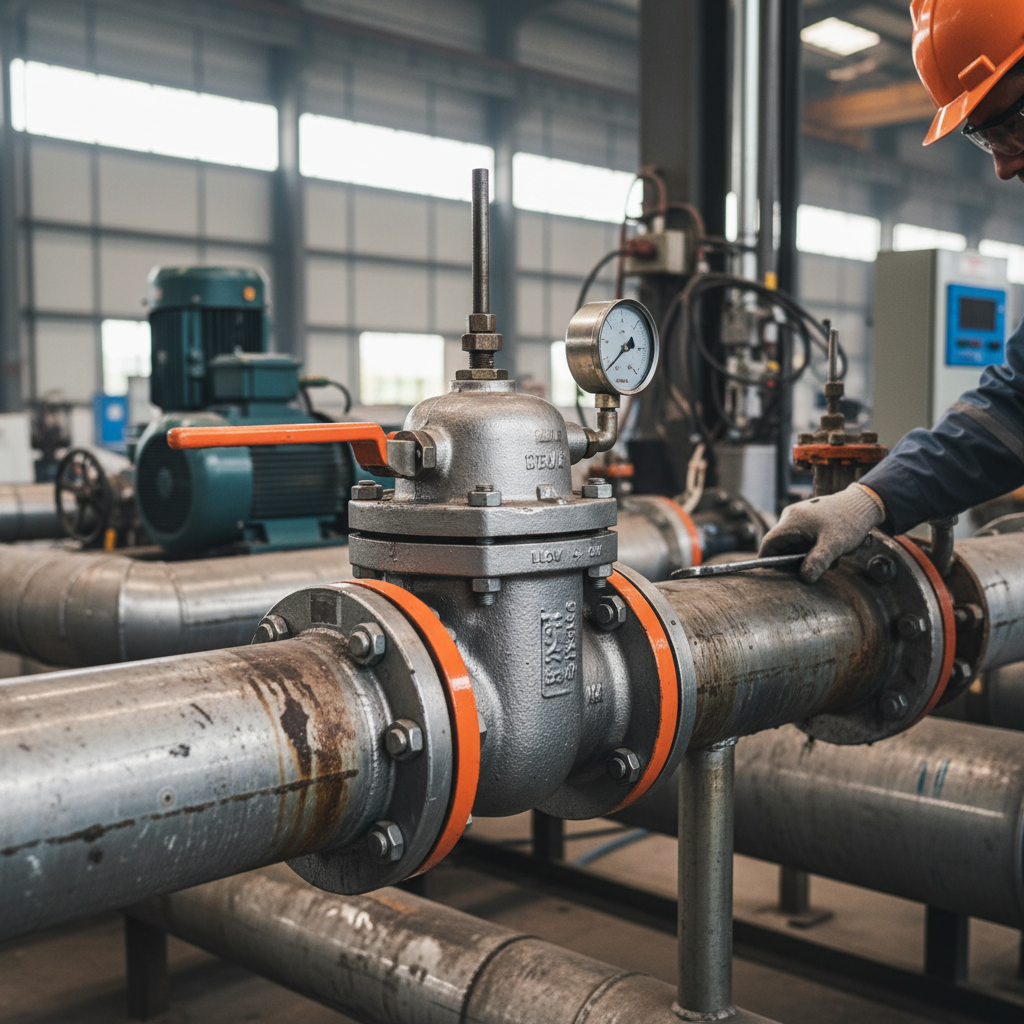
The fundamental principle behind a one way check valve is remarkably simple yet effective. It allows fluid to flow in only one direction while automatically preventing backflow. This is achieved through an internal mechanism – typically a disc, ball, or diaphragm – that opens with forward flow and closes when flow reverses. The force of the fluid itself operates the valve; no external control is needed. This automatic operation makes check valves incredibly reliable and essential in systems where maintaining directional flow is critical. These valves are commonly used in pumps, compressors, and various industrial processes.
Key Benefit: Automatic operation and prevention of backflow, enhancing system safety and efficiency.
Common Applications of One Way Check Valves
The versatility of one way check valves leads to their widespread use in numerous industries. In wastewater treatment plants, they prevent backflow contamination. In pumping systems, they maintain prime and protect pumps from damage. They're integral to medical devices, ensuring precise fluid delivery. Other applications include HVAC systems, fuel lines, and chemical processing. Effectively, any application requiring unidirectional fluid flow benefits from the inclusion of a check valve. Without these valves, systems would be vulnerable to reverse flow, potentially leading to equipment failure and contamination.
Key Industries Utilizing Check Valves:
• Wastewater Treatment
• Oil & Gas
• Chemical Processing
• Medical Devices
Types of One Way Check Valves and Their Mechanisms
Several types of one way check valves are available, each with its own mechanism and suited for specific applications. Swing check valves utilize a hinged disc that swings open with flow and closes against a seat to prevent backflow. Lift check valves employ a disc or ball that is lifted off its seat by forward flow. Diaphragm check valves utilize a flexible diaphragm that deflects to allow flow and returns to its seat to prevent backflow. Ball check valves use a ball seated in a chamber. The choice depends on factors like fluid type, pressure, temperature, and desired flow characteristics.
Selecting the Right One Way Check Valve: Key Considerations
Choosing the optimal one way check valve requires careful consideration of several factors. The fluid type being handled (corrosive, viscous, etc.) dictates material compatibility. Pressure and temperature ratings must align with system operating conditions. Flow rate requirements influence valve size. Connection type (threaded, flanged, welded) needs to match existing piping. Finally, consider the valve’s cracking pressure – the minimum pressure needed to open the valve. Proper selection ensures reliable performance, minimizes maintenance, and prevents system failures.
Material Options and Their Applications
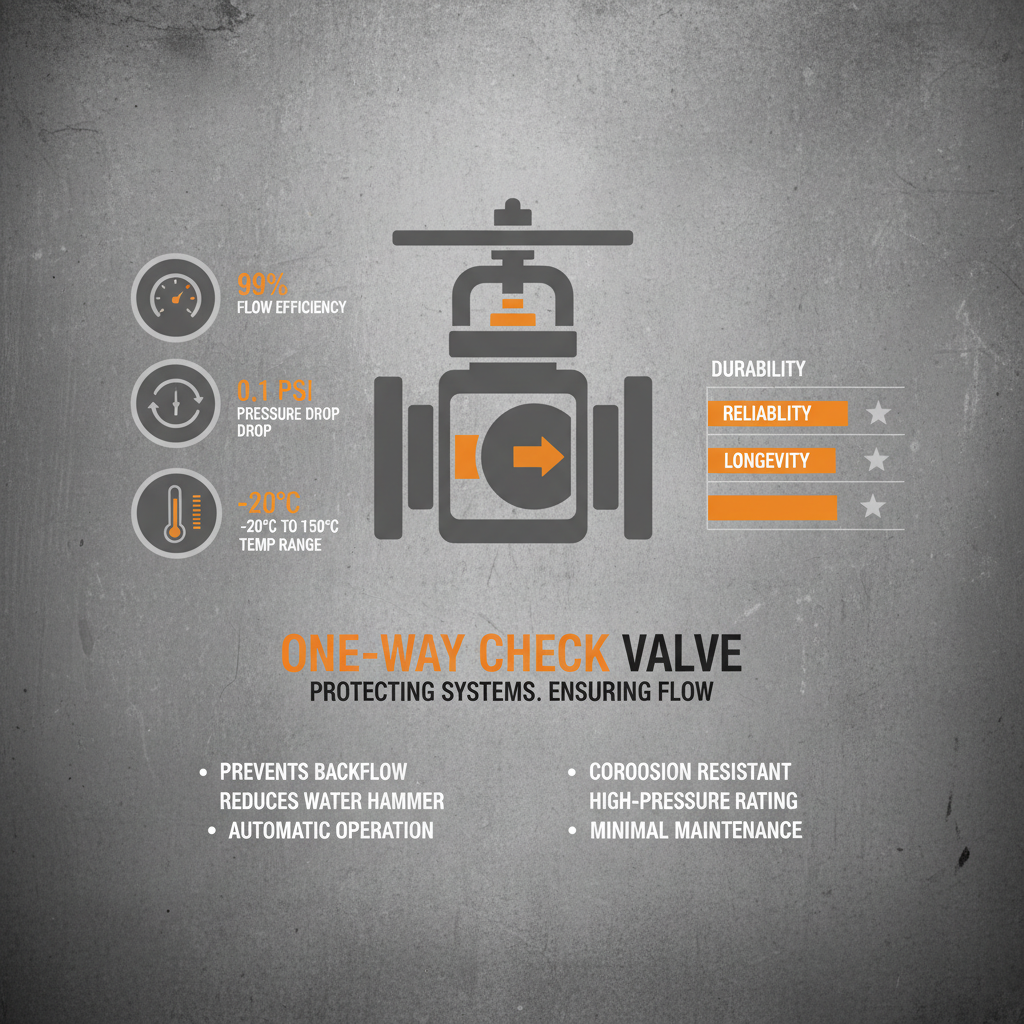
Check valves are manufactured from a variety of materials to suit different fluid handling needs. Common materials include brass, stainless steel, PVC, and polypropylene. Brass valves are suitable for water and compressed air, while stainless steel offers excellent corrosion resistance for aggressive chemicals. PVC and polypropylene are ideal for low-pressure applications involving corrosive fluids. Selecting the correct material ensures compatibility with the fluid, prevents corrosion, and extends the valve's lifespan. Consult material compatibility charts to verify suitability for your specific application.
Conclusion: Ensuring Reliable Fluid Flow with the Right Check Valve
Selecting the appropriate one way check valve is paramount for maintaining the integrity and efficiency of any fluid system. By understanding the different types, mechanisms, and material options, you can make an informed decision that optimizes performance and minimizes downtime. STR Machinery offers a comprehensive range of check valves to meet diverse application needs. Don’t compromise on fluid system reliability – choose quality and expertise.
Frequently Asked Questions (FAQs)
What is the 'cracking pressure' of a check valve?
The cracking pressure is the minimum upstream pressure required to overcome the valve's spring force (if any) and cause it to open. It's a crucial parameter for ensuring the valve operates correctly in low-flow or low-pressure systems. A valve with a cracking pressure too high won't open at the desired flow rate, while one with a cracking pressure too low might chatter or leak. Selecting a valve with an appropriate cracking pressure for your application is essential for stable and reliable operation.
How do I prevent a check valve from chattering?
Chattering, or rapid opening and closing of the valve, can be caused by several factors, including low flow rates, pressure fluctuations, or improper valve selection. Ensuring sufficient upstream pressure, choosing a valve specifically designed for low-flow applications, or installing a flow control device can help mitigate chattering. Using a valve with a dampener can also reduce noise and wear. Regular inspection and maintenance are also crucial for identifying and addressing potential causes of chattering.
What maintenance is required for one way check valves?
Check valves generally require minimal maintenance, but regular inspection is vital. Check for debris buildup, corrosion, or damage to the valve's internal components. Periodic cleaning may be necessary, especially in systems handling dirty fluids. For valves with elastomers (like diaphragms), inspect for wear and tear and replace as needed. Following the manufacturer's recommendations for maintenance schedules will help ensure long-term reliable performance.
Can a check valve be installed in any orientation?
Not all check valves can be installed in any orientation. Some designs, like swing check valves, are specifically designed for horizontal or vertical pipeline installations. Others, such as lift check valves, are less sensitive to orientation. Always refer to the manufacturer’s instructions to ensure correct installation and optimal performance. Incorrect orientation can lead to reduced flow, premature wear, or even valve failure.
-
Industrial Water Valve Replacement and Precision Maintenance GuideNews04 . Fri, 2026
-
Industrial Carbon Steel Check Valve Guide for Piping SystemsNews04 . Thu, 2026
-
Industrial Guide to Selecting a High Quality butterfly check valveNews04 . Thu, 2026
-
Choosing a Reliable Valve Supplier for Optimal Industrial PerformanceNews04 . Wed, 2026
-
Understanding the Functionality and Applications of a Balon Check ValveNews04 . Tue, 2026
-
Leading Valve Manufacturer Providing Precision Engineered SolutionsNews04 . Mon, 2026
Related PRODUCTS