

Mar . 17, 2026 02:45 Back to list
Understanding Check Valves A Comprehensive Guide to Types and Applications
Understanding a Check Valve: A Comprehensive Guide
A check valve is a critical component in many fluid systems, designed to prevent backflow and maintain directional flow. These valves are essential in a wide range of industries, from water treatment and oil & gas to manufacturing and agriculture. This article will delve into the workings, types, applications, and selection criteria of check valves, providing a comprehensive overview for engineers, technicians, and anyone involved in fluid handling systems. Choosing the right check valve can significantly improve the efficiency and reliability of your operation.
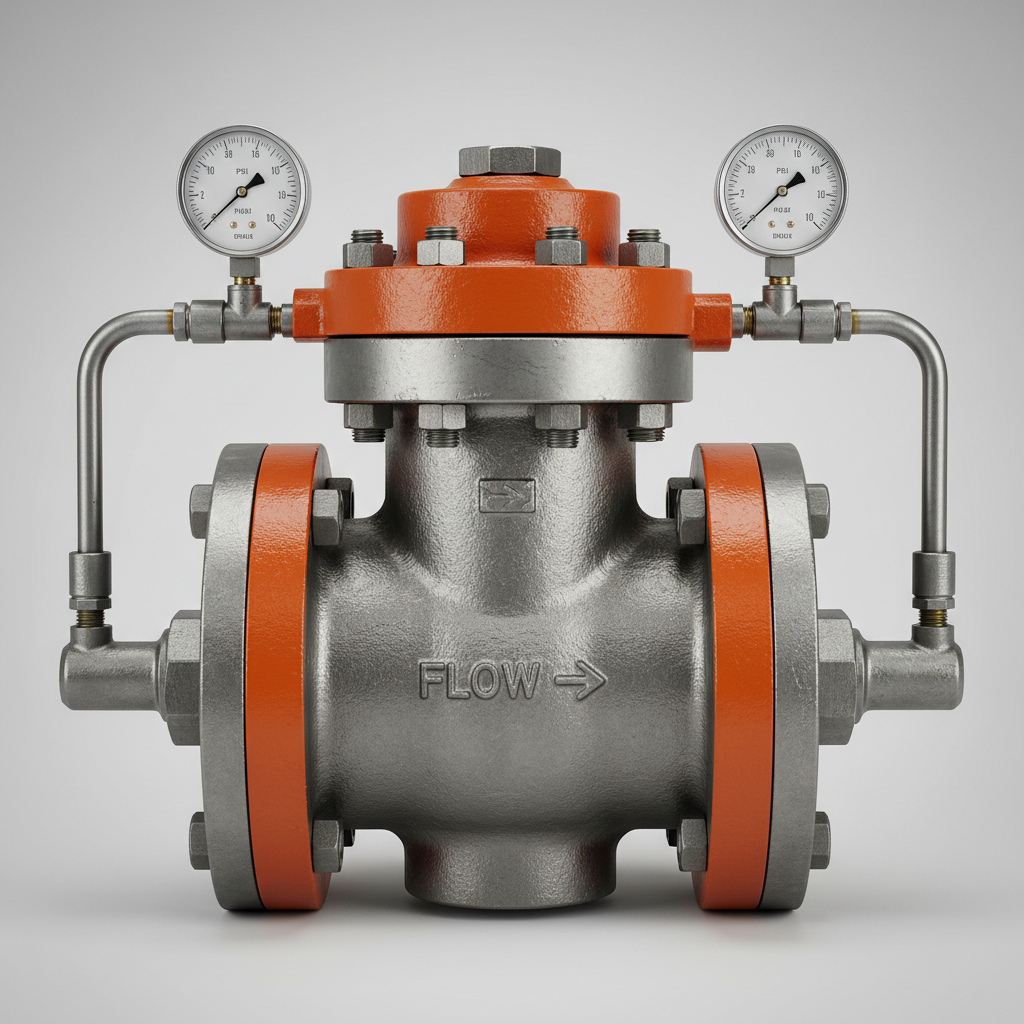
How Does a Check Valve Work?
At its core, a check valve operates on a simple principle: it allows fluid to flow in one direction while automatically preventing flow in the reverse direction. This is typically achieved using a disc, ball, or swing mechanism that is pushed open by the forward flow and then sealed shut by the fluid pressure or gravity when flow attempts to reverse. This automatic operation requires no external control, making check valves reliable and efficient. The purpose of a check valve is to protect pumps, compressors, and other sensitive equipment from damage caused by backflow, and to maintain system pressure and efficiency.
Key Benefits: Automatic operation, preventing backflow, protecting equipment, maintaining system pressure and efficiency.
Types of Check Valves
There are several types of check valves, each suited for specific applications and fluid characteristics. Some of the most common include:
- Swing Check Valve: Uses a hinged disc that swings open with flow and closes against a seat to prevent backflow.
- Lift Check Valve: Employs a disc that lifts off its seat with forward flow and settles back down to seal when flow reverses.
- Ball Check Valve: Utilizes a ball seated within the valve body, allowing flow when lifted by pressure and sealing when flow stops.
- Diaphragm Check Valve: Features a flexible diaphragm that opens with forward flow and closes to prevent backflow.
The selection of the right type depends on factors such as fluid viscosity, pressure, temperature, and the presence of solids in the fluid stream. STR Machinery offers a diverse range of check valves to meet various industrial needs.
Common Check Valve Types:
• Swing Check Valve
• Lift Check Valve
• Ball Check Valve
• Diaphragm Check Valve
Choosing the Right Check Valve for Your Application
Selecting the appropriate check valve requires careful consideration of several key factors. Fluid compatibility is crucial – the valve material must be resistant to corrosion and degradation from the fluid being handled. Pressure and temperature ratings must also be considered to ensure the valve can withstand the operating conditions. The flow rate and fluid viscosity will influence the valve size and type. Furthermore, the presence of solids in the fluid may necessitate a valve design that can handle particulate matter without clogging. A check valve selection guide can be invaluable in this process.
Applications of Check Valves in Various Industries
Check valves are integral to numerous industrial processes. In water and wastewater treatment, they prevent backflow contamination in pipelines. In the oil and gas industry, they protect pumps and compressors from reverse flow during pipeline maintenance. Manufacturing facilities utilize check valves in coolant systems and chemical processing. Agriculture benefits from their use in irrigation systems to maintain water pressure. The versatility and reliability of check valves make them a staple in a vast array of applications.
Materials and Specifications for Check Valves
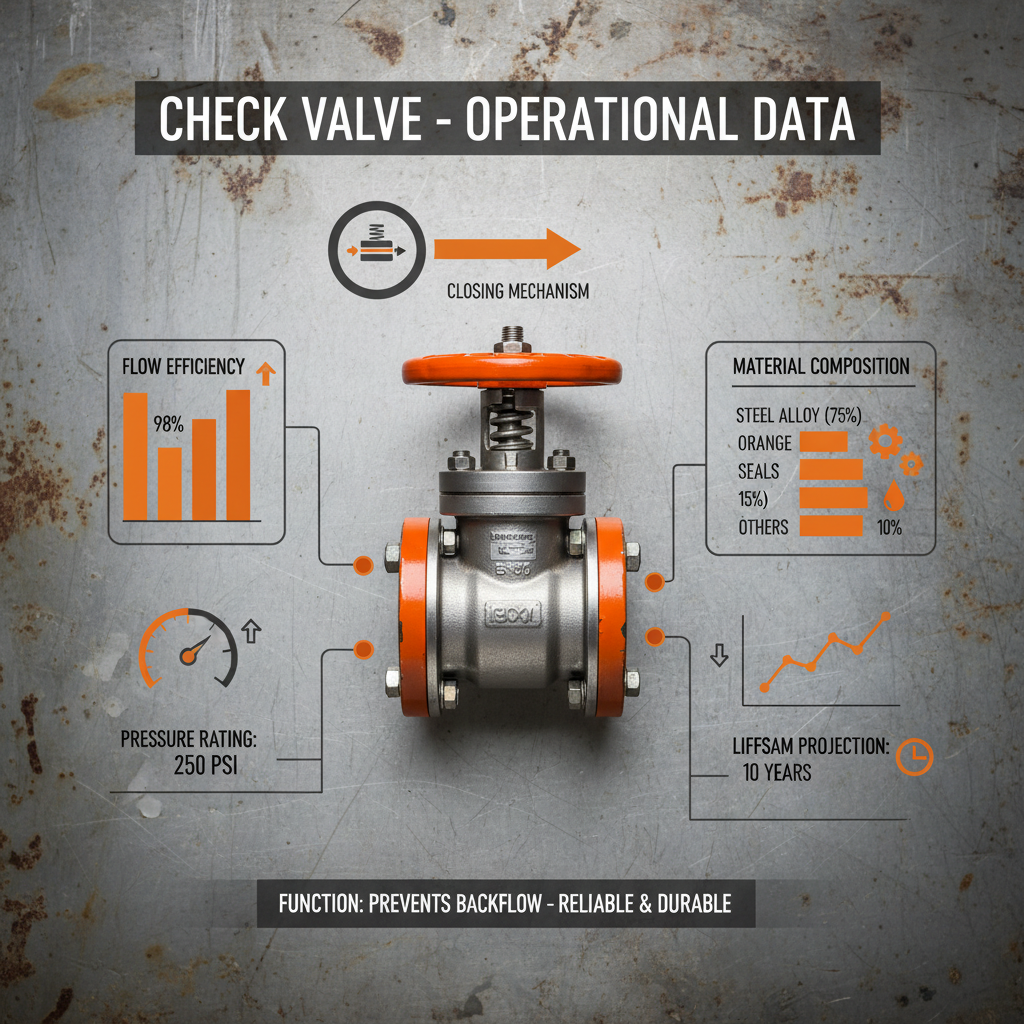
Check valves are available in a wide range of materials to suit different fluid types and operating conditions. Common materials include:
- Brass: Suitable for water and some chemicals.
- Stainless Steel: Highly corrosion-resistant, ideal for aggressive fluids.
- PVC & CPVC: Lightweight and chemically resistant, used in lower-pressure applications.
- Cast Iron: Durable and cost-effective, used in many industrial applications.
Specifications to consider include pressure ratings (PSI), temperature limits (°F/°C), connection types (threaded, flanged, socket weld), and applicable standards (ANSI, DIN). STR Machinery provides detailed specifications for all its check valves.
Conclusion: Ensuring Fluid System Integrity with Check Valves
Selecting and implementing the correct check valve is vital for maintaining the integrity and efficiency of any fluid handling system. By understanding the different types, application requirements, and material considerations, you can ensure reliable performance and prevent costly downtime. STR Machinery is your trusted partner for high-quality check valves and expert technical support.
Frequently Asked Questions (FAQs)
What is the difference between a swing check valve and a lift check valve?
Swing check valves utilize a disc hinged to swing open with flow, offering lower pressure drop, while lift check valves use a disc that lifts vertically off its seat. Swing check valves are generally preferred for slower flow rates and cleaner fluids as they can be prone to water hammer. Lift check valves are better suited for high-velocity flows and fluids containing solids, as the disc is less likely to slam shut. The best choice depends on your specific application and fluid characteristics.
What materials are check valves typically made from?
Check valves are manufactured from a variety of materials, including brass, stainless steel, PVC, CPVC, and cast iron. Brass is suitable for water and some chemicals, while stainless steel offers excellent corrosion resistance for aggressive fluids. PVC and CPVC are lightweight and chemically resistant, but are typically used in lower-pressure applications. Cast iron provides durability and cost-effectiveness. The selection of material should be based on fluid compatibility, pressure, temperature, and budget constraints.
How do I determine the correct size check valve for my application?
Determining the correct size requires considering the flow rate and pipe diameter. The check valve's flow coefficient (Cv) should be sufficient to handle the maximum flow rate without causing excessive pressure drop. Consult the manufacturer's specifications or utilize sizing charts to select the appropriate valve size based on your system's requirements. Incorrect sizing can lead to reduced efficiency or valve malfunction.
What maintenance is required for check valves?
Check valves typically require minimal maintenance, but regular inspection is crucial. Check for signs of wear, corrosion, or damage to the disc and seat. Ensure the valve operates smoothly and seals properly. Periodic cleaning may be necessary to remove debris or buildup. Lubrication may also be recommended for some valve types. Following the manufacturer's maintenance guidelines will ensure long-term reliability.
-
Industrial Water Valve Replacement and Precision Maintenance GuideNews04 . Fri, 2026
-
Industrial Carbon Steel Check Valve Guide for Piping SystemsNews04 . Thu, 2026
-
Industrial Guide to Selecting a High Quality butterfly check valveNews04 . Thu, 2026
-
Choosing a Reliable Valve Supplier for Optimal Industrial PerformanceNews04 . Wed, 2026
-
Understanding the Functionality and Applications of a Balon Check ValveNews04 . Tue, 2026
-
Leading Valve Manufacturer Providing Precision Engineered SolutionsNews04 . Mon, 2026
Related PRODUCTS