

Mar . 14, 2026 02:45 Back to list
Comprehensive Guide to 8mm Check Valves Applications and Selection
Understanding 8mm Check Valves: A Comprehensive Guide
Check valves are critical components in many fluid handling systems, ensuring unidirectional flow and preventing backflow. Among the various sizes, the 8mm check valve stands out for its applications in precision instruments, small pumps, and medical devices. This article delves into the functionality, types, applications, and selection criteria for 8mm check valves, providing valuable insights for engineers, technicians, and anyone involved in fluid control systems. Understanding these valves is essential for maintaining system efficiency and preventing damage caused by fluid reversal.
What is an 8mm Check Valve and How Does It Work?
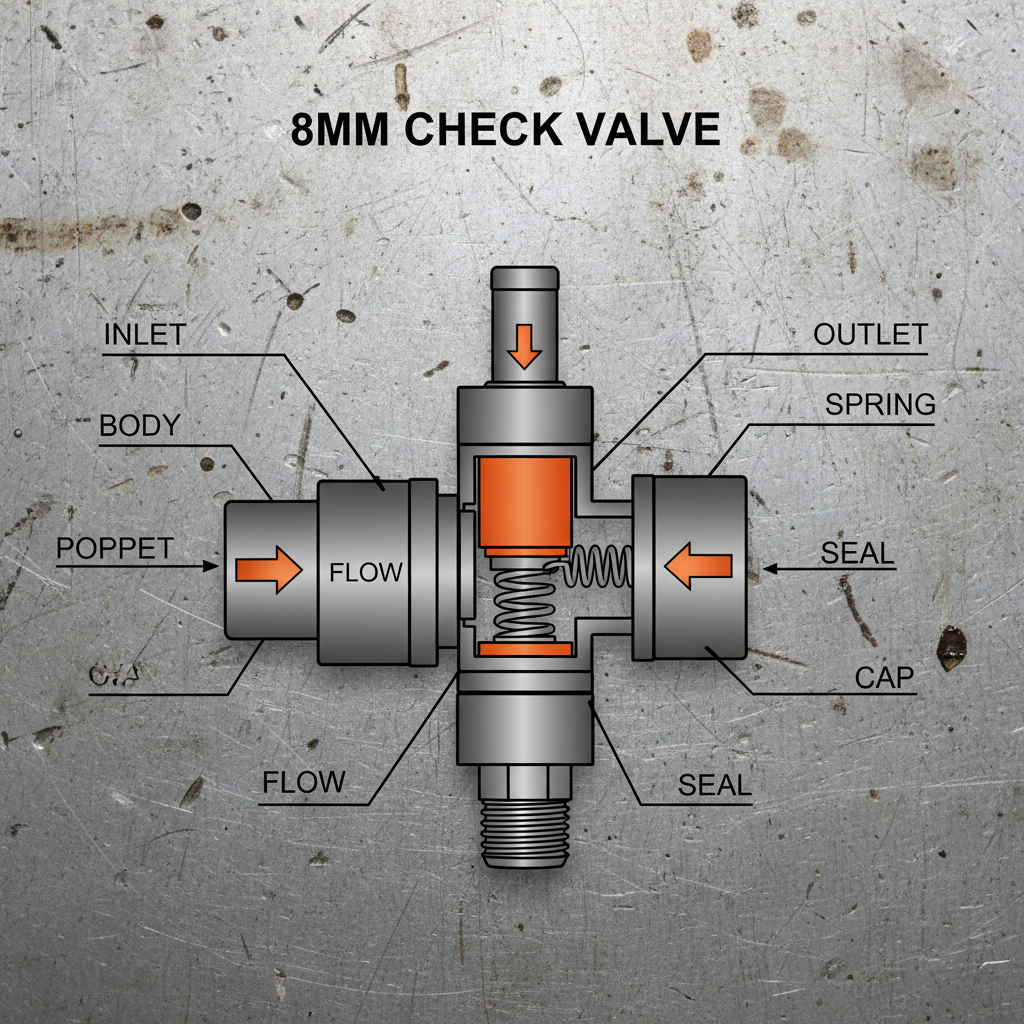
An 8mm check valve is a small-scale valve designed to allow fluid flow in only one direction. The ‘8mm’ refers to the valve's connection size, typically the outer diameter of the tube or fitting it connects to. These valves operate automatically, opening when pressure is applied in the intended flow direction and closing when pressure reverses. This is achieved through various internal mechanisms, like a spring-loaded poppet, a ball, or a diaphragm. The basic principle relies on pressure differential—higher pressure on the inlet side overcomes the spring force (or gravity/fluid force) and opens the valve, while reverse pressure forces the internal component to seal, blocking the flow. STR Machinery specializes in providing high-quality 8mm check valves for diverse applications.
Key Highlights: Automatically prevents backflow, ensuring unidirectional fluid movement. Compact size makes them ideal for small-scale applications.
Types of 8mm Check Valves
Several types of 8mm check valves cater to different fluid types, pressure requirements, and application needs. The most common include:
- Ball Check Valves: Utilize a ball seated against an orifice. Simple and cost-effective, suitable for lower pressure applications.
- Poppet Check Valves: Employ a spring-loaded poppet that opens and closes against a seat. Offer quick response times and better sealing.
- Diaphragm Check Valves: Use a flexible diaphragm to control flow. Ideal for corrosive fluids and applications requiring minimal dead volume.
- Swing Check Valves: Feature a hinged disc (swing) that opens with forward flow and swings shut to prevent backflow. Best for low-pressure, non-pulsating flows.
The choice depends largely on the specific application and the properties of the fluid being handled.
Valve Type Comparison:
• Ball Check Valves: Low cost, simple design, lower pressure rating.
• Poppet Check Valves: Fast response, good sealing, moderate pressure rating.
• Diaphragm Check Valves: Corrosive fluid compatibility, low dead volume, low pressure rating.
• Swing Check Valves: Low pressure, non-pulsating flow, minimal pressure drop.
Applications of 8mm Check Valves
The compact size and reliable functionality of 8mm check valves make them suitable for a broad range of applications, including:
- Medical Devices: In infusion pumps, blood oxygenators, and diagnostic equipment to ensure precise fluid control and prevent back contamination.
- Precision Instruments: Used in analytical instruments, microfluidic devices, and laboratory equipment where accurate flow control is essential.
- Small Pumps: Protect small pumps from damage caused by backflow, extending their lifespan and ensuring consistent performance.
- Fuel Systems: Prevents fuel backflow in small engine fuel lines.
- Automotive Applications: In coolant systems and windshield washer systems.
The demand for miniature, reliable fluid control solutions continues to drive the use of these valves in diverse industries.
Selecting the Right 8mm Check Valve
Choosing the optimal 8mm check valve requires considering several factors. First, fluid compatibility is paramount. Ensure the valve's materials (body, seal) are compatible with the fluid being handled to prevent corrosion or degradation. Second, pressure rating should exceed the maximum system pressure. Third, flow rate requirements influence valve size and type. Finally, consider the temperature range of the application and choose a valve designed to withstand those temperatures. Contacting a specialist like STR Machinery can assist in selecting the ideal valve for your specific needs.
Conclusion: Ensuring Reliable Fluid Control
The 8mm check valve is a vital component for maintaining system integrity in a wide variety of applications. By understanding the different types, applications, and selection criteria, you can ensure reliable fluid control and prevent costly issues. Choosing a reputable supplier like STR Machinery guarantees you receive high-quality valves designed for optimal performance and longevity.
Frequently Asked Questions (FAQs)
What materials are commonly used in 8mm check valves?
Common materials include brass, stainless steel, polypropylene, and PTFE (Teflon). Brass is frequently used for general-purpose applications, while stainless steel offers superior corrosion resistance. Polypropylene and PTFE are ideal for handling aggressive chemicals. The choice depends on the fluid being handled and the operating environment. The seal material is also important, with options like Viton, EPDM, and silicone providing compatibility with various fluids and temperatures.
What is the typical pressure rating for an 8mm check valve?
The pressure rating varies depending on the valve type and material. Typically, 8mm check valves can handle pressures ranging from a few PSI to several hundred PSI. Ball check valves generally have lower pressure ratings than poppet or diaphragm valves. It’s crucial to select a valve with a pressure rating that exceeds the maximum system pressure to ensure safe and reliable operation. Always consult the valve's specifications sheet for accurate pressure limits.
How can I prevent clogging in an 8mm check valve?
Preventing clogging involves proper filtration of the fluid before it enters the valve. Installing a strainer or filter upstream of the valve can remove particulate matter that could cause blockage. Additionally, selecting a valve with a larger flow path can reduce the likelihood of clogging. Regular inspection and cleaning of the valve are also recommended, particularly in applications involving fluids with suspended solids.
-
Industrial Water Valve Replacement and Precision Maintenance GuideNews04 . Fri, 2026
-
Industrial Carbon Steel Check Valve Guide for Piping SystemsNews04 . Thu, 2026
-
Industrial Guide to Selecting a High Quality butterfly check valveNews04 . Thu, 2026
-
Choosing a Reliable Valve Supplier for Optimal Industrial PerformanceNews04 . Wed, 2026
-
Understanding the Functionality and Applications of a Balon Check ValveNews04 . Tue, 2026
-
Leading Valve Manufacturer Providing Precision Engineered SolutionsNews04 . Mon, 2026
Related PRODUCTS