

Mar . 09, 2026 02:45 Back to list
Understanding the Functionality and Applications of a 6mm Check Valve
Understanding the Functionality of a 6mm Check Valve
A 6mm check valve is a crucial component in many fluid handling systems, particularly those dealing with low-flow applications. These valves are designed to allow fluid to flow in only one direction, preventing backflow and protecting sensitive equipment. Selecting the right check valve is critical for ensuring system efficiency and longevity. This article provides an in-depth look at 6mm check valves, covering their applications, types, materials, and considerations for choosing the best valve for your needs. Proper understanding of these valves will improve system performance and reduce maintenance costs.

Key Applications of 6mm Check Valves
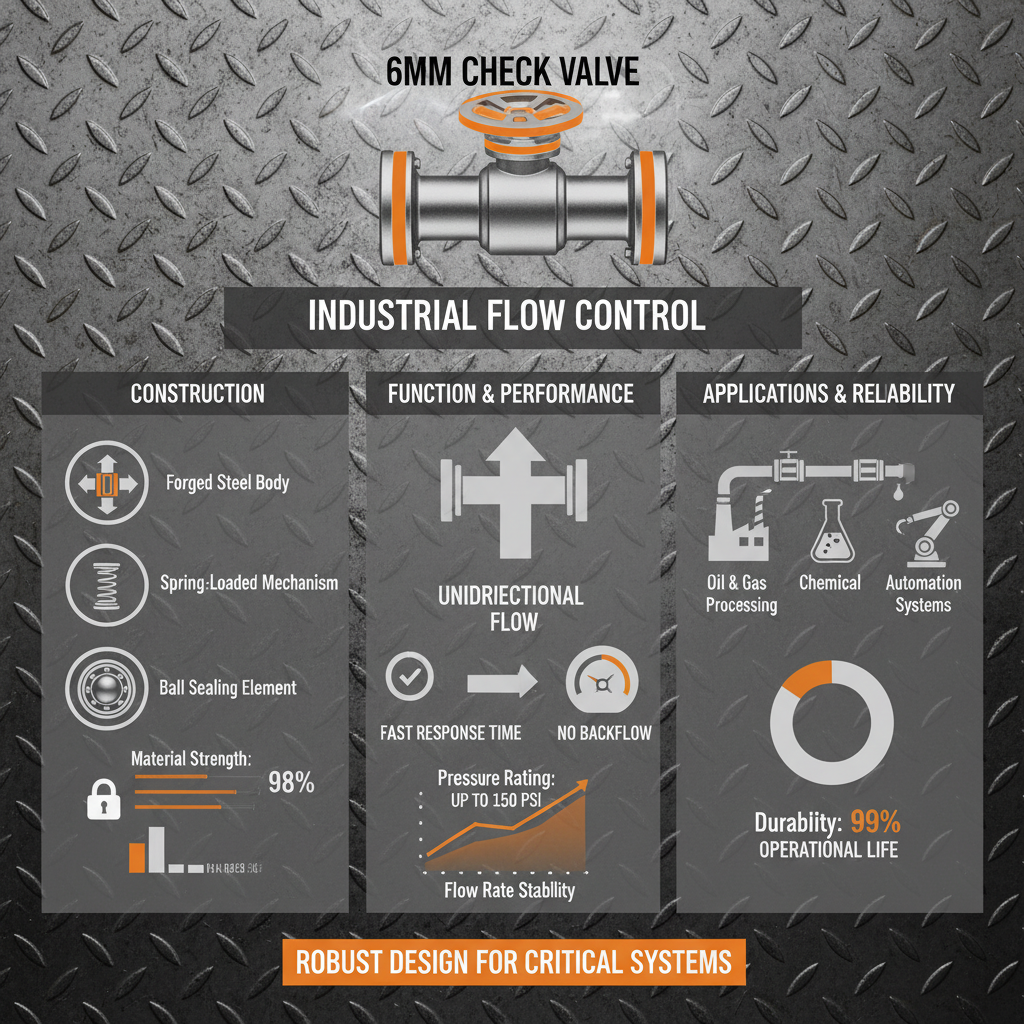
6mm check valves find widespread use across various industries. They are commonly used in small pump systems, fuel lines, irrigation systems, and analytical instruments. In medical devices, they ensure precise fluid control. Automotive applications benefit from their role in preventing fuel backflow. Their compact size and reliable operation make them ideal for applications where space is limited and consistent performance is required. These valves are often found in laboratory equipment, ensuring accurate sample delivery, and in small-scale chemical processing systems. Properly installed, a 6mm check valve is a critical component for optimizing fluid flow and maintaining system integrity.
Key Highlights: Essential for preventing backflow in low-flow systems, offering reliable operation in diverse applications, and contributing to increased system efficiency.
Types of 6mm Check Valves
Several types of 6mm check valves are available, each suited for different applications and fluid characteristics. The most common types include ball check valves, swing check valves, and diaphragm check valves. Ball check valves utilize a ball that seats against an orifice to prevent backflow, providing a tight seal. Swing check valves employ a hinged disc that swings open with forward flow and closes to prevent backflow. Diaphragm check valves use a flexible diaphragm to control flow. The choice depends on factors like fluid viscosity, pressure, and the required response time. Selecting the right type is essential for optimal performance and preventing premature failure.
Check Valve Type Comparison:
• Ball Check Valve: Tight seal, suitable for clean fluids.
• Swing Check Valve: Good for moderate flow rates, minimal pressure drop.
• Diaphragm Check Valve: Ideal for corrosive fluids and high-purity applications.
Material Considerations for 6mm Check Valves
The material of a 6mm check valve is critical for ensuring compatibility with the fluid being handled. Common materials include brass, stainless steel, plastic (such as PP or PVC), and PTFE. Brass valves are suitable for water and air, while stainless steel offers excellent corrosion resistance for a wider range of fluids. Plastic valves are lightweight and cost-effective for less demanding applications. PTFE seals provide exceptional chemical resistance. Selecting the appropriate material is crucial for preventing corrosion, contamination, and valve failure.
Selecting the Right 6mm Check Valve for Your Application
Choosing the correct 6mm check valve involves careful consideration of several factors. First, assess the fluid's compatibility with potential valve materials. Next, determine the required flow rate and pressure. Consider the fluid's viscosity – higher viscosity fluids may require a different valve type. Also, evaluate the operating temperature and any potential for corrosion. Finally, ensure the valve meets any relevant industry standards or regulations. SR Machinery’s experienced team can assist you in selecting the ideal 6mm check valve for your specific needs.
Conclusion: Ensuring Reliable Fluid Control with 6mm Check Valves
Investing in a high-quality 6mm check valve from a reputable supplier like SR Machinery is essential for maintaining the efficiency and reliability of your fluid handling systems. By carefully considering the factors outlined in this article, you can select the optimal valve for your application, minimizing downtime and maximizing performance. Don’t compromise on quality – choose a valve that will deliver consistent, dependable operation for years to come.
Frequently Asked Questions (FAQs)
What is the typical pressure rating for a 6mm check valve?
The pressure rating of a 6mm check valve varies depending on the material and design. Typically, they range from a few PSI to several hundred PSI. It’s crucial to select a valve with a pressure rating that exceeds the maximum operating pressure of your system. Using a valve with an insufficient pressure rating can lead to failure and potential safety hazards. Always consult the valve's specifications sheet to confirm its pressure limits. SR Machinery provides detailed specifications for all our valves.
How do I determine the correct flow rate for my application?
Determining the correct flow rate involves calculating the volume of fluid that needs to pass through the valve per unit of time. This depends on the system's requirements and the characteristics of the fluid. Consider factors like pump capacity, pipe diameter, and fluid viscosity. Check valve manufacturers often provide flow rate charts or tools to help you select the appropriate valve size. Ensure the valve's flow capacity is sufficient to handle the required flow rate without causing excessive pressure drop.
What maintenance is required for a 6mm check valve?
Regular inspection is the primary maintenance requirement for 6mm check valves. Check for any signs of corrosion, leakage, or damage to the valve body and seals. Periodically clean the valve to remove any debris or build-up that could impede its operation. Depending on the fluid being handled, periodic replacement of the seals may be necessary. Following the manufacturer’s recommendations for maintenance will help ensure long-term reliability.
Can a 6mm check valve be used with corrosive fluids?
Yes, but the material of the valve must be compatible with the corrosive fluid. Stainless steel, PTFE, and certain plastic materials (like PVDF) are commonly used for handling corrosive fluids. It’s important to consult a chemical compatibility chart to ensure the valve material is resistant to the specific fluid being used. Using an incompatible material can lead to corrosion, valve failure, and potential hazards.
-
Industrial Water Valve Replacement and Precision Maintenance GuideNews04 . Fri, 2026
-
Industrial Carbon Steel Check Valve Guide for Piping SystemsNews04 . Thu, 2026
-
Industrial Guide to Selecting a High Quality butterfly check valveNews04 . Thu, 2026
-
Choosing a Reliable Valve Supplier for Optimal Industrial PerformanceNews04 . Wed, 2026
-
Understanding the Functionality and Applications of a Balon Check ValveNews04 . Tue, 2026
-
Leading Valve Manufacturer Providing Precision Engineered SolutionsNews04 . Mon, 2026
Related PRODUCTS