

Mar . 04, 2026 03:15 Back to list
Comprehensive Guide to 50mm Check Valves for Efficient Fluid Systems
Understanding 50mm Check Valves: A Comprehensive Guide
Check valves are essential components in various fluid handling systems, preventing backflow and ensuring efficient operation. Among the different sizes available, the 50mm check valve stands out as a popular choice for a wide range of applications. This article provides a detailed overview of 50mm check valves, covering their working principles, types, applications, material options, and selection considerations. Understanding these aspects is crucial for engineers, procurement specialists, and anyone involved in fluid system design. Choosing the right check valve ensures system reliability, prevents damage, and optimizes performance.
How Does a 50mm Check Valve Work?
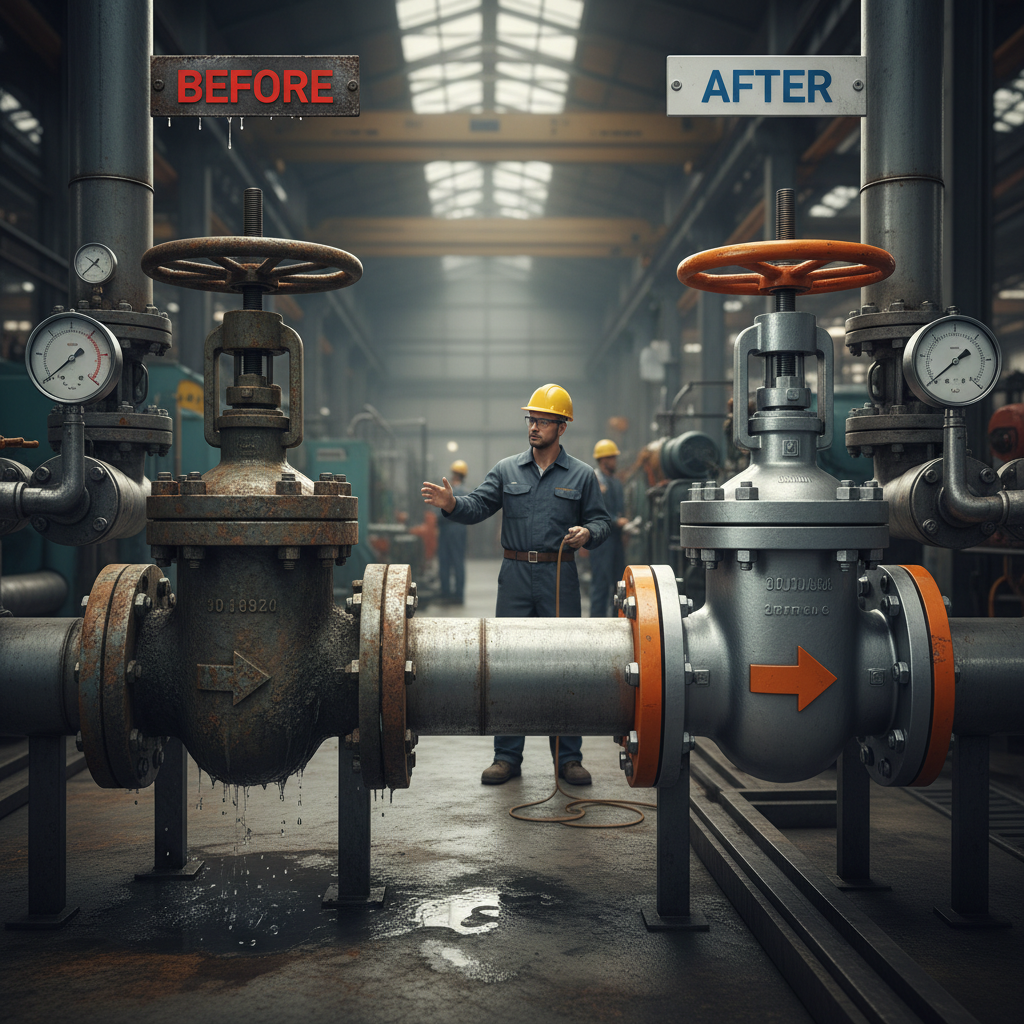
A 50mm check valve is a relatively simple device with a crucial function. It allows fluid to flow in only one direction and automatically prevents backflow. This is achieved through the use of an internal mechanism, typically a disc, ball, or swing, that opens with forward flow and closes with reverse flow. The size – 50mm – refers to the diameter of the valve's port, dictating the maximum flow rate it can handle. These valves are essential for protecting pumps, compressors, and other equipment from damage caused by reverse flow. Their automatic operation requires no external power source, making them reliable and cost-effective.
Key Highlights: Automatically prevents backflow, protects system components, and requires no external power.
Types of 50mm Check Valves
Several types of 50mm check valves are available, each suited for different applications and fluids. Common types include:
- Swing Check Valves: These utilize a hinged disc that swings open with forward flow and closes against a seat to prevent backflow. They are known for minimal pressure drop.
- Lift Check Valves: A disc is lifted off its seat by forward flow, opening the valve. They are suitable for applications with clean fluids.
- Ball Check Valves: A ball is used as the closing element, providing tight shut-off and being effective with fluids containing solids.
- Diaphragm Check Valves: Utilize a flexible diaphragm to control flow, ideal for corrosive or sanitary applications.
The choice of valve type depends on factors such as the fluid’s viscosity, temperature, pressure, and the presence of solids. Understanding these differences is crucial for optimal system performance. Explore the diverse range of check valves at STR Machinery.
50mm Check Valve Applications
The 50mm check valve finds application across a wide spectrum of industries and processes. Here are some common examples:
- Wastewater Treatment: Prevents backflow of treated water into the system.
- Irrigation Systems: Maintains water flow and prevents contamination.
- Chemical Processing: Protects pumps and equipment from corrosive fluids.
- HVAC Systems: Ensures proper circulation of refrigerants and water.
- Oil and Gas Industry: Prevents backflow in pipelines and processing equipment.
Its versatility and reliability make it a critical component in ensuring the efficient and safe operation of these diverse systems.
Application Areas:
• Wastewater Treatment
• Irrigation Systems
• Chemical Processing
• HVAC Systems
Material Options for 50mm Check Valves
The material of a 50mm check valve is critical, dictated by the fluid it will handle. Common materials include:
Selecting the Right 50mm Check Valve
Choosing the right 50mm check valve requires careful consideration of several factors:
- Fluid Type: Determine the chemical compatibility of the valve material.
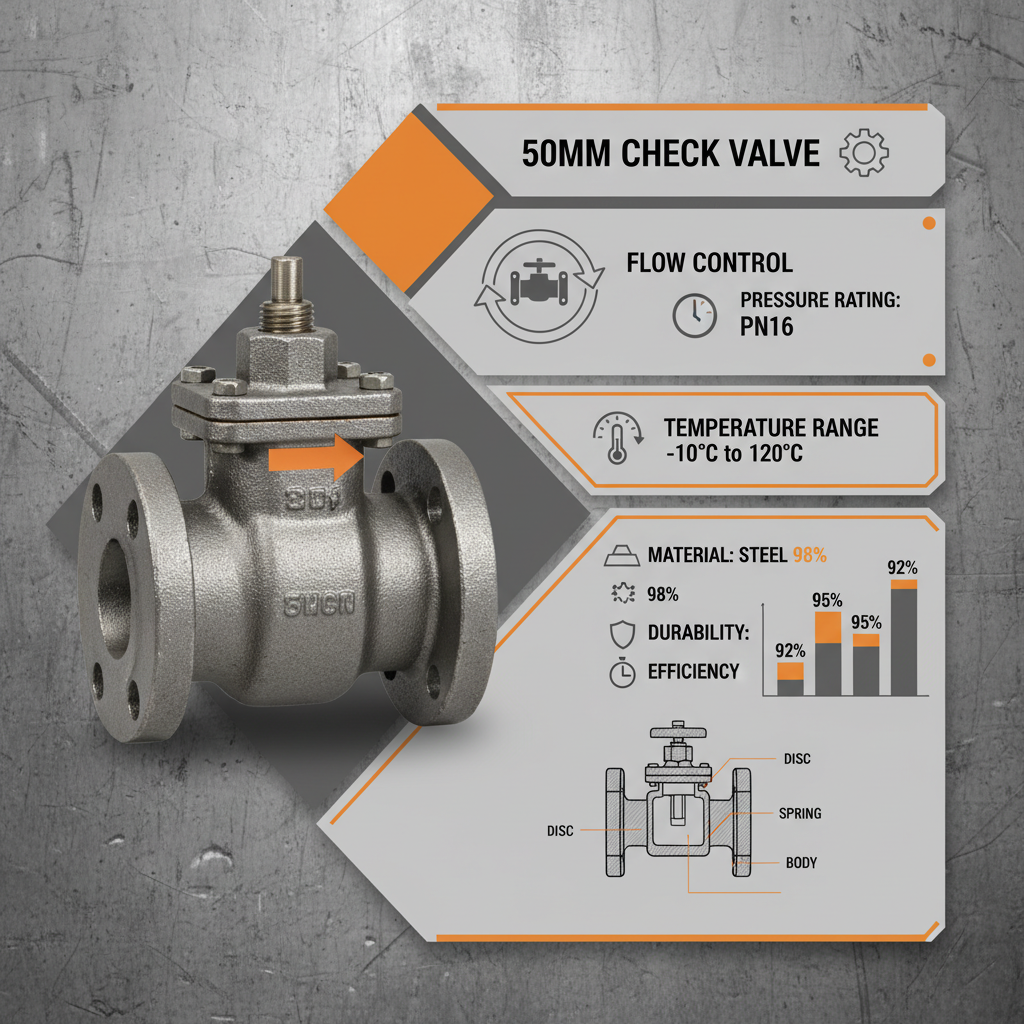
- Pressure and Temperature: Select a valve rated for the system's operating conditions.
- Flow Rate: Ensure the valve’s port size can handle the required flow.
- Valve Type: Choose the type that best suits the fluid and application.
- Connection Type: Select appropriate connections (flanged, threaded, etc.).
Proper selection ensures long-term reliability and prevents costly downtime. STR Machinery offers expert guidance to help you select the optimal 50mm check valve for your needs.
Conclusion: Ensuring System Efficiency with the Right Check Valve
Selecting the appropriate 50mm check valve is paramount for maintaining the integrity and efficiency of any fluid handling system. By considering factors such as fluid compatibility, pressure, temperature, and flow rate, you can ensure optimal performance and prevent costly damage. STR Machinery is dedicated to providing high-quality check valves and expert support to meet your specific requirements. Don't compromise on system reliability – choose the right check valve for your application.
Frequently Asked Questions (FAQs)
What is the typical lifespan of a 50mm check valve?
The lifespan of a 50mm check valve depends heavily on factors like the fluid it handles, operating pressure, and temperature. Generally, with proper maintenance and suitable operating conditions, a well-constructed check valve can last between 5 to 10 years. Regular inspections for wear, corrosion, and leaks are crucial. Valves handling abrasive fluids or operating in extreme conditions will likely require more frequent replacement. Replacing the valve proactively during scheduled maintenance can prevent unexpected failures and system downtime.
How do I determine the correct pressure rating for a 50mm check valve?
The pressure rating of the 50mm check valve must exceed the maximum pressure of the system in which it will be installed. Always consider potential pressure surges or spikes. Refer to the system’s design specifications and safety factors to determine the appropriate pressure rating. It's best to select a valve with a pressure rating that provides a safety margin. Consult the valve manufacturer's specifications to ensure the valve is suitable for the intended pressure range and operating temperature.
What are the benefits of using a stainless steel 50mm check valve?
Stainless steel 50mm check valves offer exceptional corrosion resistance, making them ideal for handling aggressive fluids, including chemicals, saltwater, and acids. They are also durable, capable of withstanding high temperatures and pressures. While typically more expensive than other materials like brass or PVC, stainless steel valves provide a longer service life and reduced maintenance costs in demanding applications. They are commonly used in industries like chemical processing, food and beverage, and marine engineering.
-
Industrial Water Valve Replacement and Precision Maintenance GuideNews04 . Fri, 2026
-
Industrial Carbon Steel Check Valve Guide for Piping SystemsNews04 . Thu, 2026
-
Industrial Guide to Selecting a High Quality butterfly check valveNews04 . Thu, 2026
-
Choosing a Reliable Valve Supplier for Optimal Industrial PerformanceNews04 . Wed, 2026
-
Understanding the Functionality and Applications of a Balon Check ValveNews04 . Tue, 2026
-
Leading Valve Manufacturer Providing Precision Engineered SolutionsNews04 . Mon, 2026
Related PRODUCTS