

Feb . 27, 2026 02:45 Back to list
Comprehensive Guide to 4mm Check Valve Functionality and Applications
Understanding 4mm Check Valves: A Comprehensive Guide
Check valves are crucial components in many fluid handling systems, ensuring flow in only one direction. Among various sizes, the 4mm check valve stands out for its precision and suitability in applications demanding minimal flow restriction. This article dives into the world of 4mm check valves, exploring their function, types, applications, benefits, and where to source high-quality valves. Understanding these valves is key for optimizing system performance and preventing costly backflow issues.
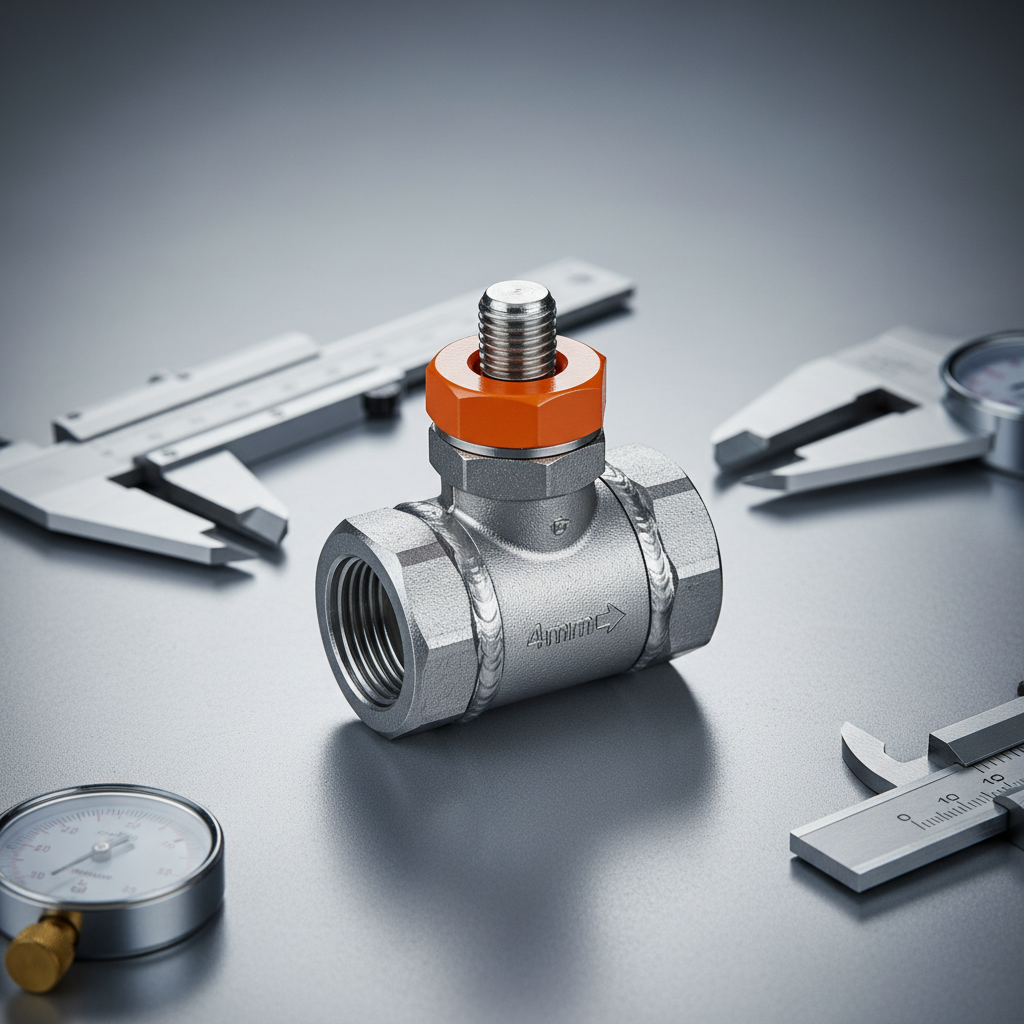
What is a 4mm Check Valve and How Does it Work?
A 4mm check valve is a small-bore valve designed to permit fluid flow in one direction while automatically preventing backflow. These valves operate based on pressure differentials. When the pressure at the inlet is higher than at the outlet, the valve opens, allowing fluid to pass through. Conversely, when the pressure reverses, the valve closes, sealing the flow path. This mechanism is vital for protecting pumps, preventing contamination, and maintaining system integrity. The precise 4mm size makes it ideal for applications needing accurate flow control in compact spaces. STR Machinery offers a range of these precise components.
Key Benefit: Preventing backflow, protecting pumps, and ensuring system efficiency.
Types of 4mm Check Valves
Several types of 4mm check valves cater to different applications and fluid types. The most common include:
- Ball Check Valves: Utilize a ball that seals against a seat. Simple and effective for clean fluids.
- Swing Check Valves: Employ a hinged disc that swings open with flow and closes against gravity. Suitable for moderate flow rates.
- Diaphragm Check Valves: Feature a flexible diaphragm that lifts to allow flow. Excellent for corrosive fluids and high-purity applications.
- Poppet Check Valves: Utilize a poppet that moves linearly to open and close the flow path. Best for high-pressure applications.
Valve Type Comparison:
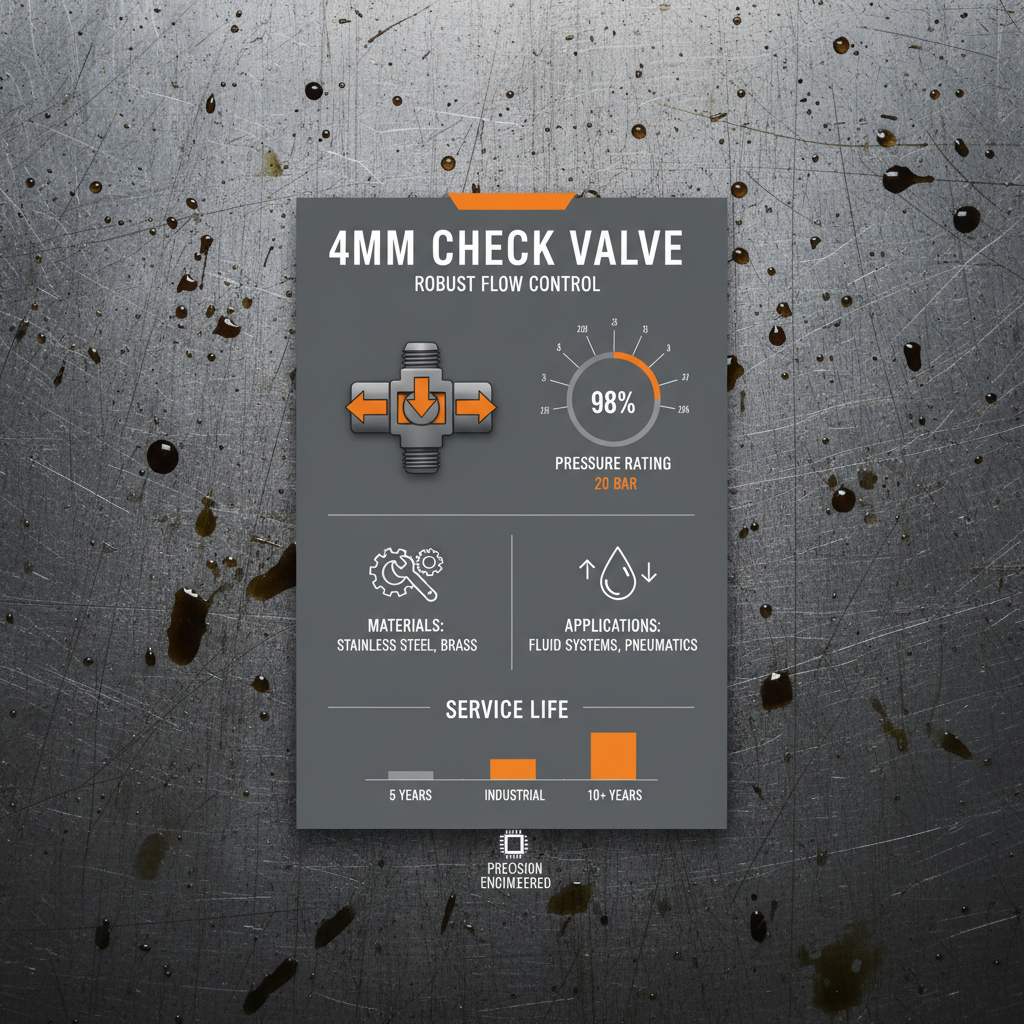
• Ball Valves: Simple, for clean fluids.
• Swing Valves: Moderate flow, gravity-driven.
• Diaphragm Valves: Corrosive fluids, high purity.
• Poppet Valves: High-pressure applications.
Applications of 4mm Check Valves
The compact size and reliable functionality of 4mm check valves make them indispensable in a variety of industries. Common applications include:
- Medical Devices: Precise fluid control in infusion pumps and diagnostic equipment.
- Analytical Instruments: Maintaining accurate flow in chromatography and spectroscopy systems.
- Small Engine Fuel Systems: Preventing fuel backflow in small engines and power equipment.
- Pneumatic Systems: Regulating airflow in compressed air circuits.
- Laboratory Equipment: Controlling fluid transfer in microfluidic devices.
Choosing the Right 4mm Check Valve: Material and Compatibility
Selecting the appropriate material for your 4mm check valve is critical for ensuring longevity and compatibility with the fluid being handled. Common materials include:
Sourcing High-Quality 4mm Check Valves
When purchasing 4mm check valves, prioritize quality and reliability. STR Machinery is a trusted supplier, offering a diverse selection of high-precision 4mm check valves constructed from premium materials. We focus on delivering consistent performance and meeting stringent industry standards. Look for suppliers offering detailed specifications, material certifications, and responsive customer support.
Conclusion: Optimizing Fluid Control with 4mm Check Valves
Investing in the right 4mm check valve is essential for efficient and reliable fluid handling. By understanding the various types, materials, and applications, you can choose the optimal valve for your specific needs. STR Machinery provides high-quality valves and expert guidance to ensure your system operates smoothly and safely.
Frequently Asked Questions (FAQs)
What pressure rating should I look for in a 4mm check valve?
The required pressure rating depends on your system's operating pressure. Always select a valve with a pressure rating that exceeds the maximum expected pressure in your application. Failing to do so can lead to valve failure and potential system damage. Consider a safety factor of at least 2x the operating pressure. Review the valve’s specifications sheet carefully before purchase, as pressure ratings are clearly stated.
What is the typical response time of a 4mm check valve?
The response time of a 4mm check valve – how quickly it opens and closes – varies depending on the valve type and the fluid viscosity. Ball and swing check valves generally have a slower response time than poppet valves. Higher viscosity fluids will also increase response time. For applications requiring rapid switching, a poppet check valve is generally the best choice.
How do I maintain a 4mm check valve?
Regular maintenance is crucial for ensuring long-term performance. Periodically inspect the valve for signs of wear, corrosion, or debris buildup. Clean the valve as needed with a compatible solvent. Avoid using abrasive cleaners that could damage the sealing surfaces. Lubrication may be required depending on the valve type and application; consult the manufacturer’s recommendations.
-
Industrial Water Valve Replacement and Precision Maintenance GuideNews04 . Fri, 2026
-
Industrial Carbon Steel Check Valve Guide for Piping SystemsNews04 . Thu, 2026
-
Industrial Guide to Selecting a High Quality butterfly check valveNews04 . Thu, 2026
-
Choosing a Reliable Valve Supplier for Optimal Industrial PerformanceNews04 . Wed, 2026
-
Understanding the Functionality and Applications of a Balon Check ValveNews04 . Tue, 2026
-
Leading Valve Manufacturer Providing Precision Engineered SolutionsNews04 . Mon, 2026
Related PRODUCTS