

Feb . 25, 2026 02:45 Back to list
Understanding the Functionality of a 4 Swing Check Valve for Fluid Handling
Understanding the Functionality of a 4" Swing Check Valve
In fluid handling systems, ensuring unidirectional flow is critical for optimal performance and preventing damage to equipment. A 4 inch swing check valve plays a vital role in achieving this, automatically allowing flow in one direction while preventing backflow. This article delves into the workings, applications, benefits, and key considerations when selecting a 4" swing check valve for your specific needs. Understanding these factors will help ensure a reliable and efficient fluid handling process.
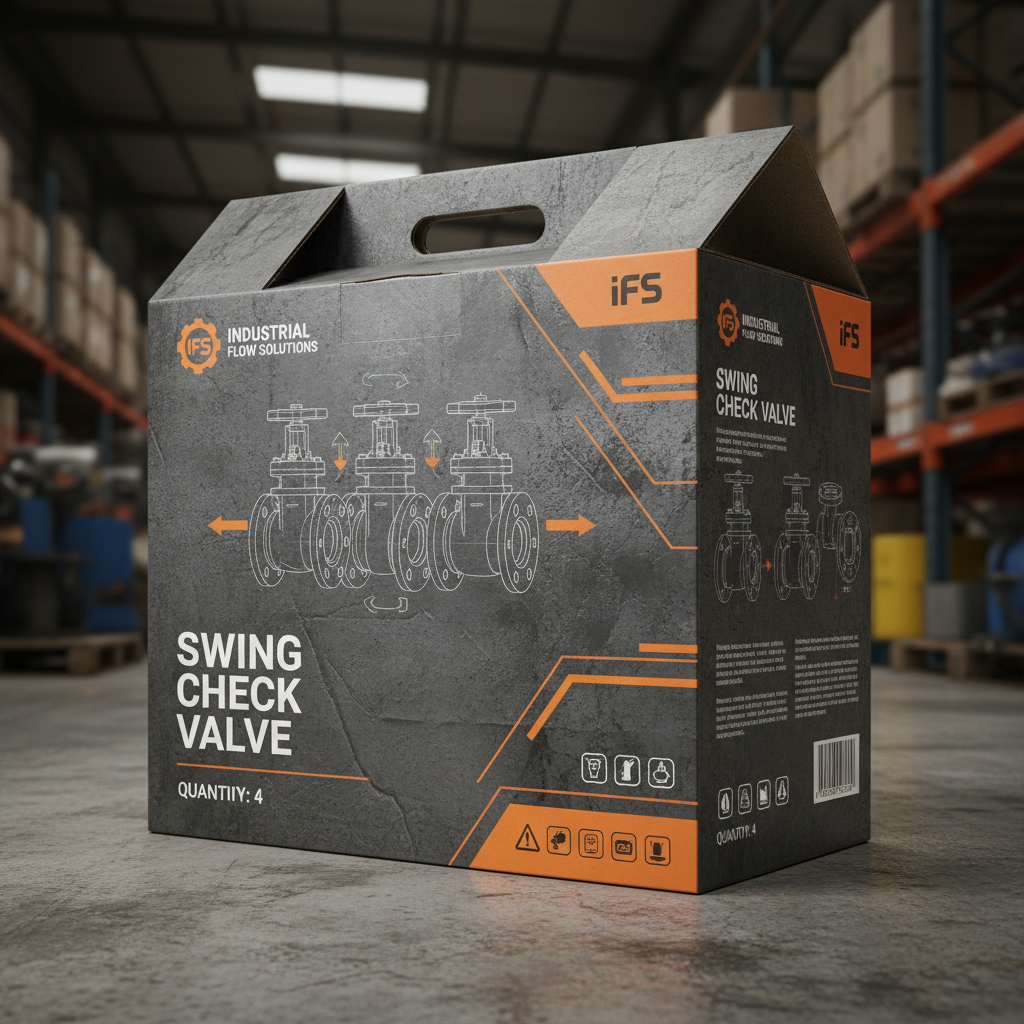
How a 4" Swing Check Valve Works
A 4" swing check valve operates on a simple yet effective principle. It features a disc that swings freely on a hinge. When fluid flows in the intended direction, the momentum of the flow lifts the disc, opening the valve and allowing passage. Conversely, when flow attempts to reverse, the disc swings shut under the force of gravity and the back pressure of the fluid, effectively blocking reverse flow. The "swing" refers to the movement of the disc, allowing for a full, unobstructed flow path when open. This type of valve is favoured for applications where minimal headloss is desired.
Key Highlights: Automatic operation with minimal maintenance. Reliable backflow prevention. Suitable for various fluid types and temperatures.
Applications of 4" Swing Check Valves
4" swing check valves are widely used across numerous industries, including: water treatment facilities, preventing backflow contamination. Wastewater management systems, ensuring efficient and safe waste disposal. Oil and gas pipelines, safeguarding against reverse flow during pump shutdowns. Chemical processing plants, protecting equipment from damaging backflow. Power generation plants, maintaining optimal cooling water flow. Their versatility and reliability make them a cornerstone component in many fluid handling systems.
Common Industry Uses:
• Water and Wastewater Treatment
• Oil and Gas
• Chemical Processing
• Power Generation
4" Swing Check Valve vs. Other Check Valve Types
While several types of check valves exist, the 4" swing check valve offers distinct advantages in certain applications. Compared to lift check valves, swing check valves generally have lower headloss due to their streamlined flow path. Compared to ball check valves, they are often preferred for larger pipe sizes and can handle higher flow rates. However, swing check valves may not be ideal for pulsating flows or applications requiring extremely fast response times. Choosing the right type depends on the specific requirements of the system. You can explore different valve options at STR Machinery.
Key Considerations When Selecting a 4" Swing Check Valve
Choosing the right 4" swing check valve involves considering several factors. Material compatibility with the fluid being handled is paramount to prevent corrosion or contamination. Pressure and temperature ratings must align with the system's operating conditions. The connection type (flanged, threaded, welded) should match the existing piping infrastructure. Finally, ensure the valve meets relevant industry standards and certifications. STR Machinery provides detailed specifications for each valve to facilitate informed decision-making.
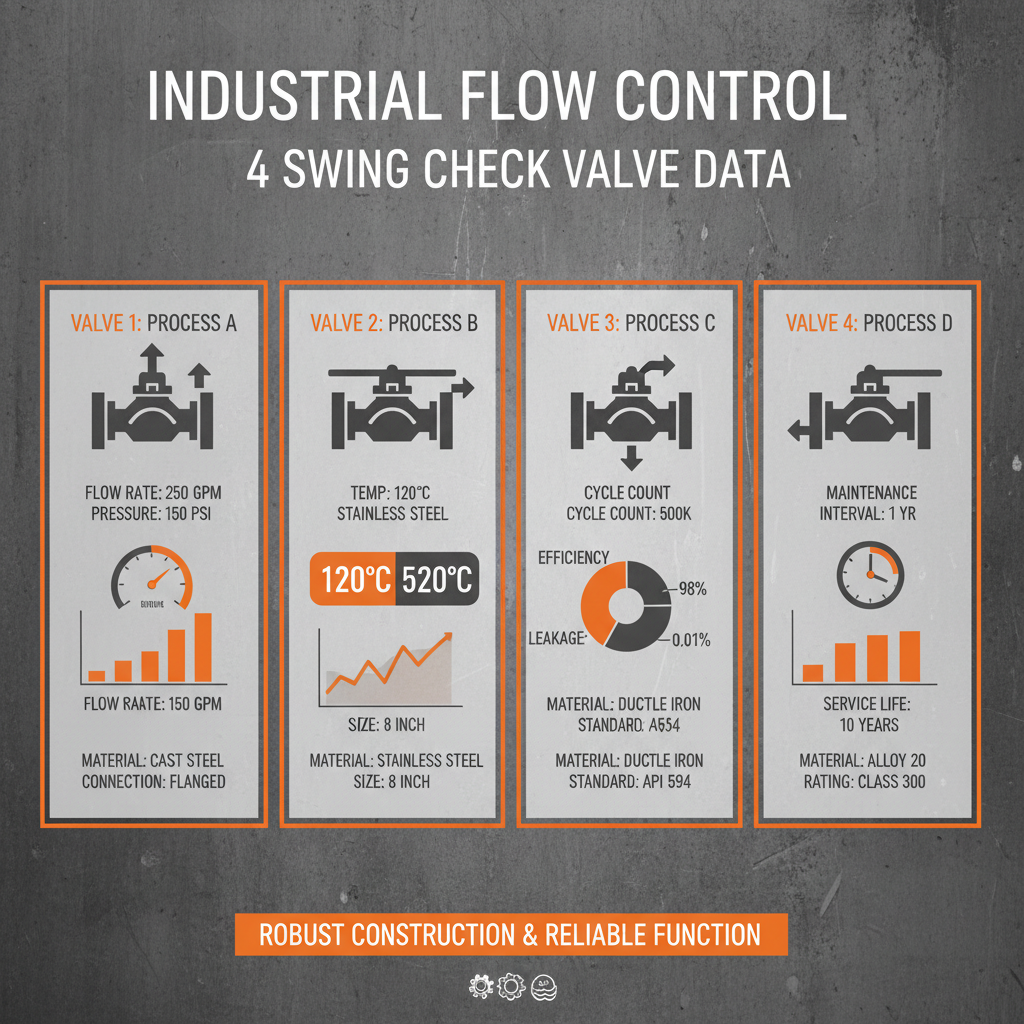
Ensuring Longevity: Maintenance and Inspection
While 4" swing check valves are generally low-maintenance, regular inspection is crucial for optimal performance. Periodically check for wear and tear on the disc and seat, ensuring they seal properly. Inspect the hinge for corrosion or stiffness. Address any leaks or unusual noises promptly. Following the manufacturer's recommended maintenance schedule will significantly extend the valve's lifespan and prevent costly downtime.
Conclusion: Reliable Backflow Prevention with STR Machinery
Choosing the right 4" swing check valve is a vital step in maintaining the efficiency and safety of your fluid handling system. STR Machinery offers a comprehensive range of high-quality valves, backed by expert support and competitive pricing. Investing in a reliable valve from a trusted supplier ensures long-term performance and peace of mind.
Frequently Asked Questions (FAQs)
What materials are 4" swing check valves typically made from?
4" swing check valves are commonly manufactured from materials like cast iron, stainless steel (304, 316), brass, and PVC. The choice of material depends on the fluid being handled and the operating conditions. Stainless steel is often preferred for corrosive fluids, while cast iron is a cost-effective option for water applications. PVC is suitable for lower-pressure systems involving non-corrosive fluids.
What is the typical pressure rating for a 4" swing check valve?
The pressure rating for a 4" swing check valve varies depending on the valve's construction and materials. Common pressure ratings range from 125 PSI to 200 PSI for standard valves. Higher pressure ratings are available for specialized applications. It's crucial to select a valve with a pressure rating that exceeds the maximum operating pressure of the system.
How do I determine the correct size of a swing check valve for my application?
The size of the swing check valve should match the pipe diameter to ensure minimal flow restriction. In this case, you need a 4" valve for a 4" pipe. Consider the flow rate and fluid velocity to ensure the valve can handle the expected flow. Consulting with a fluid handling specialist or referring to the valve manufacturer's sizing charts is recommended for accurate selection.
Can a swing check valve be installed in any orientation?
While swing check valves can be installed in various orientations, it's generally recommended to install them vertically or horizontally with the disc swinging downwards. Installing them inverted can lead to debris accumulation and potentially hinder the valve's operation. Always refer to the manufacturer's installation guidelines for specific recommendations.
-
Industrial Water Valve Replacement and Precision Maintenance GuideNews04 . Fri, 2026
-
Industrial Carbon Steel Check Valve Guide for Piping SystemsNews04 . Thu, 2026
-
Industrial Guide to Selecting a High Quality butterfly check valveNews04 . Thu, 2026
-
Choosing a Reliable Valve Supplier for Optimal Industrial PerformanceNews04 . Wed, 2026
-
Understanding the Functionality and Applications of a Balon Check ValveNews04 . Tue, 2026
-
Leading Valve Manufacturer Providing Precision Engineered SolutionsNews04 . Mon, 2026
Related PRODUCTS