

Feb . 11, 2026 02:55 Back to list
Comprehensive Guide to 3/4 Check Valves for Optimal Fluid System Performance
Understanding 3/4 Check Valves: A Comprehensive Guide
3/4 check valves are crucial components in various fluid handling systems, ensuring unidirectional flow and preventing backflow. These valves are widely used in industries such as irrigation, plumbing, chemical processing, and even within household appliances. Choosing the right check valve is critical for system efficiency and safety. This article provides a detailed overview of 3/4 check valves, their types, applications, and factors to consider when selecting the best option for your needs. We will explore how SR Machinery can provide you with high-quality 3/4 check valves to meet your specific requirements.
What is a 3/4 Check Valve?
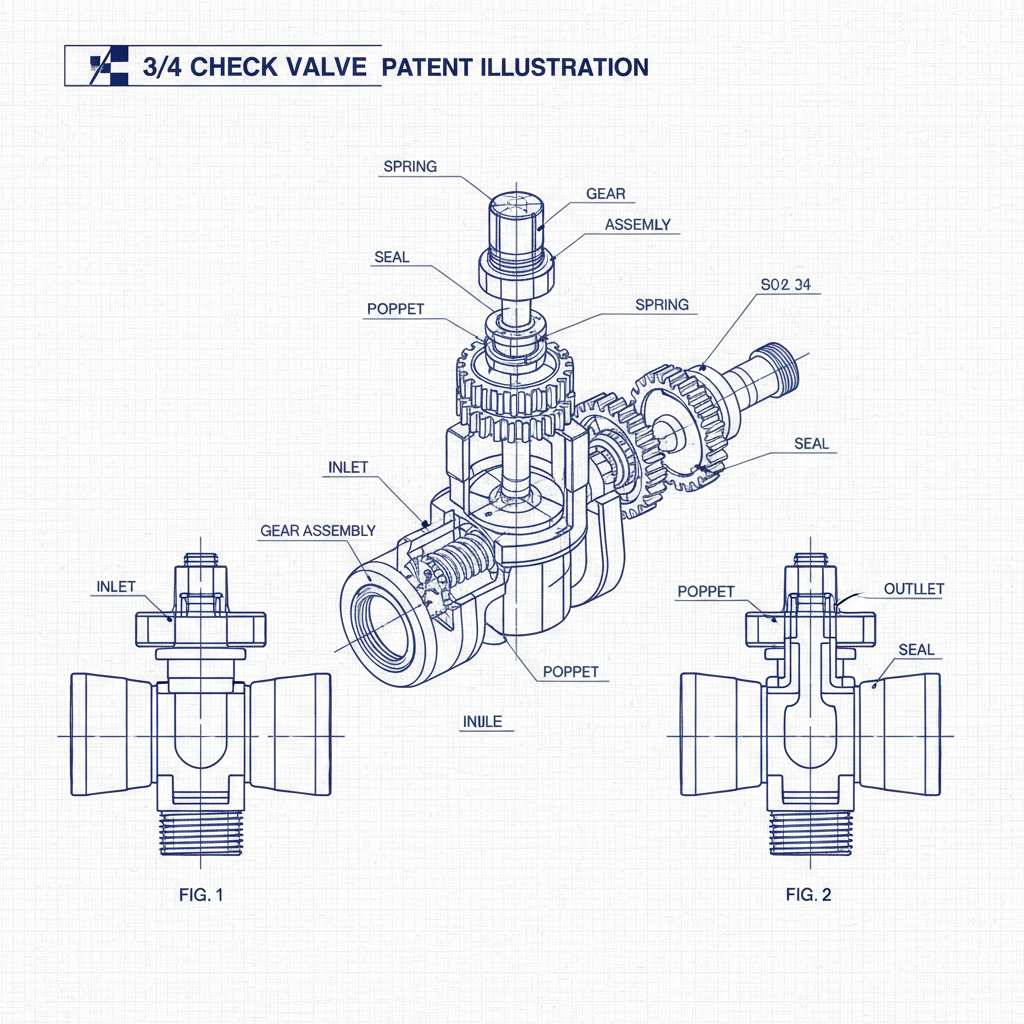
A 3/4 check valve is a type of valve designed to allow fluid to flow in only one direction. The '3/4' refers to the valve's connection size, indicating a ¾ inch National Pipe Thread (NPT) connection, which is a common standard. Its primary function is to prevent backflow, which can contaminate fluids, damage equipment, or compromise system performance. They are typically compact, reliable, and require minimal maintenance. Understanding the different types available is key to selecting the optimal valve for your application.
Key Benefit: Prevent backflow, protect equipment, and ensure fluid system integrity.
Types of 3/4 Check Valves
Several types of 3/4 check valves are available, each suited to different applications and fluid types. Common types include:
- Swing Check Valve: Uses a hinged disc that swings open with flow and closes against a seat to prevent backflow.
- Lift Check Valve: Employs a lift mechanism to allow flow in one direction and prevent reverse flow.
- Ball Check Valve: Utilizes a ball that seals against a seat to stop backflow.
- Diaphragm Check Valve: Features a flexible diaphragm that opens and closes to control flow.
The selection depends on factors like pressure, temperature, fluid compatibility, and required flow rate. SR Machinery provides comprehensive guidance on selecting the appropriate check valve type for your specific application.
Valve Type Comparison:
• Swing Check Valve: Low pressure drop, good for clean fluids.
• Lift Check Valve: Higher pressure drop, suitable for various fluids.
• Ball Check Valve: Simple, cost-effective, suitable for low-pressure applications.
• Diaphragm Check Valve: Excellent chemical resistance, good for corrosive fluids.
Applications of 3/4 Check Valves
3/4 check valves find applications in a broad range of industries and systems. Some common uses include:
- Irrigation Systems: Prevent water backflow from irrigation lines into the water supply.
- Plumbing Systems: Protect water heaters and prevent contamination in potable water lines.
- Chemical Processing: Control the flow of chemicals and prevent mixing of incompatible substances.
- Pumps: Prevent backflow when pumps are turned off, protecting the pump from damage.
- HVAC Systems: Ensure proper circulation of refrigerants and prevent system inefficiencies.
Proper selection and installation are essential for optimal performance.
Factors to Consider When Selecting a 3/4 Check Valve
Choosing the right 3/4 check valve requires careful consideration of several factors:
- Fluid Compatibility: Ensure the valve’s materials are compatible with the fluid being handled.
- Pressure & Temperature: Select a valve rated for the system’s operating pressure and temperature.
- Flow Rate: Choose a valve with sufficient flow capacity to avoid restrictions.
- Connection Type: Verify the valve’s connection type matches the existing plumbing.
- Material: Options include brass, stainless steel, PVC, and others, depending on the application.
SR Machinery offers a wide selection of materials and configurations to meet your exact needs.
Conclusion: Ensuring Reliable Fluid Control with SR Machinery
Invest in Quality, Invest in Reliability
Selecting the right 3/4 check valve is essential for maintaining the efficiency and safety of your fluid handling systems. SR Machinery provides a comprehensive range of high-quality check valves, expert advice, and reliable service. We are committed to helping you find the perfect solution for your application. Contact us today to discuss your specific requirements and experience the SR Machinery difference.
Frequently Asked Questions (FAQs)
What materials are 3/4 check valves typically made from?
3/4 check valves are commonly manufactured from brass, stainless steel, PVC, and polypropylene. Brass valves are often used for general-purpose applications, while stainless steel provides superior corrosion resistance for harsh environments. PVC and polypropylene are lightweight and suitable for lower-pressure systems handling non-aggressive fluids. The choice of material depends on the fluid compatibility requirements and the operating conditions of the system. SR Machinery offers check valves in various materials to suit diverse applications.
How do I determine the correct flow rate for a check valve?
Determining the correct flow rate involves calculating the maximum fluid flow through the system. Factors to consider include pipe size, pump capacity (if applicable), and fluid viscosity. Check valve manufacturers typically provide flow rate charts or specifications for their products. It's crucial to select a valve with a flow capacity that exceeds the maximum anticipated flow rate to prevent pressure drops and ensure efficient operation. Consult with SR Machinery's experts for assistance in sizing a check valve for your specific application.
What is the difference between a swing check valve and a lift check valve?
A swing check valve uses a hinged disc that swings open with flow and closes against a seat, offering lower pressure drop. A lift check valve uses a disc lifted off its seat by the flow, creating a more direct flow path but potentially higher pressure drop. Swing check valves are generally preferred for clean fluids, while lift check valves can handle fluids with some solids. The best choice depends on the specific application and fluid characteristics. SR Machinery can help you determine the optimal valve type based on your needs.
How often should I inspect my 3/4 check valve?
Regular inspection of your 3/4 check valve is crucial for ensuring its continued performance and reliability. Inspections should be conducted at least annually, or more frequently in demanding applications. Look for signs of wear, corrosion, or damage to the valve body, disc, and seat. Check for smooth operation and ensure the valve is sealing properly. Any signs of malfunction should be addressed promptly to prevent system failures.
-
Industrial Water Valve Replacement and Precision Maintenance GuideNews04 . Fri, 2026
-
Industrial Carbon Steel Check Valve Guide for Piping SystemsNews04 . Thu, 2026
-
Industrial Guide to Selecting a High Quality butterfly check valveNews04 . Thu, 2026
-
Choosing a Reliable Valve Supplier for Optimal Industrial PerformanceNews04 . Wed, 2026
-
Understanding the Functionality and Applications of a Balon Check ValveNews04 . Tue, 2026
-
Leading Valve Manufacturer Providing Precision Engineered SolutionsNews04 . Mon, 2026
Related PRODUCTS