

Feb . 09, 2026 16:20 Back to list
Understanding 28mm Check Valve Functionality and Industrial Applications
Understanding the Functionality and Applications of a 28mm Check Valve
A 28mm check valve is a crucial component in various fluid handling systems, ensuring unidirectional flow and preventing backflow. This is particularly important in applications where maintaining pressure and preventing contamination are critical. From irrigation systems to industrial machinery, these valves play a vital role in optimizing performance and protecting equipment. Choosing the right check valve for your specific needs is essential, and this article will delve into the details of 28mm check valves, covering their types, applications, materials, and selection criteria.
How 28mm Check Valves Work: The Basics
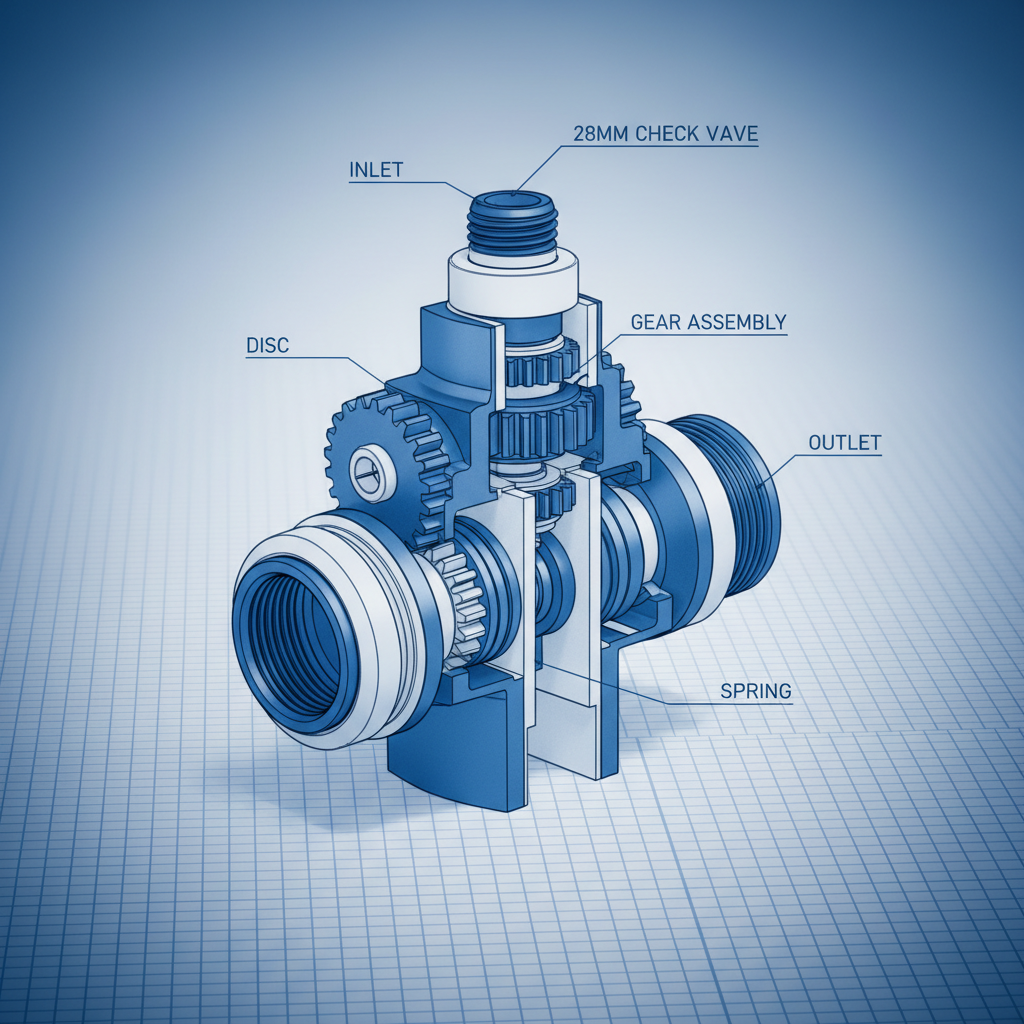
At its core, a check valve operates on a simple principle: it allows fluid to flow in only one direction. A 28mm check valve, specifically, has a 28mm connection size, making it suitable for systems with corresponding pipe diameters. Inside the valve, a disc, ball, or flap moves to either allow or block flow based on pressure differentials. When pressure on the inlet side is higher than the outlet, the valve opens, allowing fluid to pass. Conversely, when pressure reverses, the valve closes, preventing backflow. This automatic operation is what makes check valves so valuable in a wide range of applications. Proper installation and sizing are essential to ensure optimal performance. You can find a wide range of check valves at our website.
Key Benefit: Prevent backflow, protecting pumps, compressors, and other critical equipment from damage and ensuring system efficiency.
Common Types of 28mm Check Valves
Several types of 28mm check valves are available, each with its own advantages and disadvantages. Common types include:
- Swing Check Valves: These valves utilize a hinged disc that swings open with flow and closes against a seat to prevent backflow.
- Lift Check Valves: These employ a disc that lifts off its seat with flow, offering minimal pressure drop.
- Ball Check Valves: A ball is used to seal the valve, ideal for applications involving slurries or fluids with solids.
- Diaphragm Check Valves: Featuring a flexible diaphragm, these valves are suitable for corrosive fluids and offer tight sealing.
The choice of valve type depends on the specific application requirements, considering factors like fluid type, pressure, temperature, and flow rate.
Valve Type Comparison:
• Swing Check Valves: Low pressure drop, suitable for clean fluids.
• Lift Check Valves: Minimal pressure drop, good for high flow rates.
• Ball Check Valves: Handles fluids with solids, durable.
• Diaphragm Check Valves: Corrosive fluids, tight sealing.
Applications of 28mm Check Valves Across Industries
28mm check valves find diverse applications across various industries, including:
- Irrigation Systems: Preventing water backflow from sprinklers and irrigation lines.
- Water Treatment Plants: Protecting pumps and filters from back contamination.
- HVAC Systems: Ensuring unidirectional flow in heating and cooling systems.
- Chemical Processing: Preventing mixing of incompatible chemicals.
- Automotive Industry: Used in fuel systems and coolant circuits.
- Pneumatic Systems: Maintaining air pressure and preventing compressor damage.
The versatility of 28mm check valves makes them essential components in maintaining efficiency and safety in these and many other applications.
Materials and Considerations for 28mm Check Valve Selection
The material of a 28mm check valve is crucial for ensuring compatibility with the fluid being handled and the operating environment. Common materials include:
- Brass: Suitable for water and general-purpose applications.
- Stainless Steel: Ideal for corrosive fluids and high-temperature environments.
- PVC/CPVC: Used in chemical processing and wastewater treatment.
- PP (Polypropylene): For applications requiring high chemical resistance.
When selecting a check valve, consider the fluid's chemical composition, temperature, pressure, and any potential abrasive particles. Choosing a valve constructed from compatible materials will maximize its lifespan and prevent failures. You can find detailed material specifications for our products on our website.
Conclusion: Selecting the Right 28mm Check Valve
Choosing the right 28mm check valve is crucial for optimal fluid handling system performance and longevity. Consider the application, fluid type, pressure requirements, and material compatibility. By carefully evaluating these factors and exploring the options available, you can select a valve that provides reliable and efficient operation for years to come.
Frequently Asked Questions (FAQs)
What is the typical lifespan of a 28mm check valve?
The lifespan of a 28mm check valve varies depending on the operating conditions, fluid type, and maintenance schedule. Generally, with proper installation and maintenance, a well-constructed check valve can last for 5-10 years or even longer. Factors like corrosion, abrasion, and pressure fluctuations can shorten the lifespan. Regular inspection for wear and tear is crucial. If you notice any leakage, cracking, or decreased performance, it’s time to replace the valve.
What pressure rating should I look for in a 28mm check valve?
The pressure rating of the check valve should always exceed the maximum operating pressure of your system. It's essential to choose a valve that can withstand the highest pressure it may encounter, including pressure surges or spikes. Always refer to the system's specifications and select a valve with a corresponding pressure rating for safe and reliable operation. Using a valve with an insufficient pressure rating could lead to failure and potential damage.
Can a 28mm check valve be used with corrosive fluids?
Yes, but it's crucial to select a valve constructed from a material compatible with the specific corrosive fluid. Stainless steel, PVC, CPVC, and PP are commonly used materials for handling corrosive fluids. The valve's body, disc, and seat must all be resistant to corrosion to prevent failure. Consult with a fluid handling specialist or refer to material compatibility charts to ensure the valve is suitable for your application.
What maintenance is required for a 28mm check valve?
Regular inspection is the primary maintenance requirement for a 28mm check valve. Check for any signs of leakage, corrosion, or damage to the valve body and disc. Periodically remove the valve and clean it to remove any debris or sediment that may be obstructing its operation. Lubricate the moving parts according to the manufacturer’s recommendations. Proper maintenance will extend the valve’s lifespan and ensure reliable performance.
-
Industrial Water Valve Replacement and Precision Maintenance GuideNews04 . Fri, 2026
-
Industrial Carbon Steel Check Valve Guide for Piping SystemsNews04 . Thu, 2026
-
Industrial Guide to Selecting a High Quality butterfly check valveNews04 . Thu, 2026
-
Choosing a Reliable Valve Supplier for Optimal Industrial PerformanceNews04 . Wed, 2026
-
Understanding the Functionality and Applications of a Balon Check ValveNews04 . Tue, 2026
-
Leading Valve Manufacturer Providing Precision Engineered SolutionsNews04 . Mon, 2026
Related PRODUCTS