

Feb . 06, 2026 08:56 Back to list
Comprehensive Guide to 22mm Check Valves Types Applications and Selection
Understanding 22mm Check Valves: A Comprehensive Guide
Check valves are crucial components in many fluid systems, preventing backflow and ensuring efficient operation. Among the various sizes, the 22mm check valve stands out as a versatile option for a wide range of applications. This article will delve into the functionality, types, applications, and key considerations when selecting a 22mm check valve, providing valuable insights for engineers, technicians, and anyone involved in fluid handling systems. Protecting your system from reverse flow is vital, and understanding the nuances of check valves is the first step.
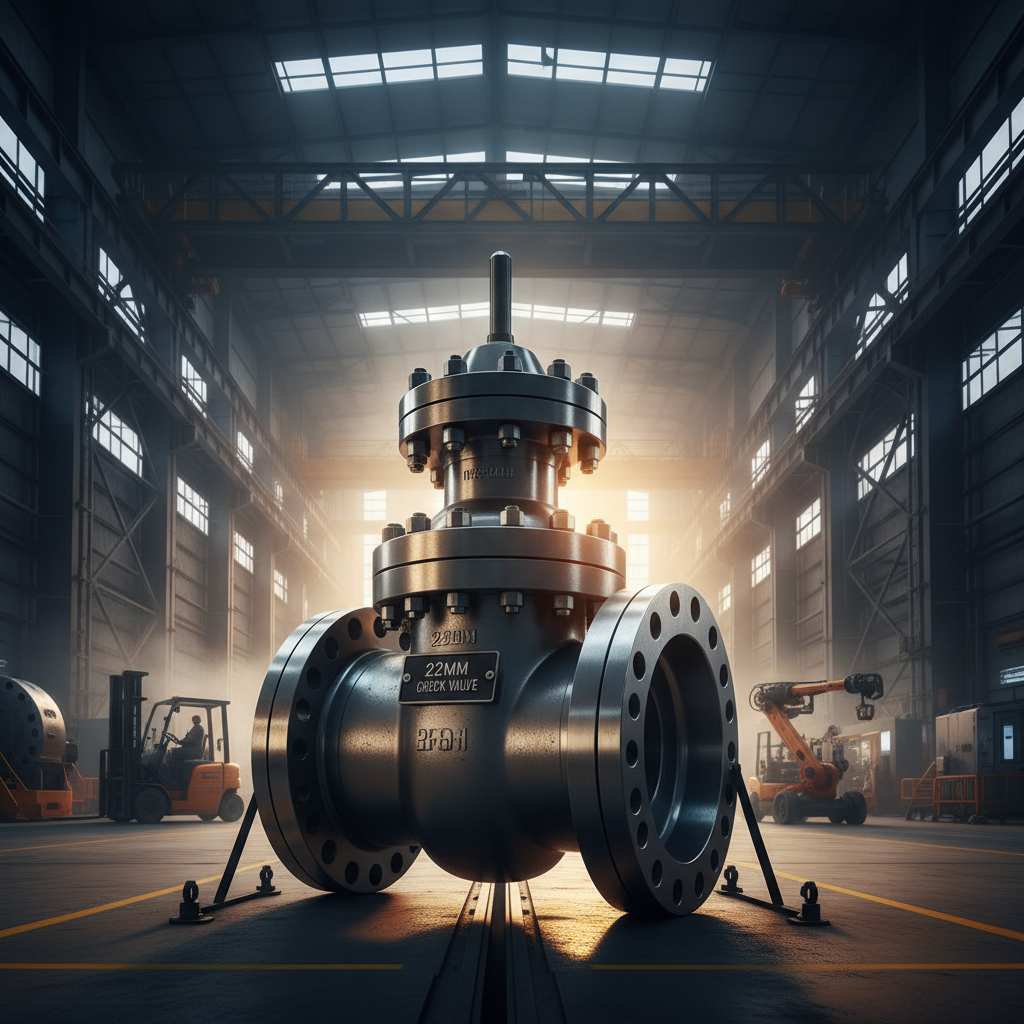
How Does a 22mm Check Valve Work?
At its core, a 22mm check valve is a mechanical device designed to allow fluid flow in only one direction. This is achieved through an internal mechanism – typically a ball, disc, or swing – that opens with forward flow and closes to prevent reverse flow. The 22mm dimension refers to the valve's port size, indicating the diameter of the pipe or tubing it’s designed to connect to. This size makes it suitable for smaller-scale applications where precise flow control is essential. The simplicity of this design ensures reliable performance with minimal maintenance. SR Machinery S offers a comprehensive range of 22mm check valves to meet diverse industry needs.
Key Function: Prevents backflow in fluid systems, ensuring efficient and safe operation. Maintains system pressure and protects pumps and other sensitive components.
Types of 22mm Check Valves
Several types of 22mm check valves are available, each with its own advantages and disadvantages. The most common include:
- Ball Check Valves: Utilize a ball as the sealing element, offering good flow capacity and sealing.
- Swing Check Valves: Employ a hinged disc that swings open with forward flow and closes against the seat to prevent backflow.
- Lift Check Valves: Feature a lifting mechanism that allows fluid to flow upward, then closes to prevent reverse flow.
- Diaphragm Check Valves: Use a flexible diaphragm to control flow, suitable for corrosive fluids and precise applications.
The best type for a specific application depends on factors such as the fluid type, pressure, temperature, and required flow rate.
Choosing the Right Type:
• Ball Check Valves: High flow, minimal pressure drop.
• Swing Check Valves: Simple design, reliable operation.
• Lift Check Valves: Ideal for vertical pipelines.
• Diaphragm Check Valves: Excellent chemical resistance.
22mm Check Valve Applications: A Diverse Range
The compact size and reliable functionality of 22mm check valves make them suitable for a variety of applications. Common uses include:
- Irrigation Systems: Preventing water backflow into the water supply.
- Small Pump Protection: Protecting pumps from reverse flow damage.
- Fuel Systems: Ensuring fuel flows in the correct direction.
- Medical Equipment: Controlling fluid flow in diagnostic and therapeutic devices.
- Automotive Systems: Used in various fluid handling circuits within vehicles.
These applications highlight the valve’s versatility and its importance in maintaining system integrity and efficiency.
Selecting the Right 22mm Check Valve
Choosing the correct 22mm check valve requires careful consideration of several factors:
- Fluid Compatibility: Ensure the valve materials are compatible with the fluid being handled.
- Pressure Rating: Select a valve with a pressure rating that exceeds the maximum system pressure.
- Temperature Range: Verify the valve can operate within the system's temperature range.
- Flow Rate: Choose a valve with a flow capacity sufficient for the application.
- Material: Consider materials like PVC, brass, or stainless steel based on the application requirements.
Working with a reputable supplier like SR Machinery S can provide expert guidance in selecting the optimal valve for your needs.
Maintenance and Longevity of Your 22mm Check Valve
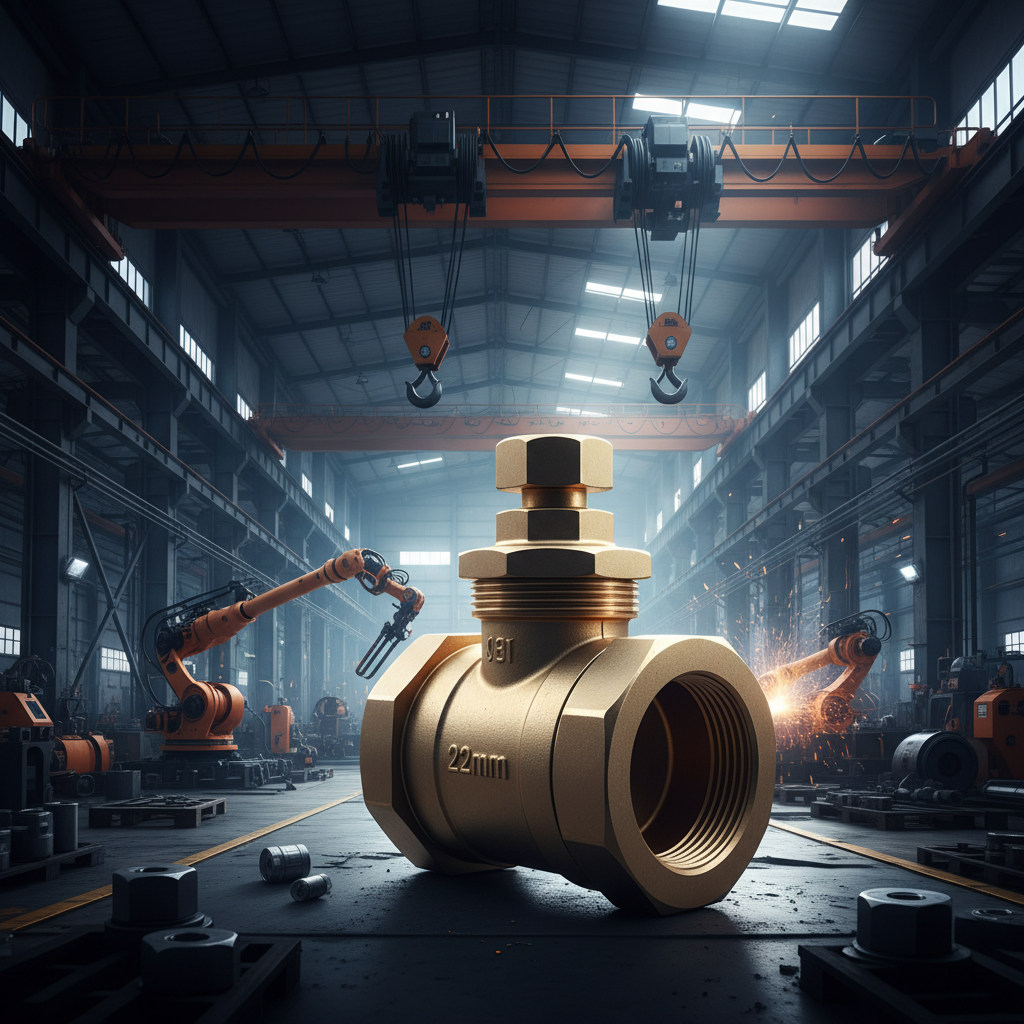
To ensure the long-term reliability of your 22mm check valve, regular maintenance is essential. This includes periodic inspection for wear and tear, cleaning to remove debris, and replacement of worn components. Proper installation, following manufacturer’s guidelines, also contributes significantly to longevity. SR Machinery S provides detailed installation and maintenance recommendations for all its check valves.
Conclusion: Choosing the Right 22mm Check Valve for Optimal Performance
The 22mm check valve is a versatile component critical for maintaining efficient and safe fluid systems. Understanding the different types, applications, and selection criteria is vital for optimal performance and longevity. By partnering with a trusted supplier like SR Machinery S, you can ensure you choose the right valve for your specific needs and achieve reliable, long-lasting results.
Frequently Asked Questions (FAQs)
What materials are 22mm check valves typically made from?
22mm check valves are commonly manufactured from PVC, brass, stainless steel, and polypropylene. PVC is a cost-effective option for many applications, while brass offers good corrosion resistance. Stainless steel is ideal for aggressive environments and high temperatures. Polypropylene provides excellent chemical compatibility. The best material depends on the fluid being handled, the operating temperature, and the pressure requirements. Consider the long-term cost of material degradation when making your selection. Choosing the right material is crucial for maximizing valve lifespan and preventing failure.
How do I determine the correct pressure rating for my application?
The pressure rating of the check valve should always exceed the maximum system pressure. It’s crucial to account for potential pressure surges or spikes that may occur during operation. A general rule of thumb is to select a valve with a pressure rating at least 1.5 times higher than the expected maximum pressure. Consulting with a fluid system expert can help ensure you choose the appropriate pressure rating for your specific application. Failure to do so could result in valve failure and system downtime.
What is the difference between a swing check valve and a lift check valve?
Swing check valves utilize a hinged disc that swings open with flow and closes against the seat, offering lower pressure drop. They are suitable for horizontal pipelines. Lift check valves have a disc that lifts off the seat with flow and relies on gravity to close. They are better suited for vertical pipelines where gravity aids in closing. Swing check valves generally require more space than lift check valves. The choice between the two depends on the pipeline orientation and specific application requirements.
How often should I inspect my 22mm check valve?
Regular inspection, at least quarterly, is recommended. Check for signs of wear, corrosion, or damage to the valve body and sealing components. Verify the valve is opening and closing freely. Look for any leaks around the valve connections. Promptly address any issues to prevent system failures. Maintaining a log of inspections can help track valve performance over time and identify potential problems before they escalate.
-
Industrial Water Valve Replacement and Precision Maintenance GuideNews04 . Fri, 2026
-
Industrial Carbon Steel Check Valve Guide for Piping SystemsNews04 . Thu, 2026
-
Industrial Guide to Selecting a High Quality butterfly check valveNews04 . Thu, 2026
-
Choosing a Reliable Valve Supplier for Optimal Industrial PerformanceNews04 . Wed, 2026
-
Understanding the Functionality and Applications of a Balon Check ValveNews04 . Tue, 2026
-
Leading Valve Manufacturer Providing Precision Engineered SolutionsNews04 . Mon, 2026
Related PRODUCTS