

Feb . 05, 2026 01:56 Back to list
Comprehensive Guide to 20mm Check Valves for Efficient Fluid Systems
Understanding 20mm Check Valves: A Comprehensive Guide
Check valves are essential components in many fluid systems, preventing backflow and ensuring unidirectional flow. Among these, the 20mm check valve stands out due to its versatility and common application in various industries. This article will provide a detailed overview of 20mm check valves, covering their types, applications, materials, and considerations for selection. Understanding these valves is crucial for maintaining efficient and safe fluid handling systems.
What is a 20mm Check Valve?
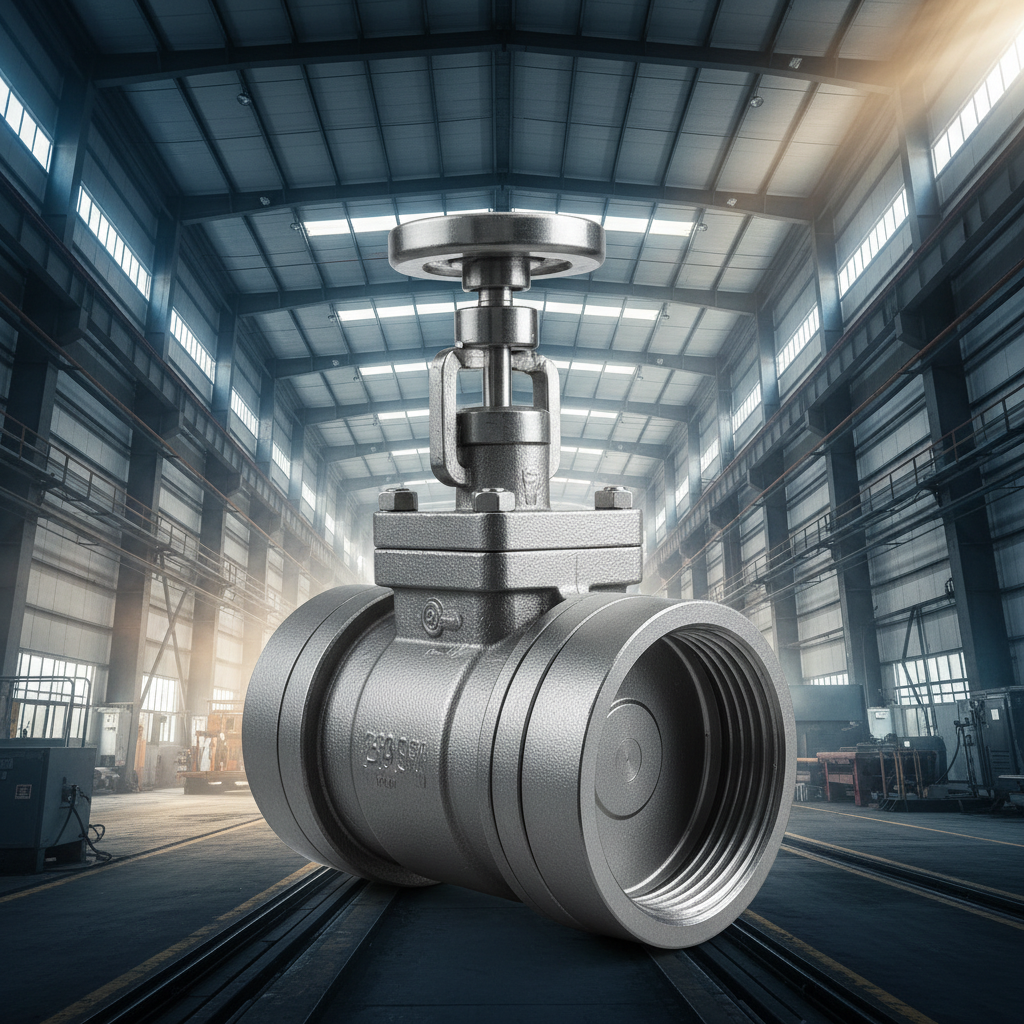
A 20mm check valve is a type of valve designed to allow fluid to flow in only one direction. The '20mm' refers to the valve's nominal pipe size, meaning it’s designed for use with 20mm (¾ inch) pipes. These valves are critical in systems where preventing backflow is paramount, protecting pumps, compressors, and other sensitive equipment from damage. They operate automatically, opening when fluid pressure is applied in the correct direction and closing instantly to prevent reverse flow. This automatic operation eliminates the need for manual intervention, making them a reliable and efficient solution for many applications.
Key Benefit: Automatic operation ensures consistent, reliable backflow prevention without manual intervention.
Types of 20mm Check Valves
Several types of 20mm check valves are available, each suited for different applications. Common types include:
- Swing Check Valves: Utilize a hinged disc (the 'swing') that opens with forward flow and swings shut to prevent backflow.
- Lift Check Valves: Employ a disc or piston that lifts off its seat with forward flow and falls back to prevent reverse flow.
- Ball Check Valves: Feature a ball that sits on a seat, allowing flow when lifted by pressure and sealing to prevent backflow.
- Diaphragm Check Valves: Use a flexible diaphragm to open and close the flow path.
The choice of valve type depends on factors such as the fluid's viscosity, pressure, and the presence of solids. STR Machinery offers a wide selection of these types to meet diverse needs.
Key Considerations When Choosing a Valve:
• Fluid Type: Compatibility with the fluid being handled is crucial.
• Pressure Rating: The valve must withstand the system's maximum pressure.
• Flow Rate: Select a valve with adequate flow capacity.
Common Applications of 20mm Check Valves
20mm check valves find applications in a multitude of industries and systems. Some common examples include:
- Water Treatment Systems: Preventing backflow contamination.
- Irrigation Systems: Maintaining water pressure and preventing back-siphonage.
- Pump Systems: Protecting pumps from reverse flow damage.
- Heating and Cooling Systems: Ensuring efficient circulation.
- Chemical Processing: Handling corrosive fluids safely.
Their compact size and reliable performance make them ideal for both residential and industrial applications.
Material Selection for 20mm Check Valves
The material of a 20mm check valve is critical for ensuring compatibility with the fluid being handled and longevity in the operating environment. Common materials include:
Selecting the Right 20mm Check Valve
Choosing the appropriate 20mm check valve involves carefully considering several factors. Start by identifying the fluid type and its chemical compatibility with potential valve materials. Determine the system's maximum pressure and temperature to ensure the valve can safely operate within those parameters. Calculate the required flow rate to select a valve with sufficient capacity. Finally, assess the installation environment and choose a valve type that is best suited for those conditions. STR Machinery’s experts can provide guidance to ensure you select the optimal valve for your specific application.
Conclusion: Ensuring Reliable Fluid Control with 20mm Check Valves
Investing in a quality 20mm check valve from a reputable supplier like STR Machinery is crucial for maintaining the integrity and efficiency of your fluid systems. By understanding the different types, materials, and applications, you can select the valve that best meets your needs, preventing costly backflow issues and ensuring reliable operation. Don’t compromise on quality—choose the right check valve for optimal performance.
Frequently Asked Questions (FAQs)
What is the typical lifespan of a 20mm check valve?
The lifespan of a 20mm check valve varies depending on the material, fluid compatibility, and operating conditions. Generally, a properly installed and maintained valve can last between 5 and 10 years. Regular inspection for wear and tear, corrosion, or buildup of debris is essential. Replace the valve if you notice any signs of malfunction, such as leaking or inconsistent flow. Using a valve made of high-quality materials like stainless steel will generally result in a longer lifespan compared to plastic or brass options.
Can 20mm check valves handle fluids with solids?
Some 20mm check valves are better suited for handling fluids with solids than others. Ball check valves and lift check valves are generally more tolerant of solids as they have a wider flow path. However, excessive solids can still cause clogging and damage. It’s essential to use a valve designed for the specific application and consider installing a strainer upstream of the valve to remove large particles. Always refer to the valve manufacturer’s specifications for guidance on fluid compatibility and solid particle size limits.
What pressure drop can I expect with a 20mm check valve?
The pressure drop across a 20mm check valve depends on the valve type, flow rate, and fluid viscosity. Swing check valves typically have a higher pressure drop than lift or ball check valves. Pressure drop data is usually provided by the valve manufacturer in their specifications. It’s important to consider the pressure drop when designing a fluid system to ensure adequate flow and performance.
-
Industrial Water Valve Replacement and Precision Maintenance GuideNews04 . Fri, 2026
-
Industrial Carbon Steel Check Valve Guide for Piping SystemsNews04 . Thu, 2026
-
Industrial Guide to Selecting a High Quality butterfly check valveNews04 . Thu, 2026
-
Choosing a Reliable Valve Supplier for Optimal Industrial PerformanceNews04 . Wed, 2026
-
Understanding the Functionality and Applications of a Balon Check ValveNews04 . Tue, 2026
-
Leading Valve Manufacturer Providing Precision Engineered SolutionsNews04 . Mon, 2026
Related PRODUCTS