

Feb . 02, 2026 17:11 Back to list
Comprehensive Guide to 2 Threaded Check Valve Function and Applications
Understanding 2 Threaded Check Valve: A Comprehensive Guide
Check valves are critical components in many industrial systems, preventing backflow and ensuring efficient operation. Among the various types available, the 2 threaded check valve stands out for its ease of installation and versatility. This article provides a detailed exploration of 2 threaded check valves, covering their function, applications, materials, and key considerations when selecting the right valve for your specific needs. We’ll delve into the advantages of using these valves in cross-border trade and how they contribute to reliable fluid control.
What is a 2 Threaded Check Valve?
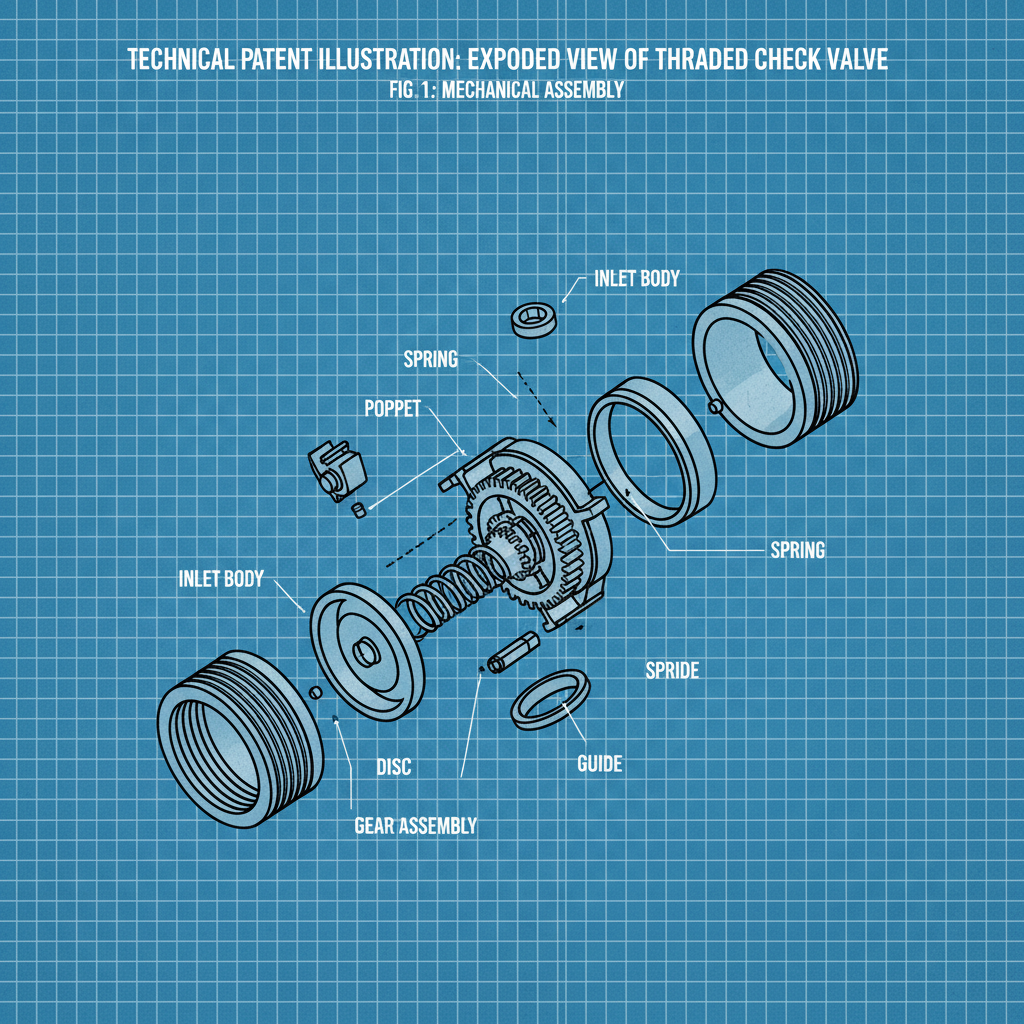
A 2 threaded check valve is a type of check valve with female threads on both ends, allowing for easy connection to piping systems using standard threaded fittings. These valves are designed to allow fluid flow in only one direction, preventing reverse flow which can damage equipment or contaminate processes. The “2” refers to the size of the threaded connection (typically in inches). Their simplicity and low cost make them ideal for a wide range of applications, from water treatment to chemical processing. The ease of threading also makes them popular for maintenance and repair work, streamlining installation and replacement procedures.
Key Features: Easy installation with standard threaded fittings, prevents backflow, versatile for various fluids, and cost-effective.
Applications of 2 Threaded Check Valves
2 Threaded check valves find application in various industries. In water treatment plants, they prevent back-siphonage into the potable water supply. Within the agricultural sector, they're employed in irrigation systems to ensure water flows in the desired direction. Chemical processing relies on these valves to maintain the integrity of sensitive mixtures and prevent contamination. They’re also commonly used in automotive applications (fuel systems), and even in household plumbing for pumps and drainage systems. The global demand for efficient fluid control drives continued innovation and adoption of these valves across diverse sectors.
Common Application Areas:
• Water Treatment
• Irrigation Systems
• Chemical Processing
• Automotive Fuel Systems
2 Threaded Check Valve Materials: Choosing the Right Fit
The material of a 2 threaded check valve is critical for ensuring compatibility with the fluid being handled and the operating environment. Common materials include:
2 Threaded Check Valve: Considerations for Cross-Border Trade
When sourcing 2 threaded check valves for international projects, several factors become crucial. Compliance with international standards (such as ANSI, DIN, or ISO) is paramount. Material certifications demonstrating adherence to relevant quality control standards are also essential. Consideration must be given to packaging and shipping requirements, ensuring the valves are adequately protected during transit. Working with a reputable supplier like STR Machinery simplifies these challenges, providing certified products and streamlined logistics. Understanding import/export regulations in both the source and destination countries is key to avoiding delays and ensuring smooth transactions.
Selecting the Right 2 Threaded Check Valve: Key Factors
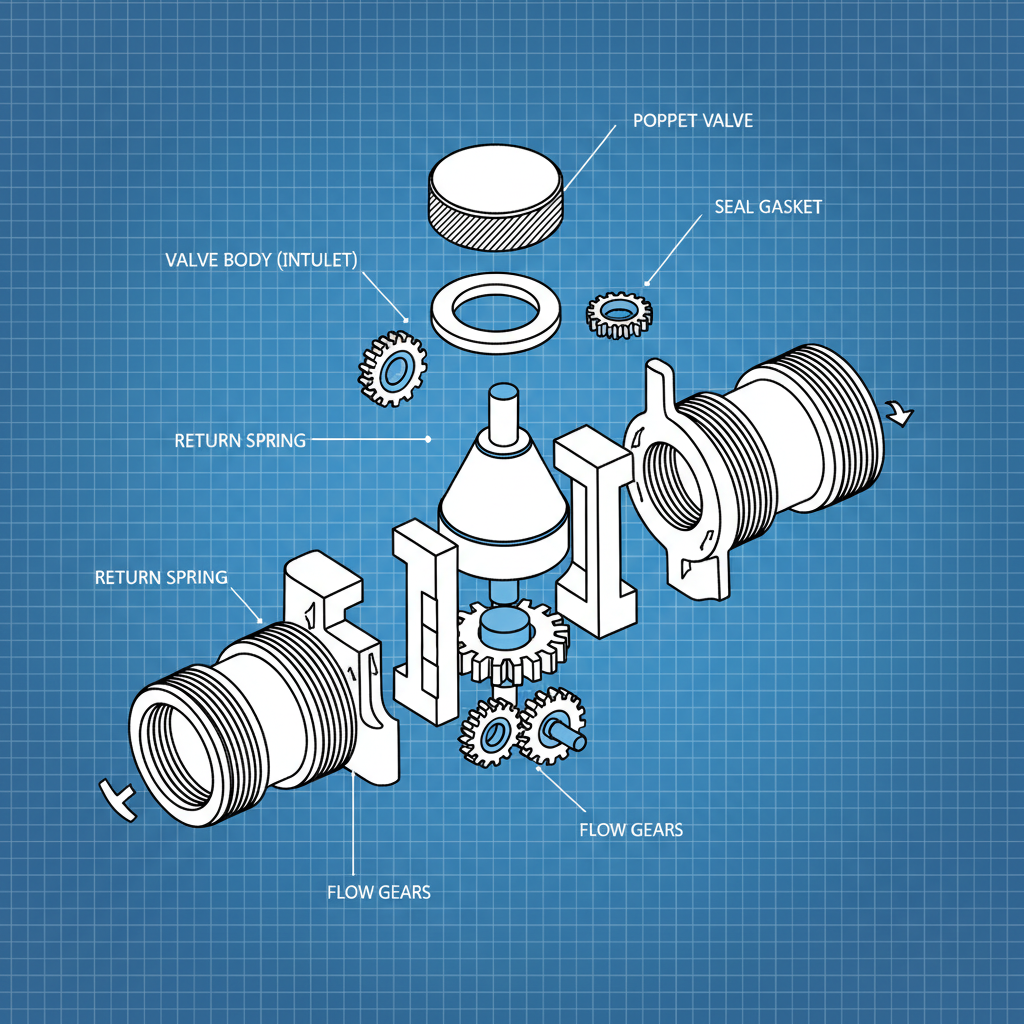
Choosing the appropriate 2 threaded check valve depends on specific application requirements. Key considerations include: fluid compatibility (the valve material must resist corrosion from the fluid), pressure and temperature ratings (ensure the valve can handle the operating conditions), connection size (verify the threads match the piping system), and flow capacity (select a valve that can handle the required flow rate without excessive pressure drop). Regular inspection and maintenance are also vital for maximizing valve lifespan and ensuring continued reliable operation.
Conclusion: Choosing Reliability with 2 Threaded Check Valves
The 2 threaded check valve remains a fundamental component in numerous fluid control systems. By carefully considering material compatibility, application requirements, and international standards, you can ensure optimal performance and longevity. Partnering with a trusted supplier ensures you receive quality products and expert support. Investing in the right check valve translates to increased efficiency, reduced maintenance costs, and enhanced system reliability.
Frequently Asked Questions (FAQs)
What is the typical lifespan of a 2 threaded check valve?
The lifespan of a 2 threaded check valve varies depending on the material, the fluid it handles, and operating conditions. Generally, a brass valve in a clean water application can last for many years with minimal maintenance. Stainless steel valves, due to their superior corrosion resistance, will have a longer lifespan, often exceeding a decade. Regular inspection for wear, corrosion, and leakage is crucial for maximizing the valve's longevity. Preventative maintenance, such as cleaning and lubrication, can also significantly extend its operational life.
What size 2 threaded check valve do I need?
Determining the correct size involves considering the pipe diameter and the desired flow rate. The valve's inlet and outlet threads must match the corresponding pipe threads. It is generally recommended to consult flow rate charts provided by the valve manufacturer to ensure sufficient capacity for your application. Undersizing the valve can lead to excessive pressure drop and reduced efficiency, while oversizing may result in increased turbulence and potential damage. If you are unsure, contacting a fluid control specialist is always advisable.
Are 2 threaded check valves suitable for all fluids?
No, not all fluids are compatible with all 2 threaded check valve materials. Highly corrosive fluids, such as strong acids or bases, require valves made from corrosion-resistant materials like stainless steel or specialized polymers. The valve's material must be chemically compatible with the fluid to prevent degradation and ensure long-term reliability. Always consult a chemical compatibility chart or the valve manufacturer's recommendations before selecting a valve for a specific application.
What maintenance is required for a 2 threaded check valve?
Regular maintenance can significantly extend the life of a 2 threaded check valve. This includes periodic inspection for leaks, corrosion, and damage to the threads. Cleaning the valve to remove any debris or buildup can ensure smooth operation. Lubricating the moving parts (if applicable) can reduce friction and prevent wear. For valves used in harsh environments, more frequent inspection and maintenance may be necessary. Replacing the valve if it shows signs of significant wear or damage is crucial for preventing system failures.
-
Industrial Water Valve Replacement and Precision Maintenance GuideNews04 . Fri, 2026
-
Industrial Carbon Steel Check Valve Guide for Piping SystemsNews04 . Thu, 2026
-
Industrial Guide to Selecting a High Quality butterfly check valveNews04 . Thu, 2026
-
Choosing a Reliable Valve Supplier for Optimal Industrial PerformanceNews04 . Wed, 2026
-
Understanding the Functionality and Applications of a Balon Check ValveNews04 . Tue, 2026
-
Leading Valve Manufacturer Providing Precision Engineered SolutionsNews04 . Mon, 2026
Related PRODUCTS