

Feb . 02, 2026 16:55 Back to list
Comprehensive Guide to 2 Inch Quiet Check Valve Selection and Applications
Understanding the 2 Inch Quiet Check Valve: A Comprehensive Guide
A 2 inch quiet check valve is a critical component in many fluid handling systems, ensuring unidirectional flow and preventing backflow. Choosing the right check valve is essential for system efficiency and longevity. This article provides an in-depth look at these valves, their applications, benefits, and key considerations when selecting one for your specific needs. We’ll cover everything from materials and types to installation and maintenance, providing valuable insights for engineers, purchasing managers, and anyone involved in fluid system design.
What is a 2 Inch Quiet Check Valve?
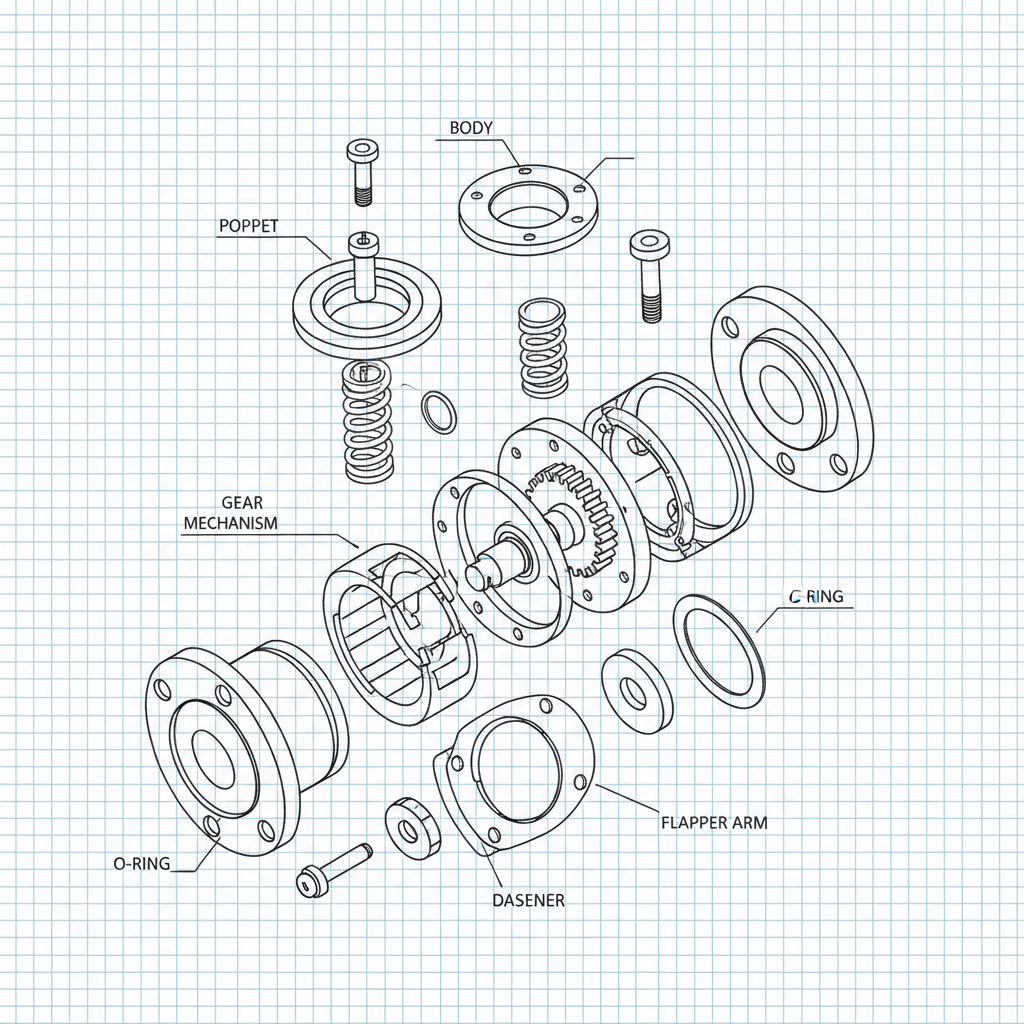
A check valve, in its simplest form, is a valve that allows fluid to flow in only one direction. A 2 inch check valve, specifically, is designed to handle fluids flowing through a 2-inch diameter pipe. The ‘quiet’ designation refers to the valve's design which minimizes noise generated during operation, a crucial feature in applications where noise pollution is a concern. These valves operate automatically, using the pressure of the fluid to open and close, eliminating the need for manual intervention. They are commonly used in pumps, compressors, and various industrial processes to protect equipment and maintain system integrity.
Key Applications of 2 Inch Quiet Check Valves
The versatile nature of these valves makes them suitable for a broad spectrum of applications. Some common uses include:
- Wastewater Treatment: Preventing backflow in sewage systems and treatment plants.
- Irrigation Systems: Maintaining water flow in irrigation lines and preventing contamination.
- Chemical Processing: Ensuring unidirectional flow of corrosive or sensitive chemicals.
- Oil and Gas: Protecting pumps and pipelines from backflow in oil and gas applications.
- HVAC Systems: Preventing reverse flow in heating and cooling systems.
Important Note: Proper valve selection, based on fluid compatibility and operating pressure, is vital for optimal performance and safety.
Types of 2 Inch Quiet Check Valves
Several types of 2 inch quiet check valves are available, each with unique characteristics suitable for different applications. Understanding these differences is crucial for making the right selection. Some common types include:
Material Considerations for 2 Inch Quiet Check Valves
The material of a check valve is crucial for ensuring compatibility with the fluid being handled and preventing corrosion. Common materials include:
- Cast Iron: Economical and suitable for general-purpose applications.
- Stainless Steel: Provides excellent corrosion resistance, ideal for aggressive fluids.
- PVC and CPVC: Lightweight and resistant to many chemicals, commonly used in water and wastewater systems.
- Brass: Good corrosion resistance and often used in potable water applications.
Selecting the Right 2 Inch Quiet Check Valve
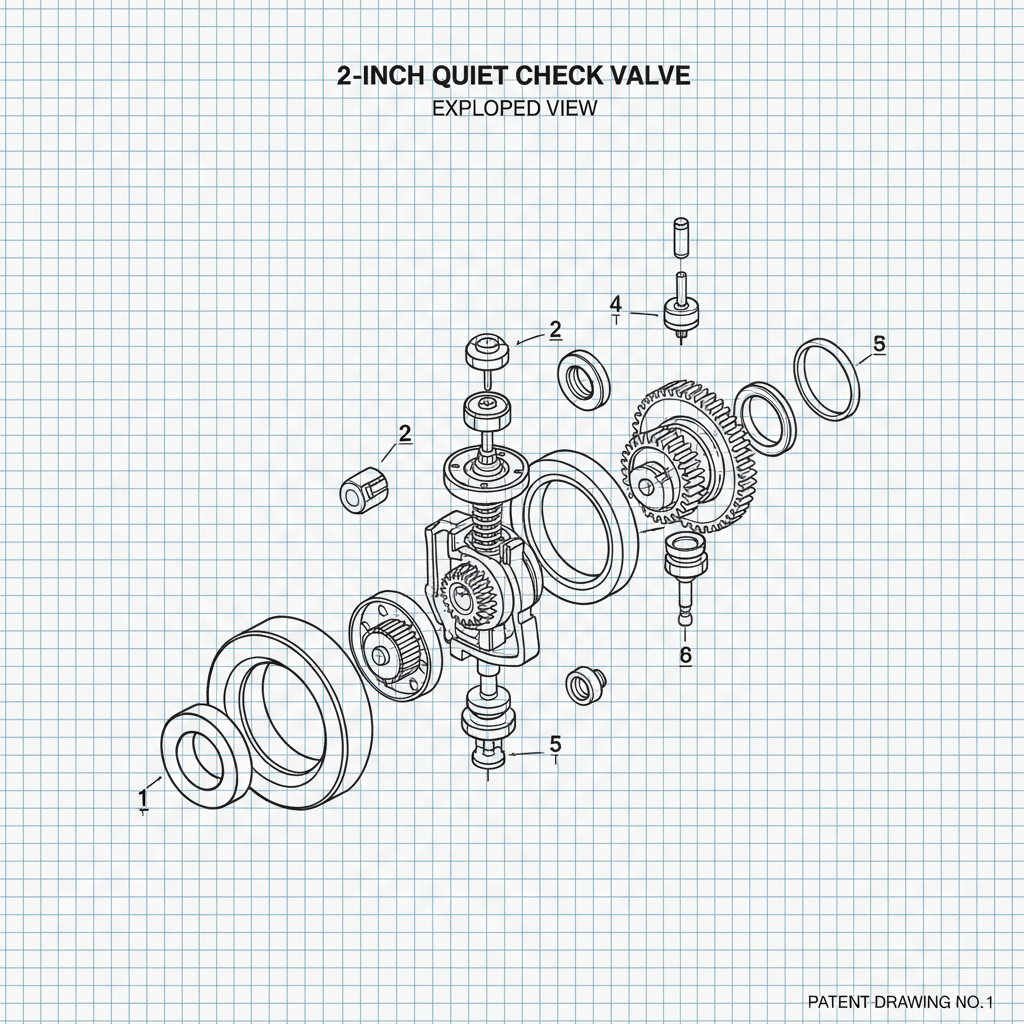
Choosing the optimal 2 inch quiet check valve requires careful consideration of several factors. These include the type of fluid, operating pressure, temperature, flow rate, and environmental conditions. Consulting with a qualified engineer or fluid handling specialist can help ensure you select the most appropriate valve for your specific application. Furthermore, consider the valve's maintenance requirements and the availability of spare parts to minimize downtime and ensure long-term reliability.
Conclusion: Investing in Reliable Fluid Control
Selecting the right 2 inch quiet check valve is a crucial investment in the efficiency and reliability of your fluid handling system. By carefully considering the factors outlined in this article and partnering with a trusted supplier like STR Machinery, you can ensure optimal performance and minimize the risk of costly downtime.
Frequently Asked Questions (FAQs)
What is the typical lifespan of a 2 inch quiet check valve?
The lifespan of a 2 inch quiet check valve varies depending on the application, fluid type, and maintenance schedule. However, with proper installation and regular maintenance, a well-chosen valve can last for 5-10 years, or even longer. Factors like corrosive fluids, high pressures, and frequent operation can shorten the lifespan. Regular inspections for signs of wear, leakage, or damage are crucial. STR Machinery offers high-quality valves designed for extended service life and provides comprehensive maintenance guidance.
How do I install a 2 inch quiet check valve?
Installation should be performed by a qualified professional. Ensure the pipeline is clean and free of debris before installation. The valve should be oriented correctly, with the flow direction indicated on the valve body. Use appropriate thread sealant or gaskets to prevent leaks. Tighten connections securely but avoid over-tightening, which can damage the valve. Always follow the manufacturer's instructions provided with the valve. STR Machinery provides detailed installation guides and support.
What maintenance is required for a 2 inch quiet check valve?
Regular maintenance is essential for ensuring optimal performance and extending the lifespan of the valve. This includes periodic inspections for leaks, corrosion, and wear. Lubricate moving parts as recommended by the manufacturer. Clean the valve body and disc to remove any buildup of debris. If the valve is used in a harsh environment, consider implementing a more frequent maintenance schedule. STR Machinery offers preventative maintenance services and genuine replacement parts.
What are the benefits of a 'quiet' check valve?
Traditional check valves can generate significant noise due to the slamming of the disc or swing. A ‘quiet’ check valve is designed to minimize this noise, providing a more peaceful working environment. This is especially important in residential areas, hospitals, and other noise-sensitive applications. The reduced noise also minimizes stress on the piping system, contributing to longer-term reliability.
-
Industrial Water Valve Replacement and Precision Maintenance GuideNews04 . Fri, 2026
-
Industrial Carbon Steel Check Valve Guide for Piping SystemsNews04 . Thu, 2026
-
Industrial Guide to Selecting a High Quality butterfly check valveNews04 . Thu, 2026
-
Choosing a Reliable Valve Supplier for Optimal Industrial PerformanceNews04 . Wed, 2026
-
Understanding the Functionality and Applications of a Balon Check ValveNews04 . Tue, 2026
-
Leading Valve Manufacturer Providing Precision Engineered SolutionsNews04 . Mon, 2026
Related PRODUCTS